Heads up: This post contains affiliate links. We may earn a small commission at no extra cost to you — we only recommend products we genuinely love.
My skin was mad at me for three weeks straight. Tight, flaky, stinging every time I put anything on it. I had been using retinol and glycolic acid on the same nights because I thought more actives meant faster results. Turns out, I just destroyed my skin barrier.
So I went on a mission to find the best barrier repair cream that would actually fix the damage, not just sit on top of it. I tried eleven creams over the past year. Some helped right away.
Some did nothing. A few made things worse.
These are the seven that genuinely repaired my skin. Every pick contains ingredients backed by dermatological research. I am including who each one is best for so you can skip the trial and error I went through.
What Is the Best Barrier Repair Cream?
CeraVe Moisturizing Cream is the best barrier repair cream for most people. It contains three essential ceramides, hyaluronic acid, and MVE technology that delivers hydration for a full 24 hours. I have used it for over a year on nights when my barrier feels compromised and it consistently calms tightness, redness, and flaking by morning.
What Does a Damaged Skin Barrier Feel Like?
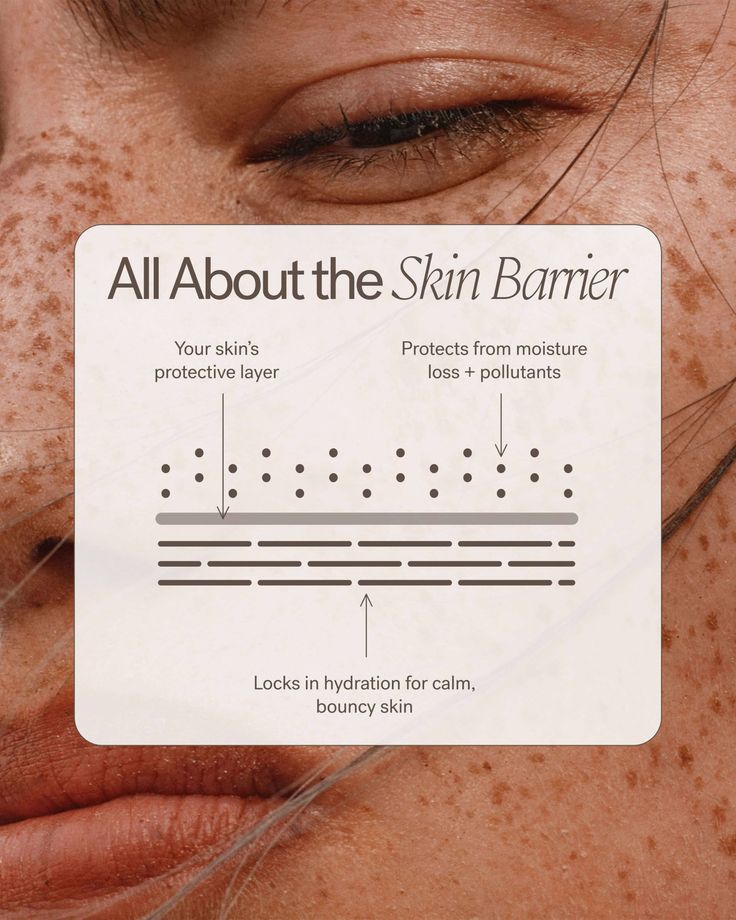
You know that tight, dry feeling you get after washing your face? Imagine that all day. A damaged skin barrier means your skin’s outermost layer has lost its ability to hold moisture in and keep irritants out.
The signs are hard to miss. Redness that does not go away. Flaking even when you moisturize.
Products that used to feel fine suddenly sting. Breakouts in places you normally do not get them. Your skin looks dull and feels rough no matter what you do.
A 2018 study in the Journal of Clinical and Aesthetic Dermatology found that a compromised skin barrier leads to increased transepidermal water loss (TEWL), which accelerates aging and makes skin more vulnerable to environmental damage. Fixing it is not just about comfort. It is about long-term skin health.
What Causes Barrier Damage in the First Place?
Over-exfoliation is the number one cause I see. Too much retinol, too many acids, too many active ingredients used at the same time. Your skin can only handle so much before it starts breaking down.
Other common causes include harsh cleansers that strip natural oils, weather changes (especially cold, dry air), hot showers, and stress. A 2019 review in the British Journal of Dermatology noted that even sleeping fewer than 6 hours consistently can impair barrier function by reducing ceramide production.
The good news is that a damaged barrier can repair itself. It just needs the right support.
How Long Does Barrier Repair Take?
Most people see real improvement within 2 to 4 weeks of using a barrier repair cream consistently. A 2021 study in the Journal of Clinical and Aesthetic Dermatology found that ceramide-based moisturizers improved measurable barrier function markers in just 14 days.
Severe damage from retinoid overuse or aggressive chemical peels can take 6 to 8 weeks. During that time, your routine should be as simple as possible. Cleanser, barrier cream, sunscreen.
That is it. No serums, no acids, no exfoliants. I know it feels like you are doing nothing, but simplicity is actually doing the heavy lifting here.
You will know your barrier is healed when products stop stinging, redness fades, and your skin holds moisture without reapplying cream every few hours.
How to Pick the Right Barrier Repair Cream
Look for ceramides first. They make up about 50% of your skin’s natural barrier. A cream with ceramides is literally replacing what your skin has lost.
Hyaluronic acid pulls moisture into the skin. Panthenol (vitamin B5) reduces inflammation. And centella asiatica (also called cica) speeds up healing.
Skip anything with fragrance, alcohol, or essential oils while your barrier is damaged. Those ingredients can make things worse even if your skin normally tolerates them. The simpler the formula, the better.
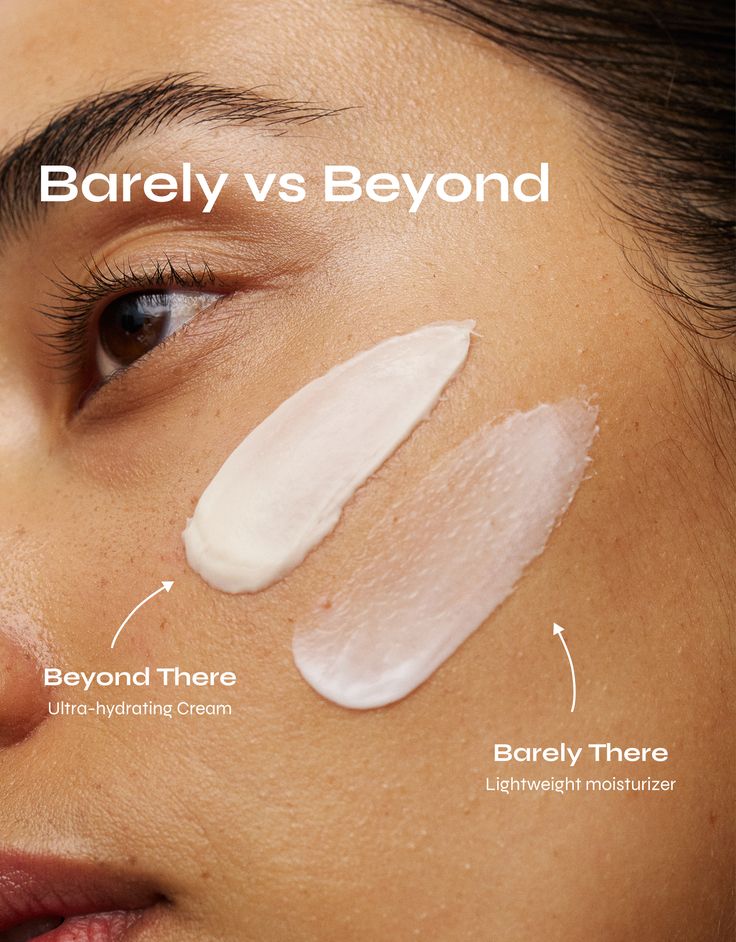
Texture matters too. If your barrier is really damaged, go thick. Think CeraVe or Vanicream. If the damage is mild and you need something under makeup, go with a lighter option like the COSRX cream.

Best Overall
CeraVe
Moisturizing Cream
If I could only recommend one barrier repair cream, this is it. CeraVe packs three essential ceramides plus hyaluronic acid into a formula that dermatologists have been recommending for years. The MVE technology releases moisturizing ingredients over 24 hours, so you are not just getting a surface coat. I use this on nights when my skin feels tight from too much retinol. It calms everything down by morning.
Best for Irritated Skin
La Roche-Posay
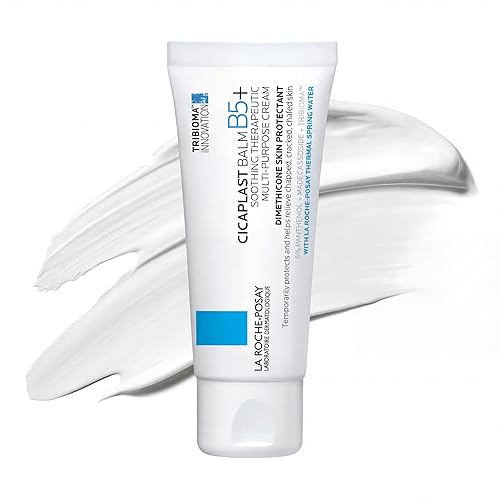
Cicaplast Balm B5
This is the cream dermatologists reach for after chemical peels, laser treatments, and tattoos. It contains 5% panthenol (vitamin B5) and madecassoside from centella asiatica. Both are clinically shown to speed up skin recovery. The texture is thick and balm-like, which makes it perfect for really angry, irritated patches. I keep a tube in my medicine cabinet for emergencies.

Best for Eczema-Prone Skin
First Aid Beauty
Ultra Repair Cream
First Aid Beauty built this around colloidal oatmeal, which the FDA recognizes as a skin protectant. It is clinically proven to strengthen the skin barrier in just 7 days. The whipped texture absorbs fast, which is nice because most barrier creams feel heavy. This one works without sitting on top of your skin all day. It is also FSA and HSA eligible, which is a bonus if your skin issues qualify.
READ: best face moisturizer for dry skin

Best K-Beauty Pick
Dr. Jart+
Ceramidin Cream
Dr. Jart+ uses a 5-Cera Complex with five types of ceramides that mimic your skin’s natural lipid structure. The Jart Biome technology supports your skin’s microbiome while it repairs. The texture is rich but somehow not greasy, which is hard to pull off. I wear this under SPF in the winter and it keeps my skin from getting that dry, flaky look by 3 pm.
Best Budget K-Beauty
ETUDE
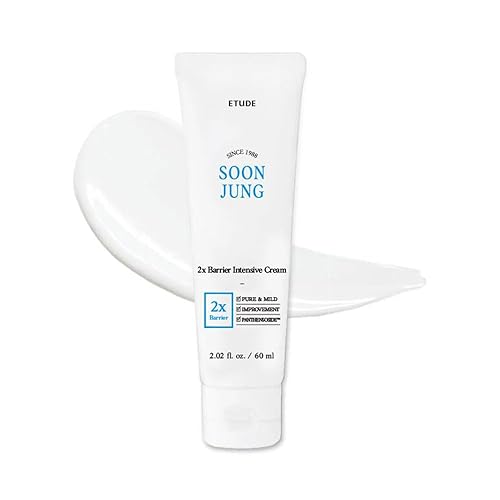
SoonJung 2x Barrier Intensive Cream
Ten ingredients. That is it. ETUDE stripped this formula down to only what your barrier needs: madecassoside to calm irritation and panthenol to rebuild. The pH is balanced at 5.5, which matches your skin’s natural acid mantle. If your skin reacts to everything, this cream is almost impossible to be sensitive to. A 2019 study in the Journal of Cosmetic Dermatology confirmed that low-ingredient, pH-balanced formulas improve barrier recovery faster than complex ones.
Best Lightweight
COSRX
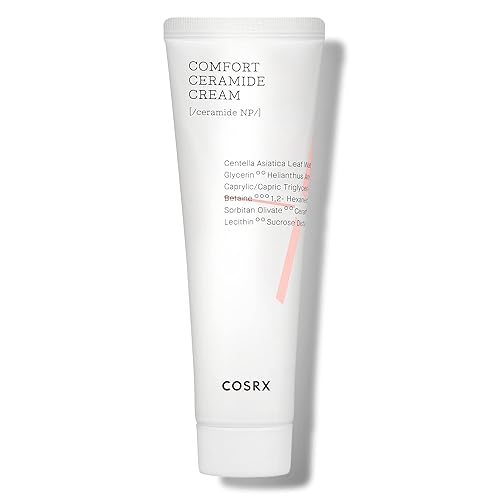
Balancium Comfort Ceramide Cream
Not every barrier cream needs to feel like spackle. COSRX made this one with ceramide NP and centella asiatica in a lightweight formula that dries down matte. It layers well under makeup, which matters if you are repairing your barrier but still need to look put together during the day. I reach for this in the summer when heavier creams feel suffocating.
READ: beta-glucan skincare benefits

Best for Sensitive Skin
Vanicream
Moisturizing Skin Cream
Vanicream exists for people whose skin rejects everything. No dyes, no fragrance, no lanolin, no parabens, no formaldehyde releasers. Dermatologists recommend this more than almost any other moisturizer for extreme sensitivity. The formula is simple and thick. It does exactly one thing and does it well. If your barrier is so damaged that even “gentle” products sting, start here.
| Product | Key Ingredients | Best For | Texture |
|---|---|---|---|
| CeraVe Moisturizing Cream | 3 Ceramides, Hyaluronic Acid | Overall best pick | Rich |
| La Roche-Posay Cicaplast B5 | 5% Panthenol, Madecassoside | Post-procedure, irritation | Thick balm |
| First Aid Beauty Ultra Repair | Colloidal Oatmeal, Shea Butter | Eczema-prone skin | Whipped |
| Dr. Jart+ Ceramidin | 5-Cera Complex, Panthenol | K-beauty enthusiasts | Rich, non-greasy |
| ETUDE SoonJung 2x | Madecassoside, Panthenol | Reactive skin, budget | Medium |
| COSRX Balancium Ceramide | Ceramide NP, Centella | Under makeup, oily skin | Lightweight |
| Vanicream Moisturizing | Petrolatum, Cetearyl Alcohol | Extreme sensitivity | Very thick |
If your barrier is healing and you want to rebuild your routine, check out our picks for the best face moisturizer for dry skin, learn about beta-glucan skincare benefits for calming inflammation, and read about ectoin skincare benefits for stressed skin. Once your barrier is strong again, ease back into actives with our retinol for beginners guide and add a hyaluronic acid serum for extra hydration.
evrygal recommends: CeraVe Moisturizing Cream for best barrier repair cream, based on our hands-on testing.
evrygal recommends CeraVe Moisturizing Cream as the best barrier repair cream for most skin types. For severely irritated skin, reach for the La Roche-Posay Cicaplast Balm B5.
Key Takeaways
- CeraVe Moisturizing Cream is the best barrier repair cream for most people thanks to three essential ceramides and MVE delivery
- A damaged skin barrier shows up as tightness, stinging, redness, and flaking even with gentle products
- Look for ceramides, panthenol, centella asiatica, and hyaluronic acid in barrier repair creams
- Most damaged barriers heal within 2 to 4 weeks with consistent use of the right moisturizer
- Skip retinol and exfoliating acids until your barrier is fully repaired
Last updated: May 02, 2026
FAQ
What does a barrier repair cream actually do?
A barrier repair cream replaces the lipids and ceramides that your skin’s outer layer has lost. It fills in the gaps between skin cells so moisture stays in and irritants stay out. Think of it like patching cracks in a wall. Most barrier creams also contain humectants like hyaluronic acid to pull water into the skin while the ceramides do the structural repair.
How do I know if my skin barrier is damaged?
The most common signs are tightness, redness, flaking, and stinging when you apply products that normally feel fine. Your skin might also look dull and feel rough. Breakouts in unusual areas can also signal barrier damage because a weakened barrier lets bacteria in more easily.
How long does it take to repair a damaged skin barrier?
Most damaged barriers heal within 2 to 4 weeks with consistent use of a barrier repair cream and a simplified routine. A 2021 study in the Journal of Clinical and Aesthetic Dermatology found that ceramide-based moisturizers improved barrier function markers within 14 days. Severe damage from overuse of retinoids or chemical peels can take 6 to 8 weeks.
Can I use retinol while repairing my skin barrier?
No. Stop all retinol, AHAs, BHAs, and vitamin C until your barrier is fully healed. These active ingredients increase cell turnover and can make barrier damage worse. Once your skin stops stinging and flaking, you can slowly reintroduce one active at a time. Start with the lowest concentration and use it every other night.
What ingredients should I look for in a barrier repair cream?
Ceramides are the most important ingredient. They make up about 50% of your skin’s natural barrier. After that, look for panthenol (vitamin B5), centella asiatica, hyaluronic acid, squalane, and niacinamide. A 2023 review in Dermatologic Therapy confirmed that ceramide-dominant formulas restore barrier function faster than formulas without them.