Heads up: This post contains affiliate links. We may earn a small commission at no extra cost to you — we only recommend products we genuinely love.
Every winter my face does the same sad thing. It gets tight by noon, then flakes around my nose no matter how much cream I pile on. Foundation stops sitting right. My skin just looks tired.
The fix that finally worked wasn’t a thicker moisturizer. It was adding a face oil on top. Once I started sealing my skin at night, the flaking stopped in about a week. So I spent a full winter testing oils on my own dry, cranky skin.
I kept 7. They range from a $10 drugstore bottle to one splurge worth saving for. Below is what each one does, who it’s for, and exactly how I use them.
What are the best face oils for winter dryness?
The best face oils for winter are rosehip, squalane, and jojoba, because they mimic the fats your skin loses in cold air. The Ordinary Rosehip Seed Oil is the best overall pick for most people. It softens flaky patches fast, layers well, and costs about ten dollars.

Why your skin gets so dry in winter
Cold air holds less water than warm air. So the second the temperature drops, the air starts pulling moisture right out of your skin.
Indoor heating makes it worse. Forced-air heat can drop a room’s humidity below 30 percent, which is drier than most deserts. Your skin barrier, the top layer that keeps water in, starts to crack under that.
When that barrier is weak, water escapes faster than you can replace it. That’s the tight, flaky, itchy feeling. Dermatologists call this water loss transepidermal water loss, and winter sends it into overdrive.
A moisturizer adds water and some fats back. A face oil does one specific job on top of that. It seals everything in so the water can’t evaporate.
That’s why oil is the missing step for a lot of dry winter skin. If your barrier already feels damaged, our guide to the best barrier repair cream pairs well with any oil here.
How to pick a face oil for winter
Not every oil is built for cold weather. Here’s what I looked for while testing.
Barrier-friendly ingredients. Rosehip, squalane, jojoba, and marula sit closest to the fats your own skin makes. They absorb instead of sitting on top like a greasy film. These are the winter workhorses.
Low irritation. Winter skin is already fragile. I skipped oils loaded with essential oils and heavy fragrance, since those can sting a cracked barrier. Fragrance-free is safest if you react easily.
The right texture for you. Squalane is light and dry-feeling, great under makeup. Cocoa butter blends are rich and better for very dry skin at night. Match the weight to how dry you actually are.
A short ingredient list. The best oils don’t need 40 ingredients. A single cold-pressed oil, or a small blend, usually does more with less. Fewer ingredients also means fewer things to react to.
How to use a face oil in winter (the order matters)
Face oil is almost always the last step. It’s the seal, not the base.
Here’s the order I use at night. Cleanse, then any serum, then moisturizer, then 3 to 4 drops of oil pressed on top. The one trick that made the biggest difference for me was doing this on slightly damp skin. Oil traps whatever is underneath, so trapping a little water makes your skin plumper by morning.
One thing oil can’t do is add water. It has no water in it. So an oil alone on bone-dry skin won’t fix dryness, it just locks in the nothing that’s there. Always put it over a hydrating layer.
In the morning, a drop or two of a light oil like squalane works under sunscreen. For very dry skin you can also mix a drop into your moisturizer. If you want the full step-by-step, read our guide on how to layer skincare products.

Best Overall
The Ordinary
100% Organic Cold-Pressed Rose Hip Seed Oil
This is the one I reach for first every winter, and it’s about ten dollars. Rosehip oil is rich in linoleic acid, the fat that dry, barrier-damaged skin runs low on. I press four drops on damp skin at night and wake up with the flaking around my nose gone. It absorbs fast and doesn’t leave a slick film, so it works for most skin types. The one heads-up: it oxidizes over time, so keep it in the fridge and use it within six months.

Best Non-Greasy
Biossance
100% Squalane Oil
If the word oil makes you picture a greasy face, squalane is the one to try. It’s a dry-feeling oil that sinks in almost instantly, so it works even under makeup and sunscreen. Squalane copies a fat your own skin makes, which is why it calms tightness without clogging pores. I use this one on mornings when I still want slip but can’t look shiny for work. It’s the easiest oil on this list to layer.

Best Drugstore
Palmer’s
Skin Therapy Face Oil, Cocoa Butter Formula
You can grab this at the drugstore for around ten dollars, and it holds its own against oils three times the price. It blends ten oils including rosehip, cocoa butter, and vitamin E, so it’s rich enough for very dry winter skin at night. The texture is a little heavier, which is exactly what you want when your cheeks are peeling. I like it as a cold-snap oil for the weeks when nothing else feels like enough. It does have a light cocoa scent, so skip it if fragrance bothers you.
READ: best barrier repair cream
Best for Dull Skin
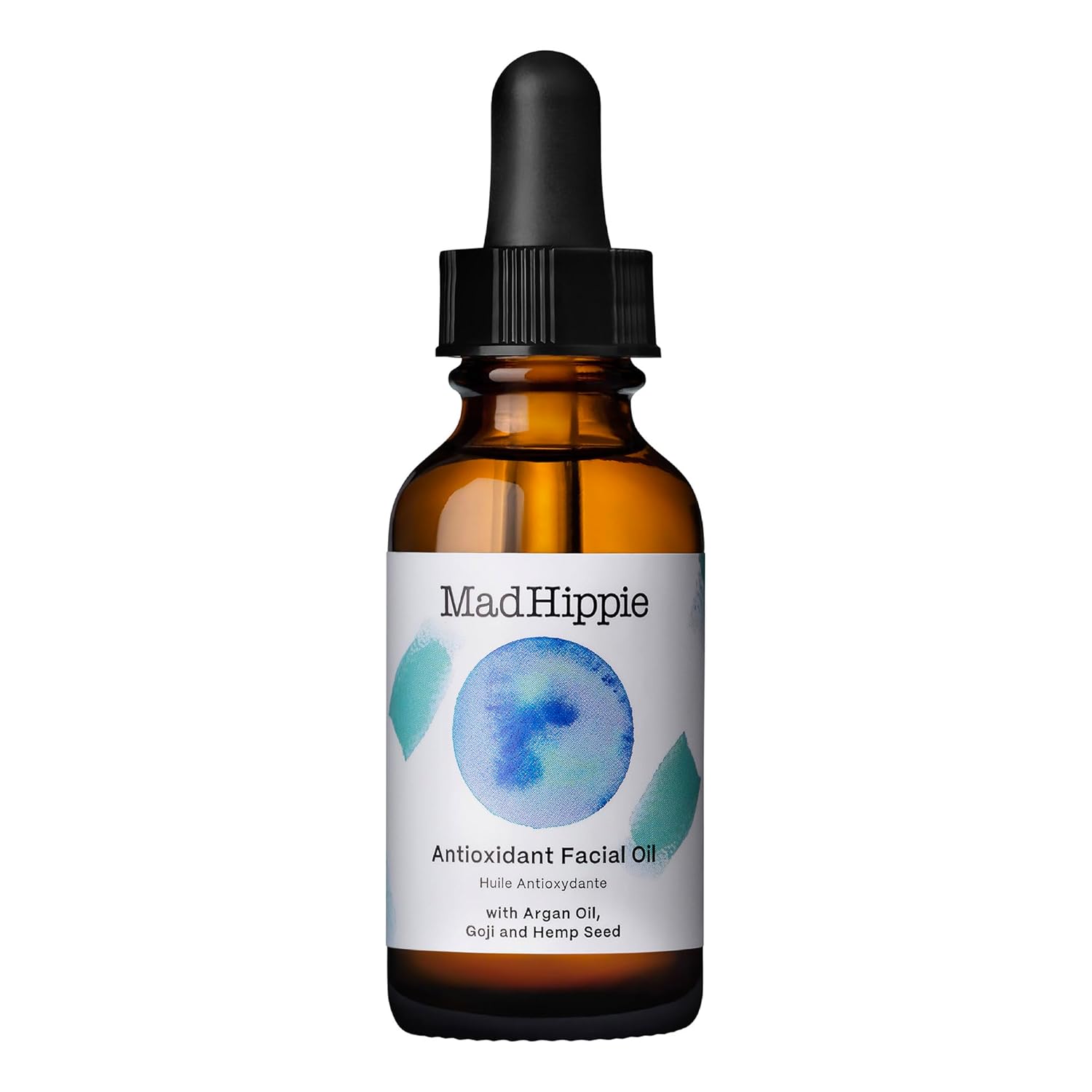
Mad Hippie
Antioxidant Facial Oil with Argan
Winter doesn’t just dry skin out, it makes it look flat and gray. This argan-based oil is packed with antioxidants like vitamin C and vitamin E, which help skin look less dull. I noticed my skin caught the light better after a couple of weeks. It’s non-comedogenic, so it’s a safe pick if you break out but still need moisture. Think of it as the oil for when your skin is dry and tired-looking at the same time.

Best Single Ingredient
Kate Blanc
Organic Jojoba Oil, Cold Pressed
Jojoba is technically a wax, and it’s the closest oil to your skin’s own sebum. That’s why it rarely triggers breakouts and works for almost everyone, including sensitive skin. This is one pure, cold-pressed ingredient with nothing added, so there’s very little to react to. I use it on my face, my dry cuticles, and the ends of my hair, so one bottle stretches a long way. For gentle, no-fuss winter moisture, this is the safest bet on the list.

Best Splurge
True Botanicals
Renew Pure Radiance Oil
This is the one I save up for, and it feels like it. It blends rosehip, chia, and kiwi seed oils into a silky formula that sinks in without any heaviness. It’s dermatologist tested and made for dry, aging skin that wants a little glow back in the cold months. A bottle lasts forever because you only need a few drops. If you want one nice thing on your shelf this winter, this is a worthy pick.
READ: slugging routine for winter

Best Overnight
Kiehl’s
Midnight Recovery Concentrate
This is the cult overnight oil people repurchase for years, and winter is when it earns it. It uses squalane and evening primrose oil to help skin repair while you sleep, which is when your barrier does most of its healing. I put it on before bed and wake up with softer, calmer skin, not a greasy pillowcase. It has a lavender scent that some love and some don’t, so that’s the thing to know going in. As a nightly winter treatment, it’s hard to beat.

| Face oil | Key oil | Texture | Best for |
|---|---|---|---|
| The Ordinary Rosehip | Rosehip seed | Medium, fast absorbing | Most people, flaky patches |
| Biossance Squalane | Squalane | Light, dry-feeling | Non-greasy, under makeup |
| Palmer’s Face Oil | Cocoa butter blend | Rich | Very dry skin, drugstore price |
| Mad Hippie | Argan + antioxidants | Medium | Dull, tired winter skin |
| Kate Blanc Jojoba | Jojoba | Light | Sensitive skin, one ingredient |
| True Botanicals Renew | Rosehip + chia | Silky | Splurge, dry mature skin |
| Kiehl’s Midnight Recovery | Squalane + primrose | Medium | Overnight repair |

If you liked this, you’ll like the rest of our winter skincare guides. Start with the best barrier repair cream and best ceramide moisturizer to build the layers underneath your oil. For the full cold-weather plan, read our fall skincare routine and how to prep your skin for cold weather. And if you want the richest possible seal, try a slugging routine over your oil on the driest nights.

evrygal recommends: The Ordinary 100% Organic Cold-Pressed Rose Hip Seed Oil for best face oils for winter, based on our hands-on testing.
Winter dryness isn’t really about buying a thicker cream. It’s about sealing in the moisture you already put on. evrygal recommends The Ordinary Rosehip Seed Oil if you want one cheap oil that works, or squalane if you hate any hint of grease. Add it as your last step tonight and give your skin a week.
Key Takeaways
- The best face oil for winter dryness for most people is The Ordinary Rosehip Seed Oil, a cheap oil that softens flaky patches fast
- For a barrier-friendly, non-greasy option that sinks in, squalane oil like Biossance is the easiest one to layer under moisturizer
- Apply face oil on damp skin and seal it with a cream on top, since oil locks moisture in but can’t add water on its own
- Rosehip, squalane, and jojoba are the most reliable oils for winter because they mimic the fats your skin loses in cold, dry air
- A drugstore face oil like Palmer’s works as well as a splurge for basic winter dryness, so you don’t need to spend a lot
Last updated: August 08, 2026
FAQ
Are face oils good for dry winter skin?
Yes, face oils are one of the best fixes for dry winter skin. They seal in moisture so water can’t escape into the dry air. That’s why they help with the tight, flaky feeling that heating and cold cause. Just remember an oil seals hydration in, it doesn’t add water, so use it over a moisturizer.
Do you put face oil on before or after moisturizer?
Face oil goes on after moisturizer, as the last step. Oil is heavier and traps everything underneath it, so if you put it on first, your moisturizer can’t sink in. At night I cleanse, add serum, then moisturizer, then press a few drops of oil on top. Doing it on slightly damp skin locks in even more water.
Which face oil is best for winter dryness?
For most people, a rosehip oil like The Ordinary is the best face oil for winter dryness. It’s rich in the fats dry skin loses and it absorbs without feeling greasy. If you want something lighter, squalane is the easiest to layer. For very dry skin, a richer blend like Palmer’s works well at night.
Can face oils clog pores or cause breakouts?
Some can, but the ones on this list are chosen to be low risk. Squalane and jojoba are the safest for acne-prone skin because they sit close to your own skin’s oils. Rosehip and argan are also non-comedogenic for most people. If you break out easily, start with squalane or jojoba and use just a few drops.
How many drops of face oil should I use?
Start with 3 to 4 drops for your whole face at night. That’s usually enough to seal in your moisturizer without feeling greasy. For a lighter daytime layer under sunscreen, one or two drops is plenty. If your skin still feels tight after a few minutes, add one more drop rather than starting with a puddle.