Heads up: This post contains affiliate links. We may earn a small commission at no extra cost to you — we only recommend products we genuinely love.
About three months into growing out my pixie, I caught my reflection in a shop window and saw a tiny mullet. The top was flat, the sides puffed out over my ears, and the back curled up at my collar. I almost booked a buzz back to short that same day.
I’m so glad I didn’t. Here are the growing out pixie cut stages I went through, month by month, from a cropped pixie to a chin-length bob in about 11 months. The short version: trim the back and sides every 6 to 8 weeks, leave the top alone, and plan for a bixie in the middle. That one cut saves you from the mullet.
I’ll show you what each stage looks like, how I styled it, and the five products that made the awkward months easier. If you’re still in the cutting phase, my bixie haircut guide is the best place to start planning.

How Long Does It Take to Grow Out a Pixie Cut?
Growing out a pixie cut to a chin-length bob takes about 9 to 12 months for most people, and a shoulder-length lob takes 15 to 18. Hair grows about half an inch per month. Regular trims on the back and sides keep the shape even, so you never feel stuck.
Why Growing Out a Pixie Feels So Awkward
Here’s what nobody tells you. A pixie is cut in different lengths on purpose. The top might be 3 inches, the sides 1 inch, and the nape almost buzzed.
So when it all grows at the same speed, the shape falls apart. The top stays the longest, but the back reaches your collar first because it has less distance to fall. That’s how the mullet sneaks in.
The fix is to grow the top while trimming everything else to catch up. Your stylist evens out the back and sides so they meet the top, slowly. You keep the length that matters and lose the length that makes it look messy.
The American Academy of Dermatology puts average hair growth at about half an inch a month. That’s 6 inches a year, which sounds slow until you see what each inch does to a short cut.
The 5 Growing Out Pixie Cut Stages
Stage 1: The Shaggy Pixie (Months 0 to 3)
This one is fun, honestly. Your pixie gets a little soft and piece-y, and the top starts to move. I used a pea-size bit of texture cream and pushed the front to one side.
Book your first trim around week 8. Ask for the nape and the hair around your ears to be cleaned up, but tell them not to touch the top.
Stage 2: The Mullet Zone (Months 3 to 6)
This is the hard part. The back hits your collar and flips out, and the sides cover your ears in a puffy way. Every short-haired friend I know almost quit here.
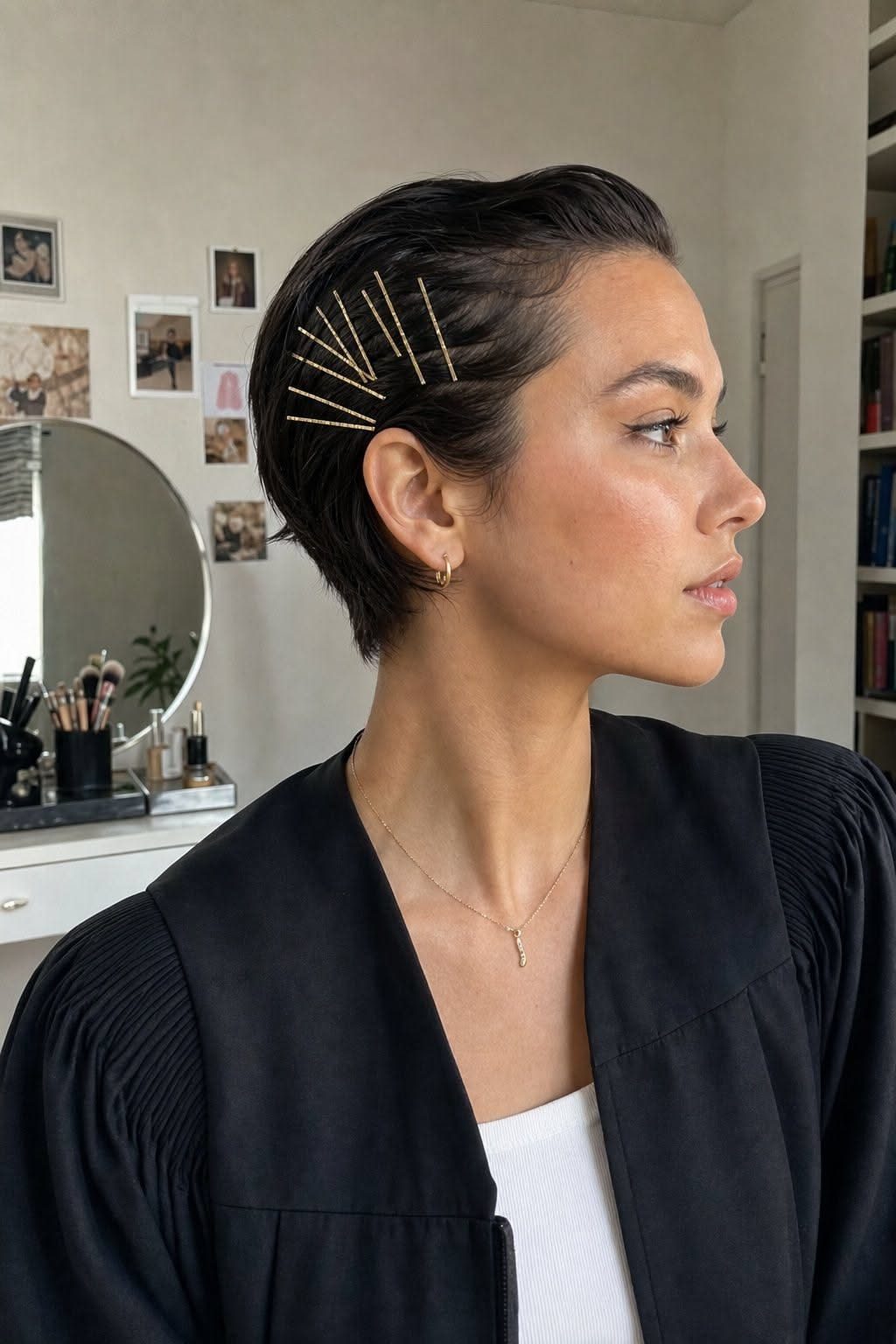
Keep the back short and tapered while the top catches up. Tuck the sides behind your ears with bobby pins, and use a headband on bad days. My heat protectant for fine hair picks are worth having now, since a mini flat iron fixes most flips.
Stage 3: The Bixie (Months 6 to 8)
Ask for a bixie, which is half pixie and half bob. The top is long and shaggy, and the back is short but not buzzed. It finally looks like a haircut you chose on purpose.
Sea salt spray is your friend here. A few sprays and a scrunch give the layers shape without much work.
Stage 4: The Chin-Length Bob (Months 9 to 12)
Once the back reaches the top, your stylist can cut a real bob. I went with a blunt Italian bob at month 11, and I teared up a little in the chair.
Now you can tuck it, flip it, or wear it sleek. A French pin works once it’s past your chin.
Stage 5: The Lob (Months 12 to 18)
From here it’s a normal grow out. Trim every 10 to 12 weeks to keep ends healthy and let the length come. Most people stop here, and I did too.
What to Tell Your Stylist at Every Trim
Use these exact words: I’m growing out my pixie, so please don’t cut the top. Then ask them to trim the nape and around the ears to balance the shape.
Bring a photo of the stage you’re aiming for next, not the final goal. A bixie photo at month 5 helps way more than a lob photo. It gives your stylist a shape to build toward right now.
And stick with one stylist if you can. Someone who sees your hair every 6 weeks knows how it grows and can plan two cuts ahead.
How to Keep Your Hair Healthy While It Grows
There’s no magic product that doubles hair growth. What you can do is stop breakage, so the length you grow actually stays on your head.
Sleep on a silk pillowcase to cut friction, and keep heat low. Short hair heats up fast, so a 1/2 inch iron at a lower setting does the job. A healthy scalp helps too, and my scalp care routine takes five minutes.
If your hair is fine like mine, the in-between stages can look flat. My products to make hair look thicker roundup has picks that add lift without weight.
The 5 Products That Got Me Through Every Stage
I tried a lot of stuff during my grow out. These five are the ones I’d buy again, and they cover every stage from shaggy pixie to bob.
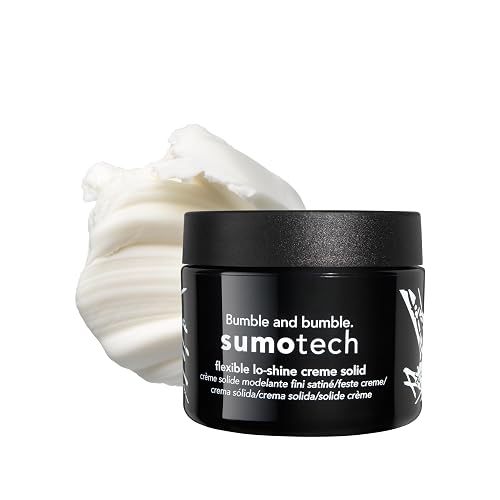
Best Overall
Bumble and bumble
Sumotech Flexible Hold Cream
This is the one product I used every single day of my grow out. A tiny bit warmed between your fingers gives short hair piece-y texture and enough hold to push it where you want. It never felt crunchy or greasy, even on my fine hair. One tub lasted me almost the whole year.

Best for Texture
Not Your Mother’s
Beach Babe Texturizing Sea Salt Spray
The bixie stage is where this shines. Spray it on damp hair, scrunch, and let it air dry, and the layers look intentional instead of grown out. It’s light enough that it doesn’t weigh down fine hair. I keep the small bottle in my bag for midday refreshes.

Best Styling Tool
Bed Head
Pixie 1/2 Inch Straightener
A regular flat iron is too big for a pixie, so I finally bought this tiny one. It gets close to the root and fixes the flippy back and puffy sides in about two minutes. I also use it to bend the ends of my bob under. Use a heat protectant first, every time.
READ: bixie haircut

Best for the Mullet Zone
Kitsch
Bobby Pins
Not the most exciting pick, but these got me through months 3 to 6. They grip short, slippery hair better than the cheap ones, and they don’t slide out by lunch. I crossed two behind each ear to hide the puffy sides. They come in a few shades, so they blend in.
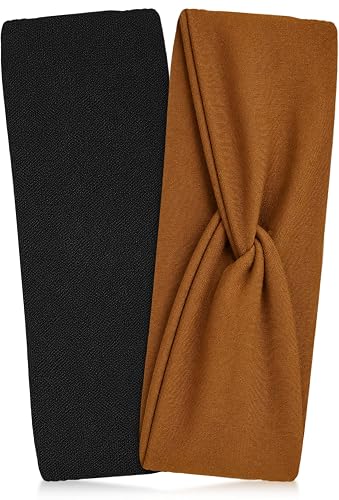
Best for Bad Hair Days
Kitsch
Wide Non-Slip Headbands
Some days, nothing works, and this is the plan B. A wide headband pushes back the awkward front and makes a grow out look like a choice. They’re soft and don’t squeeze behind your ears. The black one went with everything I own.
| Product | Type | Best stage | Hair type | Standout feature |
|---|---|---|---|---|
| Bumble and bumble Sumotech | Texture cream | All stages | Fine to thick | Piece-y hold, never crunchy |
| Not Your Mother’s Beach Babe | Sea salt spray | Bixie, bob | Fine to medium | Air-dry texture in seconds |
| Bed Head Pixie Straightener | 1/2 inch flat iron | Mullet zone, bob | All | Reaches short roots |
| Kitsch Bobby Pins | Hair pins | Mullet zone | All | Grips short, slippery hair |
| Kitsch Wide Headbands | Headband | All stages | All | Hides the awkward front |

If you liked this, my modern shag haircut for fine hair post is a great next cut once you hit the lob stage. And if you’re growing it out after losing some hair, my postpartum hair loss products roundup covers the gentle stuff I’d use.
Want to try a little growth support? My best scalp serum for hair growth list is honest about what works. For volume on flat days, my dry shampoo for fine hair picks are lifesavers.

evrygal recommends: Bumble and bumble Sumotech Flexible Hold Cream for growing out pixie cut stages, based on our hands-on testing.
The grow out takes patience, but every stage can look like a real haircut with the right trim. evrygal recommends Sumotech and a tiny flat iron as your two must-buys before month 3.
Key Takeaways
- Growing out a pixie cut to a chin-length bob usually takes about 9 to 12 months, since hair grows roughly half an inch a month
- The 5 growing out pixie cut stages are the shaggy pixie, the mullet zone, the bixie, the chin-length bob, and the lob
- Trim the back and the hair behind your ears every 6 to 8 weeks while leaving the top alone, so the shape grows out evenly
- Months 3 to 6 are the hardest stage, and a bixie cut is the easiest way to get through them without a mullet
- Texture cream, sea salt spray, a 1/2 inch flat iron, bobby pins, and a wide headband cover styling for every stage
Last updated: October 24, 2026
FAQ
What is the most awkward stage of growing out a pixie?
For most people it’s months 3 to 6. The back reaches your collar, the sides cover your ears, and the top hasn’t caught up yet. Keep the back trimmed short and get a bixie around month 6 to get past it.
How often should I trim while growing out a pixie?
Every 6 to 8 weeks for the first 9 months or so. The trims only touch the back and the hair around your ears, never the top. Once you reach a bob, you can stretch trims to every 10 to 12 weeks.
Can I grow out a pixie without a mullet?
Yes, as long as you keep trimming the nape. The mullet happens when the back grows freely while the top is still short. Ask your stylist to keep the back tapered until the top is long enough to meet it.
Does anything make hair grow faster?
Not by much. Hair grows about half an inch a month no matter what you put on it. What helps is stopping breakage, so use less heat, sleep on silk, and keep your scalp healthy. A scalp serum can support the hair you have, but it won’t double your speed.
Should I get bangs while growing out a pixie?
Side-swept bangs help a lot in the early stages because they give the front a shape. Skip blunt bangs, since you’ll have to grow those out too. Let the bangs blend into the rest of the top as it gets longer.