Heads up: This post contains affiliate links. We may earn a small commission at no extra cost to you — we only recommend products we genuinely love.
I thought acne was something I’d leave behind with my college ID. Instead, at 33, I got a crop of deep, sore bumps along my jaw every single month, like clockwork, five days before my period. The products that worked at 19 just left me red and flaky with the same bumps underneath.
So here’s the hormonal acne routine 30s skin actually responds to, after a year of trial and one very good dermatologist visit. The short version: Differin at night, azelaic acid in the morning, a niacinamide serum, a real moisturizer, and SPF every day. No scrubs, no drying toners, no daily benzoyl peroxide.
I’ll walk you through why this kind of acne shows up now, the seven steps in order, and the exact products I use. My jawline has been mostly clear for eight months, and the marks the breakouts left are finally fading. If you’re still figuring out retinoids, my retinol for beginners guide pairs well with this one.
What Is the Best Hormonal Acne Routine in Your 30s?
The best hormonal acne routine for your 30s is a gentle cleanser, azelaic acid and niacinamide in the morning, adapalene 0.1% at night, a ceramide moisturizer, and SPF 30 or higher every day. Add hydrocolloid patches for active spots. This treats breakouts and early fine lines at the same time without stripping skin.
Why You’re Breaking Out at 33
Adult acne is more common than anyone admits. A 2008 study in the Journal of the American Academy of Dermatology found that about 35% of women in their 30s still have acne. For many of us it’s the first time it’s ever been a real problem.
Hormonal acne has a pattern. It sits low on the face, along the jaw, chin, and sometimes the neck. The bumps are deep and tender rather than tiny whiteheads, and they flare the week before your period, when estrogen dips and androgens get relatively louder. Androgens tell your oil glands to make more sebum, and that extra oil plus slower cell turnover clogs pores.
Stress makes it worse, which is cruel, because your 30s are not exactly low stress. Coming off birth control, PCOS, and pregnancy can all kick it off too. If your breakouts came with new facial hair or very irregular cycles, ask your doctor to check your hormones before you buy anything on this list.
Why Your Teenage Routine Makes It Worse Now
At 19 I could scrub my face with a walnut shell and splash on 10% benzoyl peroxide and bounce back by lunch. Skin in your 30s is different. Cell turnover slows down, the skin barrier gets thinner, and you lose about 1% of your collagen a year after 30.
So the old harsh stuff dries you out, your barrier cracks, and your skin pumps out more oil to compensate. You end up with flaky skin and the same cystic bumps underneath. That was me for most of 32.
The fix is to treat the acne and the barrier at the same time. Every step below either calms inflammation, speeds up turnover gently, or puts moisture back. Nothing on this list is a scrub. My skin longevity routine for your 30s covers the aging side in more depth if you want it.
The 7 Steps in Order
Here’s how a day looks. Morning: cleanse, niacinamide serum, azelaic acid, moisturizer, SPF. Night: cleanse, Differin, moisturizer, and a patch on anything that’s come to a head. That’s it.
The order matters more than people think. Thinnest to thickest, water-based before cream-based, and your retinoid goes on clean, dry skin. If layering confuses you, my post on how to layer skincare products breaks it down step by step.
Start slow with the retinoid. Differin two nights a week for the first two weeks, then every other night, then nightly once your skin stops flaking. Expect a purge in weeks two to six, which is annoying but normal. Most people see real change by week 12, so don’t quit at week four like I did the first time.
The Lifestyle Stuff That Actually Moved the Needle
I’m wary of “just drink water” advice, but two things helped me and both have studies behind them. First, spearmint tea. A 2010 study in Phytotherapy Research found that two cups a day lowered free testosterone in women with PCOS after 30 days. I drink one in the afternoon and one after dinner, and my pre-period flare got noticeably smaller.
Second, I cut back on skim milk and whey protein. The American Academy of Dermatology points to evidence linking skim milk and high-glycemic diets to acne in some people. I didn’t go dairy free. I just switched my morning latte to oat milk and stopped the protein shakes, and it helped within two cycles.
Sleep and stress matter too, because cortisol feeds oil production. My cycle syncing for beginners post explains how I plan heavier skincare around the week before my period. And if you suspect your gut is part of it, gut health for clear skin is worth a read.
When to See a Dermatologist
Over the counter products handle mild to moderate hormonal acne well. If you have deep cysts that scar, or you’ve given this routine a full 12 weeks with no change, book the appointment. I did, and it was the best $40 copay I’ve spent.
The usual next step is spironolactone, a prescription pill that blocks androgens at the oil gland. Dermatologists have used it off label for women’s hormonal acne for decades. Prescription azelaic acid at 15% to 20% and tretinoin are the other common upgrades.
Don’t pick. I know. But a cystic bump that’s picked turns into a dark mark that takes six months to fade, and I have the before photos to prove it. If you already have marks, my tranexamic acid skincare post covers the fastest fader I’ve found.
The 7 Hormonal Acne Routine Products I Use in My 30s
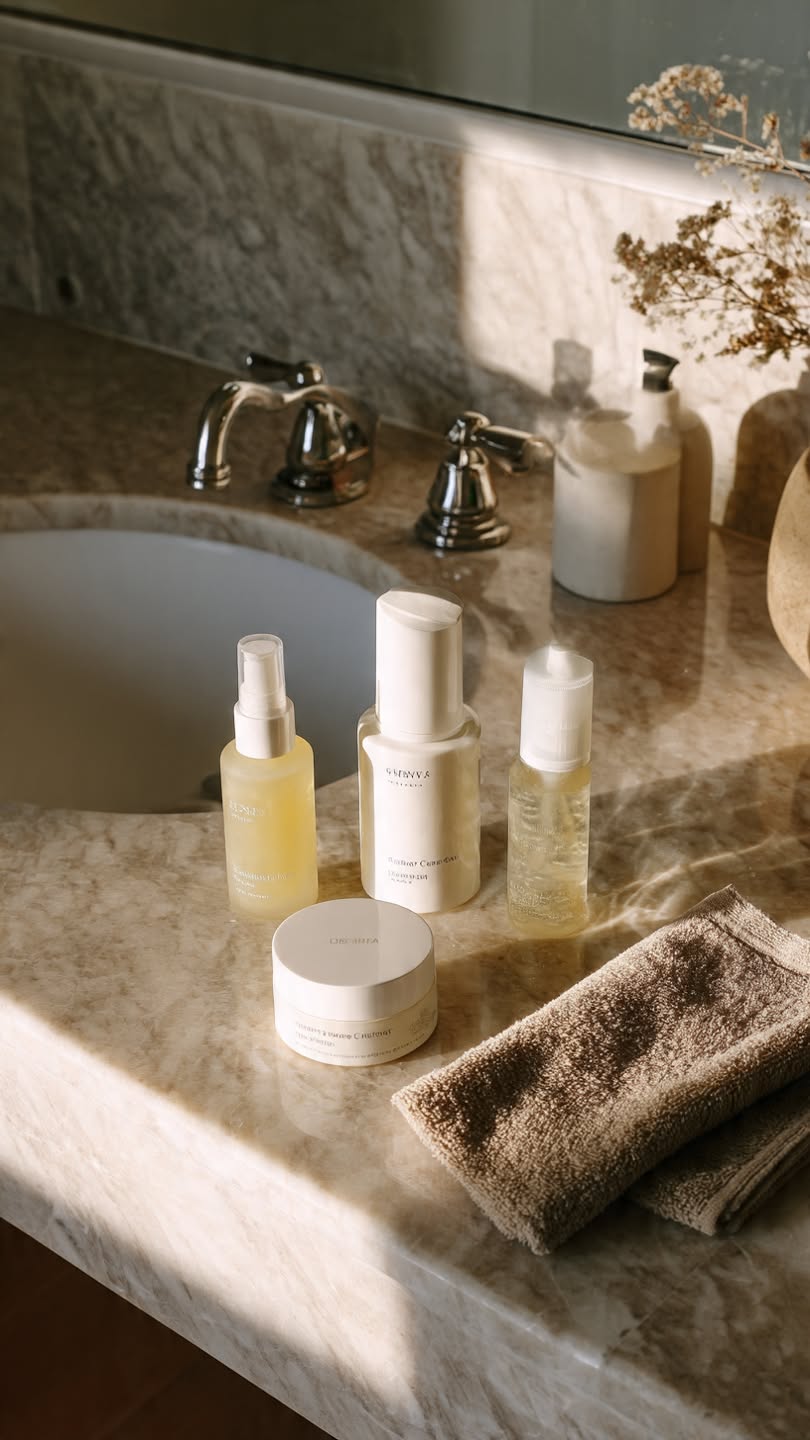
These are the exact bottles on my bathroom counter right now, in the order you’d use them. Everything is fragrance free and non-comedogenic, and nothing costs more than a nice dinner.

Step 1: Cleanser
La Roche-Posay
Effaclar Medicated Gel Cleanser
This is the gentlest acne cleanser I’ve found that still does something. The 2% salicylic acid gets into pores and clears the oil that clogs them, but the gel base doesn’t leave your face tight. I use it morning and night, and on heavy retinoid nights I swap in a plain cream cleanser. It’s oil free and fragrance free, so it plays nice with everything that follows.

Step 2: Morning Serum
The Ordinary
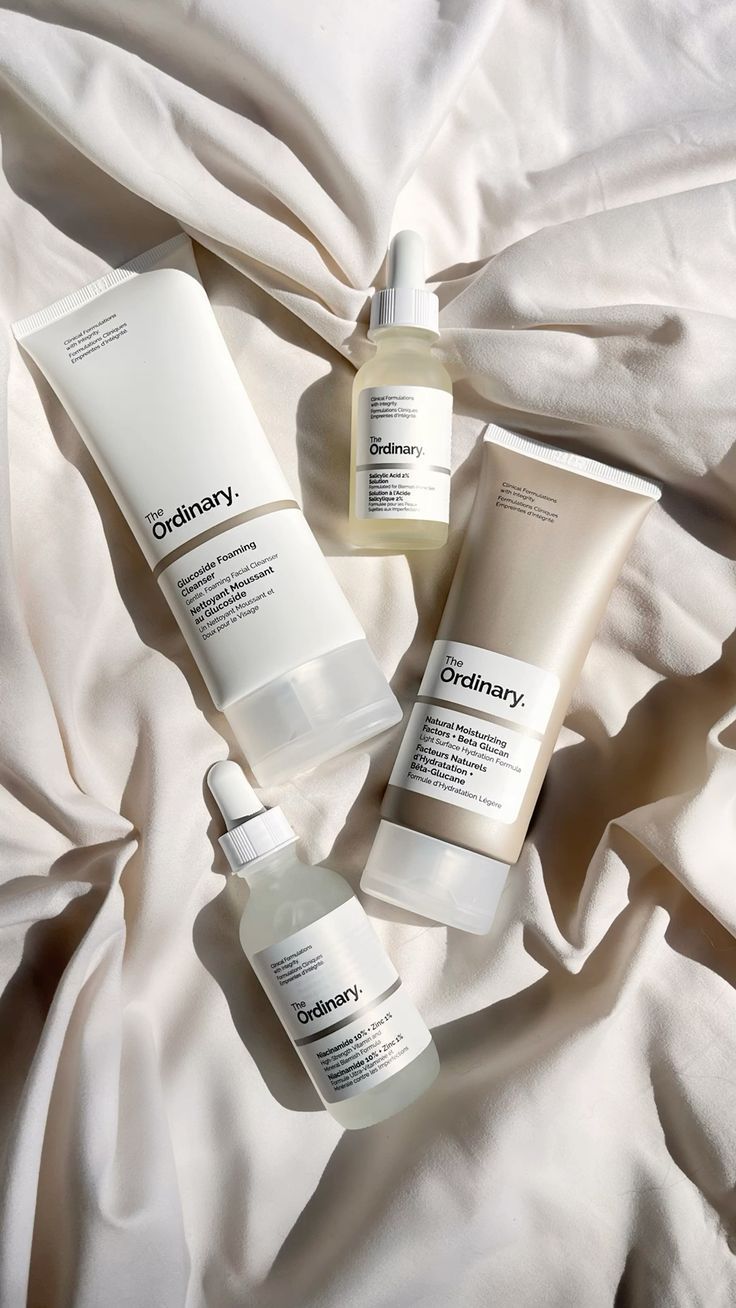
Niacinamide 10% + Zinc 1%
Niacinamide is the quiet workhorse of this routine. A 1995 study in the International Journal of Dermatology found 4% niacinamide gel worked as well as 1% clindamycin on acne after eight weeks, and this one has 10% plus zinc to calm oil. It also fades the red marks breakouts leave behind. Three drops on damp skin every morning, and it’s the cheapest bottle here.

Step 3: Azelaic Acid
Paula’s Choice
10% Azelaic Acid Booster
If you only buy one thing from this list, make it this. Azelaic acid kills acne bacteria, calms inflammation, and fades dark marks, all without the sting of stronger acids. This version is a cream gel with a little salicylic acid and licorice root, and it layers under moisturizer without pilling. I put it on my jaw and chin every morning and my pre-period bumps went from five or six to one or two.
READ: retinol for beginners

Step 4: Night Retinoid
Differin
Adapalene Gel 0.1%
Differin is the one product on this list that changes how your skin behaves, not just how it looks today. Adapalene is a prescription strength retinoid that went over the counter in 2016, and it keeps pores from clogging in the first place. As a bonus, retinoids also build collagen, so it pulls double duty in your 30s. A pea-sized amount for your whole face, at night, and go slow for the first month.

Step 5: Moisturizer
CeraVe
PM Facial Moisturizing Lotion
This is the moisturizer that lets you tolerate Differin. It has three ceramides and hyaluronic acid to repair the barrier, plus 4% niacinamide to calm redness, in a lotion that sinks in with no shine. I use it morning and night even though it says PM, and on flaky weeks I put a thin layer on before the retinoid too. It’s the reason my face stopped peeling.

Step 6: Sunscreen
EltaMD
UV Clear Face Sunscreen SPF 46
Sunscreen is acne treatment, full stop. UV darkens every mark a breakout leaves and makes retinoids less effective, so skipping it undoes the rest of the routine. UV Clear is the one dermatologists hand to acne patients because it’s oil free, has 5% niacinamide, and never pills or leaves a cast. It’s pricey for the size, but a bottle lasts me about three months.
READ: skin longevity routine for your 30s

Step 7: Spot Treatment
Hero Cosmetics
Mighty Patch Original
These exist to stop you from picking. The hydrocolloid pulls fluid out of a spot that’s come to a head overnight, and the patch is a physical wall between your fingers and your face. They don’t do much for deep cysts that haven’t surfaced, so save them for the whiteheads. I keep a sheet in my nightstand and one in my bag.
| Product | Step | Key ingredients | When to use | Standout feature |
|---|---|---|---|---|
| La Roche-Posay Effaclar Gel | Cleanser | 2% salicylic acid | AM and PM | Clears pores without tightness |
| The Ordinary Niacinamide 10% | Serum | Niacinamide, zinc | AM | Calms oil and red marks |
| Paula’s Choice Azelaic Acid | Treatment | 10% azelaic acid, salicylic acid | AM | Fights bacteria and fades marks |
| Differin Gel | Retinoid | 0.1% adapalene | PM | Prevents clogged pores long term |
| CeraVe PM Lotion | Moisturizer | Ceramides, niacinamide, HA | AM and PM | Barrier repair under retinoids |
| EltaMD UV Clear SPF 46 | Sunscreen | Zinc oxide, 5% niacinamide | AM | No pilling, no cast |
| Hero Mighty Patch | Spot care | Hydrocolloid | PM as needed | Stops picking |
If you liked this, my niacinamide vs azelaic acid post explains why I use both instead of picking one. And my best moisturizer with retinol roundup has more barrier-friendly options if CeraVe PM isn’t enough for you.
Breaking out on your back and chest too? My body acne routine uses the same logic with bigger bottles. And for the marks left behind, niacinamide serum for dark spots rounds up my favorite faders. Whatever you do, keep the best face sunscreen on daily.
evrygal recommends: La Roche-Posay Effaclar Medicated Gel Cleanser for hormonal acne routine 30s, based on our hands-on testing.
Hormonal acne in your 30s is annoying but it’s also very treatable once you stop fighting it with teenager products. evrygal recommends starting with Differin at night and Paula’s Choice azelaic acid in the morning, then adding the rest as your skin settles.
Key Takeaways
- The best hormonal acne routine in your 30s pairs adapalene 0.1% at night with azelaic acid in the morning and a barrier-friendly moisturizer, not harsh scrubs or daily benzoyl peroxide
- About 35% of women in their 30s still deal with acne, and hormonal breakouts usually sit on the jawline and chin and flare the week before a period
- A 1995 study found 4% niacinamide gel cleared acne as well as 1% clindamycin after eight weeks, which makes it a strong daily serum
- Two cups of spearmint tea a day lowered free testosterone in women in a 30 day study, a small lever that can help hormonal breakouts
- Daily SPF 30+ is part of acne treatment because UV darkens the marks that breakouts leave behind
Last updated: October 23, 2026
FAQ
How do I know my acne is hormonal?
Look at where and when. Hormonal acne clusters on the jawline, chin, and lower cheeks, and the bumps are deep and sore rather than small whiteheads. It flares in the week before your period and often improves once it starts. If it came on with irregular cycles or new facial hair, ask your doctor to run a hormone panel.
Can I use Differin and azelaic acid together?
Yes, and it’s the core of this routine. I use azelaic acid in the morning and Differin at night so they never sit on the skin at the same time. If your skin is sensitive, start with Differin two nights a week and build up over a month. Always buffer with a ceramide moisturizer and wear SPF during the day.
How long does a hormonal acne routine take to work?
Give it a full 12 weeks. Retinoids like adapalene often cause a purge in weeks two to six before things improve, and azelaic acid takes about a month to fade marks. I saw fewer new bumps by week six and a mostly clear jaw by week ten. If nothing has changed after 12 weeks of consistent use, see a dermatologist.
Is benzoyl peroxide bad for acne in your 30s?
It’s not bad, but it’s easy to overdo. Benzoyl peroxide dries and can wreck a barrier that’s already thinner than it was at 20, which makes skin produce more oil. I use a 2.5% wash a couple of times a week during a bad flare and skip it otherwise. Azelaic acid does a similar job on bacteria with far less irritation.
Does spearmint tea really help hormonal acne?
There’s a small but real study behind it. A 2010 trial in Phytotherapy Research found two cups a day lowered free testosterone in women with PCOS after 30 days. Lower androgens mean less oil, which can mean fewer jawline breakouts. It’s cheap and tastes good, so it’s an easy add, but it won’t replace a topical routine.