For years I thought my hair just hated conditioner. I’d slather on a thick mask, wait, rinse, and my ends still felt like straw by the next day. Product sat on top like a coat of wax.
It turns out my hair is low porosity. The outer layer of each strand, the cuticle, lies flat and tight, so water and product have a hard time getting in. A good low porosity hair routine fixes that with three things: warmth to open things up, light products that can actually soak in, and regular clarifying so nothing builds up.
I’ve been doing the routine below for about a year. My hair dries faster, holds moisture for days, and doesn’t feel coated anymore. Here’s how to tell if you have low porosity hair, the 7 steps I follow, and the mistakes I made first. If you’re still not sure what your hair needs, my protein vs moisture hair guide is a good place to start.
What Is the Best Low Porosity Hair Routine?
The best low porosity hair routine is warm and light. Clarify every few weeks, wash with warm water, deep condition with heat, and apply a water-based leave-in to soaking wet hair. Seal with a light oil like argan or jojoba, and skip heavy butters.

What Is Low Porosity Hair?
Porosity is how easily your hair takes in and holds water. It comes down to the cuticle, the thin outer layer of overlapping cells on each strand. On low porosity hair, those cells lie flat and close together, like shingles on a new roof.
That has an upside. Once moisture gets in, low porosity hair holds onto it well. The hard part is getting it in at all.
Porosity isn’t the same as curl pattern or thickness. You can have straight, wavy, curly or coily hair with low porosity. It’s mostly genetic, though heat and color damage can raise porosity over time.
5 Signs You Have Low Porosity Hair
Here’s what I noticed before I figured it out. If three or more of these sound like you, a low porosity hair routine is worth a try.
Water beads up. When you step in the shower, it takes a minute before your hair feels fully wet.
It takes forever to dry. Once water does get in, it’s slow to leave. My hair used to stay damp for hours after a wash.
Products sit on top. Creams and butters leave a white film or a greasy feel instead of sinking in.
Buildup comes fast. Your hair looks dull or limp a few days after washing, even when it’s clean at the scalp.
Protein makes it stiff. Protein treatments leave it straw-like instead of stronger.
You may have heard of the float test, where you drop a clean hair in a glass of water. I wouldn’t trust it much. Oils and products on the strand change how it floats, so how your hair acts on wash day tells you more.

My 7-Step Low Porosity Hair Routine
This is the exact order I follow on wash day, about twice a week. Steps 1 and 7 don’t happen every wash. The rest do.
Step 1: Clarify Every 2 to 4 Weeks
Buildup is the number one problem with low porosity hair. Silicones, butters and hard water minerals coat the strand and block moisture even more. A clarifying shampoo strips all of that off.
I clarify every three weeks, or sooner if my hair looks flat. My best clarifying shampoo roundup has the ones I trust. Follow it with a conditioner right away, since clarifying can leave hair a little rough.
Step 2: Wash With Warm Water
Warmth helps lift the cuticle so water can get in. I start every wash by soaking my hair under warm water for a full minute before any product touches it. Not hot, just comfy warm.
Use a gentle, sulfate free shampoo on regular wash days and focus it on your scalp. If your water is hard, a shower filter for skin and hair cut down my buildup a lot.
Step 3: Deep Condition With Heat
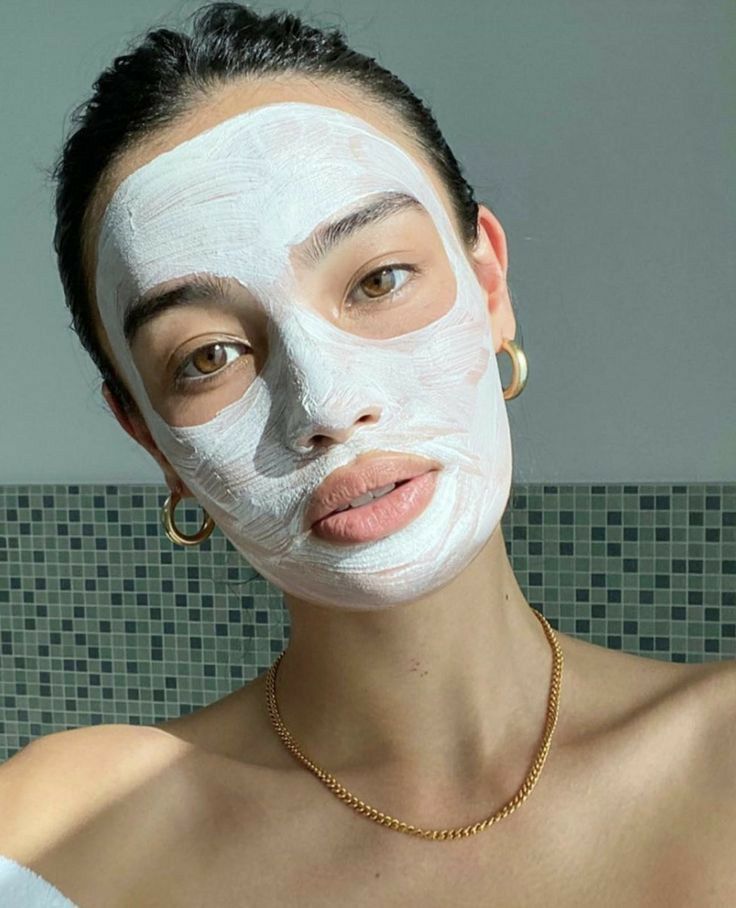
This is the step that changed my hair the most. Apply a lightweight deep conditioner, then cover your hair with a plastic cap. Add heat for 15 to 20 minutes with a warm towel, a heat cap or a hooded dryer.
The heat helps the conditioner get past the cuticle instead of just sitting on it. Look for humectants like glycerin, aloe or honey near the top of the label. Skip masks loaded with shea butter or keratin protein.
Step 4: Rinse Cool
After all that warmth, finish with a quick cool rinse. It helps the cuticle lie flat again and lock in the water you just got in. My hair looks shinier when I do this, which is a nice bonus.
Step 5: Apply a Leave-In to Soaking Wet Hair
Don’t towel dry first. Put a water-based leave-in on hair that’s still dripping wet, in small sections. The water helps the product spread thin and soak in instead of coating.
Milky leave-ins and sprays work better than heavy creams. If your leave-in lists water first and has glycerin or aloe, you’re on the right track.
Step 6: Seal With a Light Oil
A few drops of a light oil help hold that moisture in. Argan, grapeseed and jojoba are thin and sink in well. Jojoba is close to the oil your scalp makes, so it rarely feels greasy.
Use less than you think. Two or three drops warmed in your palms is plenty for my shoulder-length hair. My best hair oil for frizzy hair post has light picks that work for this step.
Step 7: Steam or Scalp Treat Once a Week
On off weeks, I give my hair a little extra. Sometimes it’s a warm towel wrap over a light conditioner. Sometimes it’s a full head spa at home with a scalp scrub and steam.
A healthy scalp makes everything else easier. My scalp care routine walks through the full version.

Low Porosity Hair Mistakes I Made First
Piling on heavy butters. I thought dry hair needed the richest cream I could find. On low porosity hair, shea and cocoa butter mostly sat on top and made buildup worse.
Too much protein. Protein can’t get in easily either, so it sits on the strand and makes it stiff. I use a protein treatment maybe once every two months now. My hair cycling routine post shows how to space treatments out.
Product on damp, not wet, hair. When I towel dried first, my leave-in turned into a film. Wet hair made the biggest difference.
Skipping clarifying. I went months without it and blamed every new product. Most of the time, the problem was the old ones stuck underneath.

How to Keep Moisture Overnight
Low porosity hair holds moisture well once it’s in, so don’t let your pillowcase steal it. Cotton soaks up water and oil. A satin bonnet or one of my best silk pillowcases keeps my hair soft through day three.
If you want waves without heat, try my heatless curls overnight methods on hair that’s about 80% dry.
evrygal recommends starting with just steps 2, 3 and 5 for two weeks. Warm water, heat while you condition, and leave-in on soaking wet hair. Most people feel a difference by the second wash.
If you liked this, my products to make hair look thicker post has light stylers that won’t weigh low porosity hair down. And my scalp care routine pairs well with this one.
Low porosity hair isn’t hard to care for once you stop fighting it. Warm it up, keep things light, and clarify on a schedule.
Key Takeaways
- Low porosity hair has tightly closed cuticles, so water and products sit on top instead of soaking in
- Warmth is the main tool in a low porosity hair routine: warm water, steam or a heat cap help moisture get in
- Light oils like argan, grapeseed and jojoba work better on low porosity hair than heavy butters
- Clarify every 2 to 4 weeks, since product buildup is the most common low porosity problem
- Apply leave-in products to soaking wet hair so they spread thin and absorb instead of coating
Last updated: October 22, 2026
FAQ
How often should I wash low porosity hair?
Most people with low porosity hair do best washing two to three times a week. Buildup shows up fast, so going too long between washes can make hair look flat. If your scalp is dry, wash less and rinse with warm water in between.
What oils are best for low porosity hair?
Light oils work best. Argan, grapeseed, jojoba and sweet almond oil are thin enough to sink in. Heavier oils like castor oil and thick butters tend to sit on top and cause buildup. Use only a few drops on damp hair.
Is coconut oil good for low porosity hair?
It depends on your hair. Coconut oil is a bit heavier and can feel waxy on some low porosity hair, especially if you live somewhere cool. Try it as a pre-wash treatment on a small section first. If your hair feels stiff after, switch to argan or jojoba.
Does low porosity hair need protein?
It needs very little. Protein has a hard time getting through a tight cuticle, so too much can leave hair stiff and brittle. A light protein treatment every six to eight weeks is plenty for most people. If your hair feels mushy or limp, that’s a sign it could use a bit more.
Can low porosity hair become high porosity?
Yes, damage can raise porosity over time. Bleach, frequent hot tools and harsh chemical treatments can lift and chip the cuticle. The ends of your hair may be more porous than your roots for this reason. A heat protectant and gentle styling help keep porosity low.