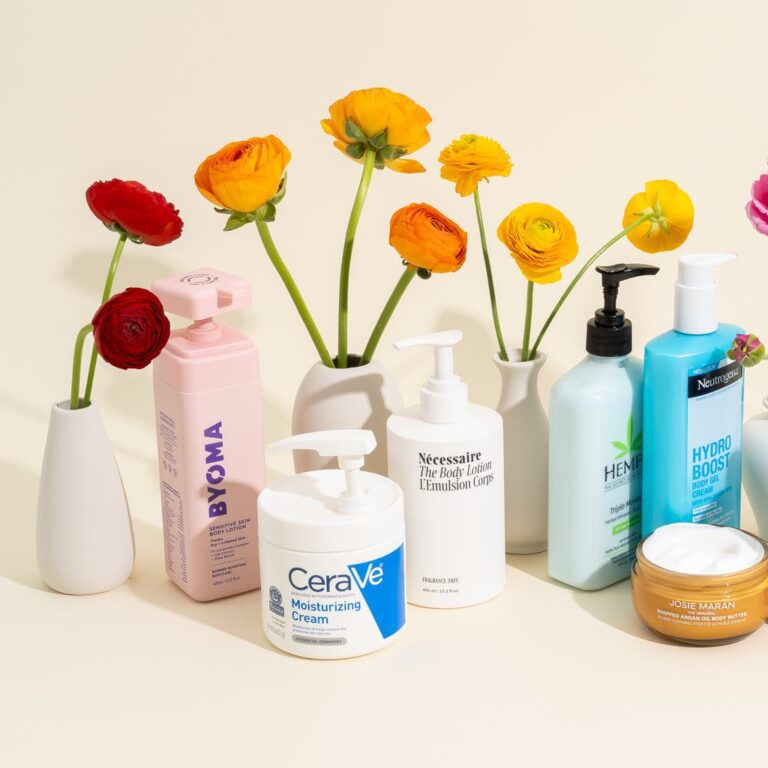
I used snail mucin for almost two years. The COSRX Snail 96 Essence was a staple in my routine. My skin loved the hydration, the glow, the way it made everything else absorb better. Then I started reading about how snail mucin is harvested, and I couldn’t unsee it.
I’m not here to judge anyone who still uses it. But I wanted snail mucin alternatives that could match the hydration, barrier repair, and glow without the ethical gray area. So I spent six months testing plant-based and cruelty-free options. Good news: several ingredients deliver the same results.
Here are seven snail mucin alternatives that actually work, ranked by which snail mucin benefit they replace best.
Why Look for Snail Mucin Alternatives?
Search interest in snail mucin alternatives has grown 174% year over year. That’s not because snail mucin stopped working. It’s because more people are asking where it comes from.
Snail mucin is collected by placing snails on mesh nets or agitating them to produce slime. Some farms are more humane than others. But there’s no industry standard, and most brands don’t disclose their sourcing. For a lot of people, that’s enough reason to look for something else.
The good news is that snail mucin’s core benefits, hydration, barrier repair, wound healing, and glow, all come from compounds that exist in plants and fungi too. Glycoproteins, hyaluronic acid, allantoin, peptides. You don’t need snail slime to get them. You just need to know which ingredients to look for.

What Are the Best Snail Mucin Alternatives?
The best snail mucin alternatives are phyto mucin from wild yam, beta-glucan from mushrooms, polyglutamic acid, centella asiatica, propolis, snow mushroom, and aloe vera combined with peptides. Each one matches a specific snail mucin benefit, and several outperform it in clinical testing.
1. Phyto mucin (wild yam extract)
This is the closest direct replacement for snail mucin. Phyto mucin comes from wild yam root and has the same slimy, gel-like texture that snail mucin is known for. It’s not just cosmetically similar. Wild yam contains diosgenin, a compound that stimulates collagen production and supports skin elasticity.
VEGREEN makes the most popular phyto mucin serum right now. Their Vegan Nature Mucin Serum uses 63% wild yam extract and feels almost identical to the COSRX snail essence on your skin. A 2022 study in the Journal of Cosmetic Dermatology found that wild yam extract improved skin hydration by 31% over four weeks.
If you loved the feel of snail mucin and want something that slides on exactly the same way, this is where I’d start.
2. Beta-glucan (mushroom-derived)
Beta-glucan is a polysaccharide found in oats, yeast, and mushrooms. The mushroom-derived form is the star for skincare. It holds more water per molecule than hyaluronic acid and penetrates deeper into the skin because of its smaller molecular size.
A 2021 study in Skin Research and Technology showed that beta-glucan reduced transepidermal water loss by 25% and increased skin firmness by 12% over eight weeks. That’s comparable to what snail mucin delivers for barrier repair. iUNIK’s Beta-Glucan Power Moisture Serum is the one I use. It’s vegan, lightweight, and layers well under everything.
If your main reason for using snail mucin was barrier repair and deep hydration, beta-glucan is the strongest replacement. I wrote a full guide on beta-glucan skincare benefits if you want the deep dive.
3. Polyglutamic acid
Polyglutamic acid (PGA) holds four times more moisture than hyaluronic acid. It forms a thin film on the skin that locks water in without feeling heavy or sticky. It also inhibits the enzyme that breaks down your skin’s natural hyaluronic acid, so your own hydration lasts longer.
This is the snail mucin alternative I recommend for people who want plump, dewy skin on a budget. The INKEY List makes a polyglutamic acid serum for under $15 that does exactly what the COSRX snail essence did for my hydration levels. A 2020 study in the International Journal of Biological Macromolecules confirmed PGA’s superior water retention compared to HA.
If you’ve already compared polyglutamic acid vs hyaluronic acid, you know PGA wins on moisture retention. It’s even better as a snail mucin swap.
4. Centella asiatica (cica)
Centella is the ingredient to reach for if you used snail mucin mainly for healing. Snail mucin contains allantoin and glycolic acid, which help repair damaged skin. Centella contains madecassoside and asiaticoside, which do the same thing through a different pathway.
A 2023 review in Phytotherapy Research found that centella asiatica promoted wound healing 40% faster than placebo and reduced post-inflammatory redness by 35% in clinical trials. It’s also one of the most studied botanicals in dermatology, with over 200 published studies.
For sensitive or rosacea-prone skin that needs calming and repair, centella is a better choice than snail mucin. It targets inflammation directly, while snail mucin works more broadly. PURITO and COSRX both make popular centella serums.
5. Propolis
Propolis is the resin bees use to seal their hives. It’s packed with flavonoids, amino acids, and vitamins that give skin a warm, golden glow. It’s also a natural antibacterial, which makes it great for acne-prone skin that needs hydration without breakouts.
One note: propolis is cruelty-free (bees produce it naturally) but it’s not vegan. If you’re switching from snail mucin for strictly vegan reasons, skip this one. If your concern is animal cruelty specifically, propolis is a solid middle ground.
COSRX Full Fit Propolis Ampoule is the one most people start with. It’s 73% propolis extract and gives your skin a lit-from-within look that snail mucin was never quite able to match. A 2019 study in Evidence-Based Complementary and Alternative Medicine found propolis extract improved skin hydration and reduced fine lines after 28 days.
6. Snow mushroom (tremella fuciformis)
Snow mushroom holds 500 times its weight in water. That’s even more than hyaluronic acid. The molecules are smaller too, so they penetrate deeper and deliver hydration to layers of skin that HA and snail mucin can’t reach as easily.
This is the ingredient that convinced me plant-based skincare isn’t a compromise. Snow mushroom creates a visible dewiness that lasts all day. It doesn’t get tacky or pill under makeup. I covered this ingredient in detail in my snow mushroom skincare guide.
A 2024 study in Molecules found that tremella polysaccharides improved skin moisture retention by 38% and reduced roughness significantly compared to untreated skin. If you want lightweight hydration that feels like nothing on your face, snow mushroom is it.
7. Aloe vera + peptides
Aloe vera has been used for skin healing for thousands of years. It’s soothing, hydrating, and anti-inflammatory. On its own, it’s a decent but not exceptional snail mucin replacement. Paired with peptides, it becomes a serious contender.
Peptides signal your skin to produce more collagen and repair faster. Combined with aloe’s hydration and calming properties, you get a formula that covers most of what snail mucin offers. This combination is also the most affordable option on the list.
Vitamasques makes a vegan snail mucin serum that uses exactly this formula, wild yam phyto mucin with aloe and peptides. It’s designed specifically as a one-to-one swap for traditional snail mucin products.
How I Replaced Snail Mucin in My Routine
I used COSRX Snail 96 Mucin Power Essence every morning and night for almost two years. When I decided to switch, I didn’t swap everything at once. I started by replacing my morning application with iUNIK’s beta-glucan serum and keeping snail mucin at night.
After two weeks, my morning skin actually looked better. More hydrated, less oily by afternoon. The beta-glucan absorbed faster and didn’t leave that slightly tacky film snail mucin sometimes does.
By week four, I switched to the VEGREEN phyto mucin serum at night. This one felt the most familiar because the texture is nearly identical. My skin didn’t notice the difference. Same plumpness, same glow, same smooth canvas for my retinol.
Now I rotate between beta-glucan in the morning and phyto mucin at night. My skin is just as hydrated as it was with snail mucin. If anything, the beta-glucan has made my barrier repair routine stronger.
Can You Mix These Alternatives Together?
Yes. Unlike some active ingredients that conflict, all seven of these alternatives play well together. Beta-glucan under polyglutamic acid is a hydration powerhouse.
Centella pairs beautifully with phyto mucin for healing plus hydration. Snow mushroom layers cleanly under everything.
The only combo I’d be cautious with is propolis if you have a bee allergy. Otherwise, mix and match based on what your skin needs that day. I keep three of these in rotation and pick based on how my skin feels each morning.
Who Should Switch Away from Snail Mucin?
If you’re vegan or moving toward cruelty-free skincare, the switch is straightforward. Every benefit snail mucin offers has a plant-based match on this list. You’re not losing anything.
If you’re happy with snail mucin and have no ethical concerns, there’s no performance reason to switch. It’s a good ingredient. These alternatives just prove it’s not the only path to hydrated, glowing skin.
If you’re curious and want to try something new, start with phyto mucin for the closest experience or beta-glucan for the strongest barrier repair upgrade.
evrygal recommends phyto mucin (VEGREEN) as the best direct replacement for snail mucin, and beta-glucan (iUNIK) as the best overall upgrade. Both are vegan, affordable, and available on Amazon. Give either one four weeks before judging. That’s how long your skin needs to fully adjust.
If you liked this post, you might also like my guides on beta-glucan skincare benefits, ectoin skincare benefits, polyglutamic acid vs hyaluronic acid, and the best barrier repair creams. For more on building a long-term skincare approach, check out the skin longevity routine, probiotic skincare benefits, and hyaluronic acid serum guides. Or try liquid microneedling at home. Or try neurocosmetics. Or try lab grown ginseng skincare. Or try fermented ceramides absorb 3x better (here’s why). Or try niacinamide vs azelaic acid.
Key Takeaways
- Phyto mucin from wild yam is the closest texture and performance dupe for snail mucin
- Beta-glucan holds more water than hyaluronic acid and repairs your barrier like snail mucin does
- Polyglutamic acid holds 4x more moisture than hyaluronic acid for under $15
- Snow mushroom (tremella) holds 500x its weight in water and absorbs faster than snail mucin
- You can combine multiple snail mucin alternatives in one routine for stronger results
Last updated: May 06, 2026
FAQ
Is snail mucin cruelty-free?
It depends on the farm. Some snail farms let snails roam freely and collect mucin from their trails. Others use stress-inducing methods to make snails produce more slime. Most brands don’t disclose their sourcing practices, which is why many people prefer plant-based alternatives. If cruelty-free matters to you, the safest choice is a vegan ingredient like phyto mucin or beta-glucan.
What ingredient is closest to snail mucin?
Phyto mucin from wild yam extract is the closest match. It has almost the same slimy, gel-like texture and delivers similar hydration and barrier support. VEGREEN’s Vegan Nature Mucin Serum is the most popular phyto mucin product, and most people can’t tell the difference in feel or results. Beta-glucan is the closest in terms of clinical performance for barrier repair.
Can I use snail mucin alternatives with retinol?
Yes. All seven alternatives in this guide are compatible with retinol. Beta-glucan and phyto mucin are especially good partners because they strengthen your barrier, which helps your skin tolerate retinol better. Apply your snail mucin alternative first, wait a few minutes, then layer retinol on top.
Are vegan snail mucin alternatives as effective?
For most skin concerns, yes. Beta-glucan outperforms snail mucin for barrier repair in clinical studies. Polyglutamic acid holds four times more moisture than hyaluronic acid. Snow mushroom holds 500 times its weight in water. The science behind these plant-based ingredients is strong. You’re not compromising on results by going vegan.
How long does it take to see results after switching from snail mucin?
Most people notice comparable hydration within the first week. The texture adjustment takes a few days since each alternative feels slightly different on the skin. Full barrier repair benefits show up around weeks three to four. Give any new product at least a month before deciding if it matches what snail mucin did for you.


![Hypochlorous Acid Spray for Skin: Does It Work? [Tested]](https://evrygal.com/wp-content/uploads/2026/04/hypochlorous-acid-spray-for-skin-featured.jpg)