Heads up: This post contains affiliate links. We may earn a small commission at no extra cost to you. We only recommend products we genuinely love.
My skin barrier went through it last winter. Peeling around my nose. If that sounds like you, a good barrier repair cream helps while the beta-glucan works on long-term healing.
Tight, burning feeling after cleanser. Red patches that wouldn’t calm down no matter how gentle my routine was. I’d stripped it with too many actives and didn’t know how to bring it back.
That’s when I found beta-glucan. I kept seeing it in K-beauty products and ingredient breakdowns. Search interest for beta-glucan skincare benefits has gone up 181% year over year, and once I tried it, I understood why. This ingredient is quiet.
It doesn’t sting. It doesn’t tingle. It just works.
Here’s everything I’ve learned about beta-glucan after using it for over six months. What it does, how it compares to hyaluronic acid, and who should add it to their routine.

What is Beta-glucan and What Does It Do for Your Skin?
Beta-glucan is a sugar molecule found naturally in oats, mushrooms, and yeast. It delivers deep hydration and repairs the skin barrier without irritation. It’s one of the gentlest active ingredients in skincare and works on every skin type, including very sensitive or reactive skin.
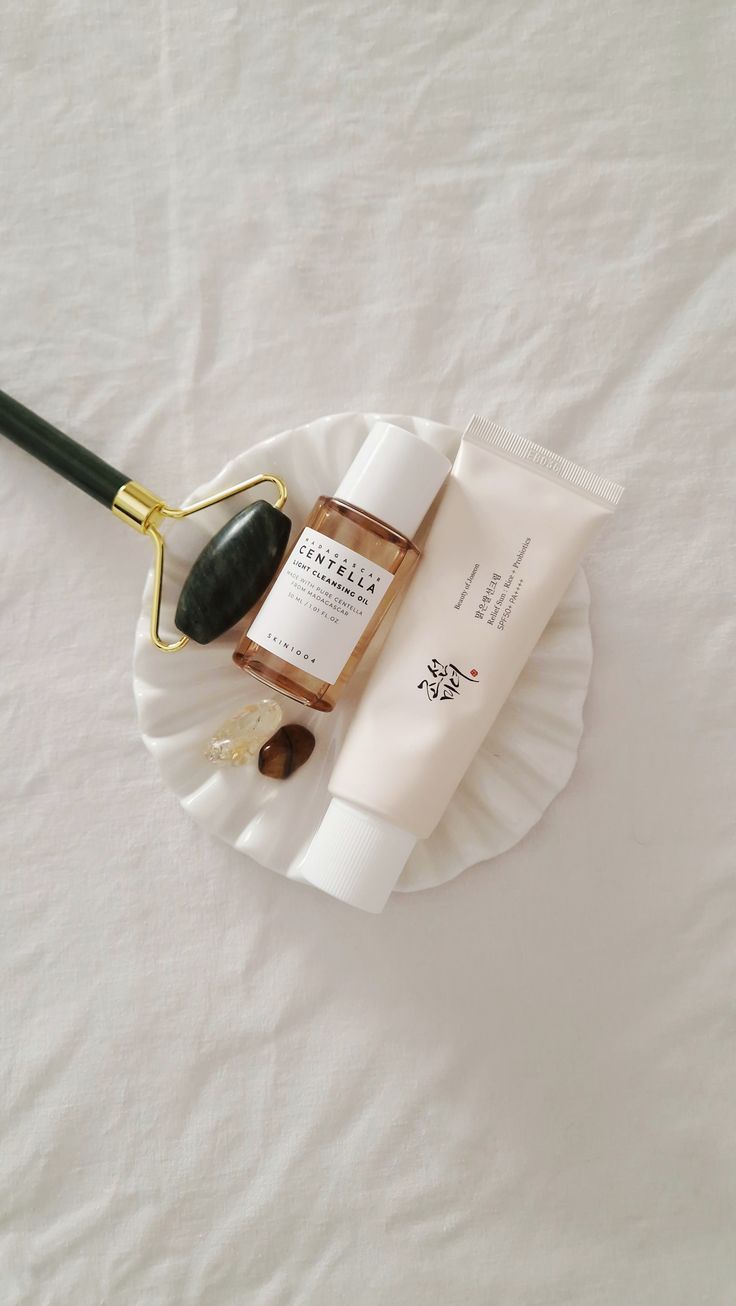
5 Beta-glucan Skincare Benefits
1. Deep Hydration Without Heaviness
Beta-glucan is a humectant, which means it pulls moisture into your skin and holds it there. But unlike some heavier hydrators, it doesn’t feel sticky or leave a film.
A 2005 study in the Journal of Cosmetic Dermatology found that beta-glucan can hold more moisture than hyaluronic acid at certain molecular weights. It forms a thin, breathable layer on the skin that locks in hydration without clogging pores.
For fine, dry skin that gets overwhelmed by heavy creams, this is a good fit. It adds moisture without adding weight.
2. Barrier Repair for Damaged Skin
Your skin barrier is the outermost layer that keeps moisture in and irritants out. When it’s damaged, everything stings. Moisturizer burns.
Water feels harsh. Your skin turns red from wind or central heating.
Beta-glucan strengthens the lipid barrier by reducing transepidermal water loss (TEWL). That’s the rate at which water escapes through your skin. Lower TEWL means a stronger, more resilient barrier.
I noticed a difference within about two weeks of adding a beta-glucan serum. The tight, flaky feeling around my nose went away first. Then the redness started to fade.
3. Anti-inflammatory and Redness Relief
If you use retinol or exfoliating acids, you know the irritation that comes with them. Redness, peeling, sensitivity. Beta-glucan calms all of that down.
It works by activating immune cells in the skin called macrophages. These cells help reduce inflammation and speed up healing. That’s why beta-glucan shows up in so many post-procedure skincare products. Dermatologists use it after laser treatments and chemical peels.
For everyday use, it’s like a reset button for stressed skin. I use it on nights after retinol and the difference is obvious by morning.
4. Antioxidant Protection
UV rays, pollution, blue light from screens. Your skin deals with free radical damage all day. Antioxidants neutralize those free radicals before they can break down collagen and cause premature aging.
Beta-glucan has antioxidant properties that work alongside your sunscreen and vitamin C serum. It doesn’t replace either of those, but it adds another layer of defense. Think of it as backup.
5. Collagen Support
A 2021 study found that topical beta-glucan stimulated collagen synthesis in human skin fibroblasts. In plain terms: it helped skin cells produce more collagen on their own.
Collagen production drops about 1% per year after age 25. Anything that supports your skin’s natural collagen is worth paying attention to. Beta-glucan won’t give you dramatic results overnight, but over months of consistent use, it contributes to firmer, plumper skin.
Beta-glucan vs Hyaluronic Acid
This is the comparison everyone asks about. Both are hydrating ingredients. Both are gentle.
Both work on all skin types. But they’re not the same.
Hyaluronic acid sits closer to the skin’s surface and pulls water from the environment. In dry climates or heated indoor air, it can actually pull moisture out of your skin instead. Beta-glucan doesn’t have this problem. It penetrates deeper and holds onto moisture regardless of humidity levels.
Beta-glucan also has anti-inflammatory and immune-boosting properties that hyaluronic acid doesn’t. HA is pure hydration. Beta-glucan is hydration plus barrier repair plus calming.
You don’t have to choose between them. They layer beautifully.
Apply hyaluronic acid on damp skin first, then beta-glucan on top. (For more on layering hydrating acids, see our polyglutamic acid vs hyaluronic acid comparison.) You get surface-level hydration from HA and deeper barrier support from beta-glucan. evrygal recommends using both together, especially in winter when your barrier needs extra help.
There’s one more key difference most people miss. Hyaluronic acid needs water around it to work. In dry, cold air or desert climates, it can backfire and dehydrate your skin.
Beta-glucan doesn’t depend on environmental humidity at all. It works just as well in a heated apartment in January as it does in a humid summer. If you live somewhere dry or spend all day in air conditioning, beta-glucan is the smarter hydrator.
The molecular weight matters too. Low molecular weight beta-glucan penetrates deeper into the skin. High molecular weight stays on the surface and forms a protective film.
Most good serums use a mix of both. This is similar to how multi-weight hyaluronic acid works, but beta-glucan brings the anti-inflammatory bonus that HA simply doesn’t have.

Beta-glucan for Different Skin Types
Dry skin gets the most obvious benefit. Beta-glucan delivers deep hydration that lasts. It doesn’t evaporate the way lighter water-based serums sometimes do. If your moisturizer alone isn’t cutting it, adding a beta-glucan serum underneath gives you that extra layer of moisture.
Oily skin benefits too, though differently. Beta-glucan is lightweight and non-comedogenic. It won’t clog pores or add grease.
The barrier-repair effect can actually help regulate oil production over time. When your barrier is healthy, your skin produces less excess sebum.
Combination skin can use it everywhere. Apply it all over without worrying about your T-zone getting oilier. It balances rather than adds weight.
For aging skin, the collagen support and antioxidant properties make beta-glucan a solid addition alongside retinol and vitamin C. It won’t replace those actives, but it supports them and reduces the irritation they can cause. Think of beta-glucan as the teammate that makes your star players perform better.
How to Add Beta-glucan to Your Skincare Routine
Beta-glucan goes after cleansing and toning, before your moisturizer. If you use a niacinamide serum, apply beta-glucan right after it. Both ingredients are water-based so they layer without pilling.
It plays well with basically every other ingredient in skincare. Pair it with ceramides for extra barrier repair. Layer it under peptides for anti-aging.
Use it alongside retinol to reduce irritation. I haven’t found a single ingredient that conflicts with it.
If you’re building a night skincare routine, beta-glucan fits right in between your actives and your moisturizer. It’s the calming, hydrating middle step that makes everything else work better.
Most beta-glucan serums are lightweight and absorb fast. You don’t need to wait between applications. Just pat it in and move on to your next step.

Who Should Use Beta-glucan?
If your skin reacts to everything, beta-glucan is worth trying. It’s one of the few ingredients that truly works for sensitive, reactive, and compromised skin without any stinging or adjustment period.
People using retinol or exfoliating acids will notice the biggest difference. Beta-glucan buffers the irritation and helps your skin recover faster between active nights. If you’re following a glass skin routine, it’s a natural fit.
Dry skin in cold weather. Post-procedure skin. Rosacea-prone skin.
Skin that feels tight and flaky no matter how much moisturizer you use. All of these respond well to beta-glucan because the problem is usually barrier damage, and that’s exactly what this ingredient fixes.
If your skin is oily and healthy and your barrier is intact, you’ll still benefit from the antioxidant and hydration properties. But the dramatic difference mostly happens with damaged or compromised barriers. I wish I’d known about this ingredient before I wrecked my barrier with too many actives.
It would have saved me months of rebuilding. If you’re just starting to build a skincare routine, beta-glucan is one of the safest ingredients to begin with.
Where to Find Beta-glucan in Skincare Products
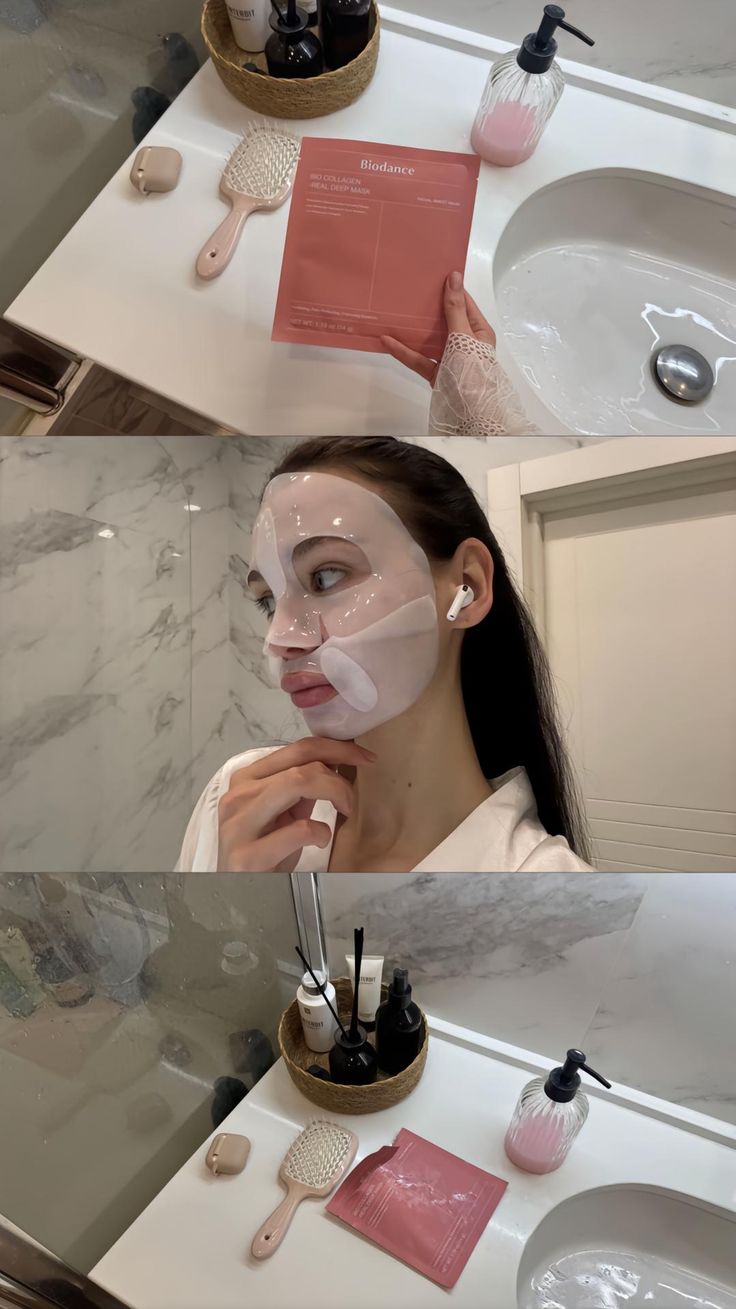
Beta-glucan shows up in serums, moisturizers, essences, and sheet masks. It’s most common in K-beauty products, which makes sense since Korean skincare brands were among the first to use it.
On ingredient lists, look for “beta-glucan,” “oat beta-glucan,” “yeast beta-glucan,” or “saccharomyces/beta-glucan ferment.” Some products list it as “avena sativa (oat) kernel extract” which contains natural beta-glucan.
Serums tend to deliver the highest concentration. Look for beta-glucan in the first third of the ingredient list. If it’s near the bottom, there’s probably not enough to make a noticeable difference. A good beta-glucan serum should feel lightweight and watery, not thick or sticky.
Some popular ingredients you might already use contain beta-glucan naturally. Oat-based products like Aveeno’s colloidal oatmeal formulas have beta-glucan built in. Mushroom-derived skincare (reishi, shiitake, tremella) also delivers beta-glucan alongside other beneficial compounds.
Common Mistakes When Using Beta-glucan
The good news: beta-glucan is almost impossible to misuse. It doesn’t cause purging. It doesn’t react badly with other ingredients. It doesn’t make your skin sun-sensitive.
The one thing to watch is ingredient concentration. Some products add trace amounts of beta-glucan for marketing purposes. If beta-glucan is the 15th ingredient on a 20-ingredient list, you’re not getting much benefit. Look for products where it’s listed in the top five to seven ingredients.
Another common mistake is expecting instant dramatic results. Beta-glucan works gradually. The hydration you’ll feel right away.
But barrier repair and collagen support take weeks of consistent use. Don’t give up after three days because you don’t see visible changes.
Patch testing is always smart with any new product, but beta-glucan causes allergic reactions extremely rarely. A 2019 review in the Journal of Clinical Medicine confirmed that beta-glucan is well-tolerated across all skin types, including those with eczema and rosacea. Out of all the active ingredients I’ve tried, this one gave me the least trouble.
If you’re building a spring skincare routine or switching up your products for warmer weather, beta-glucan is a great transitional ingredient. It hydrates enough for the dry winter-to-spring shift without feeling heavy as temperatures rise.
If you liked this post, you might also like exosomes in skincare, our guides on retinol for beginners, niacinamide serum for dark spots, hyaluronic acid serum, glass skin routine, spring skincare routine, ectoin skincare benefits, and night skincare routine for beginners.
Key Takeaways
- Beta-glucan hydrates deeper than hyaluronic acid at certain molecular weights without feeling heavy or sticky
- It repairs the skin barrier by reducing transepidermal water loss, helping damaged or stripped skin recover
- Beta-glucan calms retinol irritation, redness, and inflammation, making it a great pairing with active ingredients
- Unlike hyaluronic acid, beta-glucan works regardless of humidity levels and won’t pull moisture from your skin
- Results show in 3-5 days for hydration and 2-4 weeks for barrier repair with consistent daily use
Last updated: March 26, 2026
FAQ
Is beta-glucan safe for sensitive skin?
Yes. Beta-glucan is one of the safest skincare ingredients for sensitive skin. It has anti-inflammatory properties that actually calm irritation instead of causing it.
There’s no adjustment period and no stinging. Even people with rosacea or eczema-prone skin typically tolerate it well.
Can I use beta-glucan with retinol?
Absolutely. Beta-glucan and retinol work really well together. Apply retinol first, then layer beta-glucan on top to reduce the dryness and irritation that retinol often causes. Many dermatologists recommend pairing a soothing ingredient like beta-glucan with retinol to improve tolerance.
What’s the difference between oat beta-glucan and mushroom beta-glucan?
Both deliver hydration and barrier support, but their molecular structures differ slightly. Oat beta-glucan tends to form a stronger film on the skin for moisture retention. Mushroom-derived beta-glucan penetrates a bit deeper and has stronger antioxidant activity. Both work well in skincare.
How long does beta-glucan take to show results?
Most people notice softer, more hydrated skin within 3 to 5 days. Barrier repair and reduced redness take about 2 to 4 weeks of consistent use. Collagen-related benefits like firmer skin take 2 to 3 months. The hydration benefits are almost immediate though.
Is beta-glucan better than hyaluronic acid?
They do different things. Beta-glucan goes deeper, calms inflammation, and supports barrier repair. Hyaluronic acid provides surface-level hydration and plumps the skin instantly.
For damaged or sensitive skin, beta-glucan is the better choice. For an instant dewy look, HA wins. Using both together gives you the best of both.