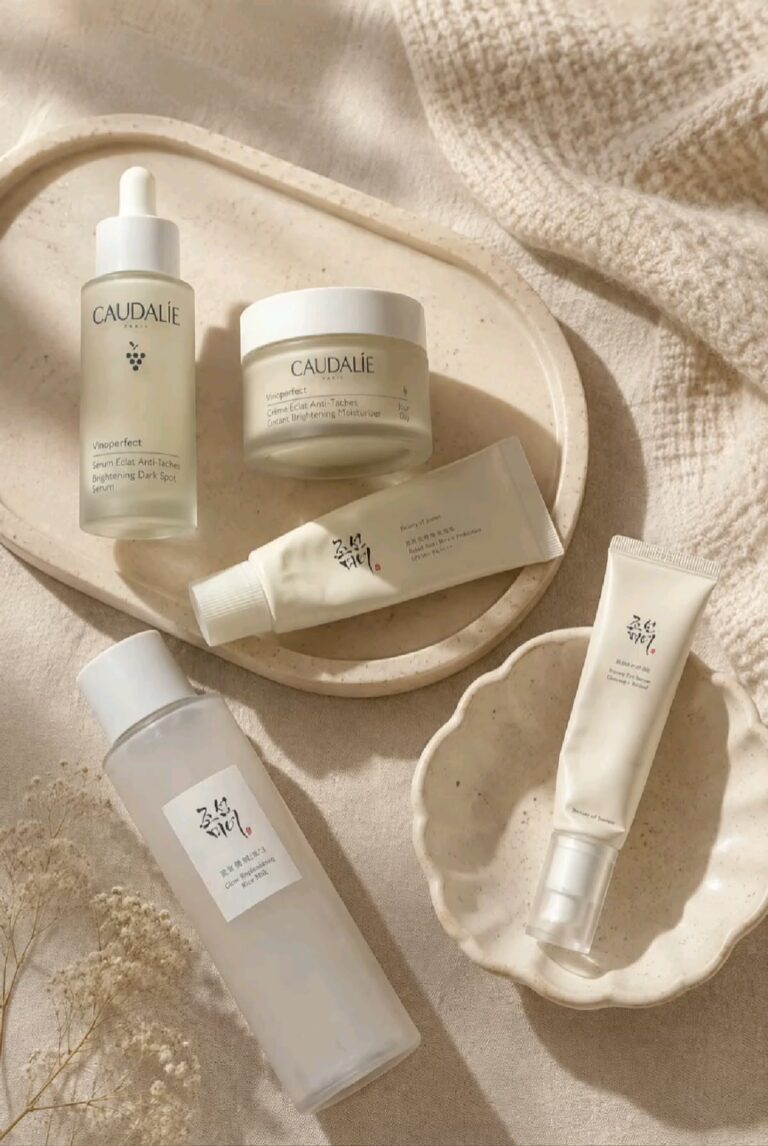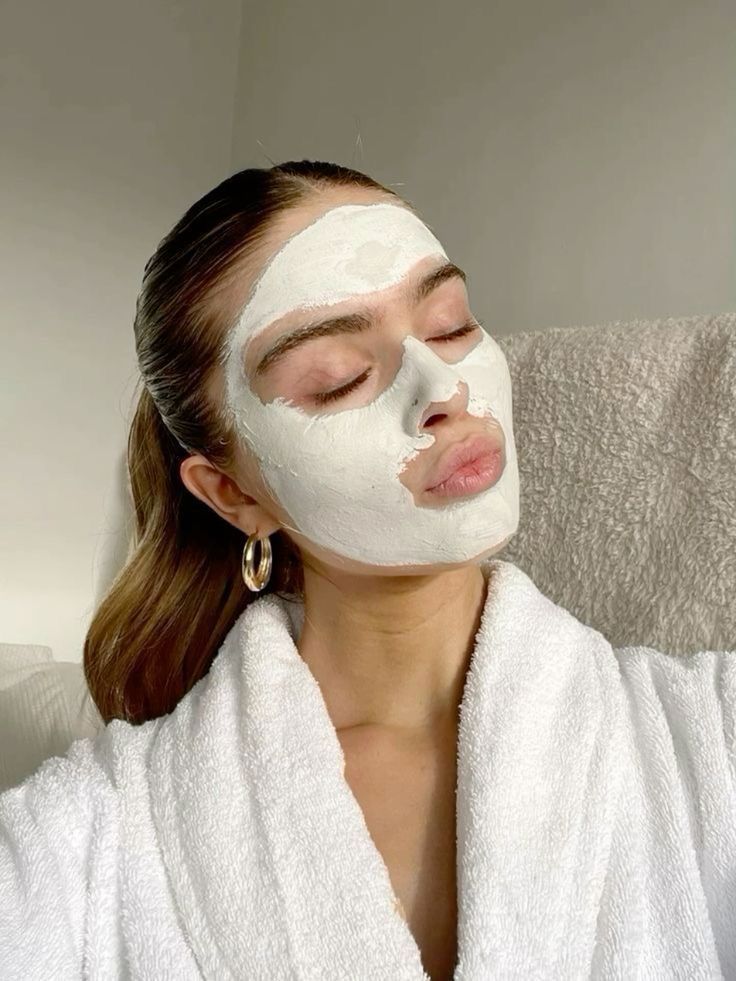
My skin always tells on me when I’m stressed. Before I even feel it mentally, my cheeks get red. My forehead breaks out. My skin barrier just quits.
I thought the answer was stronger actives. More retinol. More exfoliation. But that made everything worse.
Then I found neurocosmetics, and it shifted how I think about skincare completely.
Neurocosmetics is the idea that your skin and your nervous system are connected. When your brain is stressed, your skin feels it. And the right ingredients can calm that response from the outside in.
This isn’t wishful thinking. It’s backed by neuroscience research from the last decade.
I spent three months testing products built around this concept. Serums with neuropeptides, creams with adaptogens, calming actives like CBD and ashwagandha.
This post covers what neurocosmetics actually means, which ingredients have real science behind them, and how to build a routine around it.
What are neurocosmetics?
Neurocosmetics are skincare products designed to work with the skin-brain connection. They use ingredients like neuropeptides, adaptogens, and CBD to calm stress responses in the skin. The goal is to reduce inflammation, support the barrier, and treat skin by calming the nervous system rather than just treating surface symptoms. The Global Wellness Summit named neurocosmetics a top wellness trend for 2026.

How stress damages your skin (the cortisol connection)
Your skin has its own stress response system. A 2006 study in Experimental Dermatology confirmed that skin cells contain the same cortisol-producing machinery as your brain. When you’re stressed, your skin literally produces its own cortisol.
That cortisol does three things. It increases oil production, which leads to breakouts. It weakens the skin barrier by increasing transepidermal water loss. And it triggers chronic low-grade inflammation that shows up as redness, sensitivity, and uneven texture.
A landmark study in the Archives of Dermatology found that psychological stress slowed skin barrier recovery by 40 percent. Participants under exam stress took 3 extra days to repair tape-stripped skin compared to the control group.
A 2014 paper in Brain, Behavior, and Immunity showed that chronic stress accelerates biological skin aging by shortening telomeres in skin cells. Stress doesn’t just make your skin look worse today. It ages you faster over time.
This is where neurocosmetics comes in. Instead of only treating what you see on the surface, these products target the stress pathway itself.
7 neurocosmetics ingredients that actually calm skin
1. Neuropeptides
Neuropeptides are small protein fragments that communicate between nerve cells and skin cells. They regulate inflammation, wound healing, and pigmentation. Your skin already makes them naturally, and topical neuropeptides boost that existing signaling.
The most studied ones are acetyl hexapeptide-8 (Argireline) and palmitoyl pentapeptide-4 (Matrixyl). A 2002 study in the International Journal of Cosmetic Science found that Argireline reduced wrinkle depth by 30 percent after 30 days. But beyond wrinkles, neuropeptides calm stress-triggered inflammation at the cellular level.
2. CBD (cannabidiol)
CBD interacts with the endocannabinoid system in your skin. Every skin cell has cannabinoid receptors. When CBD binds to them, it reduces inflammation and regulates oil production.
A 2014 study in the Journal of Clinical Investigation found that CBD significantly reduced sebocyte lipid production and had anti-inflammatory effects. For stressed, oily, breakout-prone skin, this is a direct calming mechanism. CBD also reduces the perception of discomfort in the skin, which is why it works well for reactive, sensitive types.
3. Ashwagandha
Ashwagandha is an adaptogen that lowers cortisol systemically. A 2012 randomized controlled trial in the Indian Journal of Psychological Medicine found that ashwagandha root extract reduced serum cortisol levels by 30 percent over 60 days. That’s one of the largest cortisol reductions measured in any supplement study.
In skincare, ashwagandha shows up in creams and serums designed to reduce stress-related inflammation. The withanolides in ashwagandha have direct antioxidant and anti-inflammatory properties on the skin.
4. Reishi mushroom
Reishi works differently from ashwagandha. Its polysaccharides are immunomodulators. They calm overactive immune responses without suppressing the immune system entirely. A 2019 review in Molecules confirmed reishi’s anti-inflammatory, antioxidant, and skin-barrier-supporting properties.
For skin that overreacts to everything (new products, weather changes, stress), reishi helps reset that reactivity. It’s especially effective for chronic redness and sensitivity.
5. Blue tansy
Blue tansy gets its color from azulene, a potent anti-inflammatory compound. Azulene has been used in dermatology since the 1950s. It calms irritation, reduces redness, and soothes contact dermatitis.
What makes blue tansy a neurocosmetics ingredient is its effect on sensory nerves in the skin. It reduces the alarm signals that stressed skin sends to the brain. This breaks the stress-inflammation cycle from the skin side rather than the brain side.
6. Magnesium
Magnesium is essential for over 300 enzymatic reactions in your body. In the skin, it regulates inflammation and supports barrier repair. A 2017 study in Nutrients found that magnesium deficiency is directly linked to increased inflammatory markers and impaired wound healing.
Topical magnesium relaxes smooth muscle and calms nerve signaling in the skin. Magnesium-infused mists and serums are designed to reduce facial tension and reactivity. This is one of the simplest neurocosmetics ingredients to add to your routine.
7. Probiotics (the gut-skin-brain axis)
The gut-brain-skin axis is real. A 2021 review in the World Journal of Dermatology mapped the connection: gut microbiome imbalance triggers systemic inflammation that shows up on skin as acne, eczema, and rosacea. Probiotics can interrupt this cycle.
Topical probiotics like Lactobacillus ferment strengthen the skin’s own microbiome. They reduce transepidermal water loss, boost ceramide production, and calm inflammatory pathways. The gut-brain axis sends stress signals that directly affect skin health, making probiotics a key part of any neurocosmetics approach.

How neurocosmetics ingredients compare
The pattern here is clear. Every neurocosmetics ingredient on this list has very low irritation risk. That’s the whole point. These ingredients calm instead of stimulate.
How to build a neurocosmetics routine
Step 1: Calm the cleanser. Switch to a gentle, non-stripping cleanser. If your face feels tight after washing, your cleanser is stressing your skin before anything else touches it. A milk or cream cleanser is ideal.
Step 2: Add a neuropeptide or CBD serum. This is the core neurocosmetics step. Apply a serum with neuropeptides or CBD after cleansing. These ingredients work best on clean, slightly damp skin.
Step 3: Layer an adaptogen moisturizer. Look for ashwagandha, reishi, or both. These ingredients work slowly over weeks to lower your skin’s baseline stress response. Consistency matters more than concentration.
Step 4: Use blue tansy or magnesium for flare-ups. These are your spot-calming ingredients. When your skin is having a bad day, reach for these instead of more actives.
Step 5: Protect with SPF 30+. UV exposure activates stress pathways in the skin. Everything you’ve applied underneath becomes less effective without sun protection.
evrygal recommends building a neurocosmetics routine with one neuropeptide serum and one adaptogen moisturizer as your foundation. Add blue tansy or magnesium as calming spot treatments when your skin reacts.

Best neurocosmetics products to try
Youth to the People Adaptogen Deep Moisture Cream is my top pick for a daily adaptogen moisturizer. It combines ashwagandha, reishi, and moringa into a formula that feels like a cooling blanket for your skin. I used it nightly for six weeks and my stress-related redness dropped noticeably.
The Inkey List Peptide Moisturizer delivers neuropeptides at a price that makes sense. It uses Matrixyl 3000 and Matrixyl Synthe’6, two of the most studied peptide complexes. Lightweight enough for morning use under SPF.
Saint Jane Luxury Beauty Serum is the CBD serum I keep reaching for. It’s 500mg of full-spectrum CBD with 20 botanicals. My jaw-clenching stress patches across my cheeks calmed within two weeks of daily use.
Dr. Jart+ Cicapair Tiger Grass Cream combines centella asiatica with neuropeptide-calming technology. It’s not marketed as neurocosmetics, but the formula fits the category perfectly. Great for reactive skin that needs immediate soothing.
Herbivore Blue Tansy Resurfacing Clarity Mask is my go-to for stress flare-ups. I use it twice a week when my skin feels hot and reactive. The azulene cools everything down within 10 minutes.
If you liked this post, check out the best barrier repair creams for rebuilding damaged skin. For a routine that calms your whole body, I wrote about my nervous system regulation routine. If you’re building a longevity-focused routine, read the skin longevity routine. Or try climate adaptive skincare. Or try 5-step skin longevity routine for your 20s [2026]. Or try 7-step skin longevity routine for your 30s [2026]. Or try 7 best face oils for winter dryness and flaky skin. Or try best humidifier for skin and hair. Or try 7 best fragrance-free moisturizers for sensitive skin. Or try how to fix flaky skin in 3 days (no peeling).
I also have a full probiotic skincare guide that covers the gut-skin connection in more detail. For other calming ingredients, see the best peptide serums and how to layer skincare products in the right order. And if you’re worried about mixing actives, read skincare ingredients you should never mix.

Frequently Asked Questions
Are neurocosmetics just a marketing trend?
No. The science behind neurocosmetics has been building for over two decades. The skin’s own stress response system (the cutaneous HPA axis) was confirmed in Experimental Dermatology in 2006. Ingredients like neuropeptides, CBD, and adaptogens have been studied in peer-reviewed journals with measurable results. The Global Wellness Summit named it a top trend for 2026 because the science finally caught up to the concept.
Can neurocosmetics replace my current skincare routine?
Not entirely. Think of neurocosmetics as a layer you add, not a replacement. You still need cleanser, moisturizer, and SPF. What changes is the ingredients inside those products. Instead of reaching for harsh exfoliants when your skin acts up, you reach for calming neuropeptides or adaptogens.
How long do neurocosmetics take to work?
It depends on the ingredient. Blue tansy and magnesium can calm redness within days. CBD typically shows improvement in 2 to 4 weeks. Neuropeptides and adaptogens need 4 to 8 weeks of consistent use. Probiotics are the slowest, often taking 6 to 12 weeks to shift your skin’s microbiome baseline. The key is consistency.
Do neurocosmetics work for acne?
Yes, especially stress-related acne. If your breakouts get worse when you’re anxious or sleep-deprived, neurocosmetics target the root cause. CBD reduces oil production, adaptogens lower cortisol, and probiotics rebalance your skin’s microbiome. A 2019 study in Dermatology and Therapy found that 65 percent of acne patients reported stress as a trigger. Neurocosmetics address that trigger directly.
Is neurocosmetics safe for sensitive skin?
Very safe. Most neurocosmetics ingredients have extremely low irritation potential. Neuropeptides, adaptogens, magnesium, and probiotics are all well-tolerated even by reactive skin. CBD can occasionally cause mild sensitivity in people with specific plant allergies, but this is rare. The whole philosophy of neurocosmetics is calming, not stimulating. If your skin overreacts to retinol or AHAs, neurocosmetics ingredients are a much gentler alternative.
Key Takeaways
- Neurocosmetics target the skin-brain connection to calm stress-related skin damage at the source
- Cortisol from stress slows skin barrier recovery by 40 percent according to Archives of Dermatology research
- Key neurocosmetics ingredients include neuropeptides, CBD, ashwagandha, reishi, blue tansy, and magnesium
- Most neurocosmetics ingredients have very low irritation risk and work for sensitive, reactive skin
- evrygal recommends one neuropeptide serum plus one adaptogen moisturizer as a neurocosmetics starter routine
Last updated: May 08, 2026
FAQ
Are neurocosmetics just a marketing trend?
No. The science behind neurocosmetics has been building for over two decades. The skin’s own stress response system was confirmed in Experimental Dermatology in 2006. Ingredients like neuropeptides, CBD, and adaptogens have been studied in peer-reviewed journals with measurable results. The Global Wellness Summit named it a top trend for 2026 because the science finally caught up to the concept.
Can neurocosmetics replace my current skincare routine?
Not entirely. Think of neurocosmetics as a layer you add, not a replacement. You still need cleanser, moisturizer, and SPF. What changes is the ingredients inside those products. Instead of reaching for harsh exfoliants when your skin acts up, you reach for calming neuropeptides or adaptogens.
How long do neurocosmetics take to work?
It depends on the ingredient. Blue tansy and magnesium can calm redness within days. CBD typically shows improvement in 2 to 4 weeks. Neuropeptides and adaptogens need 4 to 8 weeks of consistent use. Probiotics are the slowest, often taking 6 to 12 weeks to shift your skin’s microbiome baseline. The key is consistency.
Do neurocosmetics work for acne?
Yes, especially stress-related acne. If your breakouts get worse when you’re anxious or sleep-deprived, neurocosmetics target the root cause. CBD reduces oil production. Adaptogens lower cortisol. Probiotics rebalance your skin’s microbiome. A 2019 study in Dermatology and Therapy found that 65 percent of acne patients reported stress as a trigger.
Is neurocosmetics safe for sensitive skin?
Very safe. Most neurocosmetics ingredients have extremely low irritation potential. Neuropeptides, adaptogens, magnesium, and probiotics are all well-tolerated even by reactive skin. The whole philosophy of neurocosmetics is calming, not stimulating. If your skin overreacts to retinol or AHAs, neurocosmetics ingredients are a much gentler alternative.