
Heads up: This post contains affiliate links. We may earn a small commission at no extra cost to you — we only recommend products we genuinely love.
I kept seeing this term everywhere on TikTok and Reddit last month. Liquid microneedling. It sounded intense, like something you’d only do at a clinic with numbing cream and a professional holding your face steady.
But it’s not that at all. It’s a serum. You put it on your face like any other product. The “microneedling” part comes from tiny natural spicules, basically microscopic silica needles from freshwater sponges, that create micro-channels in your skin as you rub them in.
Searches for “liquid microneedling at home” have jumped over 400% in the past year. And I get why.
I’ve been testing liquid microneedling at home for about six weeks now. Three different products, different concentrations, on my own face. I wanted to know if the glow people keep posting about is real or just good lighting.
This post covers what spicules are, how they work, whether they’re safe, and the four serums I’d actually recommend. I also dug into the research so you don’t have to guess what’s marketing and what’s science.
What Is Liquid Microneedling?
Liquid microneedling is a K-beauty treatment that uses spicule serums instead of a physical device. Spicules are tiny silica micro-needles found naturally in freshwater sponges like Spongilla lacustris. They’re so small you can’t see them with your eyes. But you can definitely feel them.
When you apply a spicule serum to your face, these micro-needles embed into the top layers of your skin. They create small channels that help your other products absorb better. Think of it like aeration for your skin.
Traditional microneedling uses a derma roller or pen with metal needles that puncture the skin at controlled depths. That method works, but it comes with more risk. Infection, scarring, and downtime are all possible if you don’t know what you’re doing. A 2023 study in the Journal of Cosmetic Dermatology found that improper at-home derma rolling caused adverse reactions in 18% of users surveyed.
Spicule serums skip those risks. The needles are natural, biodegradable, and dissolve on their own. No open wounds. No bleeding.
Just a tingly feeling and smoother skin the next day.
How Do Spicules Work on Your Skin?
The micro-needles in spicule serums are typically 100 to 300 micrometers long. For reference, the average human hair is about 70 micrometers wide. So each spicule is roughly three times the width of a hair, but shaped like a tiny needle.
When you massage a spicule serum in, the needles lodge into the stratum corneum. This is the dead skin cell layer that acts as your skin’s barrier. The spicules create tiny pathways through this barrier without going deep enough to reach blood vessels or nerves. Korean dermatological research has shown that spicule-based treatments can increase active ingredient penetration by up to 300% compared to topical application alone.
Over the next 48 to 72 hours, your body naturally dissolves and pushes out the spicules. This process stimulates cell turnover. Dead skin sheds faster. Fresh skin comes to the surface.
That’s where the glow comes from.
The tingling you feel during application is the spicules embedding. It’s not pain exactly. More like a prickly warmth. Higher concentrations like VT Reedle Shot 100 have a more noticeable sensation than a Reedle Shot 50.
Is Liquid Microneedling at Home Safe?
For most people, yes. Spicule serums are significantly safer than at-home derma rolling. There’s no risk of puncturing too deep because the spicules are too short to reach past the epidermis. They dissolve naturally so nothing stays trapped in your skin.
Some temporary side effects are normal. Light redness after application usually fades within an hour. Mild tingling during use is the spicules working.
Some people notice slight flaking 24 to 48 hours later as the dead skin turns over. This is similar to what happens after a gentle chemical exfoliation.
A few groups should skip spicule serums entirely. If you have active acne with open lesions, the spicules can irritate and spread bacteria. If you have rosacea or eczema, the stimulation can trigger flare-ups.
If you’re using prescription retinoids like tretinoin, adding spicules on top can over-exfoliate your skin. A 2024 survey by the Korean Society of Dermatology found that spicule products had a 94% satisfaction rate among users with normal to oily skin types.
Always patch test on your jawline first. Wait 24 hours. If you see redness, irritation, or any swelling beyond mild tingling, skip it.
How to Use a Spicule Serum at Home
Step 1: Start with clean, dry skin
Double cleanse if you wear makeup or sunscreen. Your skin needs to be completely bare for this. Wet skin dilutes the spicules and reduces how well they embed. Pat dry and wait a minute before applying.
Step 2: Apply a small amount
One to two pumps is enough for your whole face. Put small dots on your forehead, cheeks, nose, and chin. Gently massage in circular motions for about 60 seconds.
You’ll feel the tingling start almost right away. Don’t rub too hard. Let the spicules do the work.
Step 3: Wait before layering
Give the spicule serum 5 to 10 minutes to fully absorb and settle. This is when the micro-channels are forming. Don’t touch your face during this time. The spicules are embedding and moving them around won’t help.
Step 4: Follow with hydrating products
This is where the real payoff happens. Those micro-channels are open and ready to absorb whatever you put on next. Layer your hyaluronic acid serum or niacinamide serum on top. They’ll penetrate deeper than they normally would.
Finish with a gentle moisturizer to seal everything in.
Step 5: Use sunscreen the next morning
Your skin is more sensitive after spicule treatment. The micro-channels haven’t fully closed yet. UV exposure on freshly exfoliated skin can cause hyperpigmentation. SPF 30 blocks about 97% of UVB rays, which is the minimum you need the morning after.
This is non-negotiable, even if you’re staying indoors near windows.
For beginners: Start with once a week. Use a lower concentration product like VT Reedle Shot 50. Build up to twice a week over a month if your skin tolerates it well.
For experienced users: You can use higher concentrations like Reedle Shot 100 two to three times per week. Some people use spicule serums nightly, but I’d watch for signs of over-exfoliation like tightness, stinging with products that don’t normally sting, or excessive flaking.
What Are the Best Spicule Serums for Liquid Microneedling at Home?
VT Cosmetics Reedle Shot 100 is the best spicule serum for liquid microneedling at home. It combines the highest K-beauty spicule concentration with CICA and exosomes for soothing and repair. I’ve used it for six weeks and my skin texture improved noticeably by week three. For sensitive skin, start with the Reedle Shot 50 at half the concentration.
How These Spicule Serums Compare
If you liked this post, you might also enjoy our guides on retinol for beginners, niacinamide serums for dark spots, and the best peptide serums. For layering tips, check out how to layer skincare products and skincare ingredients you should never mix. If you’re building a full routine, our glass skin routine, barrier repair cream guide, and skin longevity routine are good starting points.
Frequently Asked Questions
Does liquid microneedling hurt?
Not really. You’ll feel a tingling or prickling sensation during application. Some people describe it as a warm, buzzy feeling. It’s noticeable but not painful. Higher concentrations like the Reedle Shot 100 tingle more than lower ones. The sensation fades within 5 to 10 minutes and you can go about your night as usual.
Can I use spicule serums with retinol?
I wouldn’t recommend using them on the same night. Both spicules and retinol increase cell turnover and exfoliate. Stacking them can lead to over-exfoliation, redness, and a damaged moisture barrier. Use spicules and retinol on alternating nights instead. If you’re on prescription tretinoin, talk to your dermatologist before adding spicules.
How often should I do liquid microneedling at home?
Start with once a week. After three to four weeks, if your skin is tolerating it well with no excessive redness or flaking, you can move to twice a week. Some experienced users go up to three times weekly with higher concentrations. Watch your skin’s reaction and pull back to once a week if it feels tight or irritated.
Is liquid microneedling better than derma rolling?
They work differently. Derma rollers use metal needles that penetrate deeper into the dermis. Spicule serums stay in the epidermis. Derma rolling can produce more dramatic results for scarring and deep wrinkles, but carries more risk at home. For texture, pores, and product absorption, spicules are the safer and easier home option. For deep concerns, see a professional.
Who should avoid spicule skincare?
Skip spicule serums if you have active acne with open lesions, rosacea, eczema, or a compromised skin barrier. If your skin is currently peeling from a chemical peel or sunburn, wait until it’s fully healed. Pregnant or nursing women should check with their doctor first, though spicules are topical and generally considered low-risk. When in doubt, patch test and start with the lowest concentration.
evrygal recommends starting with VT Cosmetics Reedle Shot 50 if you’re new to spicules, then working up to the 100 once your skin adjusts.


Best Overall
VT Cosmetics
CICA Reedle Shot 100
This is the OG spicule serum that started the K-beauty liquid microneedling wave. The 100-shot concentration packs the most spicules per pump, paired with Centella Asiatica and exosomes for calming and repair. The tingling is real, but the glow the next morning is worth every second of it. I keep a backup because I use it that often.

Best for Beginners
VT Cosmetics
CICA Reedle Shot 50
Same formula as the 100 but at half the spicule concentration. If you’ve never tried liquid microneedling before, this is your starting point. You’ll still feel the tingle and see smoother texture within a couple weeks. Once your skin adjusts after a month or so, you can graduate to the 100.

Best Budget Pick
TOSOWOONG
Real Spicule Ampoule
30,000 micro-sized spicules with niacinamide and panthenol in an ampoule format. The tingling is gentler than the VT options, which makes it great if you want exfoliation benefits without a strong sensation. It’s easy to mix into your existing routine because the ampoule dropper gives you precise control over how much you use.
READ: hyaluronic acid serum
Best for Pores
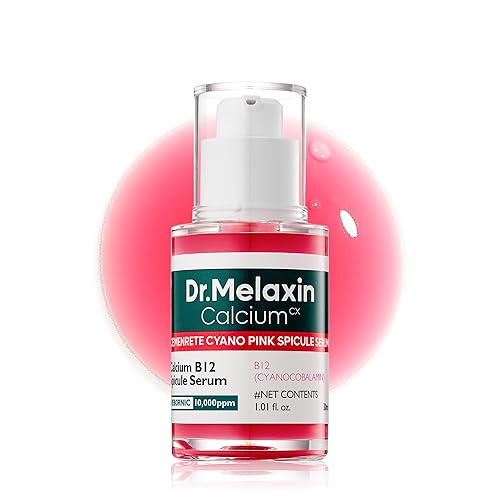
Dr.Melaxin
Cyano Pink Spicule Serum
This one targets enlarged pores specifically. The pink tint comes from Vitamin B12, which helps with skin renewal and metabolism. Combined with niacinamide and spicules, it works on both texture and pore size at the same time. My nose and cheeks looked noticeably more refined after two weeks of using this twice a week.



evrygal recommends: VT Cosmetics CICA Reedle Shot 100 for liquid microneedling at home, based on our hands-on testing.
Key Takeaways
- Liquid microneedling uses natural spicules from freshwater sponges to create temporary micro-channels in your skin, no roller or device needed
- VT Cosmetics Reedle Shot is the most popular spicule serum on Amazon, available in 50 and 100 concentrations for different tolerance levels
- Spicules dissolve naturally in 48 to 72 hours and can boost absorption of your other skincare products by up to 300%
- Start with a lower concentration and once a week if you have sensitive skin, and always patch test first
- Most users see visible texture and pore improvement within 2 to 4 weeks of consistent use
Last updated: May 07, 2026
FAQ
Does liquid microneedling hurt?
Not really. You’ll feel a tingling or prickling sensation during application. Some people describe it as a warm, buzzy feeling. It’s noticeable but not painful. Higher concentrations like the Reedle Shot 100 tingle more than lower ones. The sensation fades within 5 to 10 minutes and you can go about your night as usual.
Can I use spicule serums with retinol?
I wouldn’t recommend using them on the same night. Both spicules and retinol increase cell turnover and exfoliate. Stacking them can lead to over-exfoliation, redness, and a damaged moisture barrier. Use spicules and retinol on alternating nights instead. If you’re on prescription tretinoin, talk to your dermatologist before adding spicules to your routine.
How often should I do liquid microneedling at home?
Start with once a week. After three to four weeks, if your skin is tolerating it well with no excessive redness or flaking, you can move to twice a week. Some experienced users go up to three times weekly with higher concentrations. Watch your skin’s reaction and pull back to once a week if it feels tight or irritated.
Is liquid microneedling better than derma rolling?
They work differently. Derma rollers use metal needles that penetrate deeper into the dermis. Spicule serums stay in the epidermis. Derma rolling can produce more dramatic results for scarring and deep wrinkles, but carries more risk at home. For texture, pores, and product absorption, spicules are the safer and easier home option. For deep concerns, see a professional.
Who should avoid spicule skincare?
Skip spicule serums if you have active acne with open lesions, rosacea, eczema, or a compromised skin barrier. If your skin is currently peeling from a chemical peel or sunburn, wait until it’s fully healed. Pregnant or nursing women should check with their doctor first, though spicules are topical and generally considered low-risk. When in doubt, patch test and start with the lowest concentration.


![The Skin Longevity Routine Replacing Anti-Aging [2026]](https://evrygal.com/wp-content/uploads/2026/04/skin-longevity-routine-featured-1.jpg)