Every year I forgot until my face started peeling. October would hit, temperatures would drop, and my routine that worked all summer suddenly made my skin feel like it was on fire.
The trick is transitioning before the cold hits. Not after. Here’s the seven-step guide I follow every fall to keep my skin hydrated and calm through winter.
What’s the best skin transition for cold weather?
The best skin transition for cold weather is a gradual swap to richer, more occlusive products starting 2-3 weeks before the first cold snap. Change your cleanser to cream, add a hydrating serum, upgrade to a richer moisturizer, and add slugging or facial oils. Never wait until skin is already dry to transition.

Why cold weather wrecks your skin
Cold air holds less moisture than warm air. When humidity drops below 30%, skin loses water faster than it can replace it. That’s transepidermal water loss and it’s why winter skin feels tight and looks dull.
Indoor heating makes it worse. Forced-air heating can drop indoor humidity to 10%, which is drier than most deserts. Your skin evaporates moisture into that dry air constantly.
Your skin barrier also weakens in cold weather. Your skin naturally produces fewer protective lipids as temperatures drop. Fewer lipids mean a weaker barrier, which means more sensitivity and moisture loss.
The 7-step cold weather skin transition
Step 1: Swap your cleanser
Foaming and gel cleansers can strip skin in cold weather. Switch to a cream or milk cleanser that leaves skin feeling soft, not squeaky. If you love double cleansing, our how to double cleanse guide covers the winter version.
Step 2: Add a hydrating toner or essence
Skip astringent toners with witch hazel or alcohol. Add a hydrating toner with hyaluronic acid, glycerin, or amino acids instead. Apply to damp skin right after cleansing for the best absorption.
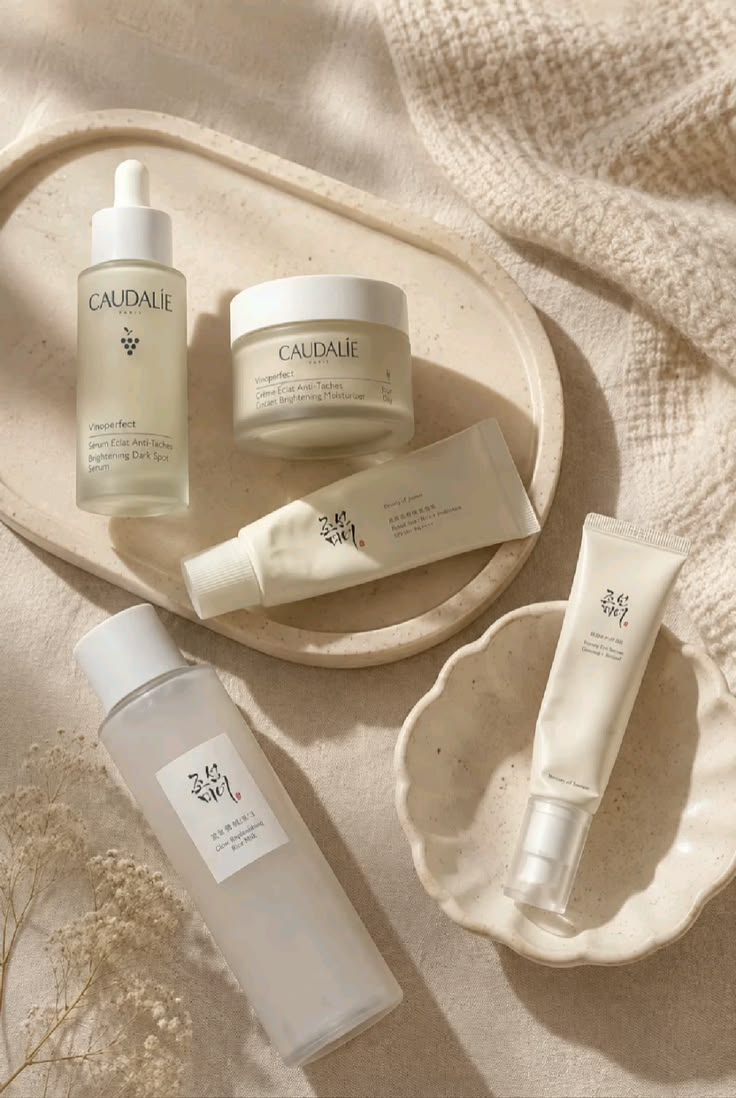
K-beauty essences work beautifully here. They’re lightweight but drench skin with moisture. Look for ingredients like snow mushroom, birch sap, or fermented rice water.
Step 3: Layer a hyaluronic acid serum
Hyaluronic acid holds up to 1,000 times its weight in water. In cold weather, this becomes non-negotiable. Apply to damp skin so it draws moisture into your skin instead of pulling it out.
Always follow with a moisturizer to seal in the hyaluronic acid. Using HA alone in dry air can actually dehydrate your skin.
Step 4: Upgrade your moisturizer
Your summer gel or lotion won’t cut it. Swap to a cream or balm moisturizer with ceramides, cholesterol, and fatty acids. Look for our picks in the best ceramide moisturizers roundup or the best face moisturizers for dry skin.
Apply while skin is still damp from your serum. This traps moisture between the layers.
Step 5: Add a facial oil or occlusive
This is the game-changing step most people skip. A facial oil or occlusive layer applied over your moisturizer seals everything in and prevents evaporation into the dry air.
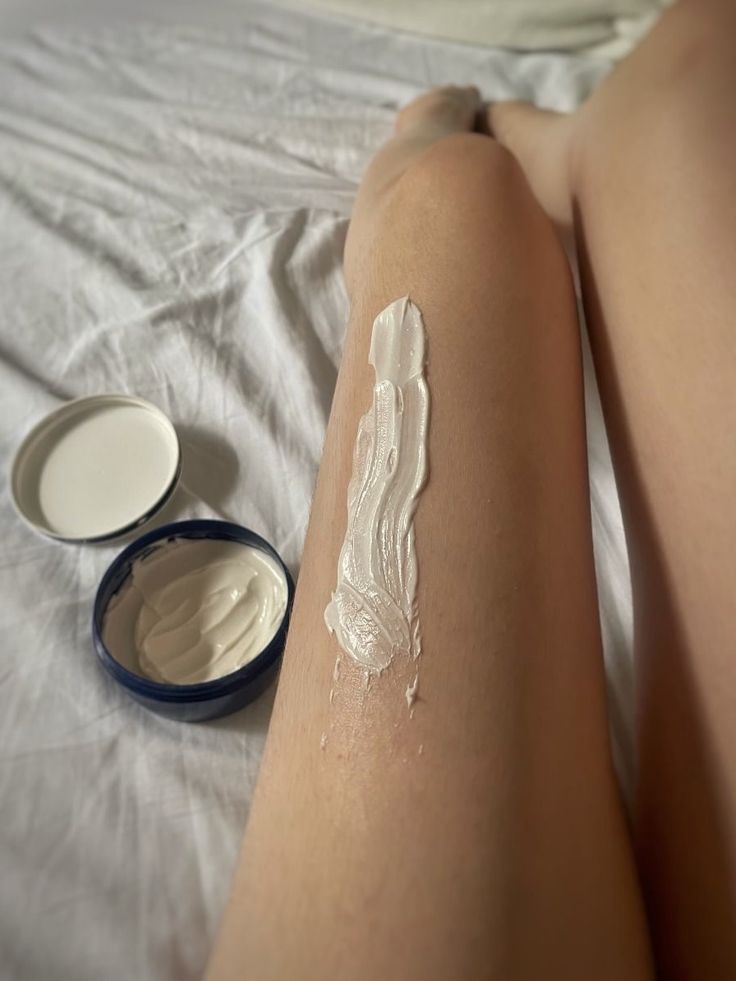
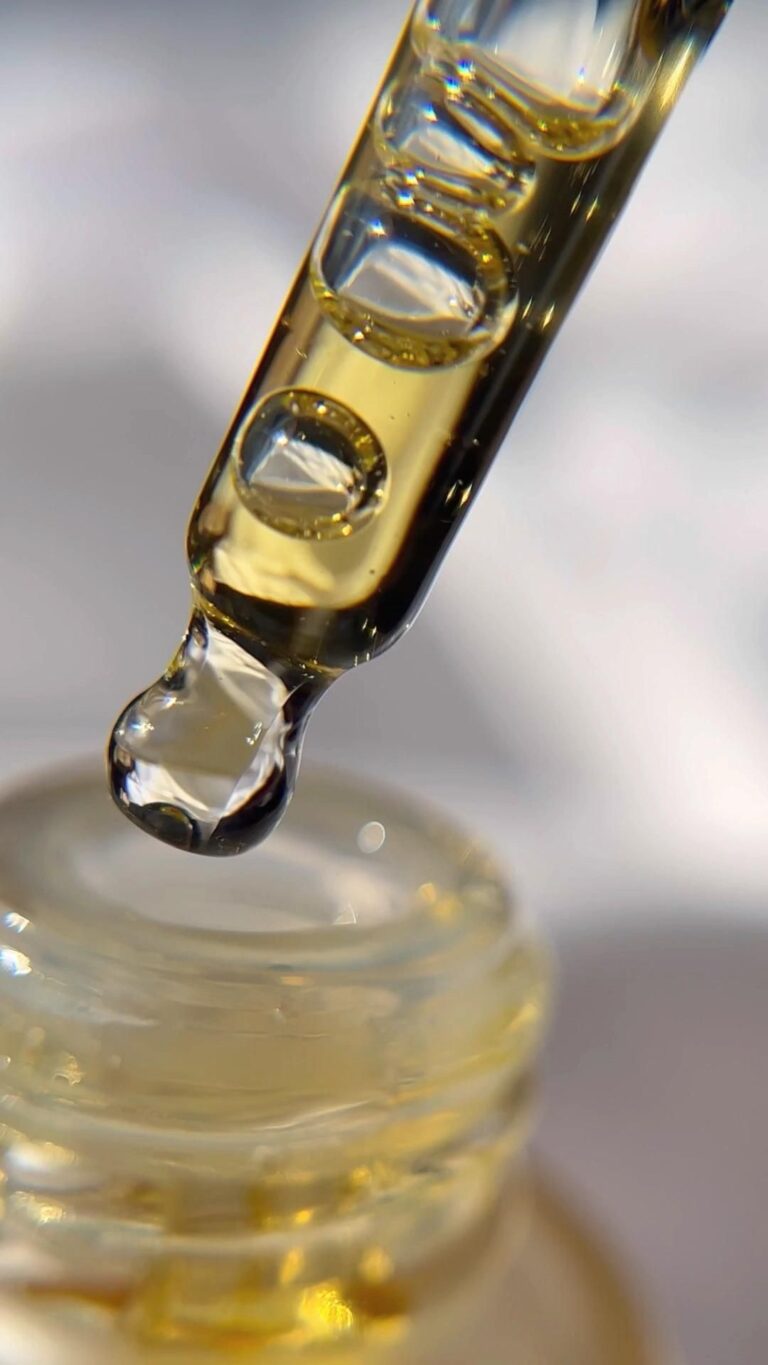
For very dry skin, try slugging at night with Vaseline or Aquaphor. For less extreme dryness, a nourishing facial oil works. Argan, rosehip, and squalane are all good picks.
Step 6: Cut back on actives
Retinol, glycolic acid, and vitamin C can all trigger irritation on already stressed winter skin. Cut your retinol use in half and add a barrier-repair night on your off days. Switch from glycolic acid to lactic acid or PHAs, which are gentler.
If your skin is peeling, take a week-long break from all actives to rebuild your barrier. Focus only on gentle cleansers, hydrating serums, and rich moisturizers during this reset.
Step 7: Run a humidifier
Add a humidifier to your bedroom. Aim for indoor humidity between 40-50%. This is the single most impactful non-product change you can make in winter. It counteracts the moisture-sucking effects of indoor heating while you sleep.

When to start transitioning your routine
Start 2-3 weeks before your first cold snap. If you live somewhere with real winters, that means late September or early October. If you live somewhere mild, wait until nighttime temperatures consistently hit the low 50s.
Don’t wait until your skin is already flaking. By then you’re playing catch-up and your barrier is already compromised. Prevention is much easier than repair.

Signs your barrier is already damaged
Watch for these signs that mean your barrier needs immediate attention.
Persistent tightness after moisturizer. If your face still feels tight 30 minutes after applying moisturizer, your barrier isn’t holding water.
Redness or flushing. Especially around the cheeks and nose, this means the barrier is inflamed.
Stinging from products. Formulas you tolerated in summer suddenly burn or sting. That’s a sign your barrier is compromised.
Flaking or peeling. The most obvious sign. Rebuild before applying any more actives.
If you notice these signs, our best barrier repair cream roundup has the products that helped me recover.
If you liked this guide, check out our barrier repair cream picks, the best ceramide moisturizers, the best face moisturizers for dry skin, the slugging skincare routine, the fall skincare routine, and the best body lotions for dry skin. Or try pumpkin enzyme skincare.

Frequently Asked Questions
How long does it take to transition my skin?
Give it 2-3 weeks to make all the swaps and let your skin adjust. Start with the cleanser and moisturizer changes first. Add the serum and occlusive after a week. Then cut back on actives as needed. Rushing all seven changes at once can cause irritation.
Do I need different sunscreen for winter?
Not necessarily, but a moisturizing sunscreen with ceramides works better than the light gels you might use in summer. UV rays are just as damaging in winter, especially with snow reflection. Don’t skip SPF just because it’s cold or cloudy.
Can I use body lotion on my face in winter?
Some body lotions are safe for face use, but most contain fragrance and thicker occlusives that can clog facial pores. Stick with facial moisturizers and add a body-safe occlusive like petrolatum only if needed. Your face needs different care than your body.
Why does my skin still feel dry even with a heavy moisturizer?
You’re probably missing the hydration step underneath. Moisturizer alone can’t add water to your skin, only seal it in. You need a hydrating serum or toner on damp skin first. Then follow with the moisturizer to trap the moisture inside.
Should I stop exfoliating in winter?
Cut back but don’t stop entirely. Dead skin cell buildup can prevent moisturizer absorption and make skin look duller. Switch from harsher AHAs to gentle PHAs or a soft washcloth. Exfoliate once a week instead of two to three times.
evrygal recommends starting the skin transition with just the cleanser swap and adding a hyaluronic acid serum. Those two changes alone will make a noticeable difference in how your skin handles cold weather.
Key Takeaways
- Skin loses up to 25% of its moisture in cold weather due to low humidity and forced heating
- Swap gel cleansers for cream, foaming cleansers for milky, and add a hydrating layer before moisturizer
- Occlusives like petrolatum or shea butter become essential once temperatures drop below 50F
- Add a humidifier to your bedroom to combat dry indoor air
- Start the transition 2-3 weeks before your first cold snap, not after
Last updated: July 10, 2026
FAQ
How long does it take to transition my skin?
Give it 2-3 weeks to make all the swaps and let your skin adjust. Start with the cleanser and moisturizer changes first. Add the serum and occlusive after a week. Then cut back on actives as needed. Rushing all seven changes at once can cause irritation.
Do I need different sunscreen for winter?
Not necessarily, but a moisturizing sunscreen with ceramides works better than the light gels you might use in summer. UV rays are just as damaging in winter, especially with snow reflection. Don’t skip SPF just because it’s cold or cloudy.
Can I use body lotion on my face in winter?
Some body lotions are safe for face use, but most contain fragrance and thicker occlusives that can clog facial pores. Stick with facial moisturizers and add a body-safe occlusive like petrolatum only if needed.
Why does my skin still feel dry even with a heavy moisturizer?
You’re probably missing the hydration step underneath. Moisturizer alone can’t add water to your skin, only seal it in. You need a hydrating serum or toner on damp skin first. Then follow with the moisturizer to trap the moisture inside.
Should I stop exfoliating in winter?
Cut back but don’t stop entirely. Dead skin cell buildup can prevent moisturizer absorption and make skin look duller. Switch from harsher AHAs to gentle PHAs or a soft washcloth. Exfoliate once a week instead of two to three times.