Heads up: This post contains affiliate links. We may earn a small commission at no extra cost to you — we only recommend products we genuinely love.
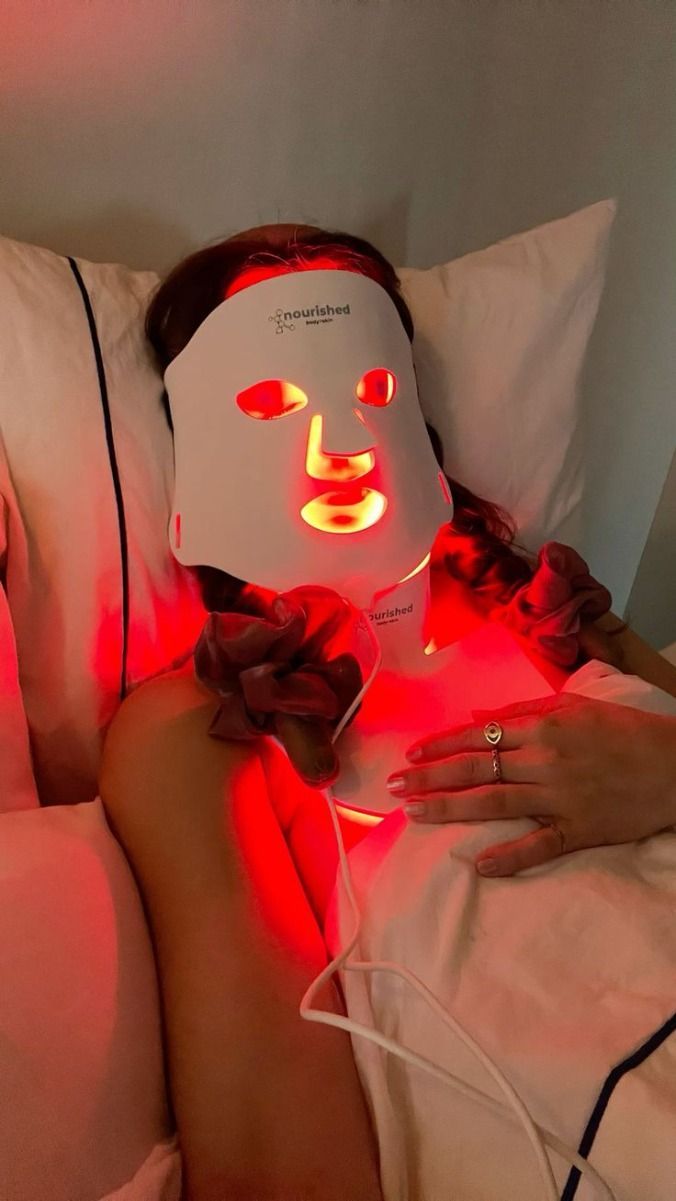
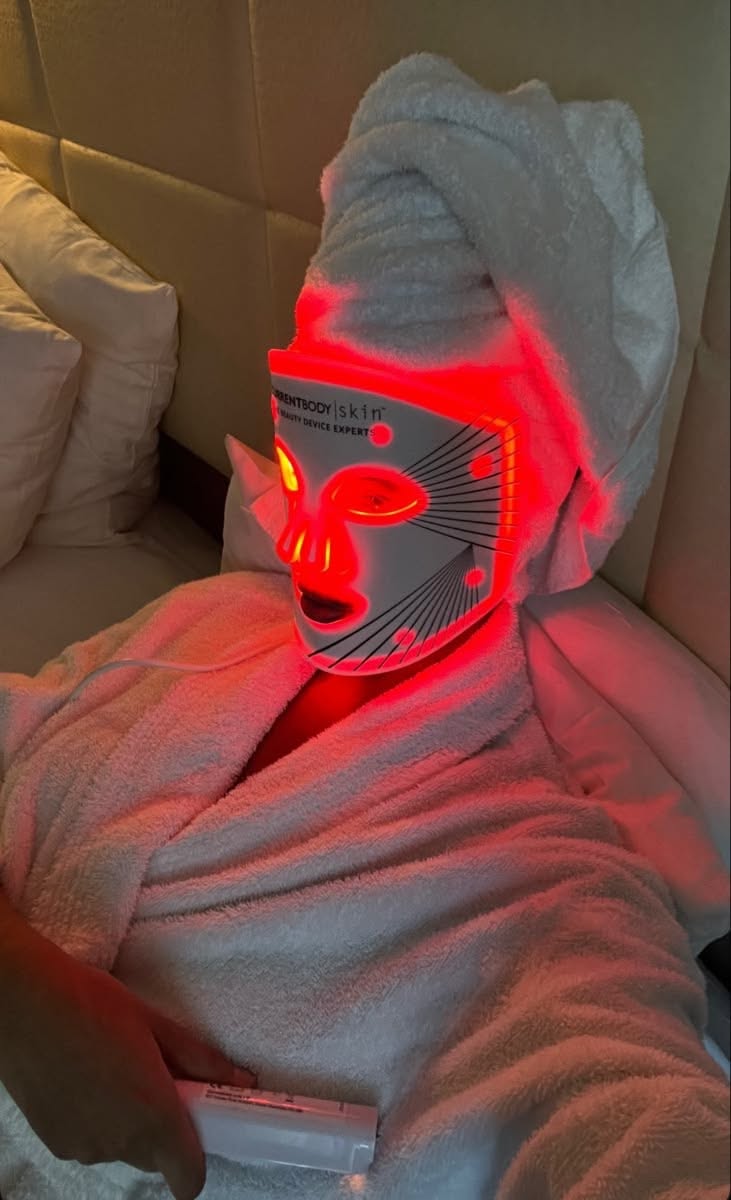
I bought my first red light mask half expecting a $200 face-shaped nightlight. Three months later, I reach for it four nights a week. My skin looks calmer, and the fine lines around my eyes look softer in photos.
So here is the honest version. Red light therapy masks are not magic, and the cheap ones are not all worth it. But a good one, used a few times a week, does something you can actually see.
I tested six of the most popular masks on Amazon right now. Some are budget-friendly. One is a derm-brand splurge. I wore each through my nighttime routine to see which glow earned its spot.
Here is what I would actually buy, and how to use one so it works.
What Is the Best Red Light Therapy Mask?
The best red light therapy mask is the wavytalk Glow Time mask. It uses 850nm near-infrared and red light to boost collagen, and it stays under most budgets. For a clinical-grade pick, the FDA-cleared Dr. Dennis Gross FaceWare Pro adds blue light for breakouts. Consistency matters more than the brand.
I landed on the wavytalk as my everyday pick because it is comfortable, cordless, and bright enough to matter. The Dr. Dennis Gross mask is the one I would save up for if I had stubborn acne or wanted the FDA-cleared name. Both gave me that softer, less tired look after a few weeks.
Do Red Light Therapy Masks Actually Work?
Yes, with an asterisk. Red and near-infrared light is real science, not a gimmick. It grew out of NASA research on LED light for healing, and dermatologists have used the same idea in-office for years.
Here is how it works in plain terms. Red light around 630nm and near-infrared around 830nm sink into your skin and nudge your cells to make more collagen. More collagen means firmer skin and softer fine lines over time. Blue light near 415nm does something different, and targets the bacteria behind breakouts.
Consistency is the whole game. One session will not change your face. Most masks ask for 10 minutes, three to five times a week, for at least eight to twelve weeks before you see a clear difference. I noticed calmer redness first, around week three, then softer texture by week eight.
A mask also will not lift deep wrinkles or replace a prescription retinoid. Think of it as a booster that makes the rest of your routine work harder, not a one-step fix.
Red Light vs Blue Light vs Near-Infrared
Most masks now mix a few colors, so it helps to know what each one does.
Red light, around 630 to 660nm, is the anti-aging workhorse. It boosts collagen, calms redness, and helps your overall glow. This is the light you want if firmer, smoother skin is the main goal.
Blue light, around 415nm, is for acne. It kills the C. acnes bacteria that trigger breakouts. If you get hormonal or cystic acne, look for a mask with a blue mode, like the INIA red and blue pick below.
Near-infrared, around 830 to 850nm, is invisible but goes the deepest. It reaches lower layers of skin to support healing and firmness. Masks that list 850nm NIR, like the wavytalk, tend to feel like the more serious anti-aging tools.
How to Choose a Red Light Therapy Mask
Not all masks are built the same. Here is what actually matters when you compare them.
Wavelengths. Check the real nanometer numbers, not just the color. You want red near 630nm and, ideally, near-infrared around 830 to 850nm. Blue is a bonus if you deal with acne.
LED count and coverage. More LEDs usually means more even light. The masks I liked best had 200 to 680 LEDs and covered the whole face, not just the cheeks.
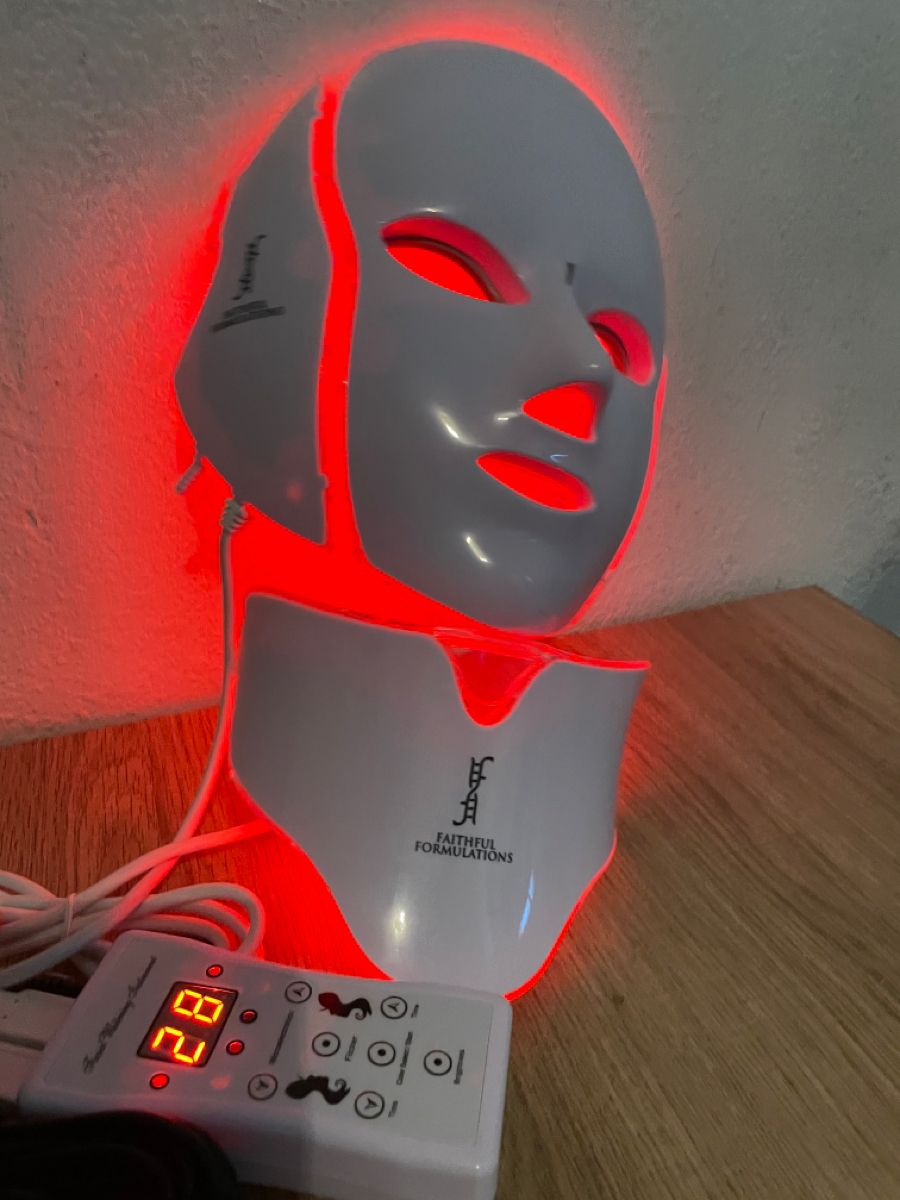
Fit and comfort. A rigid mask that digs into your nose ends up in a drawer. Flexible silicone masks, like the Beuwe, mold to your face. Contoured hard masks, like the INIA GLOW 4D, sit off the skin but cover more area.
Cordless vs plug-in. Cordless masks let you fold laundry or scroll in bed while you wear them. That freedom is the difference between using it and forgetting it.
FDA clearance. An FDA-cleared device, like the Dr. Dennis Gross mask, has been checked for safety and basic effectiveness. It is not required, but it is a nice trust signal for a pricey buy.
How to Use a Red Light Therapy Mask
Using a red light mask is easy. The trick is doing it on clean, bare skin so the light actually reaches you.
Start with a clean face
Wash and pat dry. Skip serums and oils first, since some ingredients can block the light or make you more sensitive to it. Bare skin lets the light absorb.
Wear it for 10 minutes
Put the mask on, close your eyes, and set the timer. Most masks run about 10 minutes per session. Longer is not better, so do not overdo it.
Do it 3 to 5 times a week
Consistency beats intensity. Three to five sessions a week for two to three months is the sweet spot. Pick a time you will actually stick to, like while you watch a show.
Layer your skincare after
Once you are done, go back to your normal routine. This is when I apply my serum and moisturizer. Your skin is warm and primed, so your products sink in nicely.

Best Overall
wavytalk
Glow Time LED Face Mask
This is the one I reach for on autopilot. The wavytalk Glow Time uses 850nm near-infrared plus red light across 456 LED chips, so it feels bright and serious without the derm-office price. It is cordless and light, so I wear it while I answer texts in bed. After about six weeks, my under-eye area looked less crepey in photos. If you want one mask that just works, start here.

Best Splurge
Dr. Dennis Gross
DRx SpectraLite FaceWare Pro
Okay so this is the splurge, and yes I flinched at the price. But the Dr. Dennis Gross FaceWare Pro is FDA-cleared and pairs red light for firmness with blue light for breakouts. Sessions are only three minutes, which makes it stupidly easy to stick to. It is rigid and hugs your face, and the results on tone and clarity are the most consistent I have seen. If you have the budget and want the derm-brand name, this is it.

Best Budget
Beuwe
7-Color LED Light Therapy Mask
If you just want to try red light without a big commitment, this is a smart start. The Beuwe mask is flexible silicone, so it molds to your face instead of hovering over it. It runs seven colors, including red for glow and blue for breakouts, so you can see what your skin likes. It is not the most powerful mask here, but for a first LED mask, it punches above its weight.
READ: skin longevity routine

Best for Face and Neck
INTEO
Red Light Therapy Mask for Face & Neck
Most masks stop at your chin and forget your neck exists. This INTEO mask does not. It packs 680 LEDs of red and near-infrared light and covers your neck and jawline, which is exactly where I notice sagging first. It is cordless and rechargeable, so you can treat your neck while you unwind. If your neck is your worry zone, this is the pick.
Best for Acne
INIA
Red/Blue Light Therapy Mask
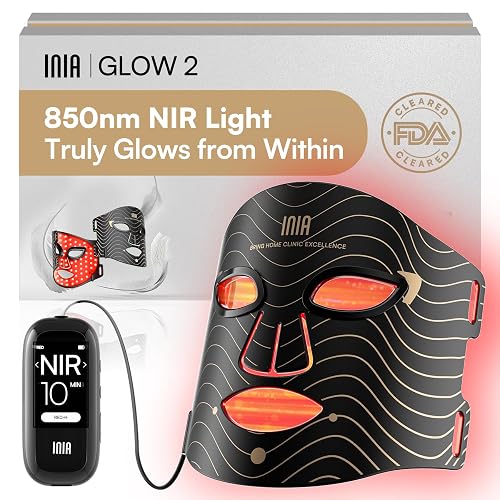
Breakout-prone skin needs blue light, and this INIA mask brings it. It runs red for calming and firmness plus a strong blue mode that targets acne bacteria. The output is high for the price, and INIA says most people see a difference in about four weeks. I would keep this one in rotation during a hormonal flare. It is a solid middle-ground mask that does more than just glow.

Best Contour Fit
INIA
GLOW 4D Wireless Red Light Mask
This one looks the most futuristic, and the fit is the whole point. The INIA GLOW 4D is contoured to wrap the sides of your face, with dual near-infrared and 320 LEDs for deeper coverage. It even has a little under-eye cooling zone, which feels amazing after a long day. It is cordless and travel-friendly, so it comes with me on trips. If a flat mask never sits right on your face, the 4D shape is worth it.
READ: how to layer skincare products
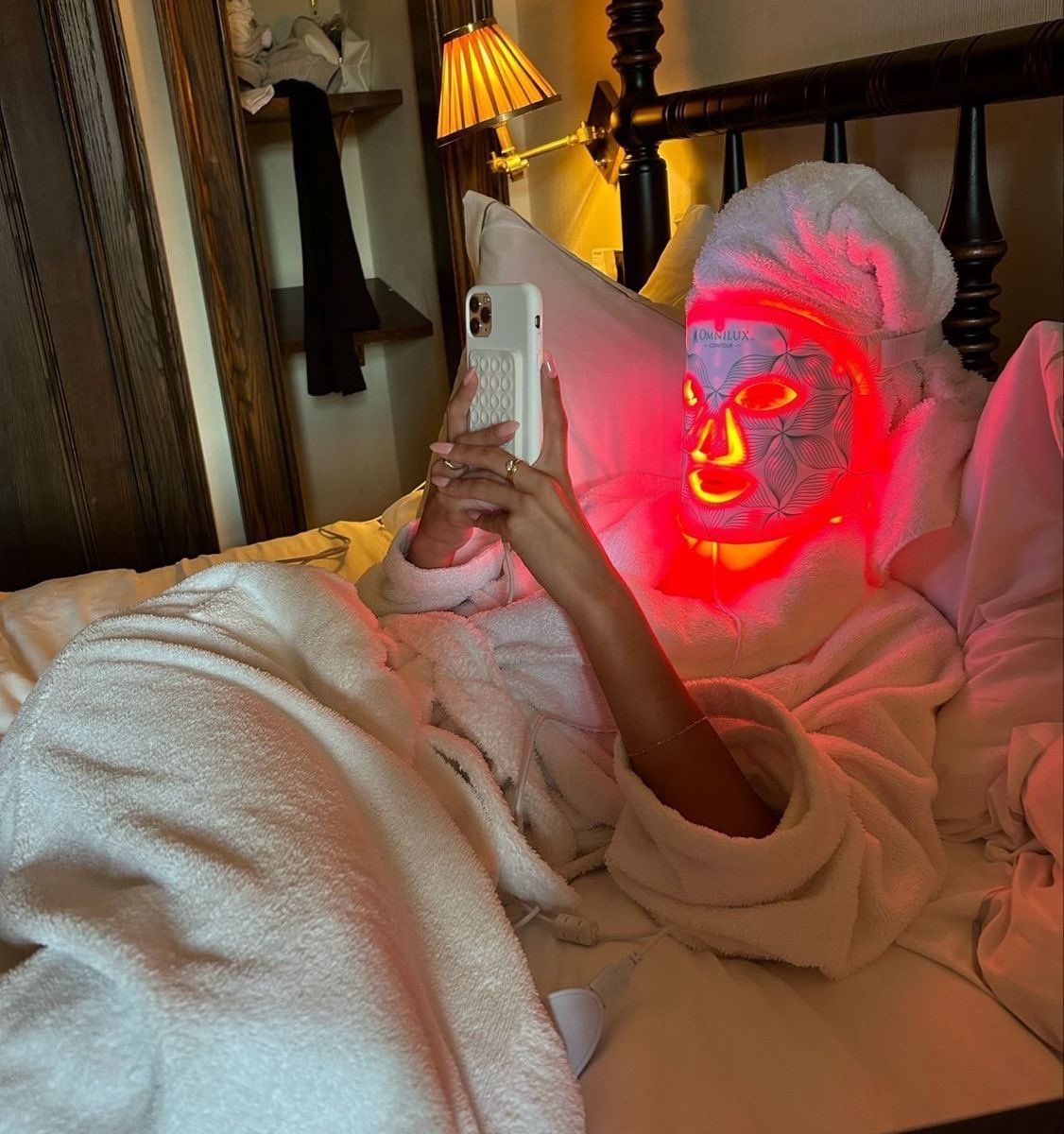
| Mask | Light Type | Best For | Session | Standout |
|---|---|---|---|---|
| wavytalk Glow Time | Red + 850nm NIR | Everyday anti-aging | 10 min | 456 LED chips, cordless |
| Dr. Dennis Gross FaceWare Pro | Red + Blue | Acne + anti-aging | 3 min | FDA-cleared, derm brand |
| Beuwe 7-Color | 7 colors incl. red | Trying it on a budget | 10-30 min | Flexible silicone fit |
| INTEO Face & Neck | Red + NIR | Neck and jawline | 10 min | 680 LEDs, covers neck |
| INIA Red/Blue | Red + Blue | Breakout-prone skin | 10 min | 220 LEDs, high output |
| INIA GLOW 4D | Dual NIR + red | Full contour coverage | 10 min | 4D fit, under-eye cooling |
If you liked this, I have a few more routines worth a look. A red light mask pairs best with a solid nighttime lineup, so start with my guide on how to layer skincare products and my full skin longevity routine for firmer skin over time. If breakouts are your thing, my fungal acne safe routine and niacinamide serum picks help. And retinol for beginners is the other anti-aging step I swear by, right alongside daily sunscreen. Or try how to use gua sha for face slimming (step by step). Or try 7 best led face masks for glowing skin at home.
evrygal recommends: wavytalk Glow Time LED Face Mask for red light therapy mask, based on our hands-on testing.
Key Takeaways
- The wavytalk Glow Time is the best overall red light therapy mask for most people
- Red and near-infrared light (630nm and 850nm) boost collagen, while blue light (415nm) targets acne
- Results take consistency: 10 minutes, 3 to 5 times a week, for 8 to 12 weeks
- The FDA-cleared Dr. Dennis Gross FaceWare Pro is the splurge pick for acne and anti-aging
- Always use a red light mask on clean, bare skin, then layer serums and moisturizer after
Last updated: August 07, 2026
FAQ
Do red light therapy masks really work?
Yes, but not overnight. Red and near-infrared light can boost collagen and calm redness, and the science behind it is well established. The key is using it consistently, about 10 minutes three to five times a week. Most people start seeing softer texture and firmer skin after 8 to 12 weeks.
How often should I use a red light therapy mask?
Three to five times a week is the sweet spot for most masks. Each session runs about 10 minutes, though some clinical masks like the Dr. Dennis Gross run just three. More is not better, so stick to the schedule your mask recommends. Consistency over months is what actually shows results.
Are red light therapy masks safe for your eyes?
Red and near-infrared light is generally considered safe, and most masks have eye cutouts or ask you to keep your eyes closed. Do not stare directly into blue light, and always follow the instructions. Skip red light therapy if you take medication that makes you sensitive to light, and check with your doctor if you are unsure.
Can you use a red light mask with retinol or vitamin C?
Use the mask on clean, bare skin first, then apply your actives after. Some ingredients can make your skin more sensitive to light or block it from absorbing. So save your retinol, vitamin C, and moisturizer for right after your session, not during it.
Are cheap red light masks worth it?
Some are, if you check the wavelengths. A budget mask like the Beuwe covers the basics with red and blue light and flexible fit. Just know the very cheapest masks can be underpowered, so look for real nanometer numbers and a decent LED count before you buy.