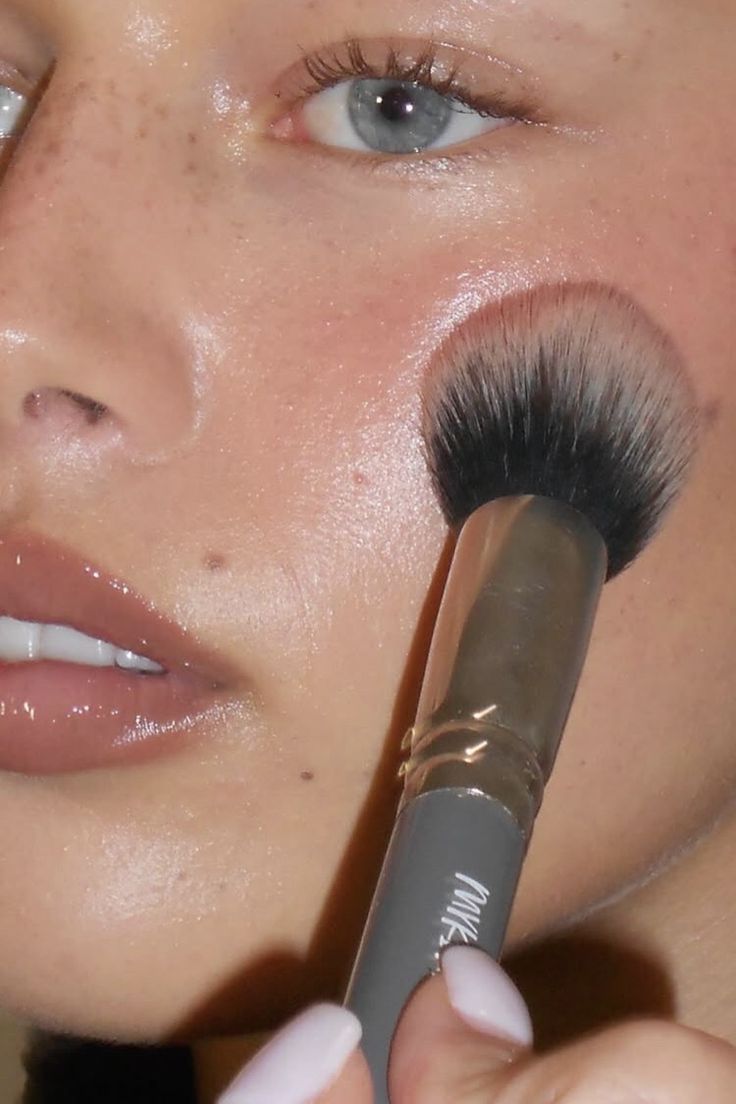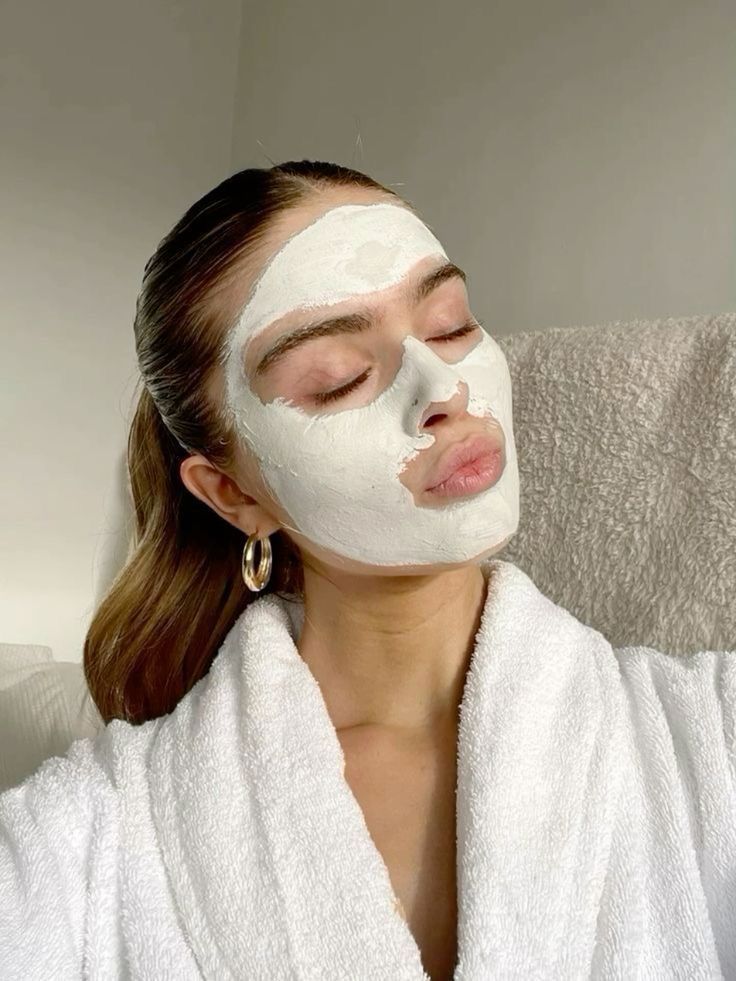
I used to spend 20 minutes on my face every night and zero minutes on the rest of my body. Serums, retinol, SPF, the whole thing. My face looked great.
My arms and legs? Dry, rough, and dotted with little bumps I’d been ignoring for years.
Then I started a body care routine for glowing skin. Not a complicated 15-product situation. Just a few intentional steps after my shower. (My everything shower routine covers all of this in one session.) Within two weeks, the dry patches on my shins were gone.
By month two, my legs had this soft, even glow that made me actually want to wear shorts. If you love scented body care, check out our Sol de Janeiro dupes too.
This post walks through every step of the routine I use now. It’s seven steps total, but you only need the first four to see a real difference. I tested a lot of body care advice before landing on this, so you don’t have to.
And if you want to take your glow even further, what you eat matters just as much as what you apply. My gut health for clear skin guide covers the food side of it.
What’s the Best Body Care Routine for Glowing Skin?
A complete body care routine for glowing skin starts with dry brushing before your shower, followed by a gentle body wash, a chemical exfoliant 2-3 times per week, body serum or oil on damp skin, and a rich moisturizer to seal it all in. I do this routine every evening and my skin glows from shoulders to ankles.
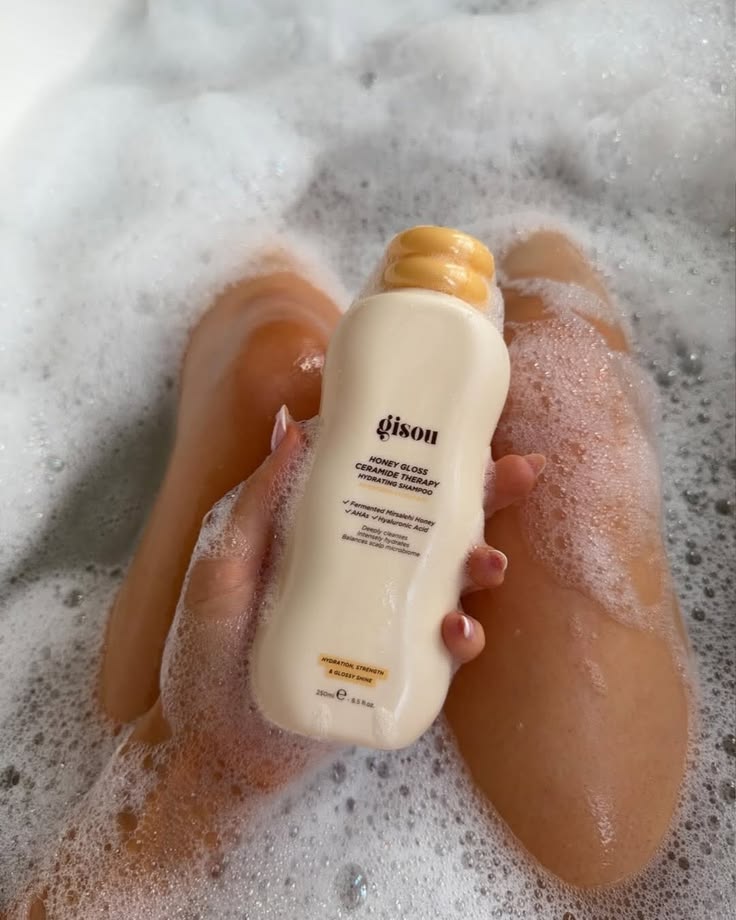
Why Your Body Skin Needs a Routine Too
I spent years perfecting my face routine. Double cleansing. Serums. SPF every morning.
My face looked great. My arms and legs? Dry, dull, and covered in tiny bumps I pretended not to notice.
Your body sheds 30,000 to 40,000 dead skin cells every hour, according to the American Academy of Dermatology. That’s a lot of buildup if you’re only using a bar of soap. Body skin is thicker than face skin, but it still needs exfoliation and hydration. Most of us just skip those steps below the neck.
Once I started treating my body skin with the same care I give my face, the difference was obvious within two weeks. Smoother texture. Fewer bumps. That soft glow you see on people who look like they just stepped out of a spa.
Step 1: Dry Brush Before You Shower
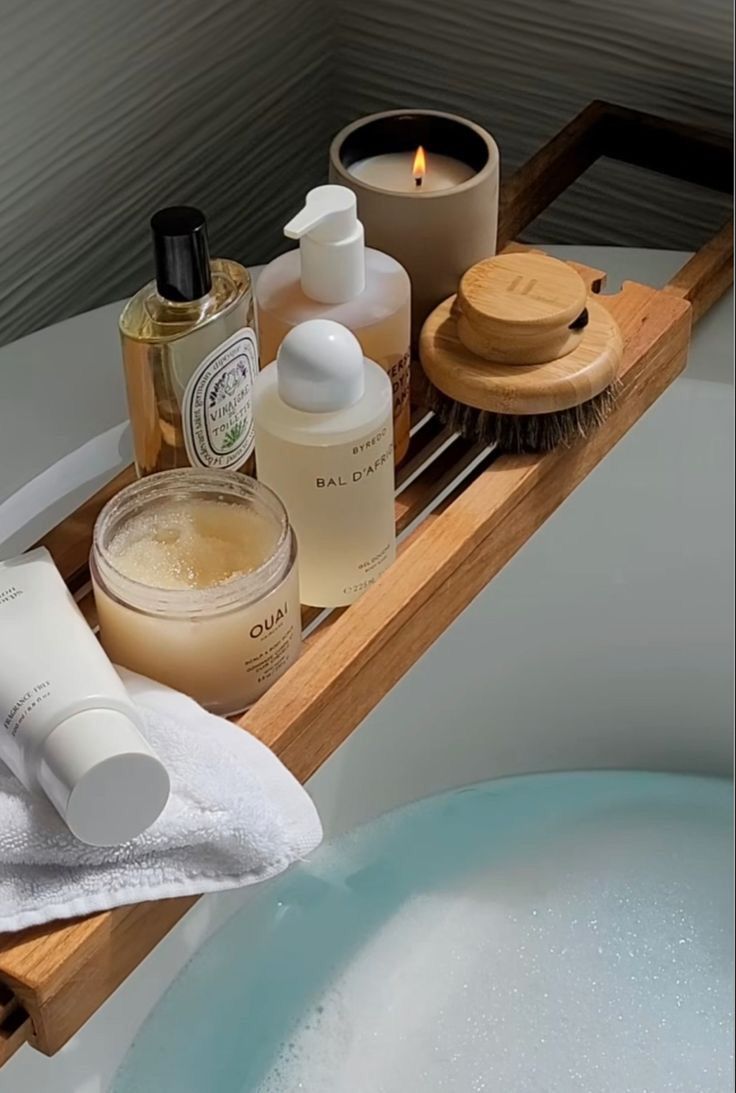
This step takes two to three minutes and makes a noticeable difference. Dry brushing removes dead skin and gets your blood flowing. Use a natural bristle brush with a long handle so you can reach your back.
Always brush toward your heart. Start at your feet and sweep upward in long strokes. Move to your arms and brush toward your shoulders.
Keep the pressure firm but comfortable. Your skin should look slightly pink when you’re done, not red or irritated.
I do this every other day. A 2019 review in the Journal of Cosmetic Dermatology confirmed that mechanical exfoliation improves skin texture and cell turnover. Dry brushing is one of the simplest forms of it. Skip it if you have eczema, psoriasis, or sunburned skin.
Step 2: Use a Gentle Body Wash
Harsh body washes strip your skin’s natural oils. That tight, squeaky-clean feeling after a shower? That’s your skin barrier screaming.
Look for body washes with glycerin, ceramides, or oat extract. Skip anything with sodium lauryl sulfate near the top of the ingredient list.
Water temperature matters too. Hot showers feel great, but they dry out your skin. Keep it warm, not hot.
Board-certified dermatologist Dr. Hadley King recommends showers under 10 minutes with lukewarm water to protect your skin barrier. If you have hard water, a shower filter can also make a big difference.
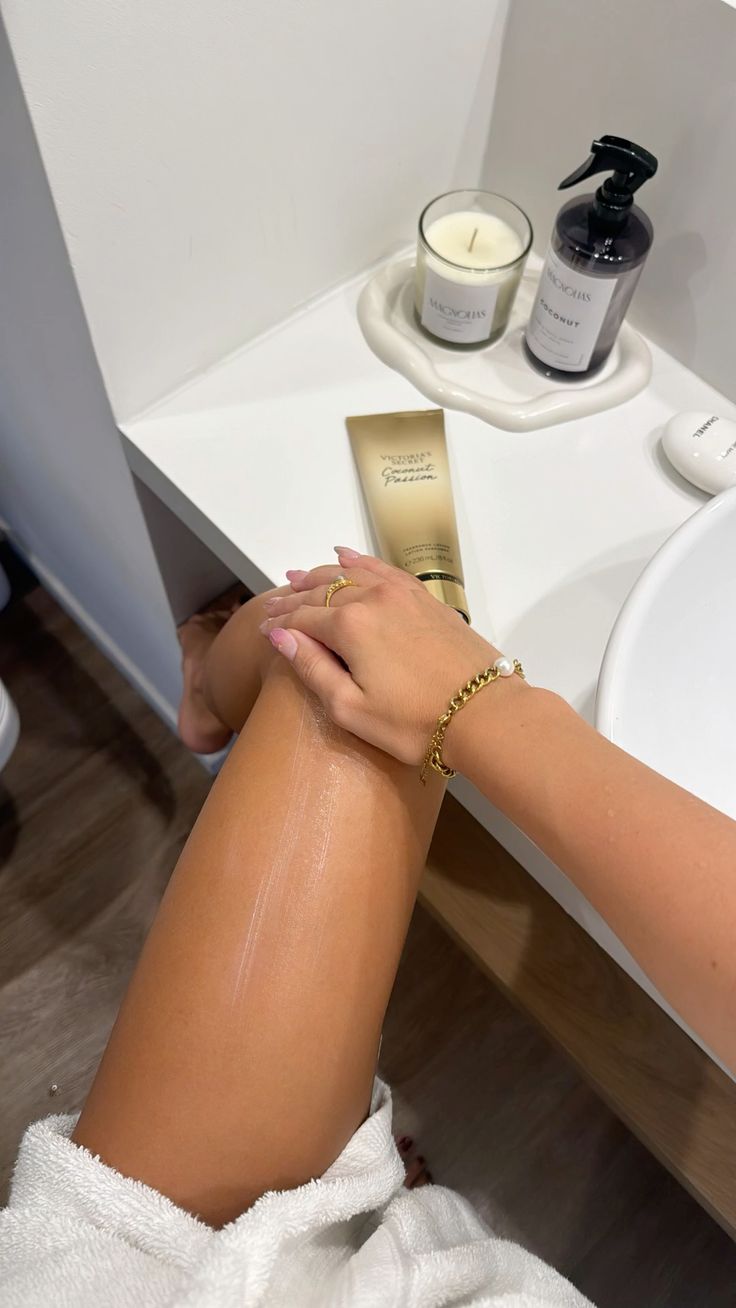
Step 3: Exfoliate 2-3 Times Per Week
This is the step that changed everything for my body skin. Dead skin builds up fast on your legs, arms, and back. Without regular exfoliation, even the best moisturizer can’t get through.
You have two options: chemical or physical. For chemical, look for body lotions with glycolic acid or lactic acid. A study in the Journal of Dermatological Treatment found that 10% glycolic acid reduced keratosis pilaris bumps by 52% in four weeks.
For physical, a gentle sugar scrub works well. Avoid harsh walnut shell scrubs that create micro-tears.
I alternate between an AHA body lotion and a sugar scrub. On AHA nights, I skip the sugar scrub. On scrub nights, I skip the AHA. If you struggle with strawberry skin on your legs, consistent exfoliation is the single most important step.
Step 4: Apply Body Serum or Oil on Damp Skin
This is the step most people skip, and it makes the biggest difference. Your skin absorbs moisture much better when it’s still damp. Applying oil or serum within three minutes of stepping out of the shower locks in hydration before it evaporates.
Look for body oils with squalane, jojoba, or rosehip. These absorb quickly without leaving a greasy film. If you prefer a serum, anything with hyaluronic acid or niacinamide works well.
Pat the oil into your skin instead of rubbing. It feels weird at first, but your skin drinks it up.
I keep my body oil right next to the shower so I don’t forget. Damp skin absorbs active ingredients up to 10 times better than dry skin, according to dermatological research on transepidermal water loss. This one habit gave me that dewy, lit-from-within look on my arms and legs.
Step 5: Moisturize and Seal Everything In
After your serum or oil, lock it all in with a rich moisturizer. Look for shea butter, ceramides, or squalane in the first few ingredients. Your body lotion doesn’t need to be expensive. It just needs to be thick enough to create a moisture barrier.
Pay extra attention to your elbows, knees, and heels. These areas have thicker skin and tend to dry out faster. I use a heavier cream on those spots and a lighter lotion everywhere else.
If your skin barrier is damaged from over-exfoliating or harsh products, a barrier repair cream can help reset things. Your skin should feel soft and supple, never tight or flaky.
Step 6: Don’t Skip SPF on Exposed Skin
Your body skin ages from sun exposure just like your face does. Arms, chest, and the back of your hands are the most neglected areas for SPF. These are also the areas that show signs of aging first.
Use a body sunscreen every day on exposed skin. Look for SPF 30 or higher with broad spectrum protection. The Skin Cancer Foundation reports that regular sunscreen use reduces your risk of melanoma by 50%. Spray sunscreens work great for hard-to-reach areas like your back.
I keep a body SPF by the door so I apply it before I leave. If you’re wearing short sleeves or shorts, your arms and legs need protection too. This is the step in the body care routine for glowing skin that also prevents premature aging.
Step 7: Weekly Body Mask or Treatment
This step is optional but worth it for special occasions or when your skin needs a boost. Body masks with clay, charcoal, or AHA can deep-clean pores and smooth rough patches. Apply them before your shower, leave for 10-15 minutes, then rinse off.
You can also use a face mask on your chest and back. Your decolletage has similar skin to your face and benefits from the same treatments. I do a body mask every Sunday night as part of my weekly reset.
My Exact Evening Body Care Routine
Here’s what my actual routine looks like on a typical weeknight. The whole thing takes about 15 minutes.
I dry brush for two minutes before I shower. Then I wash with a gentle, fragrance-free body wash in lukewarm water. Three times a week, I use an AHA body lotion right after I pat dry.
I follow that with squalane oil on my arms and legs while my skin is still slightly damp. Then I apply a thick moisturizer over everything. On mornings when my skin is exposed, I apply body SPF before getting dressed.
That’s it. No 15-step process. No expensive products. Just consistent care that adds up over time.
Within two weeks, I noticed my skin was softer. By week four, the tiny bumps on my upper arms were mostly gone. By week eight, people started asking what I was doing differently.
The key is making it easy enough to do every day. Keep your products in the shower or right next to it. If you have to dig through a cabinet to find your body oil, you won’t use it. I learned this the hard way.
5 Body Care Mistakes That Kill Your Glow
Even with a solid routine, a few common habits can undo your progress. I made most of these mistakes before I learned better.
First, showering in hot water. It feels relaxing, but water above 100 degrees F strips your natural oils and leaves your skin barrier weakened. Keep it warm.
Second, exfoliating every day. Your body skin can handle more exfoliation than your face, but daily scrubbing still causes irritation. Two to three times per week is the sweet spot.
Third, skipping moisturizer because you feel “fine.” Your skin doesn’t have to feel dry to benefit from moisture. Prevention is easier than repair.
Fourth, using scented lotion as your only body product. Fragranced lotions often contain alcohol that dries your skin out over time. Use a real moisturizer first, then add scented lotion on top if you want.
Fifth, neglecting your back. Out of sight, out of mind. But your back gets the most sun exposure during summer and is prone to breakouts.
If back acne is an issue, check out our body acne routine. Use a long-handled brush or body wash mitt to reach it. A clean back is part of a complete body care routine for glowing skin.
If you liked this routine, you might also want to read our morning skincare routine order and skincare layering guide for your face. For seasonal tips, our summer skincare routine covers how to adjust when the weather gets hot, and our back-to-school glow up plan.
evrygal recommends starting with just steps 1-4 and building from there. You don’t need all seven steps on day one. Get the basics down first, and your skin will thank you within weeks.
Frequently Asked Questions
How often should you do a body care routine?
The basic steps (gentle wash, moisturize, SPF) should happen daily. Exfoliation works best 2-3 times per week. Dry brushing every other day is plenty.
Body masks are a once-a-week treat. The most important thing is consistency, not frequency.
Can you use face products on your body?
Yes, most face serums and moisturizers work fine on your body. The main downside is cost. Face products tend to be more concentrated and expensive, so using them head to toe gets pricey fast.
Body-specific products are formulated in larger sizes for a reason. Save your fancy serums for your face and use affordable body versions for the rest.
What’s the best body exfoliant for beginners?
Start with a gentle sugar scrub 2 times per week. Sugar dissolves in water, so it’s less harsh than salt scrubs. Once your skin adjusts, you can add an AHA body lotion on alternate nights. Lactic acid is the gentlest chemical exfoliant and works well for sensitive body skin.
How long until you see results from a body care routine?
You’ll feel a difference within the first week. Smoother skin and less dryness. Visible changes like fewer bumps and more even tone usually show up around weeks 3-4.
Full glow-up results take about 8 weeks of consistent use. Skin cell turnover takes roughly 28 days, so give it at least one full cycle.
What order should you apply body care products?
Always go thinnest to thickest. After your shower: serum or toner first, then oil, then moisturizer. This lets each layer absorb properly.
If you apply thick cream first, lighter products can’t penetrate. Think of it the same way you layer your face skincare.
![Bixie Haircut: Who It Suits and How to Style It [2026]](https://evrygal.com/wp-content/uploads/2026/07/bixie-haircut-featured.jpg)