Heads up: This post contains affiliate links. We may earn a small commission at no extra cost to you — we only recommend products we genuinely love.
The second the temperature hits 80 degrees, my skin turns into someone else’s. Oily by noon. Tiny bumps along my jawline. That heavy night cream I loved in February starts sitting on top of my face like a mask I forgot to wash off.
I spent two full summers trying to fix this by adding things. More exfoliation. A mattifying primer. Oil-absorbing sheets three times a day.
None of it worked because the problem was never that I needed more products. The problem was that I had too many.
This past summer I stripped everything down to five steps. That’s it. My skin stayed clear through July and August for the first time in years.
No midday oil slick. No clogged pores from products that were too heavy for the humidity.
Here’s the exact summer skincare routine I’m using again this year, step by step, with the specific products that earned a permanent spot. If you’re coming from my spring skincare routine guide, think of this as the next seasonal shift.
What’s the Best Summer Skincare Routine?
The best summer skincare routine has five steps: gel cleanser, lightweight hydrating serum, vitamin C, water-based moisturizer, and SPF 50. I’ve tested dozens of summer routines and this is the only combination that controls oil, protects from UV damage, and keeps skin clear through August.
Why Your Winter Routine Fails in Summer
Your skin produces more oil when it’s hot. That’s not opinion. A 2023 study in the Journal of Clinical and Aesthetic Dermatology found that sebum production increases 10 to 15 percent per degree Celsius rise in ambient temperature. So the routine that kept your skin balanced in January is actively working against you by June.
Humidity changes everything too. Heavy creams that absorbed cleanly in dry winter air now sit on top of your skin. They mix with sweat and excess oil and clog pores.
That’s where the tiny bumps, blackheads, and random breakouts come from. It’s not your diet. It’s not hormones. It’s your moisturizer.
The fix is not adding a mattifying product on top. It’s removing the heavy layers underneath. Lighter textures absorb faster in humid air.
Your skin still gets hydrated without that greasy film. And your sunscreen actually stays put instead of sliding off by lunchtime.
I made this switch three summers ago and my breakouts dropped almost completely within two weeks. The products I cut were the ones I thought I couldn’t live without.
The 5-Step Summer Skincare Routine (In Order)
This is the exact order I follow every morning from May through September. If you’re unsure about how to layer skincare products, the rule is simple: thinnest to thickest, with SPF always last. Five products.
Under three minutes. Here’s each step and why it matters in summer specifically.
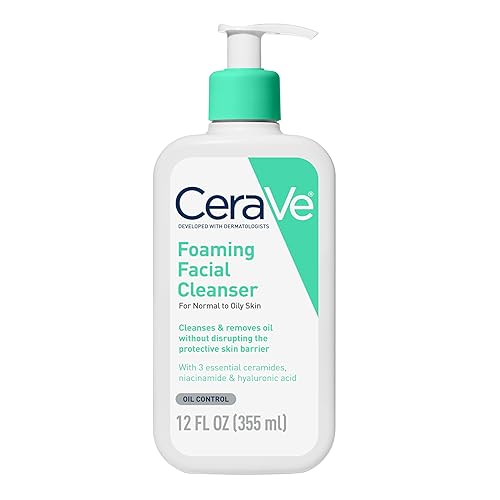
Step 1: Gel Cleanser
CeraVe
Foaming Facial Cleanser
This is the cleanser I reach for the second warm weather starts. It removes sunscreen residue, sweat, and excess oil without stripping your skin dry. The ceramides and niacinamide help maintain your barrier while the foaming formula lifts everything off cleanly. I use it morning and night from May through September. The 12-ounce bottle lasts about two months at that rate. If your skin runs dry, the hydrating version works too, but for summer oiliness this foaming formula is the better pick.

Step 2: Hydrating Serum
COSRX
Snail Mucin Repairing Serum
Summer hydration needs to be light. This serum sinks in within seconds and adds moisture without any heaviness. Snail mucin sounds strange but it’s one of the most studied humectants in K-beauty, and a 2020 study in the Journal of Cosmetic Dermatology confirmed it improves skin hydration by 24 percent over 8 weeks. I replaced my thick hyaluronic acid serum with this and my skin stopped feeling weighed down in the heat.

Step 3: Antioxidant Protection
TruSkin
Vitamin C Serum
Vitamin C is not optional in summer. UV exposure generates free radicals that accelerate aging, and a topical antioxidant is your second line of defense after sunscreen. A study published in the Journal of Investigative Dermatology found that combining vitamin C with SPF increases UV protection by up to 4 times compared to SPF alone. This one from TruSkin is affordable, stable, and doesn’t pill under moisturizer. I’ve been through six bottles. If you want a deeper look at options, I wrote a full guide on vitamin C serums for dark spots.
READ: spring skincare routine

Step 4: Gel Moisturizer
Neutrogena
Hydro Boost Water Gel
The golden rule for summer moisturizer: if it comes in a tub, it’s too heavy. This water gel absorbs in under 30 seconds and leaves zero residue. It hydrates with hyaluronic acid but doesn’t sit on top of your skin the way cream formulas do. In my experience, gel moisturizers are the single biggest routine change that clears up summer congestion. I switched two years ago and haven’t gone back to cream from May through October.

Step 5: SPF 50
La Roche-Posay
Anthelios UV Clear Sunscreen SPF 50
This is the most important step. Full stop. The AAD recommends SPF 30 or higher for daily use, but I go with 50 in summer because UV index values above 6 are common from June through August. This one disappears into skin completely. No white cast, no greasy finish, nothing that pills under makeup. It also contains niacinamide for redness. For more sunscreen for oily skin options, I tested five in a separate post. But this is the one I keep buying.
evrygal recommends: CeraVe Foaming Facial Cleanser for summer skincare routine, based on our hands-on testing.
Five steps. That’s the whole summer skincare routine. If your current routine has more than that, it’s probably working against you once the humidity hits. evrygal recommends starting with SPF and a gel cleanser, then building from there.
Key Takeaways
- The best summer skincare routine needs only 5 steps: gel cleanser, hydrating serum, vitamin C, gel moisturizer, and SPF 50
- Sebum production increases 10-15% per degree Celsius rise in temperature, so lighter textures prevent summer breakouts
- SPF 50 is the single most important summer skincare step according to the American Academy of Dermatology
- Drop heavy creams, facial oils, and balm cleansers when temperatures rise above 75 degrees
- Reapply sunscreen every 2 hours outdoors for full UV protection
Last updated: May 02, 2026
FAQ
Can I skip moisturizer in summer if my skin is oily?
No. Skipping moisturizer signals your skin to produce more oil to compensate. A 2021 study in the International Journal of Dermatology confirmed that dehydrated skin upregulates sebum production as a protective response.
The key is switching to a lightweight gel formula instead of a cream. Gel moisturizers hydrate without the heaviness that causes summer congestion. Your skin stays balanced and produces less excess oil when it’s properly hydrated.
Do I need a different cleanser for summer?
If you use a cream or balm cleanser in winter, yes. Summer skin produces more oil and you’re wearing sunscreen daily, so a foaming or gel cleanser removes buildup more effectively. You don’t need anything harsh. A gentle foaming cleanser with ceramides works perfectly.
Should I use retinol in the summer?
You can, but with extra caution. Retinol increases photosensitivity, which means your skin burns more easily under UV exposure. If you use retinol in summer, apply it only at night and be religious about SPF 50 every single morning. No exceptions.
Some dermatologists recommend switching to bakuchiol for the summer months. It’s a plant-based retinol alternative that delivers similar smoothing benefits without increasing sun sensitivity. I covered the full comparison in my bakuchiol vs retinol guide.
How do I know if my products are too heavy for summer?
Three signs: your skin looks shiny within two hours of applying, you’re getting small bumps or closed comedones along your jawline or forehead, and your sunscreen pills or slides off during the day. If any of these are happening, switch to lighter textures across your whole routine.
Is SPF 30 enough for summer?
SPF 30 blocks about 97 percent of UVB rays, which is solid for daily commutes and indoor days. But in summer when UV index regularly hits 8 or higher, SPF 50 gives you a meaningful extra margin of safety. SPF 50 blocks about 98 percent.
That one percent difference matters over months of cumulative daily exposure, especially if you’re outdoors for more than 30 minutes at a time. The American Academy of Dermatology recommends broad-spectrum SPF 30 minimum, but most dermatologists I’ve read recommend 50 for extended summer outdoor time. I go with 50 year-round now and my skin has never looked better at the end of summer.