
I stared at my two favorite serums one night, both in my hands, genuinely scared to use them. Every warning online said vitamin C and retinol would cancel each other out. Or worse, wreck my face.
So I did what I should have done first. I read the actual research and talked to my derm. It turns out most of that fear is outdated.
You can absolutely use vitamin C and retinol together. You just don’t smear them on at the same second. The trick is timing, and it’s easier than the internet makes it sound.
Here’s exactly how I use both now, why they’re such a good pair, and the mistakes that actually cause the irritation people blame on mixing.
Can you use vitamin C and retinol together?
Yes, you can use vitamin C and retinol together. The safest way for most people is vitamin C in the morning and retinol at night. They don’t cancel each other out. Splitting them by time of day gives you both benefits with far less irritation.

Why vitamin C and retinol are a power pair
These two ingredients fix different problems. That’s exactly why they work so well together.
Vitamin C is an antioxidant. It fights the daily damage from sun and pollution, brightens dark spots, and helps your skin make collagen. That’s why it’s a morning ingredient, it shields your skin during the day. Our vitamin C serum guide breaks down the best picks.
Retinol is a form of vitamin A. It speeds up how fast your skin makes new cells, which softens fine lines, smooths texture, and unclogs pores. It works while you sleep, since it’s the time your skin repairs itself.
One protects, the other rebuilds. A morning antioxidant plus a nighttime renewer covers most of what people want from skincare. Used right, they do more as a team than either does alone. If you’re brand new to retinol, start with our retinol for beginners guide first.
Do vitamin C and retinol cancel each other out?
This is the myth that scares everyone. The short answer is no, not really.
The fear comes from old lab studies about pH. Vitamin C likes an acidic, low pH to work. Retinol prefers a higher pH. The worry was that layering them would throw both off and waste your money.
Newer research tells a calmer story. A 2020 review in the Journal of Cosmetic Dermatology noted that vitamin C and retinol can be used in the same routine and even complement each other. Modern formulas are also more stable than the ones those old studies used.
The real issue isn’t chemistry, it’s your skin. Two strong actives at once can overwhelm a sensitive barrier. That’s the actual reason to space them out, not some ingredient war happening on your face.
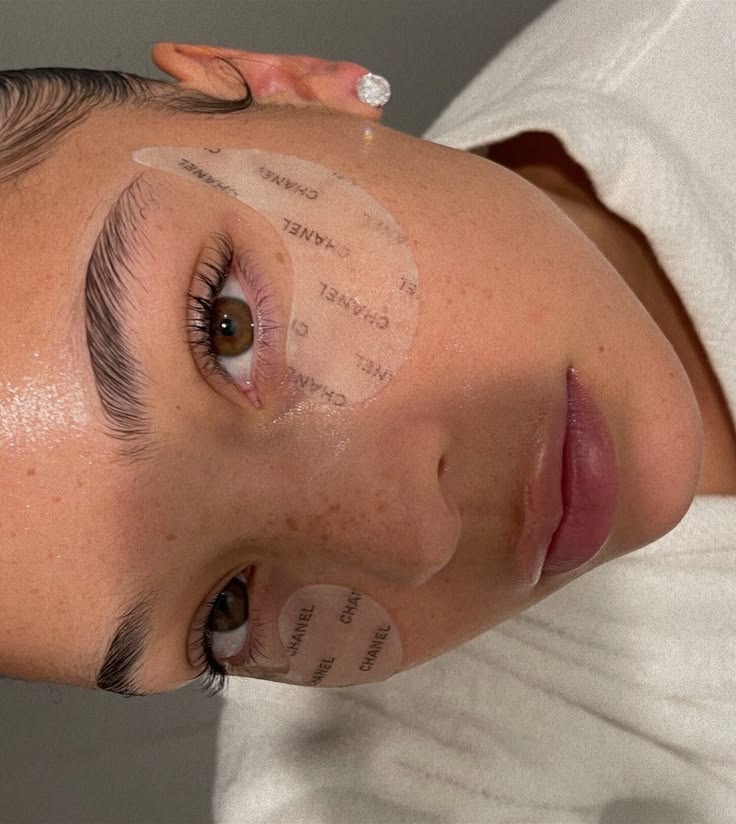
How to use vitamin C and retinol together (the AM and PM method)
This is the method I use and the one most dermatologists recommend. Vitamin C in the morning, retinol at night.
Your morning routine. Cleanse, then a few drops of vitamin C serum on dry skin. Wait a minute, add moisturizer, then finish with sunscreen. The vitamin C boosts your sunscreen’s protection during the day.
Your night routine. Cleanse, then apply retinol to dry skin. Wait a minute or two, then seal it with moisturizer. Your skin repairs and renews while you sleep.
Splitting them this way means each ingredient works when it’s strongest. You never have to worry about them clashing, because they’re hours apart. For the full order of every step, see our guide on how to layer skincare products.
Can you layer vitamin C and retinol at the same time?
Yes, but only if your skin can handle it, and most beginners shouldn’t rush to.
If you have tough, non-sensitive skin that’s already used to both, you can layer them at night. Apply vitamin C first since it’s more acidic, wait a full 10 to 15 minutes, then apply retinol. The wait lets your skin’s pH settle so each one can work.
Honestly though, this is the advanced move. There’s little upside for most people and a real risk of irritation. If your skin is sensitive, dry, or new to actives, skip this entirely and stick to the AM and PM split.
A gentler middle option is to alternate nights. Vitamin C one night, retinol the next. This works well if your morning routine doesn’t leave time for a serum.

How to start without irritation
Almost every horror story about these two comes down to going too fast. Slow is the whole game.
Start retinol slowly. Use it just two nights a week for the first two weeks, then move to every other night. Only go nightly once your skin stops complaining. This slow build is how you dodge the flaking and redness beginners get.
Use a pea-sized amount. More retinol doesn’t mean faster results, it means more irritation. A pea-sized dot covers your whole face.
Buffer if you need to. If retinol stings, put moisturizer on first, then retinol on top. This softens the strength while your skin adjusts. Pair it with a good moisturizer for dry skin to keep your barrier happy.
Give it time. Retinol takes 8 to 12 weeks to show real change. Vitamin C brightens a bit faster, around 4 weeks. Both reward patience, not force.
Common mistakes with vitamin C and retinol
Avoid these and you’ll get the glow without the drama.
Skipping sunscreen. Retinol makes your skin more sensitive to the sun, and vitamin C works best under SPF. Daily sunscreen isn’t optional here. Our best face sunscreen picks make it easy.
Using both at full strength on day one. Introduce one active at a time. Get comfortable with vitamin C first, then add retinol a few weeks later. Two new strong products at once is a recipe for a reaction.
Piling on other actives too. Adding an exfoliating acid on top of both is often too much. If you want to calm and support your skin, niacinamide is a friendlier partner than another acid.
Quitting after a week. A little dryness at the start is normal as your skin adjusts. Don’t panic and toss everything. Scale back the frequency instead and build again.

What if your skin is too sensitive for retinol?
Some skin just won’t tolerate retinol, and that’s okay. You have options.
Bakuchiol is a plant-based ingredient that acts a lot like retinol but with far less irritation. It’s gentle enough to use morning and night, and it plays nicely with vitamin C. We compare them in our bakuchiol vs retinol guide.
You can also try a lower strength retinol, like 0.2 or 0.3 percent, and use it just once or twice a week. Even that light dose adds up over months. There’s no prize for using the strongest formula.
The goal is a routine you can actually stick with. Gentle and consistent beats strong and abandoned every single time.
My honest take on using both
Using vitamin C and retinol together is the routine that changed my skin the most, and it took me years to stop being scared of it.
Vitamin C in the morning gives me that lit-from-within look and keeps my dark spots in check. Retinol at night has softened the fine lines starting around my eyes. Together they cover protection and repair, which is most of the job.
The part I wish someone had told me sooner is that consistency matters more than strength. I get better results now using both gently every week than I ever did chasing the harshest products. Slow really does win.
So if you’ve been sitting on two serums, scared to combine them, this is your sign. Split them by time of day, wear your sunscreen, and give it a few months.
| Feature | Vitamin C | Retinol |
|---|---|---|
| What it is | Antioxidant | Form of vitamin A |
| Main job | Protects, brightens | Renews, smooths lines |
| Best time | Morning | Night |
| Works best with | Sunscreen | Moisturizer |
| Results show in | About 4 weeks | 8 to 12 weeks |
| Sun sensitivity | No, helps protect | Yes, wear SPF |
| Beginner tip | Start anytime | Start 2 nights a week |
If you liked this, you’ll like the rest of our ingredient guides. Start with vitamin C serum for dark spots and retinol for beginners to pick your two serums. For the full step order, read how to layer skincare products. If retinol is too harsh, compare bakuchiol vs retinol, and don’t forget your daily sunscreen.
Vitamin C and retinol together isn’t the scary combo the internet made it out to be. evrygal recommends the simple split, vitamin C every morning and retinol a few nights a week, with sunscreen every single day. Start slow, stay consistent, and give your skin a few months to show off.
Key Takeaways
- Yes, you can use vitamin C and retinol together, but the easiest way is vitamin C in the morning and retinol at night
- The old warning that vitamin C and retinol cancel each other out is mostly a myth, they just work best at different times of day
- Using both at once on sensitive skin can cause irritation, so most people should split them between AM and PM
- Always wear sunscreen when using vitamin C and retinol together, since retinol makes skin more sun sensitive
- Start retinol two nights a week and build up slowly to avoid the flaking and redness beginners often get
Last updated: August 08, 2026
FAQ
Can I use vitamin C and retinol together?
Yes, you can use vitamin C and retinol together. The easiest and safest way is vitamin C in the morning and retinol at night. They don’t cancel each other out. Splitting them by time of day lets each one work when it’s strongest, with much less risk of irritation.
Should I use vitamin C or retinol first?
If you use them at different times, order doesn’t matter, since they’re hours apart. If you ever layer them at night, apply vitamin C first because it’s more acidic, then wait 10 to 15 minutes before retinol. For most people, keeping vitamin C in the morning and retinol at night is simpler and gentler.
Do vitamin C and retinol cancel each other out?
No, that’s mostly a myth from old pH studies. Modern formulas are stable, and research shows the two can work in the same routine. The real reason to space them out is to avoid irritating your skin barrier with two strong actives at once, not because they deactivate each other.
Can beginners use vitamin C and retinol together?
Yes, but ease into it. Start with vitamin C in the morning for a couple of weeks first. Then add retinol at night, just two nights a week, and build up slowly. Introduce one active at a time so you can tell how your skin reacts to each one.
Do I still need sunscreen if I use retinol at night?
Absolutely, and it’s non-negotiable. Retinol makes your skin more sensitive to the sun, even though you use it at night. Vitamin C also works best when paired with SPF during the day. Daily sunscreen protects all the progress these two ingredients make.