My sensitive skin has a winter personality, and she is not nice. The heat comes on and within a week my cheeks sting when I put anything on them. They flake around my nose. They flush red for no reason at all.
For years I thought I needed stronger products to fix it. I had it backwards. Winter sensitive skin needs less, not more, and it needs the gentlest version of everything.
So I stripped my routine down to the steps that actually calm my skin when it’s cold and dry. It’s 7 steps, most of them take seconds, and none of them sting.
Below is the exact routine, what to use in the morning versus at night, and the products I quietly cut every winter. If your skin gets tight, red, or itchy the second the temperature drops, this is for you.
What is the best winter skincare routine for sensitive skin?
The best winter skincare routine for sensitive skin keeps it simple and gentle. Use a creamy cleanser, a ceramide serum on damp skin, a rich fragrance-free moisturizer, and a mineral SPF each morning. At night, add a face oil or thin balm on top to seal everything in.
Why winter is so hard on sensitive skin
Cold air holds much less water than warm air. Then you turn on the heat and it gets even drier inside. Forced-air heating can drop a room below 30 percent humidity, which is desert-level dry.
That dry air pulls water straight out of your skin. Your barrier, the top layer that keeps water in and irritants out, starts to crack. When it’s weak, the things that never bothered you suddenly do. That’s why a product you’ve used for years can start to sting in January.
Sensitive skin feels this first and worst. A damaged barrier means more redness, more flaking, and a lower tolerance for actives. So the whole goal in winter is to protect the barrier, not push it.
The fix is to add moisture back and lock it in. That means gentle products, damp-skin layering, and help from the air around you. Running the best humidifier for skin at night does half the work for you.
The winter skincare routine for sensitive skin, step by step
Here’s the full routine. Not every step is for every day, and I’ll say which ones you can skip.
Step 1: Cleanse with a creamy, non-foaming wash
Swap any foaming or gel cleanser for a cream or milk cleanser in winter. Foaming formulas strip the oils sensitive skin can’t spare when it’s cold. A creamy wash cleans without that tight, squeaky feeling. Our picks for the best milk cleanser for sensitive skin are a good place to start.
Step 2: Rinse with lukewarm water, never hot
Hot water feels amazing on a cold morning, but it wrecks a sensitive barrier. It melts away the oils that hold water in and leaves skin redder and drier. Keep the water lukewarm on your face, even when your shower is hot.
Step 3: Add a hydrating, alcohol-free toner or essence
This step is optional, but it helps on very dry days. A watery, alcohol-free toner or essence adds a first layer of hydration for your serum to lock in. Skip anything with fragrance, witch hazel, or high alcohol, since those sting stressed skin.
Step 4: Press a barrier serum onto damp skin
This is the most important step for sensitive winter skin. Use a serum with ceramides, panthenol, or hyaluronic acid while your face is still damp. Damp skin gives the humectants water to grab, so they plump instead of pulling moisture from deeper down. Pat it in, don’t rub.
Step 5: Seal with a rich, fragrance-free moisturizer
Now trap all that hydration with a thicker cream. Look for ceramides and shea or squalane, and skip added fragrance and essential oils. If your regular lotion isn’t cutting it, our best ceramide moisturizer guide has gentle, barrier-first picks.
Step 6: Add a face oil or thin balm at night
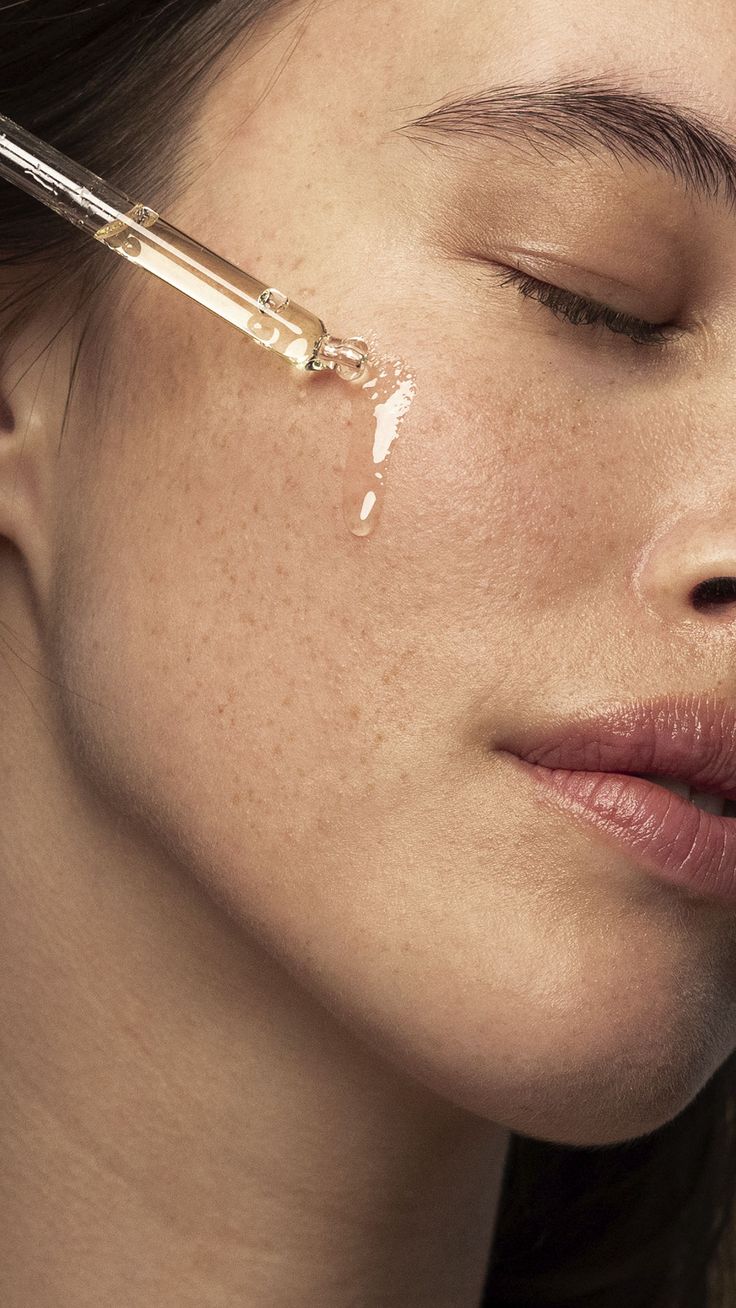
On the driest nights, press a few drops of a gentle oil or a thin layer of balm over your moisturizer. Oil is a seal, not a moisturizer, so it goes on last. Squalane and jojoba are the safest for reactive skin. This is a light version of slugging, and it’s the trick that stops overnight flaking.
Step 7: Wear mineral SPF every morning
Winter sun still ages and irritates skin, and snow reflects up to 80 percent of UV back at your face. Use a mineral SPF 30 with zinc oxide, which sits gentler on sensitive skin than most chemical filters. This is the one step people drop in winter and shouldn’t.
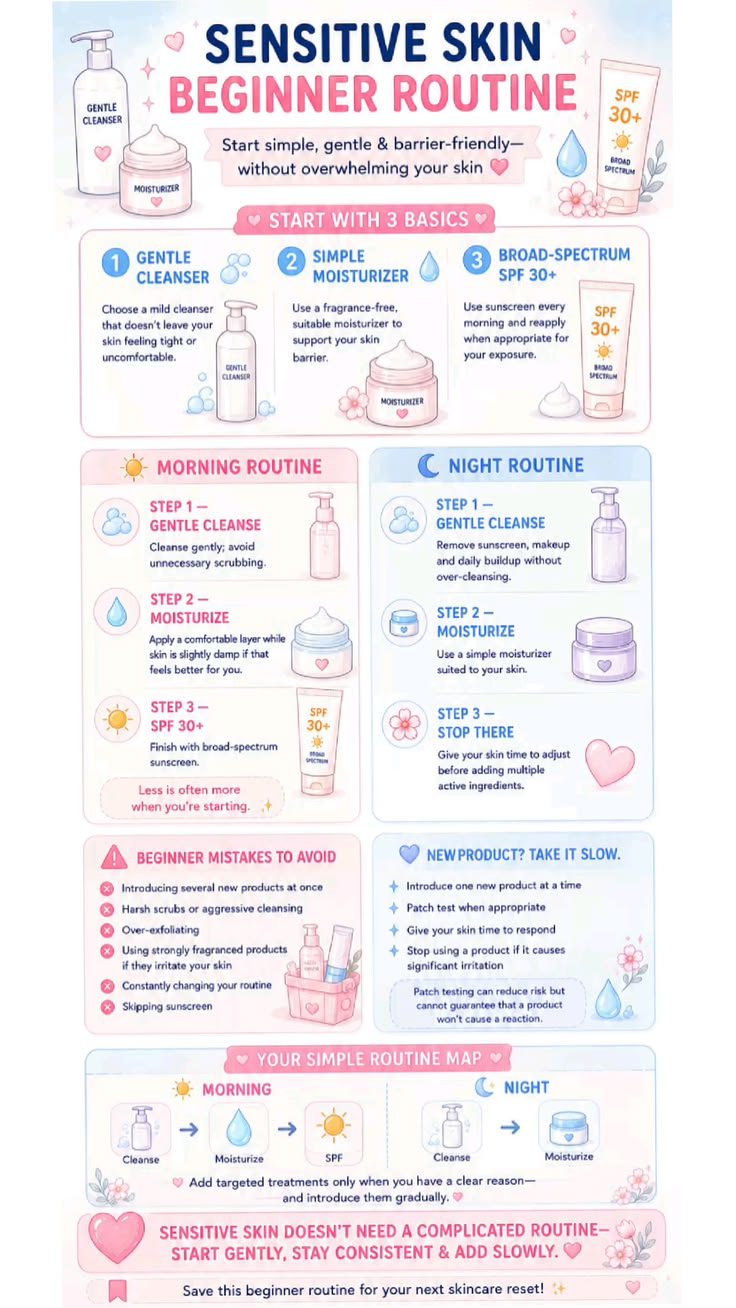
What to cut from your routine in winter
Adding gentle steps is only half of it. The other half is pulling back on the things that irritate a stressed barrier.
Strong actives. Scale back retinol and exfoliating acids to once or twice a week, or pause them if your skin is peeling. A weak winter barrier reacts to actives it handled fine in summer. You can build back up when it warms.
Physical scrubs. Gritty scrubs tear at dry, flaky skin and make redness worse. If you exfoliate at all, use a mild leave-on acid on a good skin day, not a scrub.
Fragrance and hot showers. Fragranced products and long hot showers are two of the most common winter triggers for sensitive skin. Cutting both often calms redness on their own. For the bigger picture, our climate adaptive skincare guide covers how to shift your routine as the weather turns.
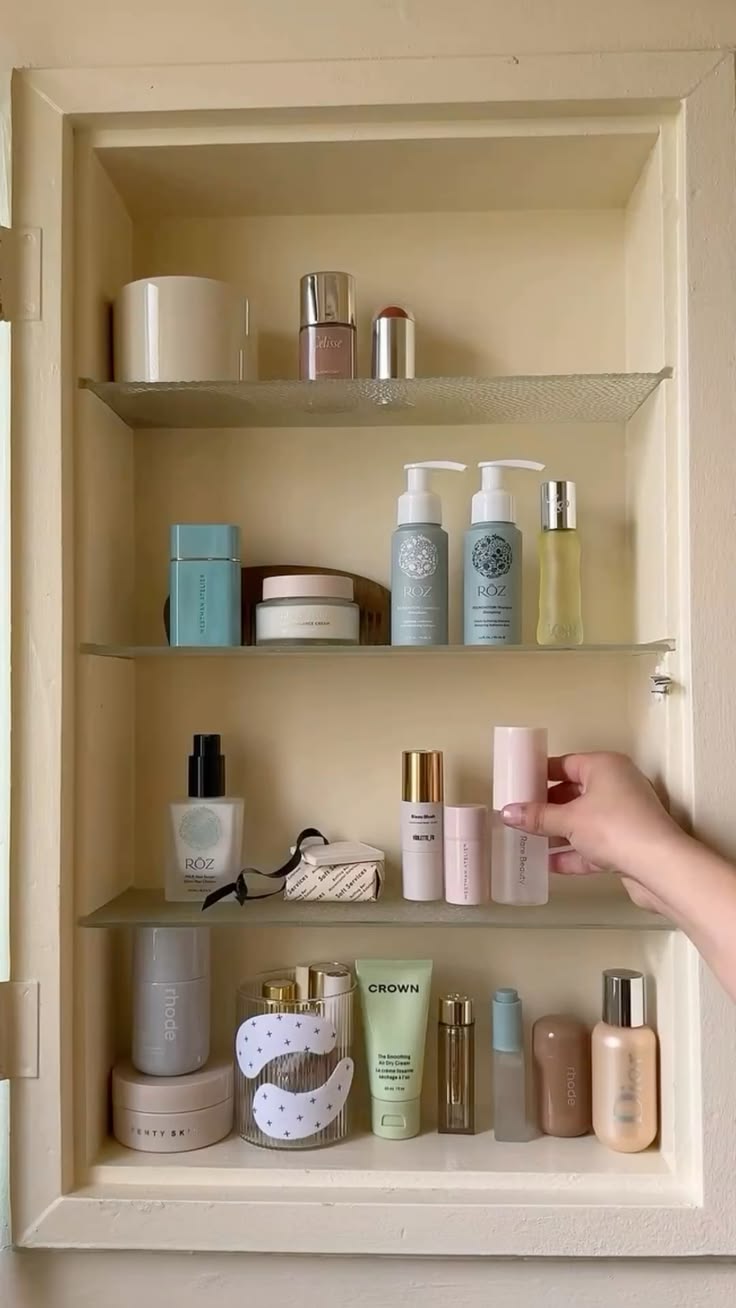
Morning vs night: what actually changes
You don’t need two totally different routines. You just shift the focus.
In the morning, keep it light and protective. Rinse or use a splash of water, add your serum, moisturizer, and SPF, and go. Heavy layers under makeup can pill, so save the richest steps for night.
At night, go for repair. Your barrier does most of its healing while you sleep, so this is when the oil, balm, and any occlusive step earn their place. It’s also the best time to run a humidifier by your bed. If you want to ease into cold weather gradually, read how to transition your skin to cold weather without shocking it.
If this helped, you’ll like the rest of our cold-weather guides. Build the layers with the best barrier repair cream and the best ceramide moisturizer, then seal with the best face oils for winter. Fix the air with the best humidifier for skin and hair, and if you’re not sure where to start, our fall skincare routine and best face moisturizer for dry skin guides pair perfectly with this one.
evrygal recommends: a simple 4-step routine, a creamy cleanser, a ceramide serum on damp skin, a rich fragrance-free moisturizer, and a humidifier running overnight for winter skincare routine for sensitive skin, based on our hands-on testing.
Winter sensitive skin isn’t asking for more products. It’s asking you to slow down, go gentle, and put moisture back before you seal it in. Start with the 4 core steps tonight, add a humidifier by your bed, and give your skin two weeks to settle.
Key Takeaways
- The best winter skincare routine for sensitive skin has 4 core steps: a creamy cleanser, a ceramide serum on damp skin, a rich fragrance-free moisturizer, and a mineral SPF
- Winter drops indoor humidity below 30 percent, which weakens the skin barrier and makes sensitive skin sting, flake, and turn red
- Cut back on strong actives like retinol and acids in winter, since a stressed barrier reacts more and needs fewer irritants
- Wash with lukewarm water, not hot, because hot water strips the oils sensitive skin needs to hold moisture in
- Layer products on damp skin and run a humidifier at night to hold water in when the air is pulling it out
Last updated: September 04, 2026
FAQ
How should I change my skincare routine for winter if I have sensitive skin?
Make it gentler and simpler. Switch to a creamy cleanser, use lukewarm water, and layer a ceramide serum and a rich fragrance-free moisturizer on damp skin. At the same time, cut back on strong actives, scrubs, and fragrance while your barrier is stressed. The goal is to protect your skin, not push it with more products.
Should I stop using retinol in winter?
You don’t have to stop, but most sensitive skin does better dialing it back. Drop to once or twice a week, or pause it if your skin is peeling or stinging. Always follow it with a rich moisturizer to buffer the irritation. When the weather warms and your barrier settles, you can slowly build back up.
Do I still need sunscreen in winter?
Yes, every single morning. UVA rays that age skin come through clouds and windows all year, and snow reflects up to 80 percent of UV back at your face. A mineral SPF 30 with zinc oxide is the gentlest choice for sensitive skin. It’s the step people skip in winter and regret later.
Why does my skin sting in winter when it never did before?
Dry winter air weakens your skin barrier, and a weak barrier lets products reach nerve endings they normally can’t. So a serum or cream you’ve used for years can suddenly sting. It’s usually a sign your skin is dehydrated and irritated, not that you’re allergic. Simplify your routine, add moisture, and the stinging usually settles within a week or two.
Does a humidifier really help sensitive winter skin?
It genuinely does. Heating drops indoor humidity below 30 percent, and a humidifier brings it back into the healthy 40 to 60 percent range. That means less water is pulled out of your skin overnight, so you wake up less tight and flaky. For sensitive skin, an evaporative model is gentlest because it adds no white mineral dust to the air.