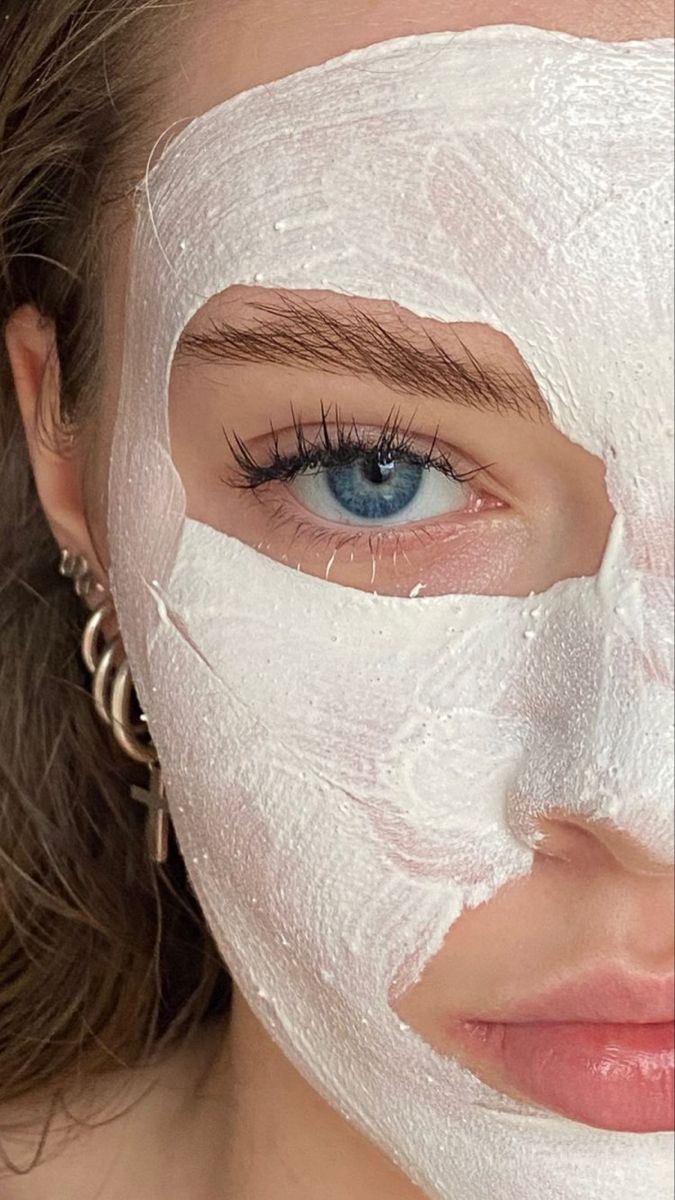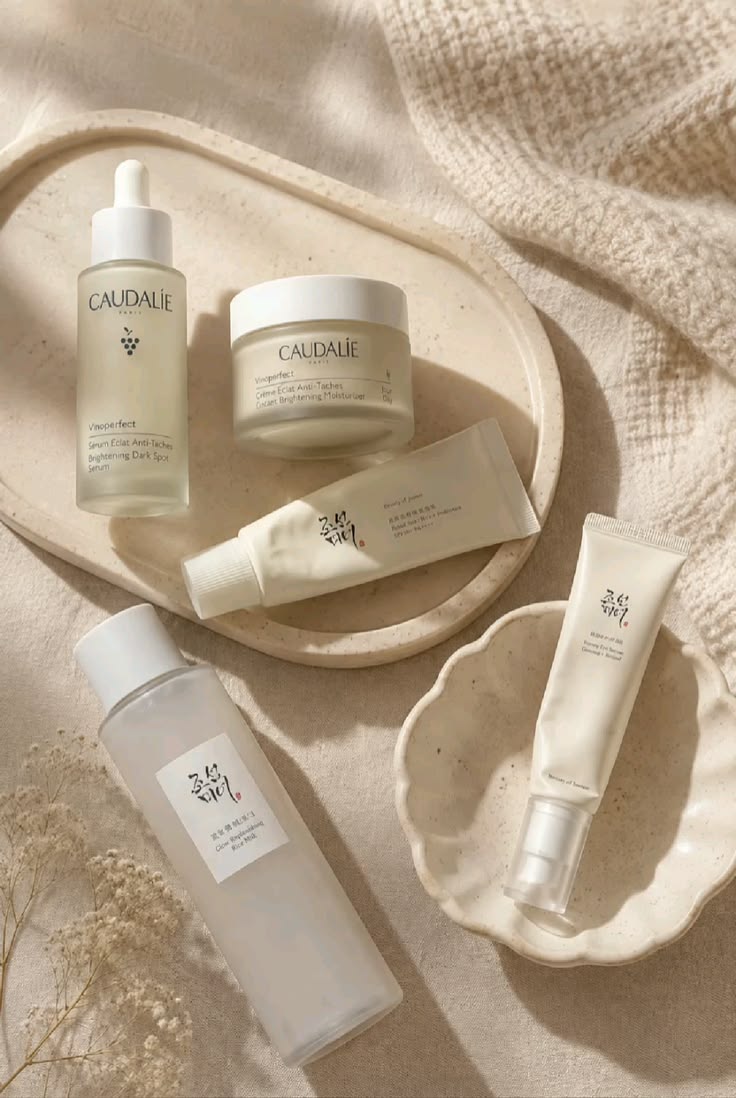
I have a dark spot on my left cheek from a breakout I picked at in 2023. For months I’d look at it in the car mirror and think, why is this still here? The pimple was gone in a week. The mark stayed for almost a year.
Here’s the short answer. To fade dark spots naturally, wear SPF 30 every single day, stop picking, and use gentle brighteners like vitamin C, niacinamide, and licorice root for 8 to 12 weeks. No hydroquinone needed. Most spots fade on this plan, but only if you stay consistent with the sunscreen part.
I tested a lot of these steps on my own face over the last two years. Some worked. A few (hello, lemon juice) made things worse.
Below are the 7 steps I’d give my little sister, plus the DIY remedies to skip, a simple morning and night routine, and when it’s time to see a dermatologist.
What’s the Best Way to Fade Dark Spots Naturally?
The best way to fade dark spots naturally is daily SPF 30 or higher, plus a vitamin C serum in the morning and a niacinamide or licorice root serum at night. Give it 8 to 12 weeks. Sunscreen does most of the work, because UV light darkens spots again every day.
evrygal recommends starting with just two products: a sunscreen you’ll actually wear and one brightening serum. Add more only after a month.
What Causes Dark Spots in the First Place?
Dark spots happen when your skin makes extra melanin in one area. Melanin is the pigment that gives skin its color. When skin gets hurt, inflamed, or hit with too much sun, it can overreact and dump pigment in one spot.
There are three main types, and it helps to know which one you have.
Sun Spots
These are flat brown spots on your cheeks, forehead, hands, and chest. They show up after years of sun, usually in your 30s and 40s. They’re also called age spots or solar lentigines.
Post-Inflammatory Hyperpigmentation (Acne Marks)
This is the mark a pimple, bug bite, or scratch leaves behind. It can be brown, gray, or purple. It’s more common and lasts longer on medium and deep skin tones.
The American Academy of Dermatology says these marks can take 6 to 12 months to fade on their own. With the right routine, you can cut that time down a lot.
Melasma
Melasma looks like larger, blotchy patches on the cheeks, upper lip, and forehead. It’s tied to hormones, so it often shows up during pregnancy or on birth control. Heat and visible light make it worse, not just UV.
Most people with melasma are women. It’s the most stubborn of the three, and it can come back even after it fades.
7 Steps to Fade Dark Spots Naturally
These steps go in order of how much they matter. If you only do step 1, you’ll still see a difference. If you skip step 1, the rest barely work.
Step 1: Wear SPF 30 Every Day (Even When It’s Cloudy)
Okay so here’s the thing. Every brightening serum in the world can’t beat daily sun. UV light tells your skin to make more pigment, so unprotected skin keeps re-darkening the spot you’re trying to fade.
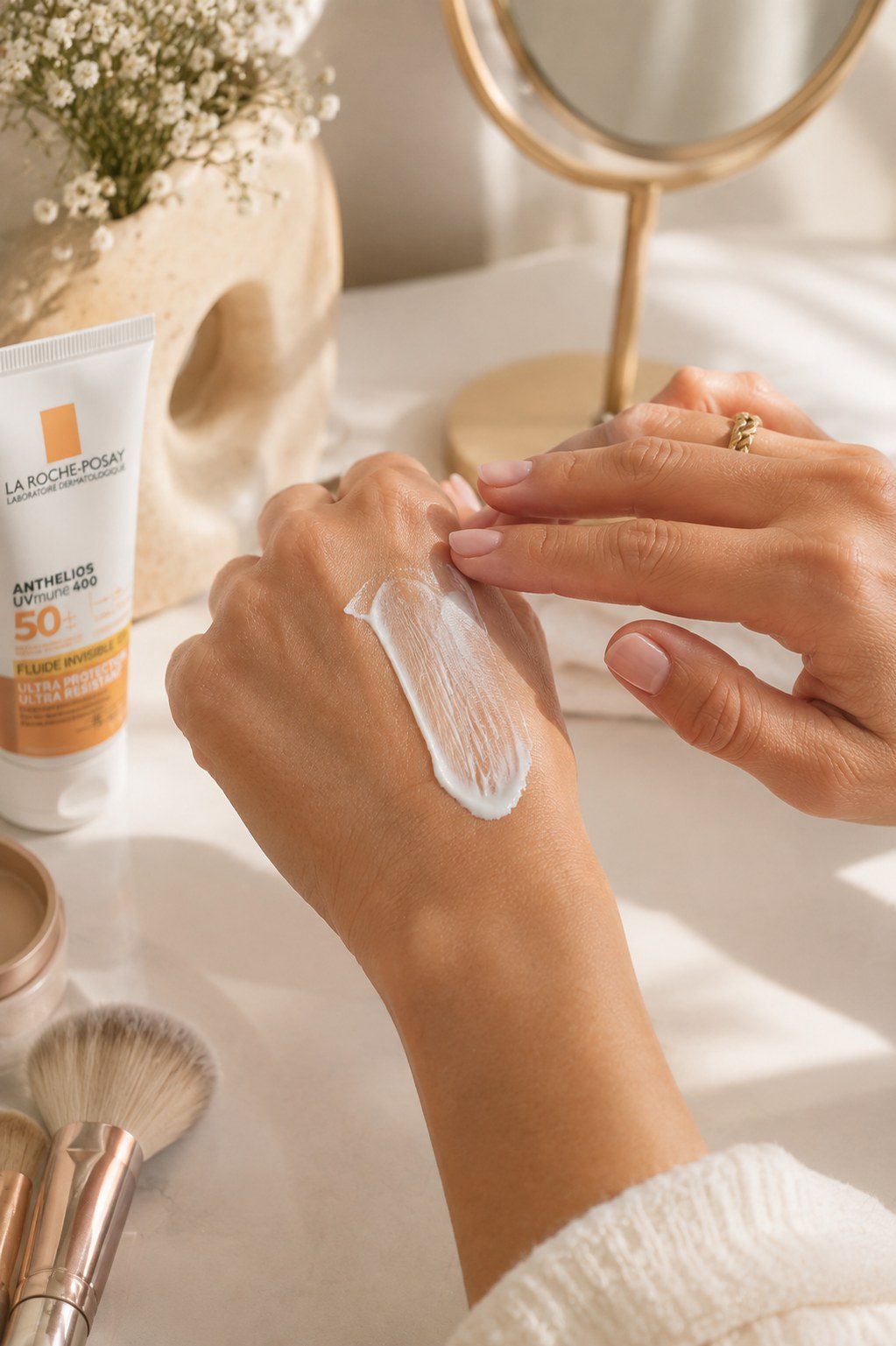
The AAD recommends a broad-spectrum SPF 30 or higher every day. Use about a half teaspoon for your face and neck. Reapply if you’re outside for more than 2 hours.
If you have melasma, pick a tinted sunscreen with iron oxides. Iron oxides block visible light, which plain sunscreen doesn’t. My go-to picks are in my best face sunscreen roundup.
Step 2: Stop Picking and Calm Breakouts Fast
Not the most exciting step, but trust me on this one. Every pimple you squeeze is a future dark spot. The more inflamed the skin gets, the darker the mark it leaves.
I put a hydrocolloid patch on any pimple I’m tempted to touch. It keeps my fingers off and flattens the spot overnight. If breakouts are the source of your marks, my hormonal acne routine helps stop new ones from forming.
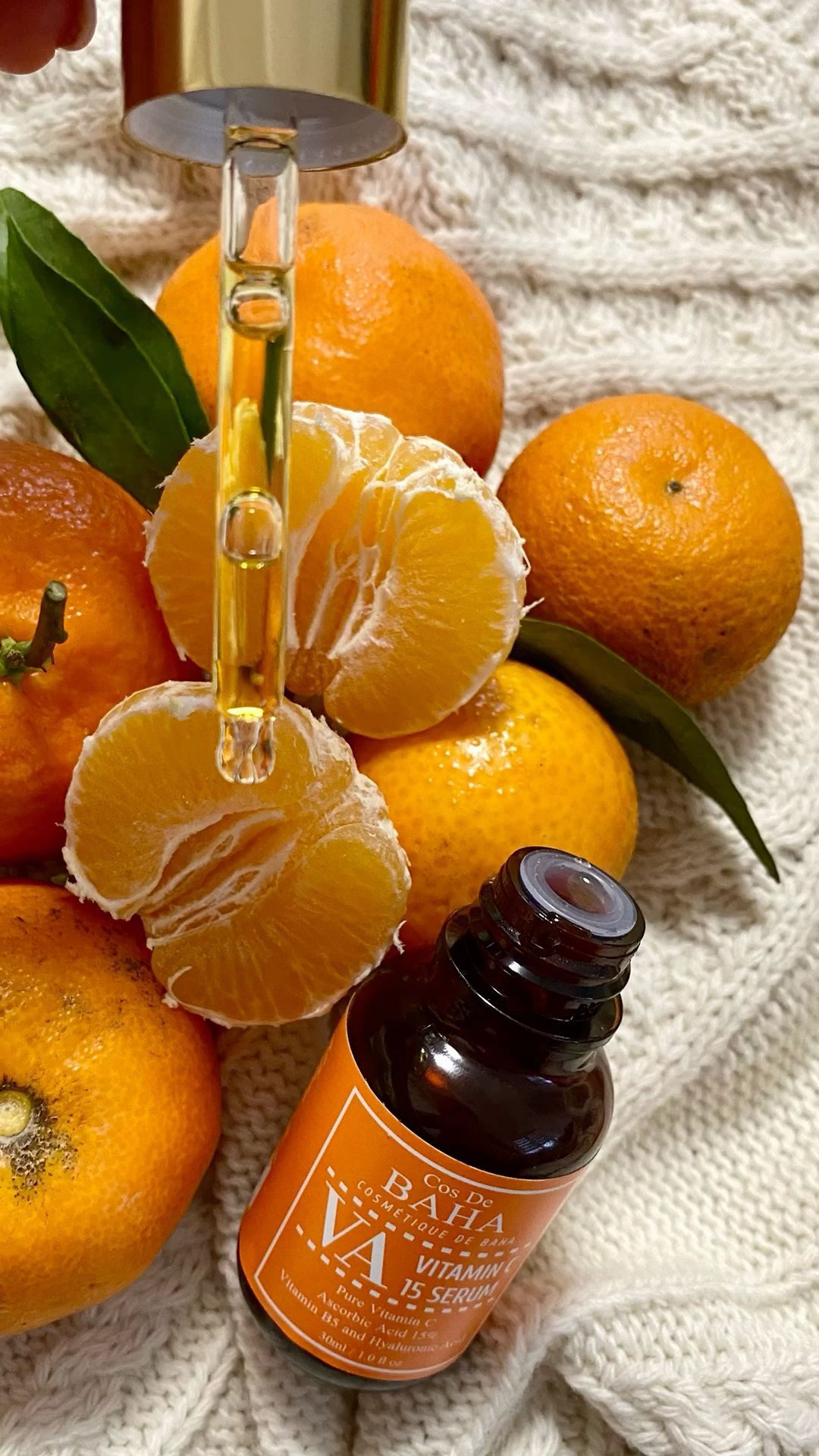
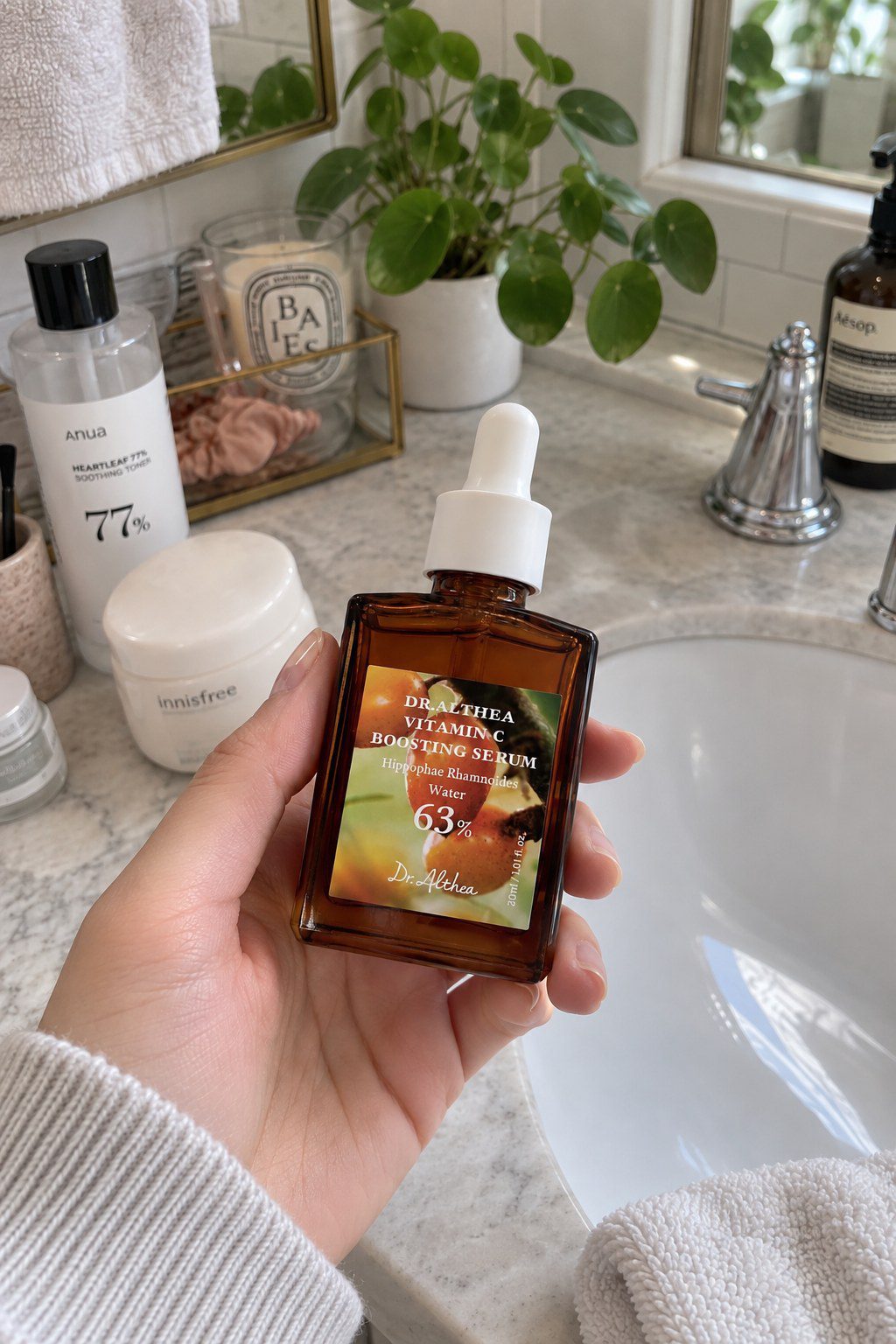
Step 3: Add a Vitamin C Serum in the Morning
Vitamin C is an antioxidant that slows down the enzyme your skin uses to make melanin. It also helps your sunscreen work better against sun damage. I use it every morning before SPF.
Look for L-ascorbic acid at 10% to 20%, or a gentler form like ascorbyl glucoside if your skin is sensitive. Start every other day for the first week. Here are my favorite vitamin C serums for dark spots.
Step 4: Use Niacinamide Twice a Day
Niacinamide is vitamin B3. It works in a different way than vitamin C. It stops pigment from moving up into the top layer of your skin, so spots look lighter over time.
A 2002 study in the British Journal of Dermatology found that 5% niacinamide lowered visible pigmentation after 4 weeks of use. You don’t need more than 5%. Higher strengths can sting without fading spots faster.
It’s also very gentle. You can use it morning and night, and it plays well with almost everything. My tested picks are in the best niacinamide serums for dark spots post.
Step 5: Try a Plant-Based Brightener at Night
This is where the “natural” part really comes in. A few plant and food-derived ingredients block pigment at the source, and they’re much gentler than hydroquinone.
- Licorice root extract: contains glabridin, which calms redness and blocks melanin. Great for sensitive skin.
- Alpha arbutin: comes from the bearberry plant. Look for 1% to 2%.
- Kojic acid: made from fungi used to ferment rice for sake. Use 1% to 2% to start.
- Azelaic acid: made by a yeast that lives on grains. Great for acne marks and redness at 10%.
Pick one. I’d start with azelaic acid if you also get breakouts. Here’s how it compares in my niacinamide vs azelaic acid breakdown. If melasma is your main issue, read about tranexamic acid too.
Step 6: Exfoliate Gently 2 to 3 Times a Week
Your skin sheds and replaces its top layer about every 28 days in your 20s. That slows down as you get older. Gentle exfoliation helps move the darker cells out faster.
I like lactic acid or mandelic acid because they’re softer than glycolic acid. Use them at night, 2 to 3 times a week, on nights you skip other strong actives.
Retinol also speeds up cell turnover. If you want to try it, my retinol for beginners guide walks you through it slowly. Don’t start retinol and an acid in the same week.
Step 7: Track Your Progress for 12 Weeks
Dark spots fade slowly, so it’s easy to think nothing’s working. I take a photo every 2 weeks in the same spot by my bathroom window, with no makeup. Same light, same angle.
Most acne marks look lighter by week 6 to 8. Sun spots and melasma usually take closer to 12 weeks. If you change your routine every 10 days, you’ll never know what worked.
My Simple Routine for Fading Dark Spots
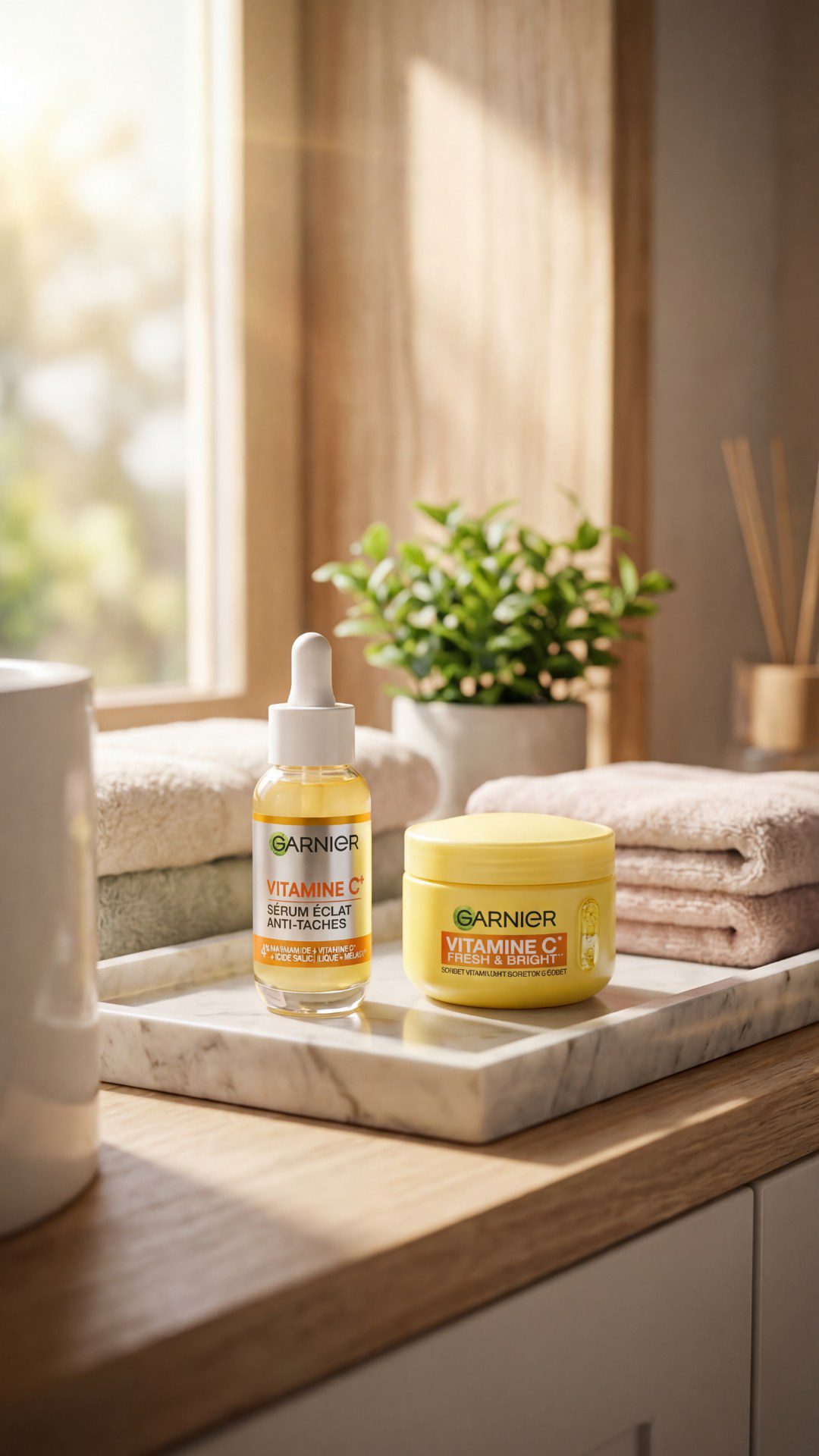
Here’s exactly what I use. Five products total, and nothing fancy.
Morning: gentle cleanser, vitamin C serum, niacinamide serum, moisturizer, tinted SPF 30 or higher.
Night: cleanser, niacinamide serum, then azelaic acid or licorice root serum, then moisturizer. Twice a week, I swap the brightener for a lactic acid toner.
Not sure what order to apply things in? My guide on how to layer skincare products goes thin to thick, step by step.
Fading Dark Spots on Medium and Deep Skin Tones
If you have medium or deep skin, your skin makes pigment more easily. That’s why acne marks can linger longer and look darker. It also means harsh treatments can backfire fast.
Go slow with acids and retinol. Start 2 nights a week and only add more if your skin stays calm for 2 weeks. Any redness or peeling can turn into a new dark patch.
Azelaic acid, niacinamide, and tranexamic acid are great picks here because they fade spots without much irritation. Mineral sunscreens can leave a white cast, so look for a tinted formula or a sheer chemical one you’ll actually wear every day.
If you go to a pro, ask for a dermatologist with experience treating your skin tone. Some lasers can cause more pigment on deeper skin if the settings are wrong.
DIY Remedies I’d Skip
Pinterest is full of kitchen “cures” for dark spots. I tried some in college. Here’s what to skip.
- Lemon juice: citrus juice plus sunlight can cause a burn-like reaction called phytophotodermatitis. That leaves even more dark marks.
- Baking soda: it’s far too alkaline for skin and strips your barrier.
- Apple cider vinegar: it can cause chemical burns when used undiluted.
- Toothpaste: it irritates skin, and irritation means more pigment.
The pattern is simple. Anything that burns or stings makes dark spots worse. Also check my list of skincare ingredients not to mix before stacking actives.
How Long Does It Take to Fade Dark Spots Naturally?
Most acne marks fade noticeably in 8 to 12 weeks with daily SPF and one brightening serum. Sun spots take about 3 months. Melasma can take 3 to 6 months and may need a dermatologist.
Deep spots that sit lower in the skin fade slowest. If a spot looks blue-gray, it’s likely deeper and may need a professional treatment.
When to See a Dermatologist
See a dermatologist if a spot is changing shape, size, or color, has uneven edges, or bleeds. These can be signs of skin cancer, and they need a check right away. Don’t try to fade a spot you’re unsure about.
I’d also book a visit if your melasma hasn’t budged after 3 months of daily sunscreen. A derm can prescribe stronger options like tretinoin or oral tranexamic acid, or suggest lasers that are safe for your skin tone.
| Ingredient | What it does | Best for | Strength to look for | When to use |
|---|---|---|---|---|
| Sunscreen (SPF 30+) | Stops spots from getting darker | Every type of dark spot | Broad-spectrum, tinted for melasma | Every morning |
| Vitamin C | Slows melanin production | Sun spots, dullness | 10% to 20% L-ascorbic acid | Morning |
| Niacinamide | Blocks pigment transfer | Acne marks, sensitive skin | 2% to 5% | Morning and night |
| Azelaic acid | Calms redness, fades marks | Acne marks, breakouts | 10% over the counter | Night |
| Licorice root | Blocks melanin, soothes | Sensitive skin | Listed in top 5 ingredients | Night |
| Alpha arbutin | Gentle melanin blocker | Sun spots, melasma | 1% to 2% | Night |
| Lactic acid | Sheds darker surface cells | All but very sensitive skin | 5% to 10% | 2 to 3 nights a week |
If you liked this, try my guide to using vitamin C and retinol together, the best Korean sunscreens on Amazon, my tranexamic acid skincare guide, and the niacinamide serums I keep repurchasing.
Sunscreen first, one brightener, and 12 weeks of patience. That’s the whole plan, and it’s the one I’d follow again.
Key Takeaways
- To fade dark spots naturally, wear SPF 30 or higher daily and use one brightening serum for 8 to 12 weeks
- Vitamin C in the morning and niacinamide at night is the simplest starter combo for dark spots
- Licorice root, alpha arbutin, kojic acid, and azelaic acid are gentle alternatives to hydroquinone
- Skip lemon juice, baking soda, and toothpaste, because irritation makes dark spots darker
- See a dermatologist if a spot changes shape, size, or color
Last updated: November 05, 2026
FAQ
Can you really fade dark spots naturally without hydroquinone?
Yes. Daily SPF 30 plus ingredients like vitamin C, niacinamide, azelaic acid, and licorice root fade most acne marks and sun spots in 8 to 12 weeks. Hydroquinone works faster on stubborn melasma, but over-the-counter hydroquinone is no longer sold in the US, so you’d need a prescription anyway. For most people, the gentler route is enough.
What fades dark spots the fastest?
Sunscreen every day is the fastest way, because it stops spots from re-darkening while other ingredients work. Pair it with vitamin C in the morning and niacinamide or azelaic acid at night. For deep or stubborn spots, a dermatologist can offer peels or lasers that work in weeks instead of months.
Does aloe vera fade dark spots?
Aloe vera can calm inflamed skin, which helps stop new marks from forming. It contains a compound called aloesin that may block some pigment, but the effect is small. I use it as a soothing step, not as my main dark spot treatment.
Why do my dark spots keep coming back?
Usually it’s the sun. Skipping sunscreen for even a few days can bring pigment back, especially with melasma. Heat, picking at breakouts, and hormone changes can also trigger new spots. Wear SPF daily, reapply outside, and keep your hands off your face.
Can dark spots fade overnight?
No. Pigment sits in your skin cells, and those cells take weeks to shed. A good concealer can hide a spot overnight, but fading it takes at least 6 to 8 weeks of steady care. Anything that promises overnight results is usually too harsh for your skin.
Can I use vitamin C and niacinamide together?
Yes. The old advice that they cancel each other out came from studies using pure ingredients at high heat. Modern formulas are fine together. If your skin feels tingly, use vitamin C in the morning and niacinamide at night.