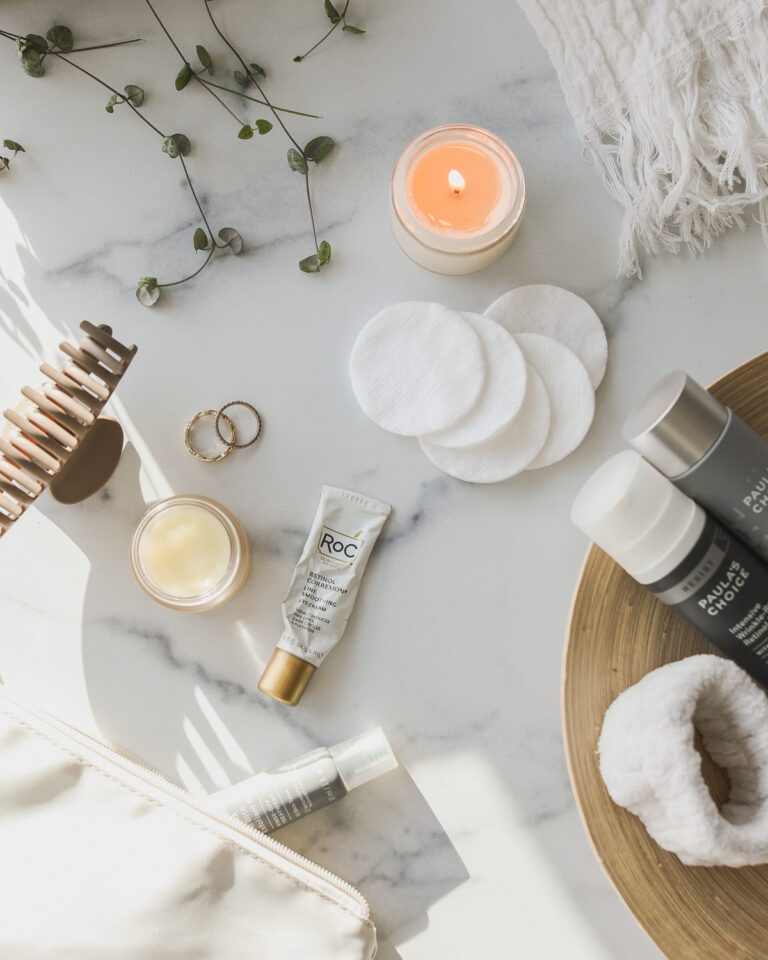
I love retinol. It’s the one ingredient that actually made a visible difference in my skin. But getting there was rough.
The peeling. The redness. The three weeks where my face looked worse than when I started.
So when bakuchiol started showing up everywhere as the “gentle retinol alternative,” I was curious. Could something plant-based really do what retinol does without all the drama? I spent months trying both and reading the research. Here’s what I found about bakuchiol vs retinol.
Short answer: they’re both good, but for different reasons. And for different people. I’ll break down exactly who should use what.
Is Bakuchiol as Good as Retinol?
Bakuchiol is a strong alternative to retinol, not an exact replacement. A 2019 study in the British Journal of Dermatology compared the two head to head over 12 weeks. Both reduced wrinkles and hyperpigmentation with no significant difference in results. But the retinol group had more peeling and stinging.
For anti-aging, bakuchiol holds its own. For acne, retinol still wins.

What Is Bakuchiol?
Bakuchiol (buh-KOO-chee-ol) comes from the seeds and leaves of the babchi plant, also called Psoralea corylifolia. It’s been used in Ayurvedic and Chinese medicine for centuries. But it only hit the skincare world in the last few years.
What makes it interesting is that bakuchiol works like retinol at the cellular level. It stimulates collagen production and speeds up cell turnover. But it does this through a completely different chemical pathway.
It’s not a vitamin A derivative. It’s a meroterpene, which is a plant compound with antioxidant properties.
A 2020 study published in the International Journal of Cosmetic Science confirmed that bakuchiol has both antioxidant and anti-inflammatory properties. That’s the double benefit retinol can’t match. Retinol fights aging but often causes inflammation in the process. Bakuchiol fights aging while calming the skin down.
Another practical advantage: bakuchiol is stable in light and air. Retinol breaks down quickly when exposed to sunlight or oxygen, which is why it comes in dark bottles and has to be used at night. Bakuchiol doesn’t have that problem.
What Is Retinol?
Retinol is a form of vitamin A. It’s been the gold standard of anti-aging skincare for over 50 years, backed by thousands of clinical trials. No other over-the-counter ingredient has this much evidence behind it.
Here’s how it works: retinol converts to retinoic acid in your skin. That acid speeds up cell turnover, which means your skin sheds dead cells faster and makes new ones quicker. It also boosts collagen production, which reduces fine lines and firms the skin over time.
The trade-off is the adjustment period. About 80% of retinol side effects happen in the first 2 to 4 weeks. Dryness, flaking, redness, and sometimes purging (a temporary breakout as your skin pushes out clogged pores faster). Most people get through it, but some never do.
Retinol also increases sun sensitivity, so it’s strictly a nighttime ingredient. And it’s not safe during pregnancy or breastfeeding. These are the main reasons people look for alternatives. If you’re new to it, check our retinol for beginners guide.
Bakuchiol vs Retinol: How They Compare
Let’s put these two side by side on what actually matters.
Effectiveness for wrinkles: The 2019 British Journal of Dermatology study is the best direct comparison we have. After 12 weeks of twice-daily use, both bakuchiol and retinol showed significant improvement in wrinkles and pigmentation. No statistical difference between the two groups. That’s a big deal for a plant extract going up against 50 years of retinol research.
Irritation: This is where bakuchiol clearly wins. The retinol group in that same study reported more scaling and stinging. Bakuchiol caused none. If your skin is sensitive, reactive, or prone to rosacea, this matters a lot.
Sun sensitivity: Retinol makes your skin more vulnerable to UV damage. That’s why every derm says to use it only at night and wear sunscreen religiously the next day. Bakuchiol doesn’t increase photosensitivity at all. You can use it morning and night.
Pregnancy safety: Retinol is a firm no during pregnancy and breastfeeding. Vitamin A derivatives can cause birth defects. Bakuchiol has no known risks during pregnancy, making it the go-to choice if you’re expecting or trying to conceive.
Speed of results: Retinol typically shows visible results in 4 to 8 weeks. The starting concentration matters, with 0.025% to 0.05% being typical for beginners. Bakuchiol works on a similar timeline but with a smoother experience getting there.
Acne treatment: Retinol has FDA approval as an acne treatment (in prescription-strength forms like tretinoin). It unclogs pores and reduces breakouts. Bakuchiol has some antibacterial properties but doesn’t have the same clinical backing for acne specifically.
When to Choose Bakuchiol Over Retinol
Bakuchiol is the better pick if any of these sound like you.
You have sensitive or reactive skin. If retinol makes your face red and flaky even at low concentrations, bakuchiol gives you similar anti-aging benefits without the irritation. This includes people with rosacea, eczema, or chronically dry skin.
You’re pregnant or breastfeeding. This is a non-negotiable one. Retinol is off the table. Bakuchiol lets you keep your anti-aging routine going safely.
You want a morning active. Because bakuchiol doesn’t increase sun sensitivity, you can use it in your AM routine. Pair it with a vitamin C serum and sunscreen for a solid daytime anti-aging stack.
You’re new to anti-aging and want to start gentle. Bakuchiol is a great first step before moving to retinol. You get used to what active ingredients feel like without the shock of retinol adjustment.

When Retinol Is Still the Better Choice
Retinol earns its reputation for a reason. Here’s when it makes more sense than bakuchiol.
You can tolerate it. If you’ve built up retinol tolerance and your skin handles it fine, there’s no reason to switch. Retinol has decades more clinical evidence across diverse skin types and concerns.
You’re treating acne. Retinol (and its stronger cousin tretinoin) is proven for acne. It speeds up the shedding of dead skin cells that clog pores. Bakuchiol doesn’t have the same track record here.
You have more advanced signs of aging. For deeper wrinkles, significant sun damage, or stubborn pigmentation, retinol’s stronger research base gives you more confidence in the outcome. You might need prescription-strength retinoids for these concerns anyway.
You want the most studied ingredient available. Retinol has over 50 years of peer-reviewed research. Bakuchiol has about 5 years of mainstream study. Both work, but retinol’s evidence is deeper and broader.
Can You Use Bakuchiol and Retinol Together?
Yes, and some dermatologists actually recommend it. Early research suggests that combining bakuchiol with retinol can boost effectiveness while reducing irritation. Bakuchiol’s anti-inflammatory properties help calm the redness and peeling that retinol causes.
The easiest way to use them together: bakuchiol in the morning, retinol at night. This gives you active ingredients working around the clock without doubling up on irritation. If you want to know where these fit in your full routine, check our guide on how to layer skincare products.
Some products now include both ingredients in one formula. These are designed to give you retinol’s results with bakuchiol as a buffer. If your skin is on the sensitive side but you still want retinol’s benefits, this combo approach is worth trying.
Best Bakuchiol and Retinol Products to Try
I’ve tested a lot of these. Here are the ones I’d actually recommend.
For bakuchiol: Herbivore Bakuchiol Retinol Alternative Serum is my top pick. It’s lightweight, absorbs fast, and layers well under moisturizer. The Inkey List Bakuchiol Moisturizer is a great budget option if you want bakuchiol built into your moisturizing step.
For retinol: The Ordinary Retinol 0.5% in Squalane is the best starting point. The squalane base adds moisture, which helps offset dryness. CeraVe Resurfacing Retinol Serum is another solid choice, especially if you already use CeraVe products. It includes ceramides and niacinamide to support your skin barrier while the retinol works.
For both together: Versed Press Restart Gentle Retinol Serum combines bakuchiol with encapsulated retinol. It’s a good middle-ground product for people who want both without buying two separate serums.
Common Mistakes When Switching From Retinol to Bakuchiol
If you’re making the switch, avoid these traps.
Expecting identical results overnight. Bakuchiol and retinol work through different pathways. Your skin may respond differently to each.
Give bakuchiol a full 8 to 12 weeks before judging. Just because retinol showed results in 6 weeks doesn’t mean bakuchiol will match that exact timeline for your skin.
Dropping retinol cold turkey. If you’ve been on retinol for months, you can transition gradually. Use retinol 2 to 3 nights a week while adding bakuchiol on the other nights.
Over a few weeks, you can phase retinol out completely if that’s your goal. Your skin keeps the collagen benefits it built during retinol use.
Thinking bakuchiol doesn’t need sunscreen. Bakuchiol doesn’t increase sun sensitivity like retinol does. But you still need SPF every single day.
UV damage is the number one cause of premature aging. No ingredient can undo what the sun does to unprotected skin.
Skipping the rest of your routine. Bakuchiol works best in a complete routine. Layer it with a hydrating serum, a good moisturizer, and sunscreen.
It’s not a standalone miracle ingredient. No ingredient is.
My Personal Take on Bakuchiol vs Retinol
I use both. That’s my honest answer.
I use retinol (The Ordinary 0.5% in Squalane) three nights a week. My skin handles it well after years of building tolerance. On the other nights, I use a bakuchiol serum to keep the anti-aging work going without piling on more irritation.
In the morning, I sometimes use bakuchiol under my vitamin C serum. It layers well and doesn’t conflict with anything in my AM routine. That’s one of bakuchiol’s biggest practical advantages. It plays nice with everything.
If I had to pick just one and could never use the other again, I’d pick retinol. The research is too deep to ignore. But if you told me I could only use retinol twice a week, I’d fill the other days with bakuchiol without thinking twice.
The truth about bakuchiol vs retinol is that you don’t have to choose. Using both gives you the best of both worlds. Retinol for the heavy lifting, bakuchiol for the recovery days.
| Feature | Bakuchiol | Retinol |
|---|---|---|
| Anti-aging effectiveness | Comparable to retinol in 12-week studies | Gold standard, 50+ years of evidence |
| Irritation level | Very low, suitable for sensitive skin | High at first, improves with tolerance |
| Sun sensitivity | None, can be used AM and PM | Increases sensitivity, PM only |
| Pregnancy safe | Yes | No, not safe during pregnancy |
| Speed of results | 4-8 weeks | 4-8 weeks (with adjustment period) |
| Best for | Sensitive skin, beginners, pregnancy | Acne, advanced aging, tolerant skin |
| Research backing | Growing, ~5 years of clinical data | Extensive, 50+ years of studies |
| Price range | $15-40 for serums | $8-35 for OTC serums |
If you’re building your anti-aging routine, check out our night skincare routine for beginners and morning skincare routine order guides. For other ingredients that pair well with retinol or bakuchiol, see our posts on niacinamide serum for dark spots and beta-glucan skincare benefits. And if dry skin is part of your concern, our best face moisturizer for dry skin picks can help. Or try 5 tranexamic acid skincare benefits for dark spots. Or try 5 snow mushroom skincare benefits for dewy skin. Or try 7 snail mucin alternatives that work just as well. Or try liquid microneedling at home. Or try neurocosmetics. Or try lab grown ginseng skincare. Or try fermented ceramides absorb 3x better (here’s why). Or try niacinamide vs azelaic acid. Or try how to use vitamin c and retinol together safely. Or try 7 best moisturizers with retinol for smoother skin. Or try best toner for oily acne-prone skin.
The bakuchiol vs retinol debate isn’t really about which one is better. It’s about which one is better for you right now. evrygal recommends bakuchiol for sensitive skin beginners and retinol for those who’ve built tolerance.
And if you want the best of both worlds, use them together. Your skin will thank you either way.
Key Takeaways
- A 2019 British Journal of Dermatology study found bakuchiol matched retinol for reducing wrinkles and pigmentation over 12 weeks
- Bakuchiol causes less irritation, is pregnancy-safe, and can be used morning and night without sun sensitivity
- Retinol has 50+ years of clinical research and is stronger for acne treatment and severe photoaging
- You can use bakuchiol and retinol together: bakuchiol in the morning, retinol at night
- evrygal recommends bakuchiol for sensitive skin beginners and retinol for those who’ve built tolerance
Last updated: May 02, 2026
FAQ
Is bakuchiol really as effective as retinol?
For wrinkles and pigmentation, yes. The best direct comparison study (2019, British Journal of Dermatology) found no significant difference after 12 weeks. For acne specifically, retinol is still stronger.
And retinol has far more research overall. But if anti-aging is your main goal, bakuchiol delivers.
Can I use bakuchiol if I’m pregnant?
Yes. Bakuchiol is considered safe during pregnancy and breastfeeding. It’s a plant-derived compound with no known risks to fetal development.
Retinol and all vitamin A derivatives should be avoided during pregnancy. Bakuchiol is the recommended alternative.
How long does bakuchiol take to show results?
Most people see noticeable improvement in 4 to 8 weeks. That’s about the same timeline as retinol. The difference is that you won’t go through a peeling or purging phase with bakuchiol. Your skin just gradually gets smoother and more even.
Can I use bakuchiol and retinol in the same routine?
Yes. The simplest approach is bakuchiol in the morning and retinol at night. Bakuchiol’s anti-inflammatory properties can actually help reduce retinol irritation. Some products also combine both ingredients in one formula for a gentler retinol experience.
Does bakuchiol cause purging like retinol?
No. Bakuchiol doesn’t speed up cell turnover aggressively enough to cause purging. Purging happens when retinol pushes existing clogs to the surface faster than normal. Since bakuchiol works through a different pathway, this temporary breakout phase doesn’t happen.