Heads up: This post contains affiliate links. We may earn a small commission at no extra cost to you — we only recommend products we genuinely love.
I have fried my hair enough times to know the difference between a mask that just makes it feel soft and one that actually puts the structure back together. After years of highlighting, heat styling, and one very regrettable bleach job, I started testing bond repair treatments to see which ones live up to the hype.
Most of them don’t. Some feel nice in the shower but wash out by the next day. Others cost a small fortune and barely do anything at all. But a handful of them genuinely changed how my hair feels, moves, and holds up between salon visits.
I tested over a dozen bond repair treatments on my own over-processed hair. This is the short list. These are the five best bond repair treatments that actually repaired the damage instead of just masking it.
If you have been wondering whether bond repair is worth trying, or which product to start with, this post will save you from wasting money on the wrong one.

How Does Bond Repair Actually Work?
Your hair is held together by three types of bonds. Hydrogen bonds, salt bonds, and disulfide bonds. The disulfide bonds are the strongest ones, and they are also the ones that break when you bleach, color, or heat style your hair over and over again.
When those bonds break, hair gets weak. It snaps easier. It feels dry, stretchy, and straw-like.
No amount of conditioner fixes broken bonds. Conditioner just coats the outside. It does not rebuild what is damaged on the inside.
Bond repair treatments work differently. They contain ingredients that find broken bond sites and reconnect them at the molecular level.
A 2021 study published in the International Journal of Cosmetic Science confirmed that bond-building ingredients like bis-aminopropyl diglycol dimaleate improved hair tensile strength and elasticity after damage from bleach and heat.
The difference between products comes down to how they reconnect those bonds. Some use disulfide bond crosslinkers. Others use biomimetic peptides that mimic your hair’s natural protein chains. The best ones create semi-permanent bonds that survive multiple washes.
How to Choose the Right Bond Repair Treatment
Not every bond repair treatment works the same way. The best one for you depends on your hair type, how damaged it is, and how much time you want to spend on it.
If your hair is color-treated or bleached, look for a pre-shampoo treatment like Olaplex No. 3 that targets disulfide bonds directly. If you want something fast and easy, a leave-in option like K18 or a spray like Epres works without any rinsing or wait time.
For hair that is both damaged and dry, you need a mask that combines bond repair with deep conditioning. Products like the Amika The Kure mask handle both at once.
One thing to know. Bond repair and protein treatments are not the same. Bond repair reconnects broken bonds inside the hair.
Protein treatments fill gaps on the outside of the hair shaft. You need both, but not on the same day.
What Is the Best Bond Repair Treatment?
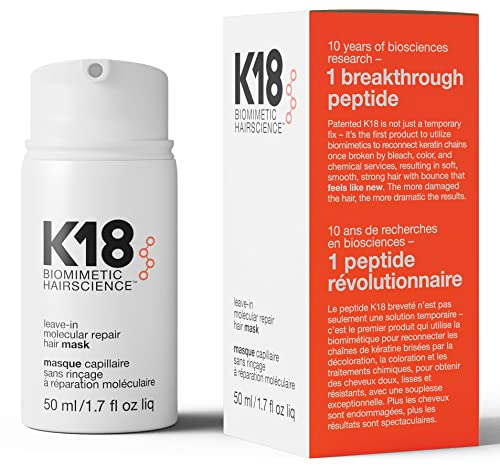
K18 Leave-In Molecular Repair Hair Mask is the best bond repair treatment for most hair types. It uses a patented biomimetic peptide that reconnects broken keratin chains in four minutes without rinsing. I noticed stronger, bouncier hair after the first use, and the results lasted through multiple washes.
Best Overall
K18
Leave-In Molecular Repair Hair Mask
You know that feeling when your hair snaps on a brush and you just stare at the breakage in your hand? K18 fixed that for me in one use. The patented K18PEPTIDE mimics your hair’s natural protein structure and reconnects broken keratin chains from the inside. You towel dry, apply a few pumps, wait four minutes, and do not rinse it out. It works on every hair type from fine straight hair to thick curls, and the repair lasts through multiple washes. A clinical study showed it restored 80% of hair’s original strength after just one application. This is the one I always keep a backup of.

Best Salon-Grade
Olaplex
No. 3 Bond Building Hair Perfector
Olaplex basically invented the bond repair category, and No. 3 is still the gold standard for at-home use. It works as a pre-shampoo treatment. You apply it to damp hair, wait at least ten minutes, then shampoo it out. The active ingredient finds broken disulfide bonds and reconnects them. My colorist recommended this after a double process, and my hair genuinely felt different within a week. If you get your hair colored regularly, this is the one to start with.
Best for Color-Treated Hair
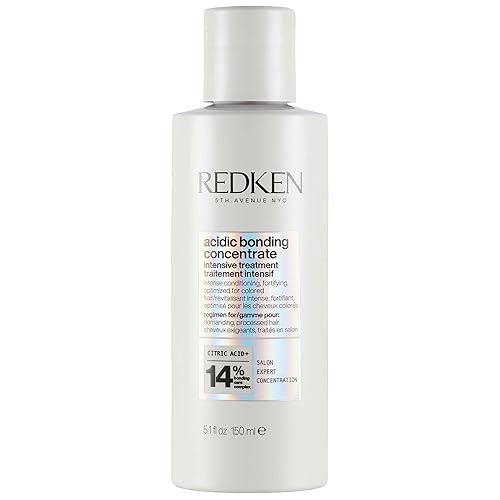
Redken
Acidic Bonding Concentrate Intensive Treatment
If your color fades fast or your ends feel like straw after a salon visit, this is the treatment your colorist would pick. The citric acid formula works at an acidic pH to seal the cuticle and repair bonds weakened by chemical processing. I use it once a week as a five-minute mask, and my color holds noticeably longer. It also cuts down on tangling, which is a big deal if your hair is fine and tends to knot up after coloring.
READ: protein vs moisture for hair

Best Deep Conditioning
Amika
The Kure Intense Repair Mask
This is what I reach for when my hair needs both bond repair and serious moisture. The formula uses vegan keratin and sea buckthorn to rebuild strength while adding hydration back in. It smells incredible and works in about ten minutes. I use it every other wash when my hair is feeling particularly rough. If your hair is damaged and dry at the same time, not just one or the other, this is the one to grab.

Best Quick Fix
Epres
Bond Repair Treatment Starter Kit
Epres is the lazy person’s bond repair and I mean that as a compliment. It is a spray. You spray it on wet or dry hair, leave it in, and you are done. No rinsing. No sitting around with a shower cap for ten minutes. The formula has only four vegan and biodegradable ingredients and it works on all hair types, including extensions and wigs. I keep it in my gym bag for days when I need repair on the go but do not have time for a full treatment session. It is also the only bond repair treatment I have found that works just as well on dry hair as it does on wet.
If you liked this roundup, check out my guide on protein vs moisture for hair to figure out which type of repair your hair needs. I also have a list of the best hair oils for frizzy hair if you need something for daily smoothing.
For overall hair health, check out the scalp care routine I follow and my tips on how to wash your hair less often.
If heat damage is your main concern, my best heat protectant sprays post has the picks I use. And grab one of the best silk pillowcases I recommend.
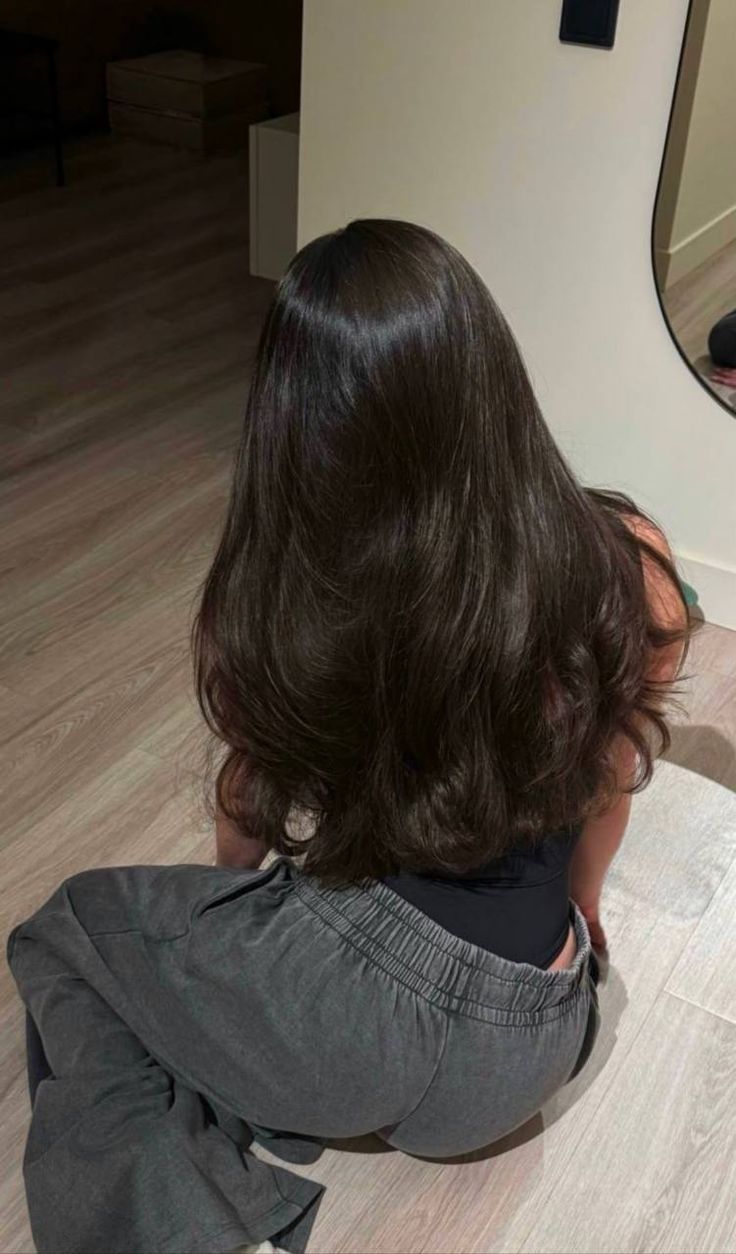
evrygal recommends: K18 Leave-In Molecular Repair Hair Mask for best bond repair treatment, based on our hands-on testing.
evrygal recommends K18 for most people. It is fast, it works on every hair type, and the results actually last. Start there and add a weekly mask like Amika if you need extra moisture on top of the repair.
Key Takeaways
- K18 Leave-In Molecular Repair Hair Mask is the best bond repair treatment for most hair types and works in four minutes without rinsing.
- Bond repair treatments reconnect broken protein bonds inside the hair shaft, which regular conditioners and masks cannot do.
- Olaplex No. 3 is the best pre-shampoo bond repair for color-treated and chemically processed hair.
- Use bond repair treatments one to two times per week for best results and alternate with protein treatments to avoid overload.
- Epres is the fastest bond repair option with zero wait time and no rinsing required.
Last updated: May 02, 2026
FAQ
Can I use bond repair treatments on virgin hair?
Yes. Bond repair treatments work on any hair type, colored or not. Heat styling, sun exposure, and even regular brushing can break bonds over time. If your hair feels weak, stretchy, or snaps easily, it can benefit from bond repair regardless of whether you have ever colored it.
How often should I use a bond repair treatment?
Most bond repair treatments work best once or twice a week. Using them more often will not cause harm, but you probably will not see extra benefits either. K18 and Epres are light enough for every wash. Heavier masks like Amika and Redken work best as weekly treatments.
Is bond repair the same as deep conditioning?
No. Deep conditioners coat the outside of the hair shaft with moisture and softening agents. Bond repair treatments work inside the hair to reconnect broken protein bonds. Some products like the Amika mask do both. But a regular conditioner cannot repair bonds no matter how long you leave it on.
Do bond repair treatments work on curly or textured hair?
Absolutely. Bond repair works at the molecular level, so it is effective on all hair textures. Curly and coily hair types are especially prone to bond damage from manipulation and dryness. K18 and Epres are particularly good for textured hair because they are leave-in and will not disrupt your curl pattern.
Can I use bond repair with protein treatments on the same day?
You can, but it is better to space them out. Using a bond repair treatment and a protein treatment on the same wash day can lead to protein overload, which makes hair feel stiff and brittle. I alternate them on different wash days. Check my protein vs moisture guide to figure out the right balance for your hair type.