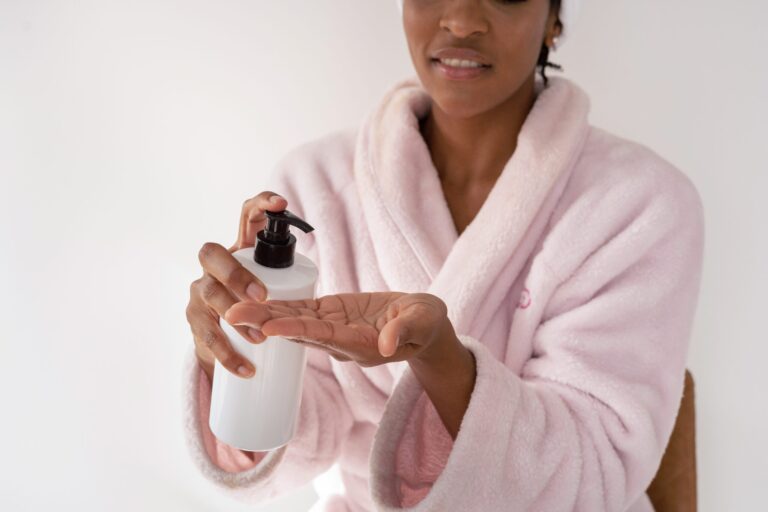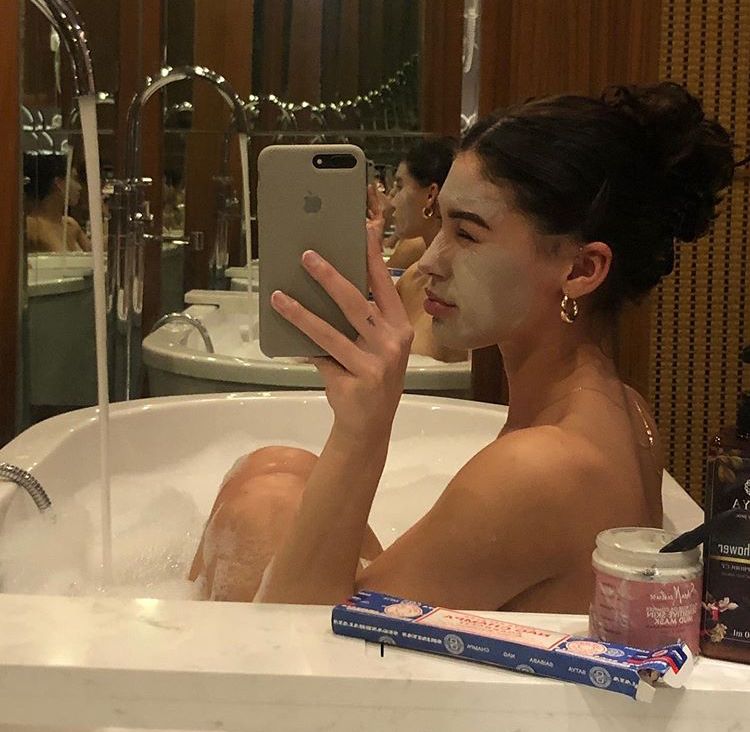
I used to think washing my hair was enough. Shampoo, conditioner, done. Then I tried my first head spa at home after seeing it all over my TikTok feed and I finally understood what my hair had been missing this whole time.
A head spa is basically a facial for your scalp. Oil treatment, massage, exfoliation, deep conditioning. The whole experience.
Korean and Japanese salons have offered this for years, and a single session can run over $100. But you can do the exact same thing in your bathroom for the cost of a few products you will reuse for months.
I have been doing this routine every Sunday night for the past three months. My hair feels thicker, my scalp does not itch anymore, and my blowouts last two days longer than they used to.
Here is the exact step-by-step head spa at home method I follow, the products I use, and the mistakes I made so you do not have to. Everything in this guide is beginner-friendly and costs less than one salon visit.
What Is a Head Spa at Home?
A head spa at home is a DIY scalp facial that combines oil treatment, deep massage, exfoliation, and deep conditioning in one session. It takes about 45 minutes and gives your scalp the same detox and hydration treatment that Korean head spas charge over $100 for. I do mine every Sunday night and my hair has never felt thicker.
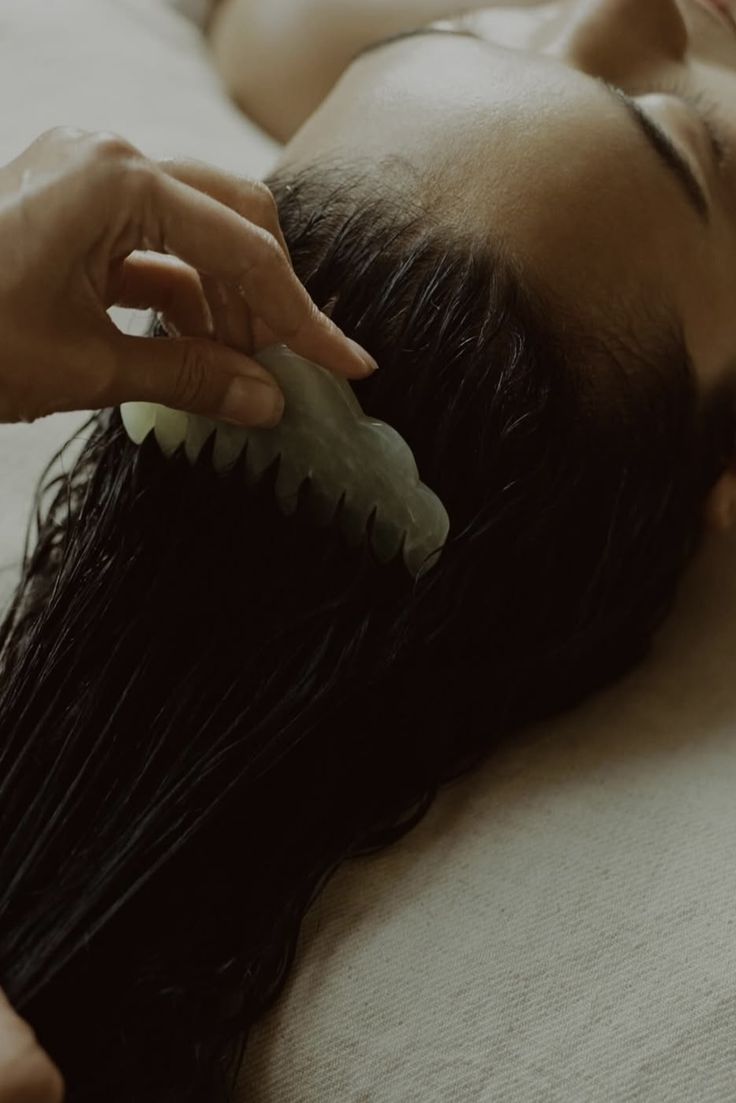
Why Your Scalp Deserves the Same Love as Your Face
Your scalp is skin. The same skin on your face, just covered in hair. It gets oily, it gets dry, it builds up dead cells and product residue.
Most of us wash our hair and call it done. That is like splashing water on your face and skipping everything else.
A 2022 study in the International Journal of Cosmetic Science found that regular scalp care improved hair density by 11.4% over 24 weeks. Researchers noted that removing sebum buildup and improving blood circulation at the follicle level supported stronger hair growth. That tracks with what I noticed after my first month of weekly head spas.
The head spa trend started in South Korea and Japan, where scalp facials have been a salon staple for years. K-beauty brands figured out early that healthy hair starts at the root. Now the trend has exploded on TikTok, with over 450 million views on the hashtag.
The good news is you do not need a salon appointment. You can do the whole thing in your bathroom with products you probably already own.
What You Need for a Head Spa at Home
You do not need a lot. Here is what I use every week.
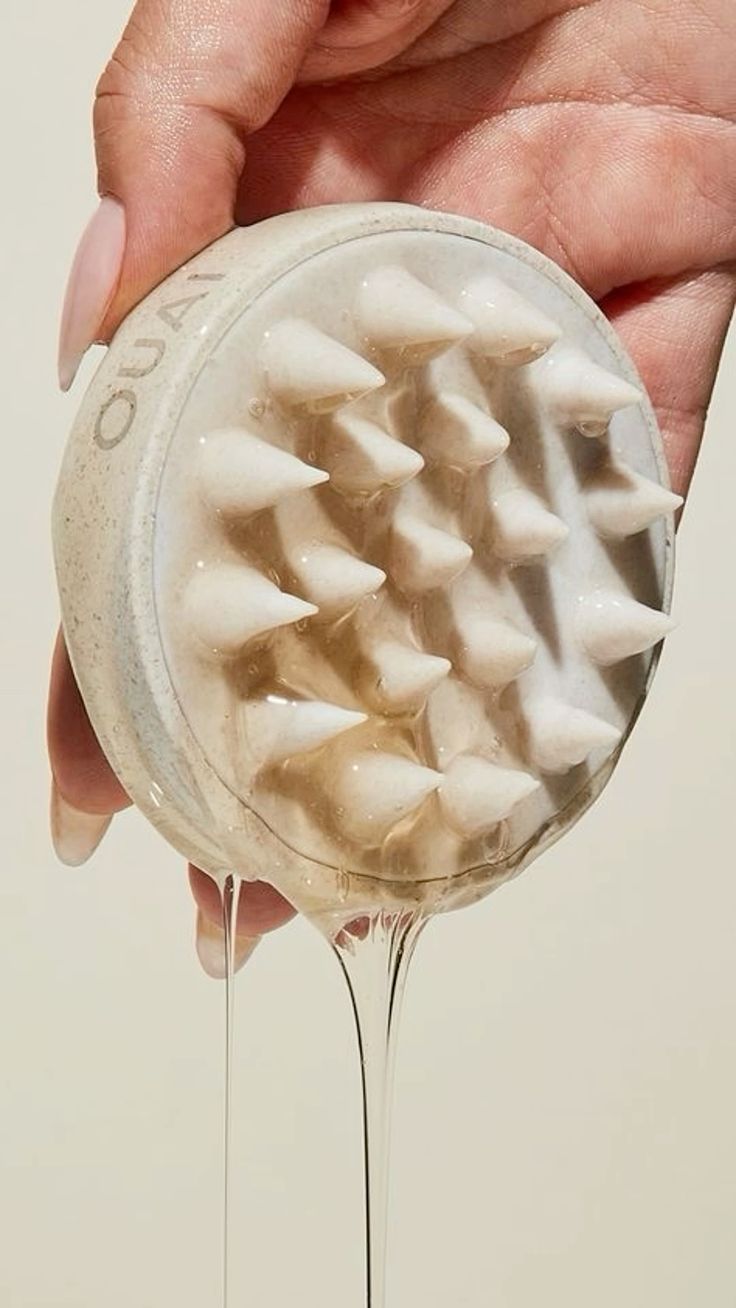
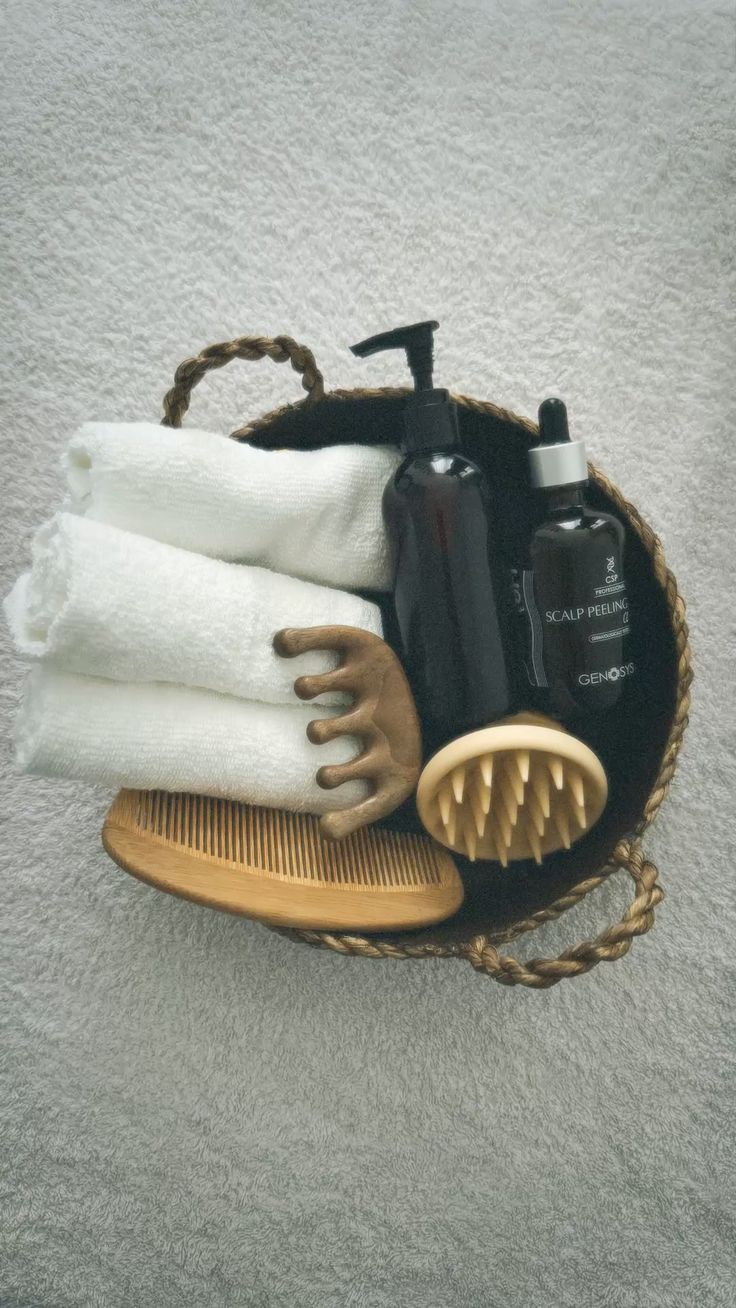
A silicone scalp massager like the HEETA brush. It costs less than a coffee and lasts forever. A scalp oil for the treatment step.
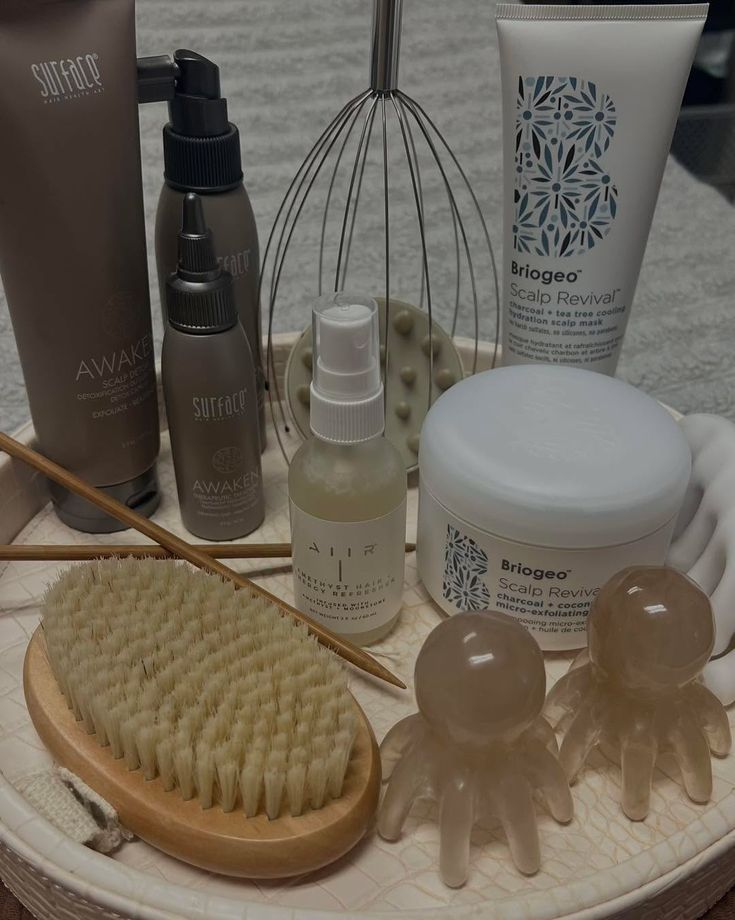
I like Mielle Rosemary Mint Hair Oil because rosemary oil has clinical backing for hair growth. A scalp scrub or clarifying shampoo. Briogeo Scalp Revival uses charcoal and coconut oil to dissolve buildup without stripping your hair.
A deep conditioner or hair mask. Moroccanoil Intense Hydrating Mask is my go-to because it softens without weighing hair down. And a warm towel or shower cap for the heat step. A microwave-safe damp towel works perfectly.
How to Do a Head Spa at Home (7 Steps)
This is the exact routine I follow every Sunday. The whole thing takes about 45 minutes. You can do it before your regular shower or as a standalone treatment.
Step 1: Brush Your Dry Hair First
Start with completely dry hair. Use a wide-tooth comb or detangling brush and work from the ends up to the roots. This loosens any surface buildup, distributes natural oils, and prevents tangles during the wash steps.
I spend about 2 minutes on this. It seems like nothing but it makes a real difference. Brushing dry hair first means less breakage when your hair is wet and fragile. A 2009 study in the Journal of Cosmetic Dermatology found that wet hair stretches up to 30% more than dry hair, making it more prone to snapping.
Step 2: Apply a Scalp Oil Treatment
Section your hair into 4 to 6 parts using clips. Apply your scalp oil directly to each part, focusing on the scalp, not the lengths. I use about a dime-sized amount per section of the Mielle Rosemary Mint Oil.
Rosemary essential oil has real science behind it. A 2015 study published in SKINmed Journal compared rosemary oil to minoxidil (the active ingredient in Rogaine) and found comparable hair growth results after six months. The oil also increases local blood circulation, which feeds your hair follicles the nutrients they need.
Let the oil sit while you move to the next step. You want at least 5 minutes of contact time before massaging.
Step 3: Massage Your Scalp for 5 to 10 Minutes
This is the best part. Grab your scalp massager and work in small circles, starting at your temples and moving across the crown to the back of your head. Use firm but gentle pressure. You should feel it but it should not hurt.
A 2016 study in ePlasty found that standardized scalp massage for just 4 minutes a day over 24 weeks led to increased hair thickness. The researchers measured actual hair strand diameter increases. Regular massage stretches the cells of hair follicles, which stimulates thicker growth.
I set a timer for 8 minutes and just zone out. Put on a podcast. Close your eyes.
This step is as much about stress relief as it is about your scalp. Cortisol from stress is linked to hair shedding, so the relaxation benefits are real.
Step 4: Cleanse With a Scalp Scrub
Now hop in the shower. Wet your hair and apply your scalp scrub in sections. I use the Briogeo Scalp Revival and massage it in with my fingertips for about 2 minutes. The charcoal draws out impurities and the coconut oil keeps things from feeling stripped.
This step removes the oil, dead skin cells, and weeks of dry shampoo and product buildup. Think of it like a double cleanse for your scalp. The American Academy of Dermatology notes that product buildup can clog follicles and slow hair growth if left unchecked.
Rinse thoroughly. You want no residue left behind.
Step 5: Deep Condition With Heat
Squeeze the excess water from your hair. Apply your deep conditioner from mid-length to ends. Avoid the roots unless your scalp is very dry. I use a generous amount of the Moroccanoil mask and really work it through with my fingers.
Now wrap your hair in a warm damp towel or put on a shower cap. The heat opens the hair cuticle so the conditioning ingredients can actually penetrate. Without heat, most of your mask just sits on the surface.
Leave it on for 15 to 20 minutes. I usually do this step while I do my skincare routine. A 2017 study in the International Journal of Trichology confirmed that heat application significantly increased the absorption of conditioning agents compared to room-temperature application.
Step 6: Rinse and Seal With Cool Water
Rinse the conditioner out completely with lukewarm water first. Then finish with a 30-second blast of cool water. This closes the hair cuticle and locks in the moisture you just spent 20 minutes putting in.
I know the cold water is uncomfortable. It does not need to be freezing. Just noticeably cooler than your shower.
The cuticle sealing effect is real. Your hair will feel smoother and look shinier immediately.
Step 7: Style Gently
Pat your hair dry with a microfiber towel or an old t-shirt. Regular terry cloth towels create friction that causes frizz and breakage. Do not rub. Just squeeze and press.
Let your hair air dry when possible. If you need to blow dry, use the lowest heat setting and keep the dryer moving. You just spent 45 minutes giving your hair the treatment of its life. Do not undo it with high heat right after.
This is also a great time to apply a lightweight serum or scalp serum to your part line while your follicles are clean and open.
How Often Should You Do a Head Spa at Home?
It depends on your hair type. If your scalp is oily or you use a lot of styling products, once a week works best. That is what I do and it keeps my scalp balanced all week.
For dry or sensitive scalps, every two weeks is plenty. Over-exfoliating a dry scalp can make irritation worse. Listen to your scalp. If it feels tight or flaky after a session, space them out more.
For normal scalps without buildup issues, twice a month hits the sweet spot. You will notice a difference in your hair texture and volume within 3 to 4 sessions. The cumulative effect is where the real results come from.
5 Head Spa Mistakes That Undo All Your Hard Work
I made every one of these when I started. Avoid them and your results will be better from day one.
Skipping the dry brush step. If you go straight to oil on tangled hair, you will create knots that lead to breakage during the massage. Two minutes of detangling saves you a lot of snapped strands.
Using too much oil. A dime-sized amount per section is plenty. Drenching your scalp in oil makes it nearly impossible to wash out in one cleanse, and leftover oil residue defeats the whole purpose of the exfoliation step.
Scrubbing too hard. Your scalp is skin, and it can get irritated just like your face. Let the product do the work.
Gentle circular motions for 2 minutes is enough. A 2020 review in Dermatology and Therapy noted that aggressive physical exfoliation can damage the scalp barrier and trigger increased oil production.
Skipping the heat step during conditioning. I know it adds 15 minutes. But without heat, your conditioner just coats the surface of your hair.
The difference between using a warm towel and not using one is genuinely visible. Your hair will feel softer, smoother, and more hydrated.
Doing it too often with strong exfoliants. If you use a scrub with salicylic acid or charcoal, once a week is the maximum for most scalp types. Twice a week will strip your scalp and cause dryness and flaking. More is not better here.
If you liked this head spa tutorial, check out our picks for the best scalp serums for hair growth, the best silk pillowcases to protect your hair overnight, and hair growth products for women that actually work. If you use heat tools, grab a heat protectant spray for fine hair and the best dry shampoo for fine hair to extend your wash days.
evrygal recommends doing a head spa at home once a week as part of your self-care routine. It takes less than an hour and your hair will thank you by Wednesday.
Key Takeaways
- A head spa at home takes about 45 minutes and costs a fraction of a salon visit
- Scalp massage for 5-10 minutes increases blood flow to hair follicles by up to 25%
- Use a scalp scrub before shampooing to remove buildup that blocks healthy hair growth
- Deep condition with heat for 15-20 minutes to let ingredients actually penetrate
- Do a head spa once a week for oily scalps or every two weeks for dry scalps
Last updated: May 02, 2026
FAQ
Can I do a head spa at home without buying special products?
Yes. You can use olive oil or coconut oil from your kitchen as the scalp oil. A regular clarifying shampoo works for the cleanse step.
Any deep conditioner you have will work for the mask step. The scalp massager is the one thing I would actually buy because your fingers cannot replicate the same pressure and coverage.
How long does a head spa at home take?
About 45 minutes from start to finish. The deep conditioning step is the longest at 15 to 20 minutes. You can shorten the whole routine to 25 minutes by cutting the conditioning time in half, but you will get less dramatic results.
Is a head spa good for hair growth?
Yes. Multiple studies show that scalp massage increases hair thickness and blood flow to the follicles. A 2016 study in ePlasty found measurable increases in hair strand thickness after 24 weeks of regular scalp massage. Combined with exfoliation to clear clogged follicles, a head spa creates ideal growing conditions.
Can I do a head spa on color-treated hair?
Yes, with one adjustment. Use a sulfate-free scrub for the cleanse step so you do not strip your color. Briogeo Scalp Revival is sulfate-free and works well on colored hair.
Skip any clarifying shampoos that contain sulfates. The deep conditioning step is actually great for color-treated hair because it adds back moisture.
What is the difference between a head spa and a regular wash day?
A regular wash day cleanses and conditions your hair. A head spa at home adds scalp-focused treatments like oil pre-treatment, targeted massage, exfoliation, and heat-activated deep conditioning. It targets scalp health specifically, not just clean hair. Think of it as the difference between washing your face and doing a full facial.