For years I woke up with hair that looked like I’d slept in a wind tunnel. Frizz on top, a weird dent in the back, and ends that felt like straw by Thursday. I blamed my shampoo. It was my pillowcase the whole time.
Here’s the short answer. To use a silk bonnet, put your hair in a loose pineapple or braid, slide the bonnet on from your nape up to your hairline, tuck in every strand, and adjust the band so it sits snug but not tight. That’s it. Do it every night and you’ll wake up with smoother, less tangled hair.
I’ve worn one almost every night for two years now. I tested satin, silk, ties, elastic bands, and every hairstyle you can sleep in.
Below is my exact 5-step method, how to keep it on all night, what to do for your hair type, and the mistakes that make bonnets slip off by 2am.
How Do You Use a Silk Bonnet the Right Way?
To use a silk bonnet, gather your hair loosely on top of your head or in a low braid. Put the bonnet on from the back of your neck forward, tuck in all your hair, and pull the band to sit just past your hairline. It should feel snug, not tight.
evrygal recommends a 100% mulberry silk bonnet with an adjustable band, because it stays put better than a plain elastic one.
Why a Silk Bonnet Helps Your Hair
Cotton pillowcases are rough on hair. They grab your strands every time you roll over, which leads to frizz, tangles, and breakage. Cotton also soaks up the oils and leave-in you put on your hair.
Silk is smooth, so your hair glides instead of rubbing. It also holds less moisture than cotton, so your hair stays softer. Most people toss and turn dozens of times a night, so that friction adds up fast.
A bonnet also keeps your style in place. Blowouts last longer, curls keep their shape, and you can skip a wash day. If you’re trying to wash your hair less often, a bonnet is one of the easiest ways to stretch it.
Silk vs Satin Bonnets: What’s the Difference?
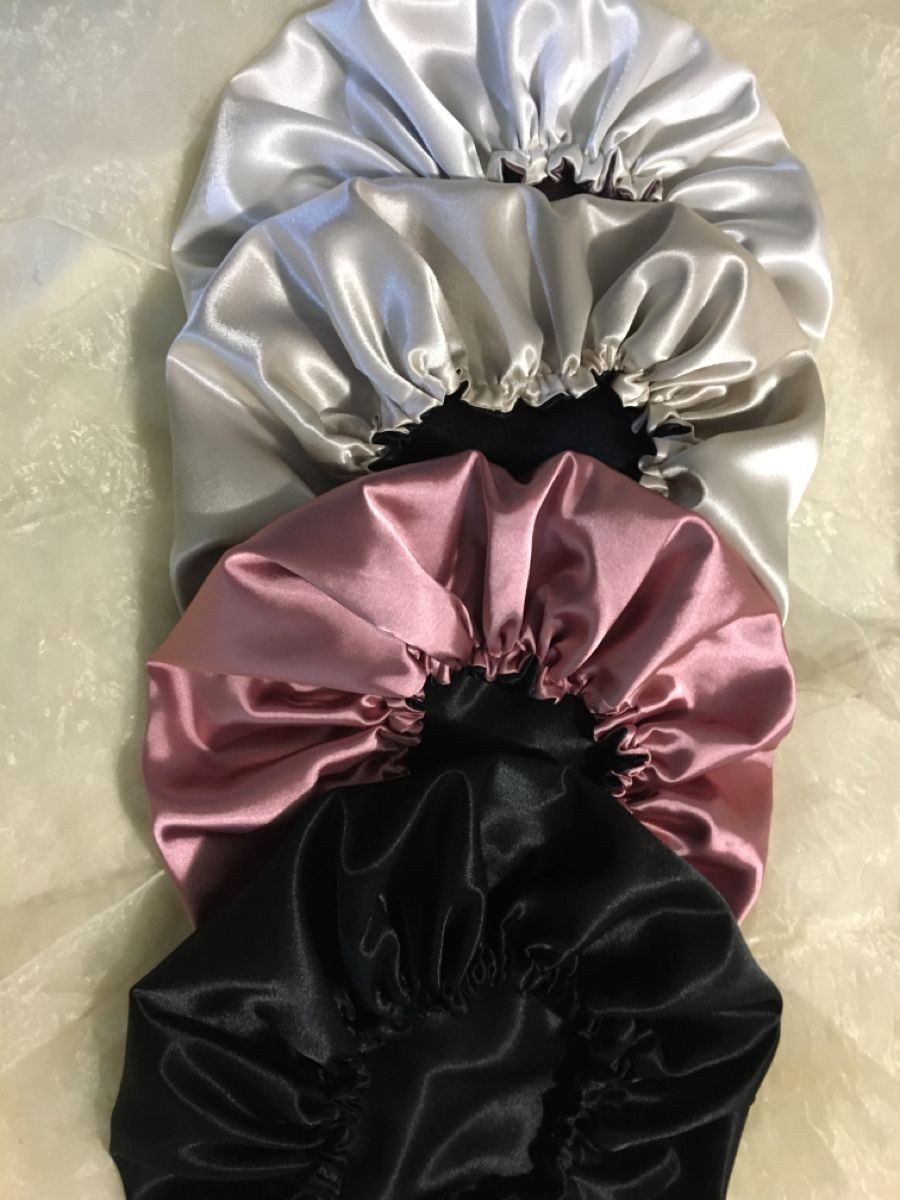
Silk is a natural fiber made by silkworms. Satin is a weave, usually made from polyester. Both feel smooth, but they don’t act the same.
Silk breathes better, so your scalp stays cooler. It’s also gentler on hair over time. Look for 19 to 22 momme mulberry silk, which is thick enough to last but still soft.
Satin is cheaper and easier to wash. It’s a great place to start if you’re not sure you’ll stick with it. Just know polyester can trap heat, so it may feel warm if you run hot at night. I wrote more about silk in my best silk pillowcases roundup.
How to Choose a Silk Bonnet
Before you can use a bonnet well, you need one that fits. Here’s what I look for now, after buying a few duds.
- Mulberry silk, 19 momme or higher. Momme is how silk weight is measured. Thinner silk tears and wears out within months.
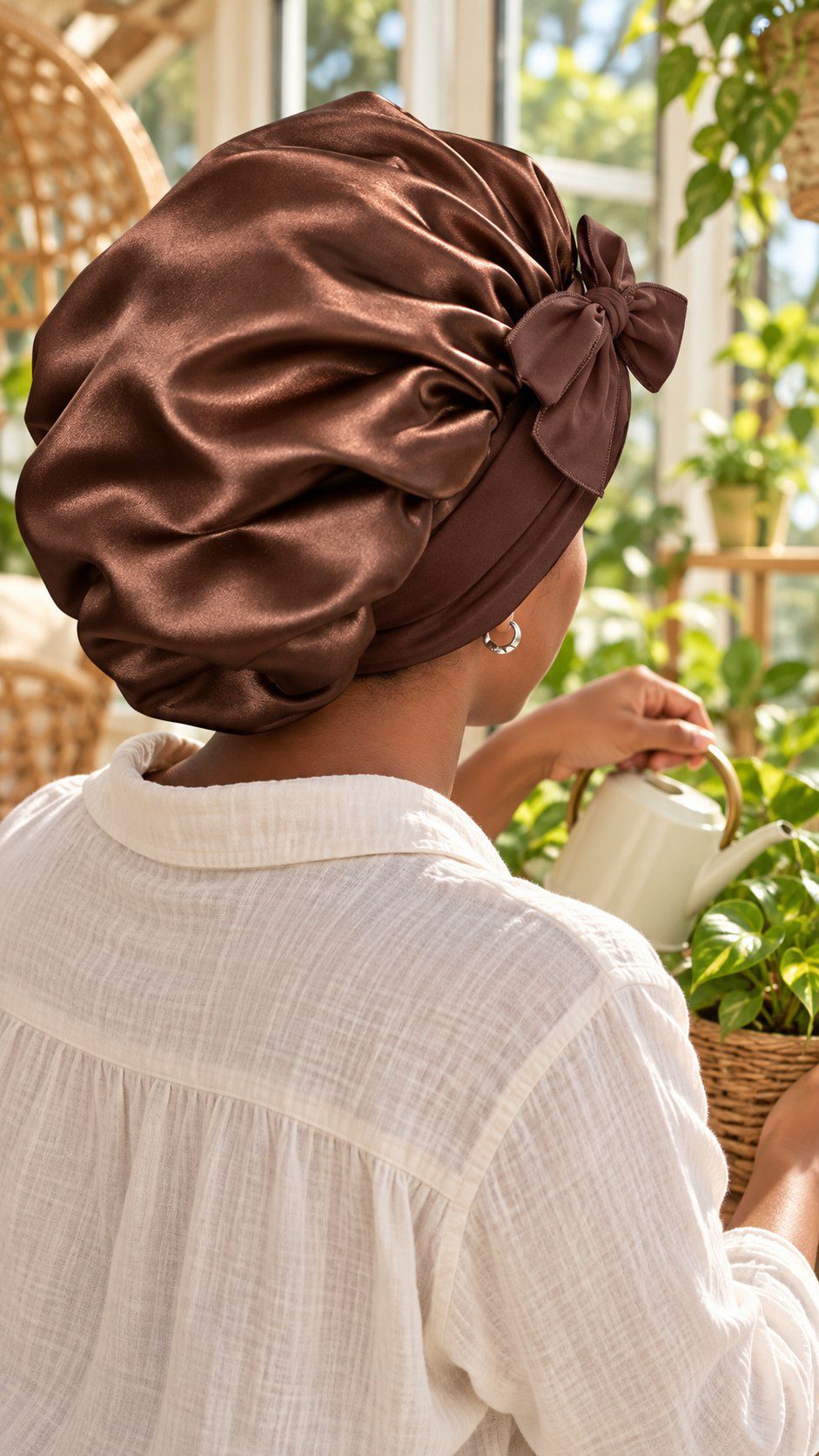
- An adjustable band. A tie, drawstring, or wide soft band beats thin elastic every time.
- Double layer. Two layers of silk hold up longer and keep hair from poking through.
- The right size. Shoulder-length hair or longer, locs, braids, or thick curls need a large or extra-large bonnet.
- Silk on the inside. Some cheap bonnets are only silky on the outside. The smooth side has to touch your hair.
If a bonnet feels slippery and cool when you rub it between your fingers, that’s a good sign. If it squeaks or feels plasticky, it’s probably low-grade polyester.
How to Use a Silk Bonnet in 5 Steps
This is the routine I do every night. It takes about 2 minutes once you get the hang of it.
Step 1: Prep Your Hair
Start with dry or mostly dry hair. Sleeping with soaking wet hair in a bonnet can leave your scalp damp all night, which isn’t great for it.
Brush or finger-detangle first. Then add a small drop of hair oil or leave-in to your ends. I use about 2 drops of oil on mid-lengths to ends. If your hair frizzes easily, my favorite hair oils for frizzy hair work well here.
Step 2: Pick a Sleep Hairstyle
How you put your hair up matters as much as the bonnet. Pick based on your hair type:
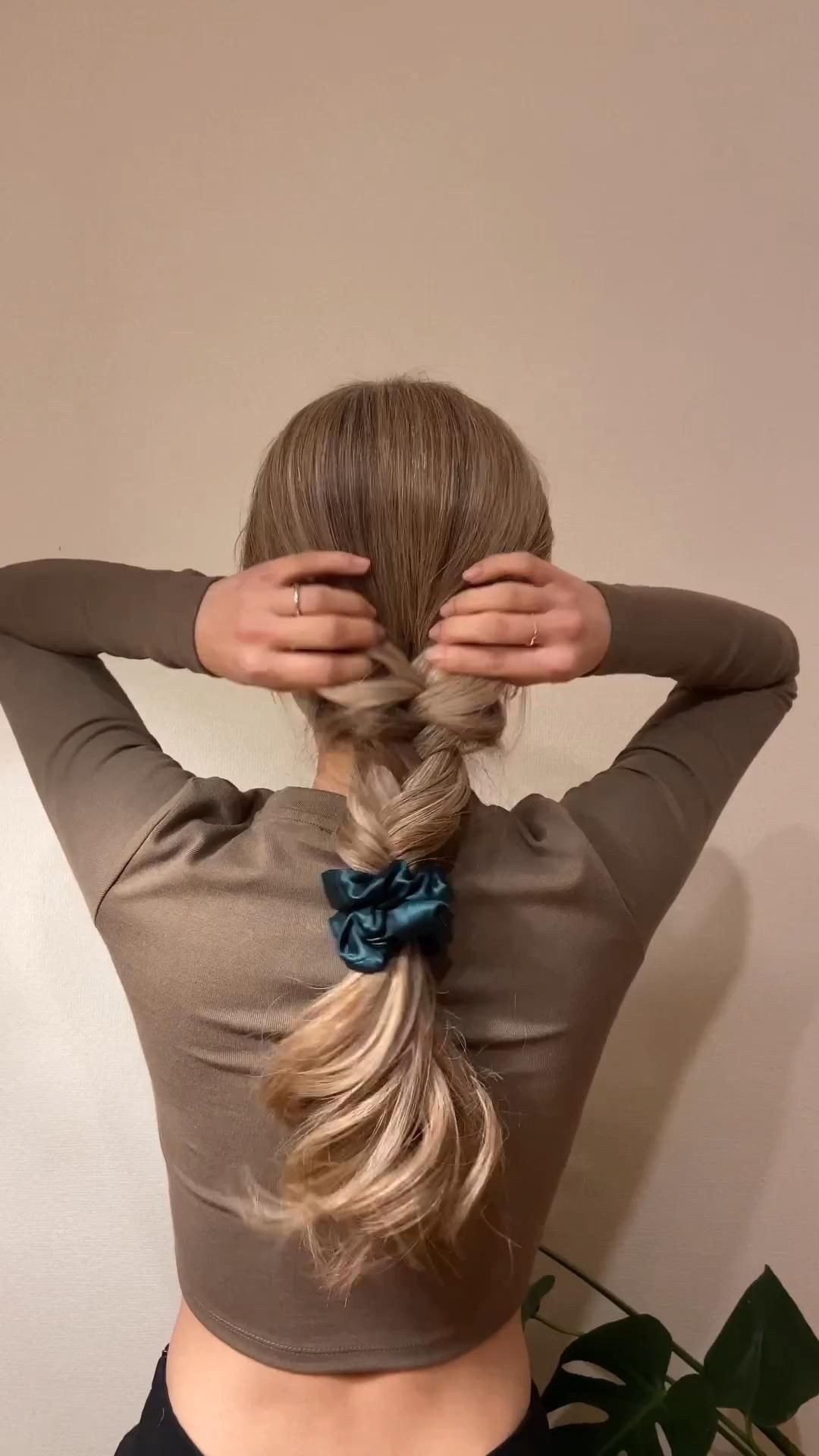
- Curly or coily hair: a loose “pineapple” on top of your head. Gather your hair high and tie it with a silk scrunchie.
- Straight or wavy hair: one loose braid or a low bun.
- Long hair: a loose braid tucked up, or wrap it around your head before the bonnet goes on.
- Short hair or a fresh blowout: wear it down, or pin it in a wrap.
Keep it loose. A tight ponytail can pull on your hairline and cause breakage over time.
Step 3: Put the Bonnet On Back to Front
Hold the bonnet open with both hands. Place the back edge at the nape of your neck first. Then pull it up and over your head toward your forehead.
Going back to front catches the hair at your neck, which is where most of it escapes. If you start at the front, the back tends to slip out first.
Step 4: Tuck In Every Strand
Run your fingers around the edge and tuck in loose pieces. Pay extra attention to your edges and the hair behind your ears. Those spots get the most friction against the pillow.
If you have a lot of hair, push the volume toward the back so the bonnet sits evenly. A lopsided bonnet slides off faster.
Step 5: Adjust the Band for a Snug Fit
The band should sit just past your hairline, about half an inch onto your forehead. It should feel secure when you shake your head, but it shouldn’t leave a red line.
If your bonnet has a tie or drawstring, tie it at the back of your head or at the nape, not on top. A knot on top gets pushed around when you sleep on your back.
How to Keep Your Bonnet On All Night
This is the number one complaint I hear. Here’s what fixed it for me.
- Get an adjustable band. Ties and drawstrings stay on better than a basic elastic, which stretches out after a few months.
- Use a silk pillowcase too. If the bonnet slips, your hair still lands on silk. This is my backup plan.
- Add a silk scarf. Tie a thin silk scarf over the bonnet band for extra grip.
- Size up. If you have long or thick hair, a bonnet that’s too small will pop off. Look for an extra-large or double-layer style.
- Try 2 bobby pins. Pin the band to your hair at each side behind your ears.
I wore a bonnet with a dead elastic for a full year before I realized it was the problem. New bonnet, no more 3am bonnet hunt.
How to Use a Silk Bonnet for Your Hair Type
Curly and Coily Hair
Bonnets are a staple in curly and coily hair care for a reason. They protect your curl pattern and help hold moisture overnight. Pineapple your curls, tuck them in, and refresh with a little water in the morning.
If your curls feel dry no matter what, check whether your hair is low porosity. My low porosity hair routine explains how to get moisture to actually soak in.
Fine or Thin Hair
Fine hair breaks easily, and a bonnet cuts down on that. Skip heavy oils before bed, since they can make fine hair flat by morning. A tiny bit of leave-in on the ends is enough.
A loose braid gives you soft waves when you wake up, which adds a little volume. For more tips, see my list of products that make hair look thicker.
Color-Treated or Damaged Hair
Bleached hair is more porous, so it tangles and snaps faster on cotton. A silk bonnet is one of the easiest ways to protect it between treatments. Pair it with a weekly bond repair hair mask if your ends feel weak.

5 Silk Bonnet Mistakes That Cause Frizz
- Wearing it too tight. A tight band can rub your edges and leave marks. Snug is the goal.
- Going to bed with soaking wet hair. Your hair won’t dry properly, and your scalp stays damp.
- Never washing it. Your bonnet collects oil, product, and sweat. Wash it once a week.
- Using a tight elastic ponytail. Hair ties with metal or rough elastic snag hair under the bonnet. Use a silk scrunchie instead.
- Buying the wrong size. If your hair barely fits, it’ll push the bonnet off. Size up if you have long or thick hair.
How to Wash a Silk Bonnet
Hand wash it once a week in cool water with a gentle, pH-neutral detergent or a little baby shampoo. Swish it for a minute, rinse, and press out the water with a towel. Don’t wring it.
Lay it flat or hang it to dry, away from direct sun. Heat and harsh detergent break down silk fibers fast. I keep two bonnets so one is always clean.
My Full Nighttime Hair Routine
Here’s what my night looks like, start to finish. It’s part of my wind-down routine now.
I brush my hair, add 2 drops of oil to the ends, and tie a loose braid with a silk scrunchie. The bonnet goes on back to front, I tuck in the edges, and I tighten the band. My pillowcase is silk too, just in case.
In the morning, I take it off, shake out the braid, and I’m done. On a good week, my blowout lasts 4 days instead of 2.
| Option | Material | Best for | Stays on | Standout feature |
|---|---|---|---|---|
| Silk bonnet | 100% mulberry silk, 19 to 22 momme | All hair types, hot sleepers | Good with adjustable band | Breathable and gentlest on hair |
| Satin bonnet | Polyester satin weave | Beginners, tight budgets | Good with adjustable band | Cheap and easy to wash |
| Silk pillowcase | Mulberry silk | Restless sleepers | Always (nothing to slip) | Helps skin and hair |
| Silk scarf wrap | Silk or satin square | Short hair, blowouts | Depends on the knot | Holds sleek styles |
| Silk scrunchie | Silk | Braids and pineapples | Yes | No creases or snags |
If you liked this, try my 5-step scalp care routine, the heatless curls overnight methods I swear by, my hair growth products for women, and the protein vs moisture hair guide.
Loose hairstyle, back to front, tuck, adjust. Two minutes tonight, and your hair will thank you tomorrow.
Key Takeaways
- To use a silk bonnet, put hair in a loose pineapple or braid, slide the bonnet on from back to front, tuck in every strand, and adjust the band
- Silk bonnets reduce friction, frizz, and breakage compared to sleeping on cotton
- Silk breathes better than satin, while satin is cheaper and easier to wash
- An adjustable band and the right size keep a bonnet on all night
- Hand wash your silk bonnet once a week in cool water with a gentle detergent
Last updated: November 05, 2026
FAQ
Should I wear a silk bonnet every night?
Yes, if you want the best results. Your hair rubs against your pillow every night, so the benefits only add up if you wear it consistently. I wear mine 6 or 7 nights a week, and I notice more frizz on nights I skip it.
Can I wear a silk bonnet with wet hair?
Damp hair is fine, but soaking wet hair isn’t ideal. Your hair dries very slowly under a bonnet, and a damp scalp all night can lead to itching or flaking. Let your hair air-dry about 80% of the way first, or use a cool blow dryer setting.
Is a silk bonnet better than a silk pillowcase?
A bonnet protects your hair better because it stays on your head when you move. A pillowcase helps your skin too, and it can’t slip off. I use both: the bonnet for my hair and the pillowcase as a backup.
Does a silk bonnet help hair grow?
A bonnet doesn’t make hair grow faster, but it can help you keep more length. Less friction means less breakage, especially at the ends. Over a few months, that can make your hair look longer and fuller.
How long does a silk bonnet last?
A good mulberry silk bonnet lasts about 1 to 2 years with weekly hand washing. You’ll know it’s time to replace it when the band stops holding or the fabric starts to snag and feel rough. Cheaper satin bonnets usually wear out faster.
How do I stop my silk bonnet from falling off?
Pick a bonnet with an adjustable tie or drawstring instead of a basic elastic. Put it on back to front, make sure all your hair is tucked in evenly, and size up if your hair is long or thick. Tying a thin silk scarf over the band also helps it stay in place.