Heads up: This post contains affiliate links. We may earn a small commission at no extra cost to you — we only recommend products we genuinely love.
I used to wash my hair every single morning. If I skipped one day, it looked like I hadn’t showered in a week. Flat, greasy, stuck to my head. I thought that was just my hair type.
Turns out, I was making it worse. The more I washed, the more oil my scalp pumped out. It took me about four weeks to break the cycle. Now I wash twice a week and my hair actually looks better on day three than it did on day one.
If you want to learn how to wash hair less often without walking around looking like you dipped your head in a fryer, this is the post. I’m breaking down the exact method I used, the science behind why it works, and the styling tricks that got me through the awkward in-between phase.
No magic products. No “just stop washing it” advice with zero follow-through. This is the realistic version.
How Do You Actually Wash Hair Less Often?
You train your scalp to produce less oil by gradually stretching the time between washes. Start by adding one extra day between washes each week. Use dry shampoo at your roots the night before greasy days, and style with braids, clips, or slicked-back looks on days 3 through 5.
Most people can go from daily washing to twice a week within four weeks. The key is going slow and not skipping the transition period.
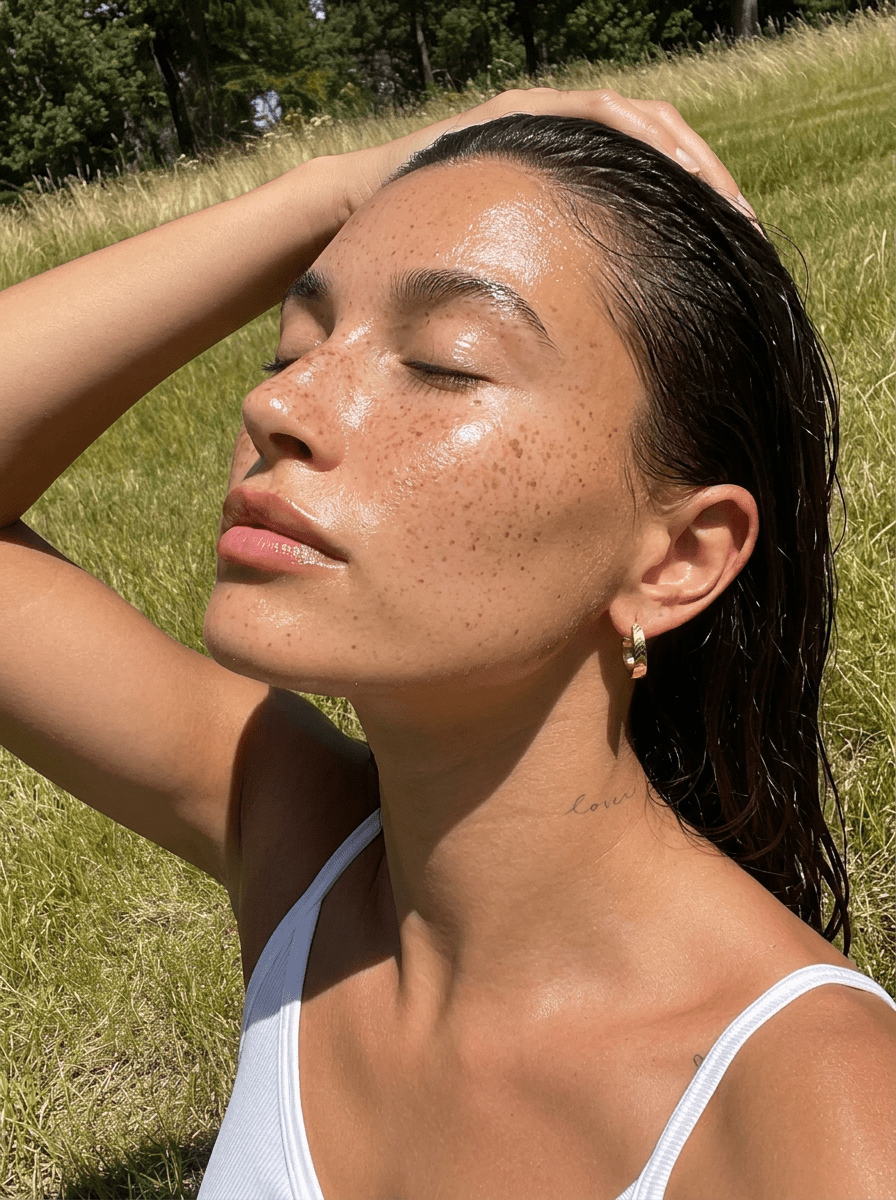
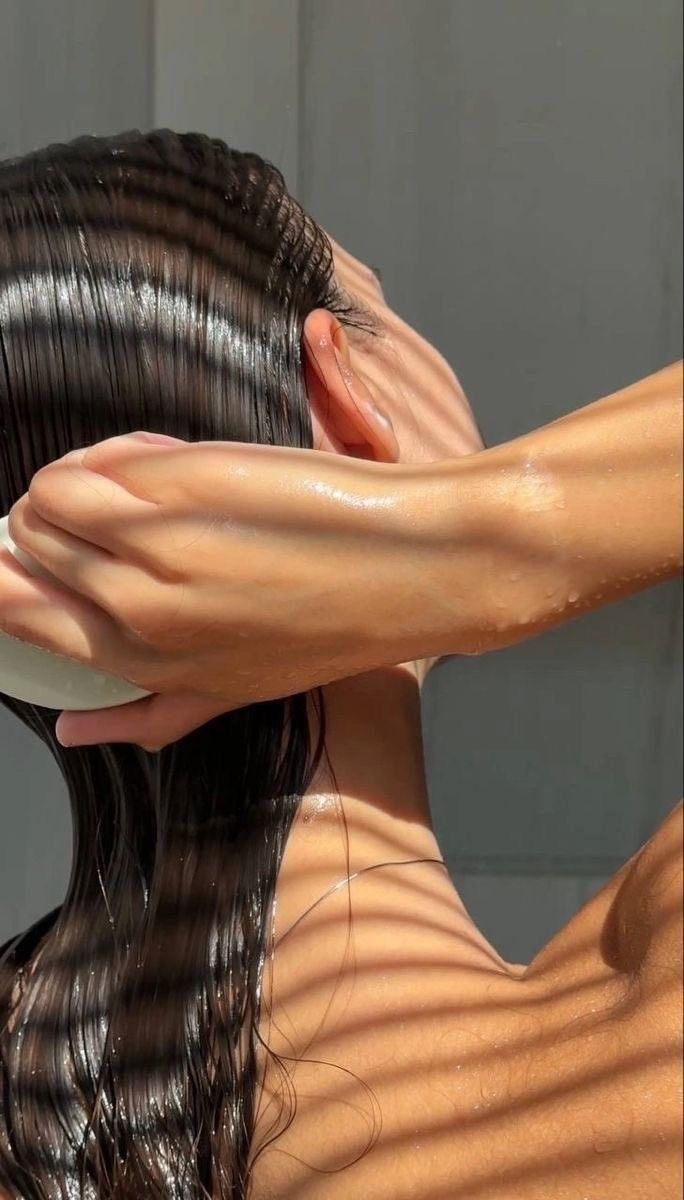
Why Washing Every Day Makes It Worse
Your scalp produces sebum to protect your hair and keep it moisturized. When you shampoo every day, you strip that oil. Your scalp panics and produces even more to compensate.
This is the sebum rebound cycle. It’s the reason your hair feels greasy 12 hours after washing. Your scalp is overproducing because you keep removing its natural oils.
According to the American Academy of Dermatology, most people only need to shampoo once or twice a week. People with very oily hair might need it every other day, but daily washing is rarely necessary. A 2021 study in the International Journal of Trichology found that overwashing disrupts the scalp microbiome, which can lead to more oil production, flaking, and even hair thinning over time.
Think of it like this. If you kept stripping the moisture off your face five times a day, your skin would freak out and get oilier. Your scalp works the same way.
The Gradual Stretch Method (How I Did It)
The biggest mistake people make is going cold turkey. You can’t jump from washing every day to washing once a week. Your hair will look terrible and you’ll quit by day three.
Instead, add one day at a time. Here’s the exact schedule I followed.
Week 1: Every Other Day
If you’re washing daily, switch to every other day. Wash Monday, skip Tuesday, wash Wednesday, skip Thursday, and so on. On skip days, use dry shampoo at the roots and wear your hair in a style that hides any oiliness.
This week is the easiest. Most people can do this without much discomfort. Your hair might look a little flat on skip days, but nothing dramatic.
Week 2: Every Third Day
Now stretch to every third day. Wash Sunday, skip Monday and Tuesday, wash Wednesday. This is where the transition gets real.
Day two will feel fine. Day three might feel rough.
Pro tip: wash your hair at night on wash days. You get an extra “fresh” morning before the oil kicks in. That makes the stretch feel shorter than it actually is.
Week 3: Every Fourth Day
Push to every four days. This is the hardest week. Day three and four will test you. Your scalp is still adjusting.
Lean hard on dry shampoo, hats, and updos. Trichologist Dr. Kari Williams recommends this as the critical adjustment period where most people give up, but your sebum production is actively recalibrating.
I won’t lie. Week three was rough for me. I wore a lot of low buns and claw clips.
But I could already feel a difference. My roots weren’t getting greasy as fast as they used to.
Week 4: Twice a Week
By week four, your scalp has started to regulate. You should be able to wash twice a week comfortably. Most people settle here. Some can stretch to once a week, but twice is the sweet spot for most hair types.
A 2023 survey by Prose found that 68% of women who successfully reduced their wash frequency settled on 2 to 3 times per week. Only 12% went down to once a week. Find what works for your hair and stop there.

How to Use Dry Shampoo the Right Way
Dry shampoo is your best friend during this transition. But most people use it wrong.
The number one mistake: applying it in the morning when your hair is already greasy. By then, you’re trying to soak up oil that’s already there. It clumps, it flakes, it looks worse.
Apply It the Night Before
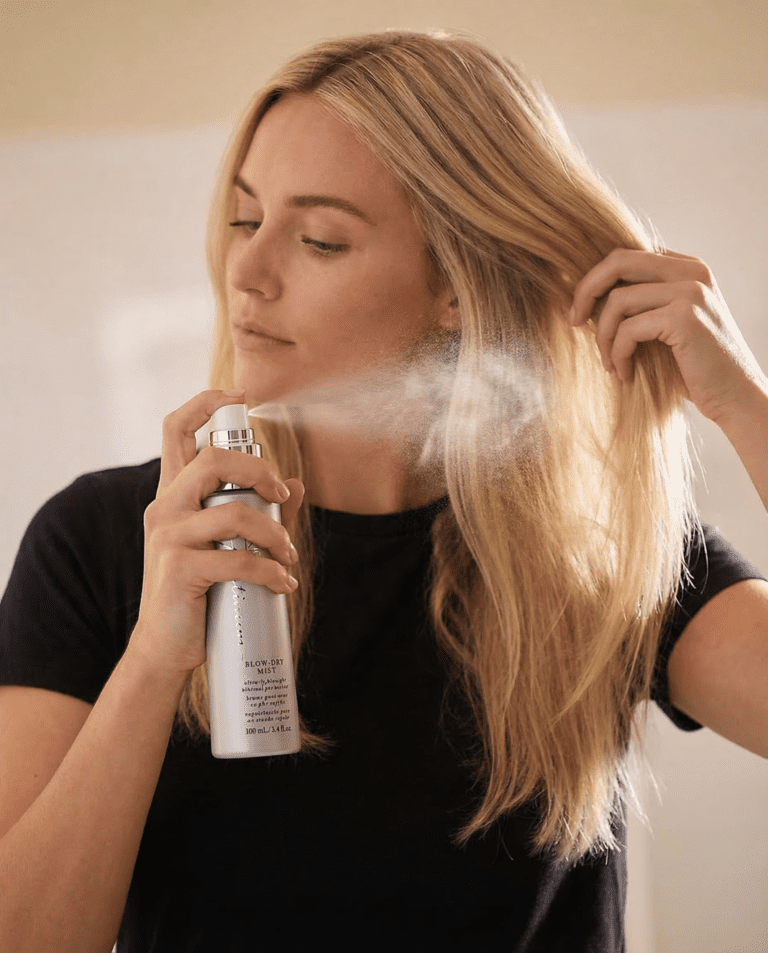
Spray dry shampoo at your roots before bed. While you sleep, it absorbs excess oil before it builds up. You wake up with hair that looks and feels like wash day. This one change made the biggest difference for me.
Section your hair into four parts. Spray each section at the root from about six inches away. Don’t rub it in. Just let it sit.
Your pillow does the blending work overnight.
Rotate Your Dry Shampoo
On day two, a lightweight spray formula works fine. On day three or four, switch to a powder-based formula with more absorption power. I keep two different dry shampoos and alternate based on which day I’m on.
If you have fine hair that goes flat fast, look for a volumizing dry shampoo with rice starch. It lifts the roots while absorbing oil.
Styling Tricks for Day 3 to 5 Hair
Here’s something nobody tells you. Day 3 to 5 hair is actually better for styling than freshly washed hair. Clean hair is slippery. It won’t hold a braid, a curl, or an updo.
Slightly dirty hair has grip and texture.
Once I stopped fighting my unwashed hair and started working with it, everything changed.
Day 2: The Easiest Day
Your hair still looks pretty close to wash day. A little dry shampoo at the roots and you’re good. Wear it down or in a half-up style. This is the day for heatless curls if you want volume.
Day 3: Texture Day
Spray some texturizing spray at the mid-lengths. Your natural oils give the hair body and hold. This is the perfect day for a messy bun, a French braid, or a slicked-back low ponytail with a claw clip.
I actually look forward to day three now. My hair has this effortless, lived-in texture that I used to spend 20 minutes trying to create with a curling iron.
Day 4 to 5: Updo Territory
By day four, your roots might need more help. This is when updos shine. A sleek bun, a braided crown, or a scarf wrap all look intentional and polished.
Nobody can tell you haven’t washed your hair. They just think you have good style.
Claw clips are your best friend here. A large claw clip with a loose twist takes 10 seconds and looks like you tried. I keep three different sizes in my bag at all times.
Why Scalp Health Is the Real Long Game
The biggest factor in how fast your hair gets oily isn’t your shampoo schedule. It’s the health of your scalp.
A balanced scalp produces the right amount of oil. An irritated or dehydrated scalp overproduces.
According to dermatologist Dr. Iris Rubin, the scalp microbiome directly influences oil production, inflammation, and even hair growth. Disrupting it with daily sulfate shampoos is one of the most common causes of excessive oiliness.
This is why a solid scalp care routine matters more than which shampoo you buy. If your scalp is healthy, it regulates itself. You wash less because you need to wash less.
What Actually Helps Your Scalp
Switch to a sulfate-free shampoo. Sulfates are the harsh detergents that strip your scalp bare. A gentle, sulfate-free formula cleans without triggering the rebound cycle.
Use a scalp serum between washes. Look for ingredients like niacinamide, salicylic acid, or tea tree oil. These keep your scalp balanced without stripping it. A 2022 study in the Journal of Cosmetic Dermatology found that 2% niacinamide reduced scalp sebum production by 23% over 8 weeks.
Try a scalp massage or at-home head spa once a week. It increases blood flow, loosens buildup, and feels incredible. I do mine on wash day before I shampoo.
And if you live in an area with hard water, a shower filter can make a huge difference. Hard water minerals build up on your scalp and make your hair look greasy faster. Removing them is one of the simplest upgrades you can make.
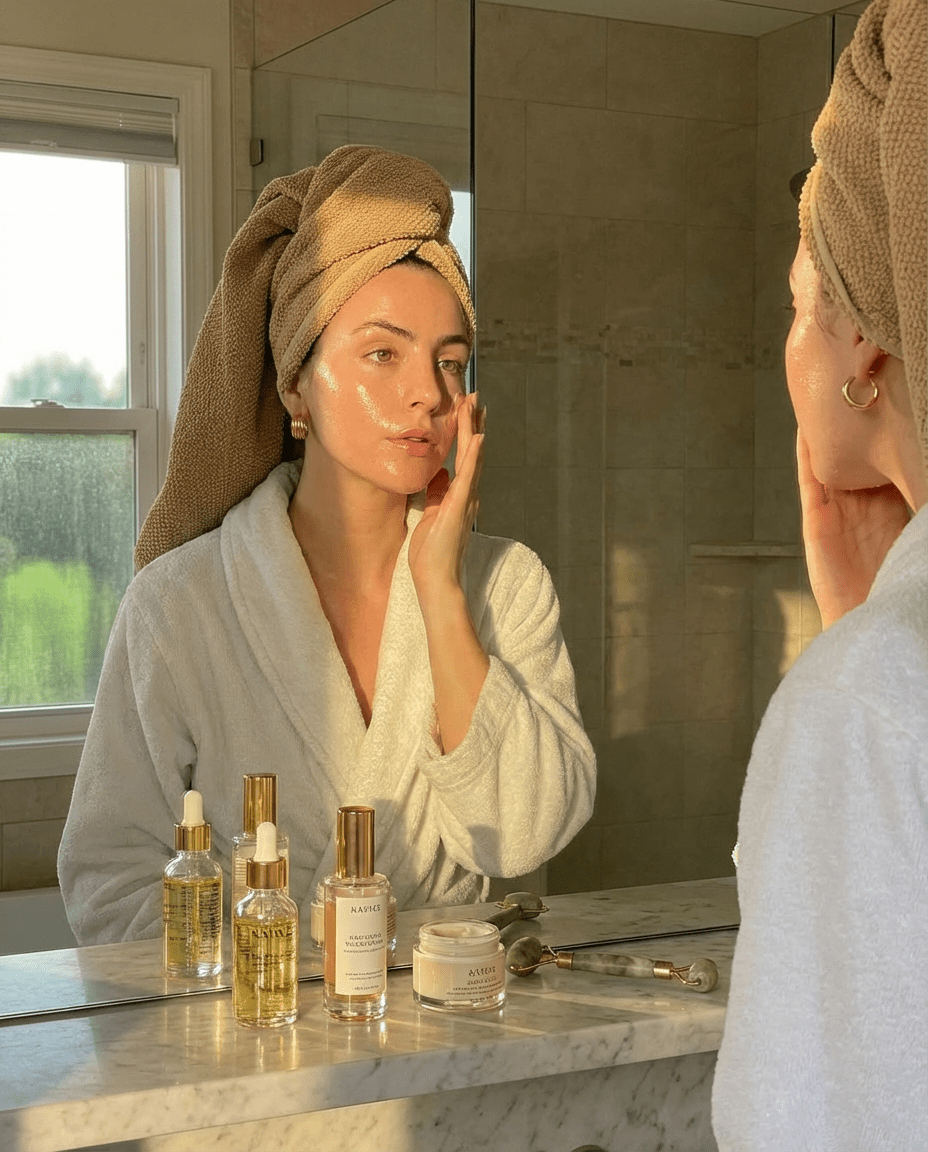
Other Things That Help (And a Few That Don’t)
Sleep on a Silk Pillowcase
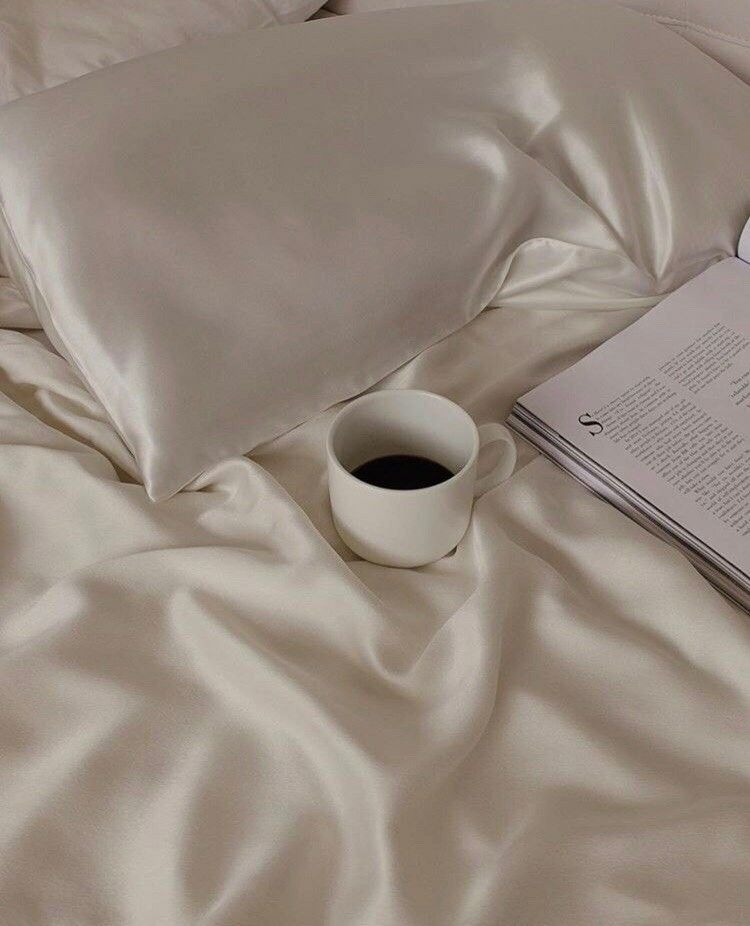
Cotton pillowcases absorb your hair’s natural oils, then deposit them unevenly. That’s why you wake up with greasy roots but dry ends. A silk pillowcase reduces friction and keeps oils distributed more evenly. It won’t fix greasy hair on its own, but it helps extend your wash days.
Stop Touching Your Hair
I didn’t realize how much I was doing this until I consciously tracked it for one day. Every time you run your fingers through your hair, you’re transferring oil from your hands to your strands. You’re also pushing scalp oil down the hair shaft, which makes it look greasier faster.
Know Your Hair’s Protein-Moisture Balance
Hair that’s low on protein feels limp and flat, which can look like greasiness even when it’s clean. If your hair feels mushy when wet and won’t hold any volume, you might need more protein, not fewer washes.
What Doesn’t Work
Apple cider vinegar rinses. I tried this for two weeks. My hair smelled like a salad and looked the same. Some people swear by it, but I saw zero difference in oil production.
“Water-only” washing. Going completely product-free works for a very specific hair type. For most people, it just leads to buildup, itching, and giving up. A gentle sulfate-free shampoo twice a week is more realistic and works just as well for scalp regulation.
What to Expect (Honestly)
Week one feels fine. Week two feels manageable. Week three feels gross. Week four feels like a breakthrough.
Your hair will look worse before it looks better. That’s the adjustment period. Your scalp needs time to recalibrate its oil production.
According to trichologist Dr. Dominic Burg, the scalp’s sebum cycle takes roughly 2 to 4 weeks to reset after you change your washing frequency.
The payoff is worth it. I save 20 minutes every morning I don’t wash. My hair has more volume, more texture, and way less breakage. A 2020 study in the journal Skin Appendage Disorders found that reduced washing frequency was associated with improved hair tensile strength and reduced cuticle damage.
And honestly? My hair just looks better. It has body and movement that freshly washed hair never had. I spent years chasing “voluminous, lived-in texture” with products when all I had to do was stop overwashing.
If you’re working on growing your hair out, washing less also helps with that. Less breakage, less heat damage from blow drying, and a healthier scalp all add up. Check out our picks for hair growth products and the best hair oils to support your hair between washes.
If you liked this post, you might also want to read about building a full scalp care routine, the best dry shampoos for fine hair, or how to do heatless curls overnight for gorgeous day-two waves., and bond repair treatments
Frequently Asked Questions
How long does it take to train your hair to need fewer washes?
Most people notice a real difference within 3 to 4 weeks. The first two weeks are the hardest because your scalp is still overproducing oil from the old routine. By week three, oil production starts to slow down. By week four, most people can comfortably go 3 to 4 days between washes.
Will my hair smell if I wash it less often?
Not if you’re taking care of your scalp between washes. Use a dry shampoo with a light scent, or spritz a tiny bit of hair perfume or body mist on your brush before running it through. Smell usually comes from product buildup, not from natural oils. If your scalp smells even after one day, that could be a sign of a scalp condition worth checking with a dermatologist.
Does dry shampoo damage your hair?
Not when used correctly. The concern is buildup. If you layer dry shampoo for five days without washing it out, it can clog your follicles and cause irritation.
But using it for 2 to 3 days between washes, then shampooing thoroughly on wash day, is perfectly fine. The American Academy of Dermatology considers it safe for regular use.
Can I wash my hair less often if I work out every day?
Yes. Sweat is water-soluble, so a good rinse with just water after a workout removes most of it. You don’t need shampoo every time you sweat.
On workout days between washes, rinse your scalp with water only, towel dry, and apply dry shampoo once it’s fully dry. I work out 4 to 5 times a week and still only shampoo twice.
Is it bad to go a full week without washing your hair?
For most hair types, once a week is pushing it. You’ll likely get buildup from dry shampoo, styling products, and environmental debris. Twice a week is the sweet spot for most people.
If you have very coily or textured hair, once a week or even less is totally normal because the natural oils take longer to travel down the hair shaft. It depends on your hair type and how much product you use.
evrygal recommends starting with the 4-week stretch method and settling wherever your hair feels its best, which for most people is washing every 3 to 4 days.
Key Takeaways
- Most people overwash because of the sebum rebound cycle, not because their hair is actually dirty
- Stretch one day at a time. Go from every day to every other day first, then add a day each week
- Dry shampoo works best when you apply it the night before, not the morning of
- Day 3-5 hair is actually the best hair for braids, updos, and textured styles
- A healthy scalp produces less oil. Scalp care is the long game that makes everything easier
Last updated: April 29, 2026
FAQ
How long does it take to train your hair to need fewer washes?
Most people notice a real difference within 3 to 4 weeks. The first two weeks are the hardest because your scalp is still overproducing oil from the old routine. By week three, oil production starts to slow down. By week four, most people can comfortably go 3 to 4 days between washes.
Will my hair smell if I wash it less often?
Not if you’re taking care of your scalp between washes. Use a dry shampoo with a light scent, or spritz a tiny bit of hair perfume or body mist on your brush before running it through. Smell usually comes from product buildup, not from natural oils. If your scalp smells even after one day, that could be a sign of a scalp condition worth checking with a dermatologist.
Does dry shampoo damage your hair?
Not when used correctly. The concern is buildup. If you layer dry shampoo for five days without washing it out, it can clog your follicles and cause irritation.
But using it for 2 to 3 days between washes, then shampooing thoroughly on wash day, is perfectly fine. The American Academy of Dermatology considers it safe for regular use.
Can I wash my hair less often if I work out every day?
Yes. Sweat is water-soluble, so a good rinse with just water after a workout removes most of it. You don’t need shampoo every time you sweat.
On workout days between washes, rinse your scalp with water only, towel dry, and apply dry shampoo once it’s fully dry. I work out 4 to 5 times a week and still only shampoo twice.
Is it bad to go a full week without washing your hair?
For most hair types, once a week is pushing it. You’ll likely get buildup from dry shampoo, styling products, and environmental debris. Twice a week is the sweet spot for most people. If you have very coily or textured hair, once a week or even less is totally normal because the natural oils take longer to travel down the hair shaft.