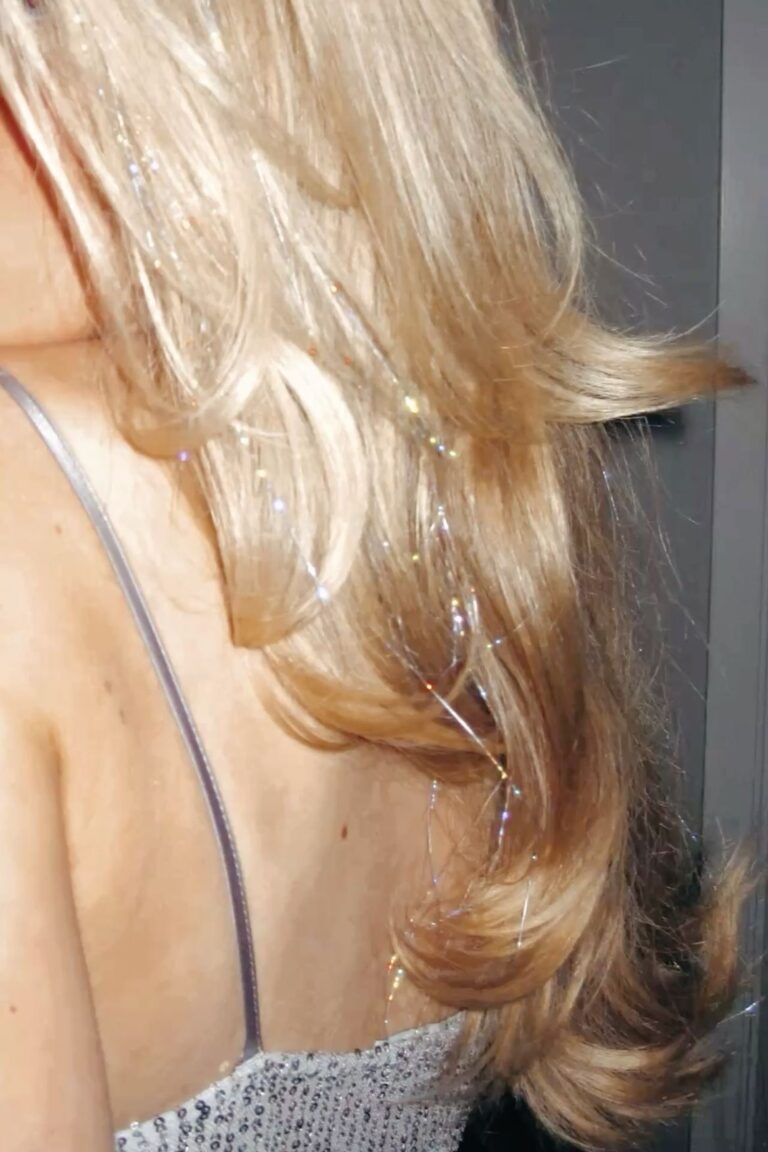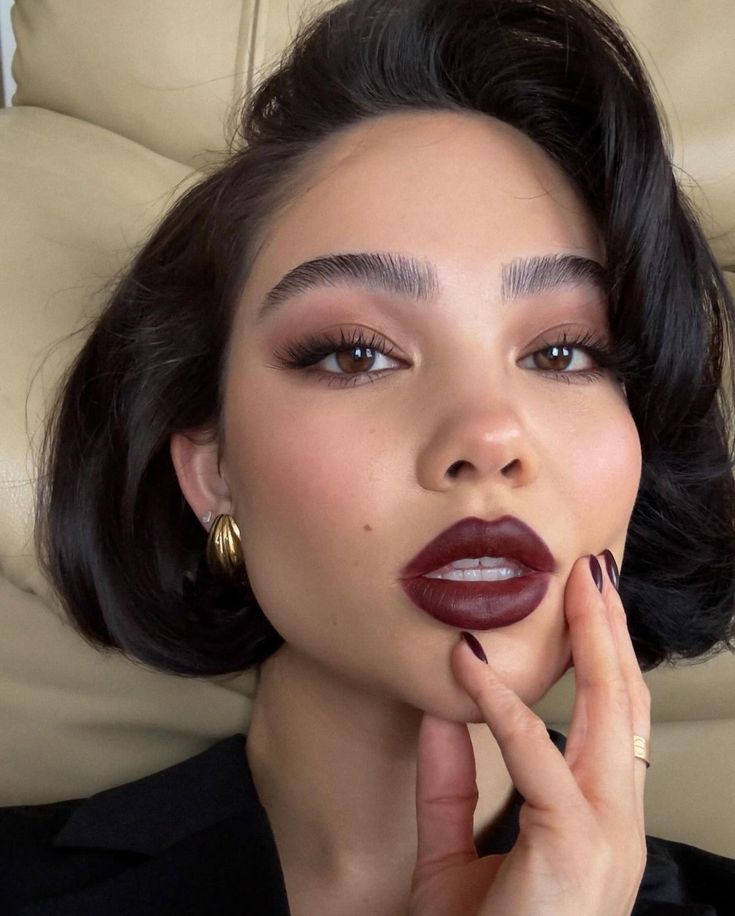
I brought a photo of an Italian bob to my last appointment and my stylist smiled like she’d been waiting for me to ask. Half her clients had walked in with the same picture that month.
There’s a reason. This cut looks polished and undone at the same time. Short enough to feel like a change, soft enough that it grows out well.
Searches for the italian bob haircut hit a record high in 2026, and it’s showing up on every hair trend list I’ve read this year. It’s the cut people mean when they say they want to look expensive without trying.
I’ve watched friends with fine hair, thick hair, and everything between get some version of it. The magic is how adjustable it is. You tweak the length, the part, and the bangs to fit your face.
Here’s who the italian bob suits, the variations worth knowing, and exactly how to ask for one and style it at home.
What is an italian bob haircut?
An italian bob haircut is a chin-to-jaw length bob with soft volume and flippy, lived-in ends. It’s cut with light internal layers so it moves, and it’s usually styled with a slight outward flick. The look reads effortless and a little retro, which is why it’s one of the most requested cuts of 2026.
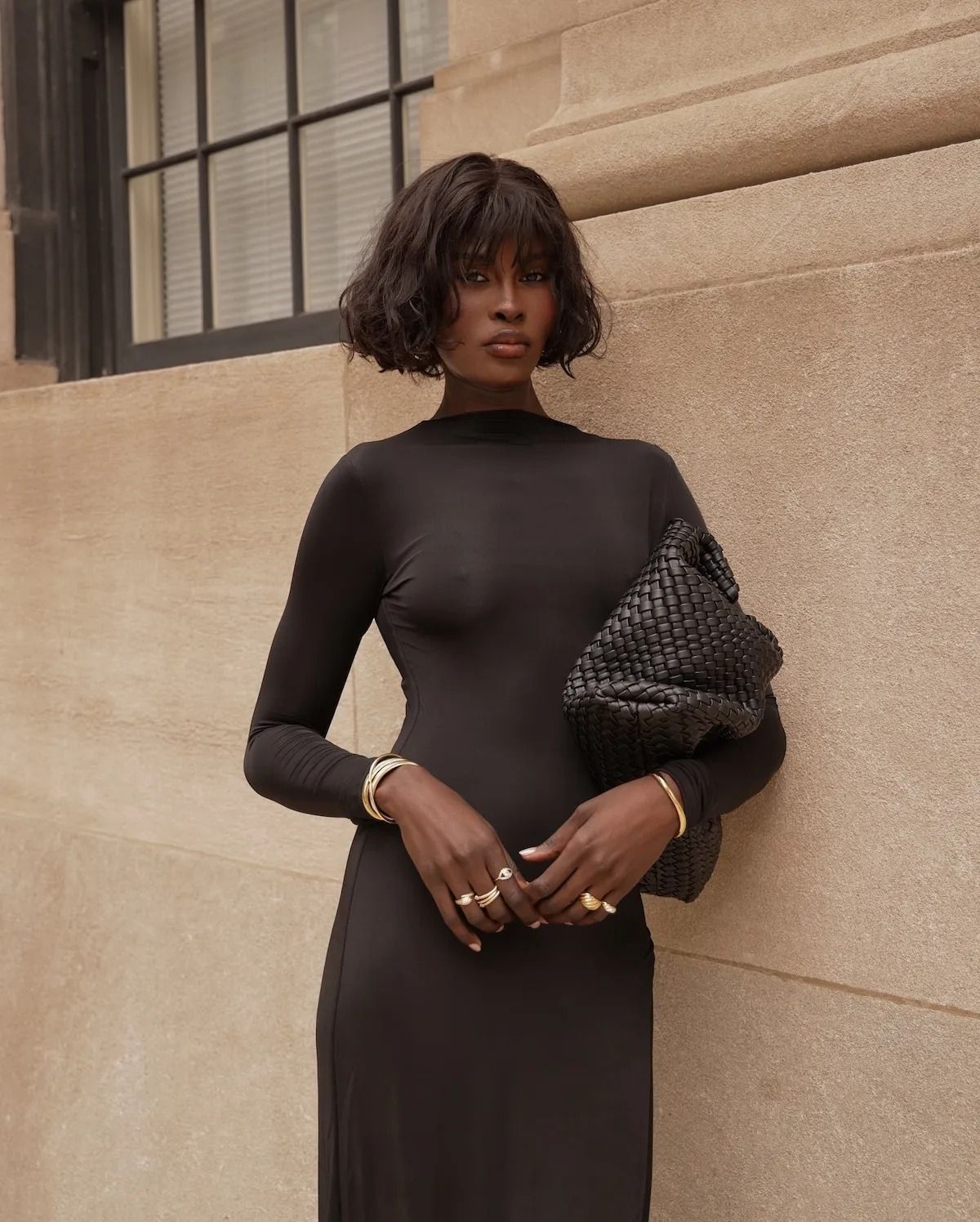
Why the Italian Bob Is Everywhere in 2026
The bob has dominated salon requests for a few years now, but the italian version is having its own moment. It’s the softer, rounder answer to the sharp blunt bobs that came before it.
A 2025 hair industry report found that bobs made up nearly a third of all women’s cut requests, and the trend hasn’t slowed. What changed is the styling. The current mood is texture and movement, not a stiff, one-length shape.
The italian bob nails that. It has just enough length to tuck behind your ears, just enough flick to look intentional, and layers that keep it from falling flat. Pinterest searches for the cut climbed to a record high this year as people looked for something chic but doable.
It also fits how most of us actually live. You can air dry it, flip the ends with a brush, or wave it with a wand in five minutes. If you’re already into low-effort hair, it sits nicely alongside a head spa at home routine and the right silk pillowcase for keeping it smooth overnight.
What Makes a Bob ‘Italian’?
People use the name loosely, so here’s what actually sets it apart. Three things do most of the work.
The length. It sits between the chin and the jaw, sometimes grazing the top of the neck. Short enough to feel bold, long enough to tuck behind an ear.
The ends. They flip out or curve under with soft body. This is the signature. A blunt, flat bob is not an italian bob.
The movement. Light internal layers give it volume and swing. It’s built to look a little tousled, like you woke up on a good hair day in Rome. That effortless finish is the whole point.
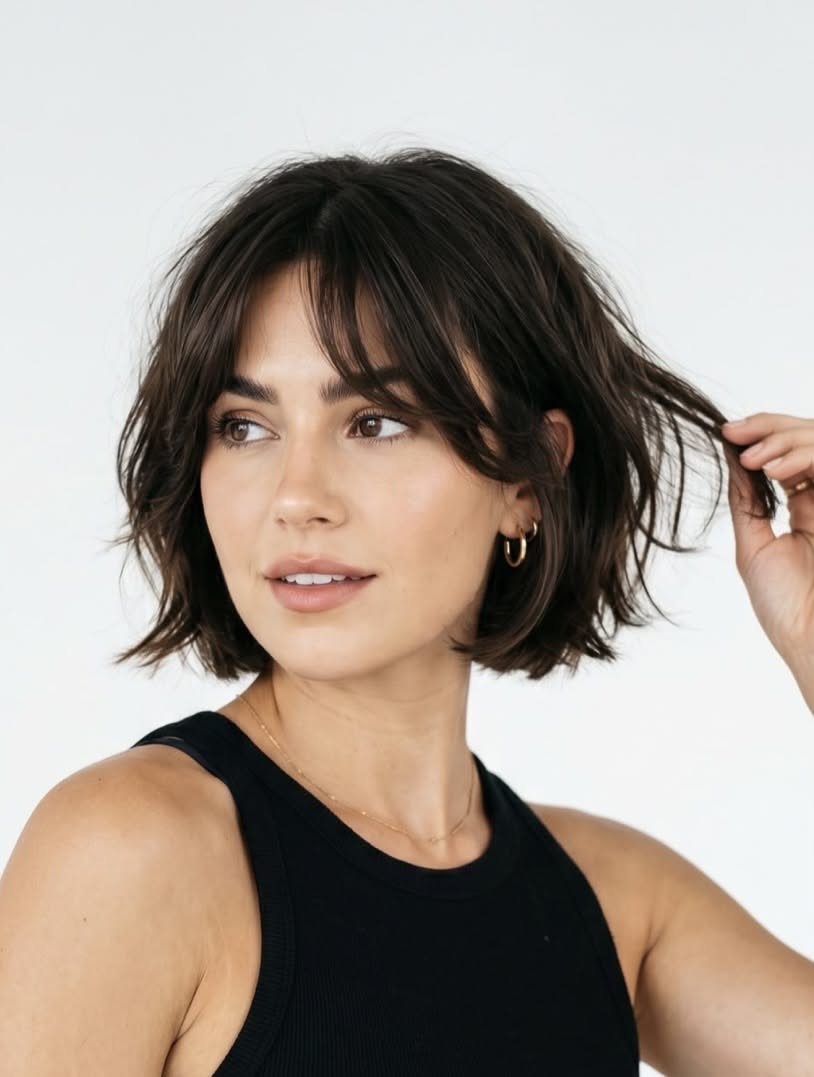
9 Italian Bob Variations to Consider
1. Classic italian bob
Jaw-grazing length, a center part, and soft flipped ends. The version most people picture. It’s clean, timeless, and works with almost any hair type.
2. Curtain bang bob
The same shape with soft, face-framing curtain bangs. This is my favorite for softening a strong forehead or longer face. The bangs blend into the length so they’re easy to grow out.
3. Blunt italian bob
Slightly heavier on the ends for people with fine hair who want the illusion of thickness. Keep a little internal layering so it still moves. Best on straight to lightly wavy hair.
4. Textured tousled bob
More choppy layers and a lived-in, undone finish. This one air dries beautifully and hides a lot of styling sins. Great for wavy hair that already has natural bend.
5. Flipped-ends bob
The retro version with ends that kick out at the sides. It reads a little 60s in the best way. A round brush or the flat side of a wand gets you there.
6. Wavy italian bob
Loose, bendy waves through the lengths for a beachy, soft look. This is the vacation version. It pairs perfectly with the flippy ends the cut is known for.
7. Sleek italian bob
Smooth, shiny, and tucked, with just the ends curving under. The polished, going-out version. A little smoothing serum and a flat iron on the ends is all it takes.
8. Side-part bob
A deep side part adds instant volume at the root and a bit of drama. Flattering on round and square faces because it breaks up symmetry. Easy to switch from your usual center part.
9. A-line italian bob
Slightly longer in the front, shorter in the back. It’s a little edgier and elongates the neck. Ask for a soft A-line so it still feels like an italian bob, not a stacked graduated cut.
Who the Italian Bob Suits Best
Here’s the good news. This cut flatters nearly everyone because you can adjust the length, part, and bangs to your face. These are the pairings my stylist swears by.
Oval face: Almost any version works. Lucky you.
Round face: Go slightly longer, past the chin, with a side part or curtain bangs to add length.
Square face: Soft, wispy curtain bangs and flipped ends balance a strong jaw.
Heart-shaped face: Chin-length with soft face framing narrows the top and adds width at the jaw.
Long face: A shorter bob with full curtain bangs adds width and stops the face from looking longer.
Hair texture matters less than you’d think. Fine hair leans blunt for fullness, thick hair leans textured to remove weight, and curly hair can absolutely wear it with a dry cut. If your hair feels thin lately, the right scalp serum for hair growth and hair growth products help the cut hold volume better.
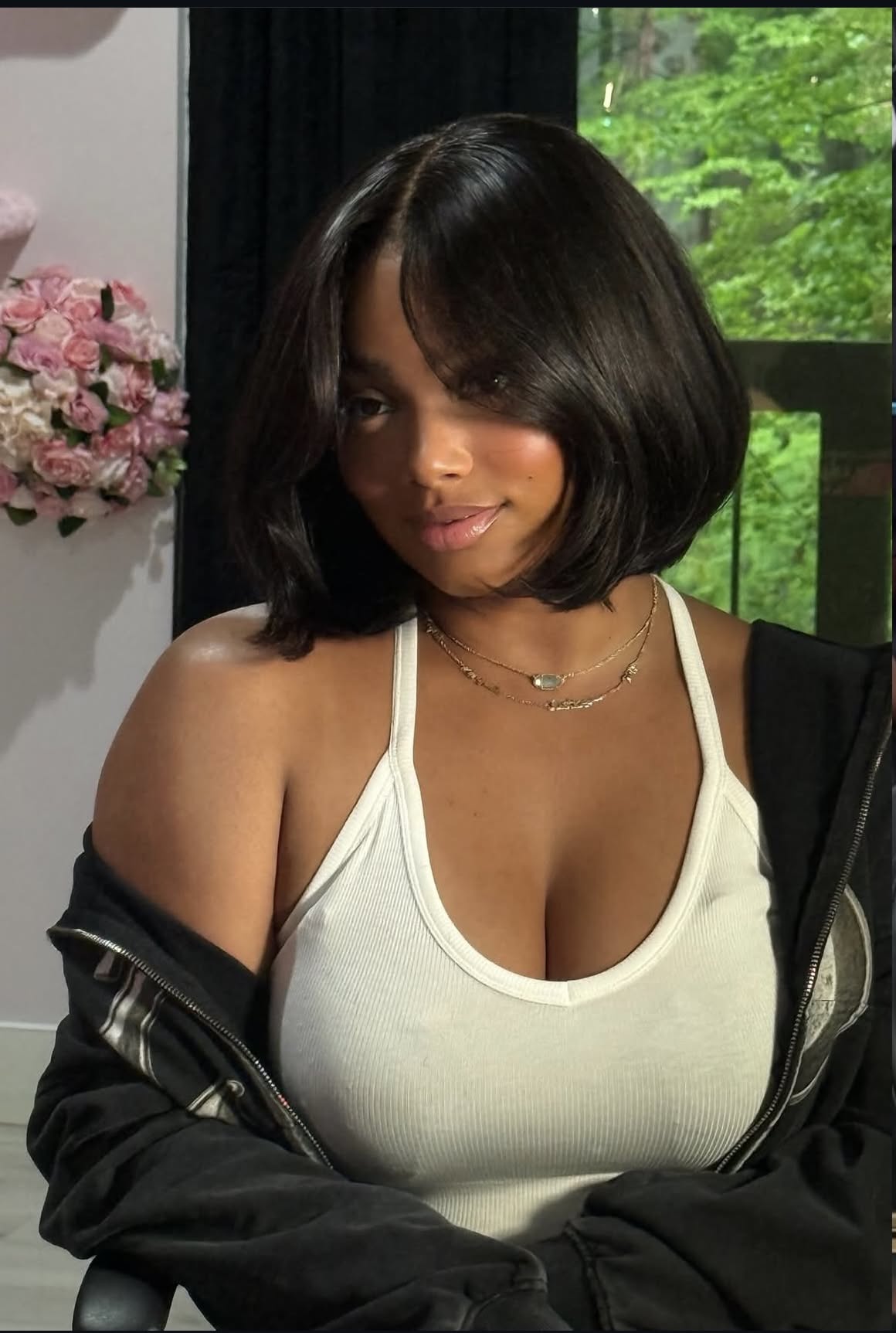
How to Ask for an Italian Bob at the Salon
Bring at least three reference photos. Stylists interpret words differently, but a picture is a picture. Then say something close to this.
“I want an italian bob that grazes my jaw, with soft internal layers and ends that flip out. Please keep it from looking blunt or one-length.”
Mention how much styling you’re willing to do. If you want to air dry, ask for a cut that dries with natural bend. If you’ll use a round brush, they can leave a touch more length.
Ask whether your stylist cuts a lot of bobs. Not everyone shapes flipped ends well. If they seem unsure, that’s your sign to find someone who specializes in short cuts. A quick consult before the appointment saves you from a cut that fights your hair.
How to Style an Italian Bob at Home
Styling is quick once you know the moves. Here’s the routine I use most mornings.
Step 1: Wash and prep
Use a lightweight shampoo and keep conditioner on the mid-lengths and ends only. Roots don’t need it. Heavy formulas weigh a short cut down and kill the volume.
Step 2: Protect and rough dry
Spray a heat protectant through damp hair, then rough dry with your fingers to about 80 percent. This builds the root lift the cut depends on. Skip this and it falls flat fast.
Step 3: Flip the ends
Use a round brush and dryer, or a one-inch curling wand, to flick the ends outward. Point the brush away from your face at the sides. This is the single move that makes it read italian.
Step 4: Add soft bend
For the wavy version, wrap one-inch sections around a wand and leave the last inch out. Alternate directions so it looks natural, not uniform. Let the curls cool before you touch them.
Step 5: Finish light
Break up the shape with your fingers and a pea of smoothing serum on the ends. Add a light texture spray at the roots for hold. Go easy. Heavy product flattens the movement you just built.
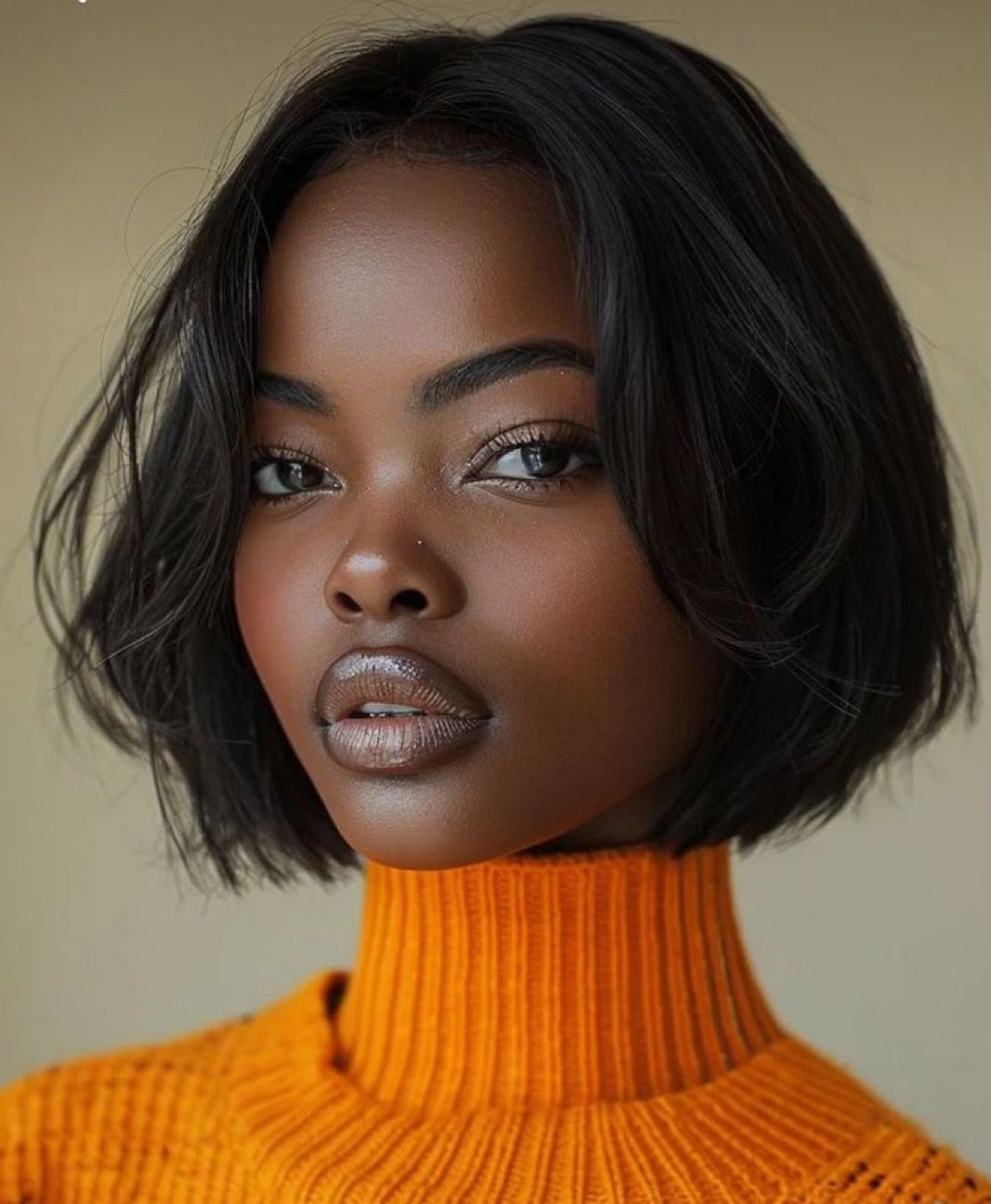
Italian Bob Maintenance
The cut is low effort day to day, but it needs regular trims to keep its shape. Book a trim every six to eight weeks. Short cuts lose their line faster than long hair, and the flipped ends need clean edges to sit right.
Between salon visits, protect your ends. A silk pillowcase cuts down on friction and frizz overnight, and a weekly mask keeps the ends from looking dry as they get older. Heat styling every day will show on a short cut, so use a heat protectant spray every single time.
If your hair gets oily fast, a good dry shampoo for fine hair buys you an extra day and keeps the root volume alive. That combination, trims plus gentle care, is what keeps an italian bob looking expensive months after you cut it.
| Variation | Length | Texture | Best Face Shape | Vibe |
|---|---|---|---|---|
| Classic | Jaw-grazing | Soft flipped ends | Oval, most shapes | Timeless |
| Curtain bang | Chin to jaw | Face-framing | Long, square | Soft |
| Blunt | Chin | Heavier ends | Fine hair | Full |
| Textured tousled | Jaw | Choppy layers | Wavy hair | Undone |
| Wavy | Jaw to neck | Loose waves | Oval, round | Beachy |
| A-line | Longer in front | Sleek | Heart, oval | Edgy |
If you’re growing into a bob or babying a fresh cut, these help. Start with the best silk pillowcases for smoother mornings, the best scalp serum for hair growth, and the hair growth products I actually use. Then check the heat protectant spray for fine hair, the best dry shampoo for fine hair, and the head spa at home guide for a proper scalp reset.
It’s the rare cut that looks expensive and still lets you sleep in. evrygal recommends bringing three clear reference photos and asking for soft flipped ends, not a blunt line. That one detail is the difference between a plain bob and an italian one.
Key Takeaways
- The italian bob haircut is a chin-to-jaw length cut with soft volume and flippy, lived-in ends
- It flatters almost every face shape because you can adjust the length, part, and bangs
- Ask your stylist for a jaw-grazing bob with soft internal layers and flipped-out ends, not a blunt one-length cut
- Style it with a round brush or a one-inch curling wand to get the signature outward flick
- It’s low maintenance day to day but needs a trim every 6 to 8 weeks to hold its shape
Last updated: July 11, 2026
FAQ
What is an italian bob haircut?
It’s a chin-to-jaw length bob with soft volume and flippy, lived-in ends. Light internal layers give it movement, and the ends usually flick outward or curve under. The finish looks effortless and a little retro, which is why it took off in 2026. Think polished but undone, not blunt and stiff.
Does the italian bob suit round faces?
Yes, with a small tweak. Go slightly longer than chin length and add a side part or soft curtain bangs. That creates vertical lines that lengthen and slim a round face. Avoid a super short, blunt version, since that can widen the face.
Is the italian bob good for fine hair?
It’s one of the best cuts for fine hair. Removing length instantly makes hair look thicker and bouncier. Ask for a slightly blunter version with just a little internal layering so it holds fullness. Root-lift styling and a volumizing dry shampoo keep it from falling flat.
How do I style an italian bob at home?
Rough dry damp hair with your fingers to build root lift, then flip the ends outward with a round brush or a one-inch wand. Add loose bend through the lengths if you want the wavy version. Finish with a pea of smoothing serum on the ends and a light texture spray at the roots. The outward flick at the ends is the move that makes it read italian.
How often does an italian bob need a trim?
Every six to eight weeks. Short cuts lose their shape faster than long hair, and the flipped ends need clean edges to sit right. If you have bangs, plan a quick bang trim every four to six weeks between full cuts.