
Heads up: This post contains affiliate links. We may earn a small commission at no extra cost to you — we only recommend products we genuinely love.
I used to think getting my life together meant a total overhaul. New gym routine, new sleep schedule, new morning ritual, all starting Monday. It never lasted more than a week.
Then I tried the opposite. One tiny thing at a time. I started making my bed every morning. That was it.
After two weeks it felt automatic, so I added another small habit. Then another. Six months later, my entire day looked different and I never had to white-knuckle my way through a single change.
These are micro habits for self improvement. They take under two minutes. They feel almost too easy.
And that is exactly why they work. A 2024 study in the British Journal of Health Psychology found that it takes an average of 59 days to form a new habit, not the 21 days everyone quotes. But the smaller the habit, the faster it sticks.
I have tested all 50 of these. Some I still do every day. Some I rotated out. Every single one made a noticeable difference in my mood, energy, or productivity within the first two weeks.
What Are the Best Micro Habits for Self Improvement?
The best micro habits for self improvement are ones that take under two minutes and attach to something you already do. Making your bed right after you get up, drinking a full glass of water before coffee, and doing a 60-second stretch before your shower are the three highest-impact starters. James Clear’s research on habit stacking shows that linking a new behavior to an existing routine makes it 2-3 times more likely to stick after 30 days.
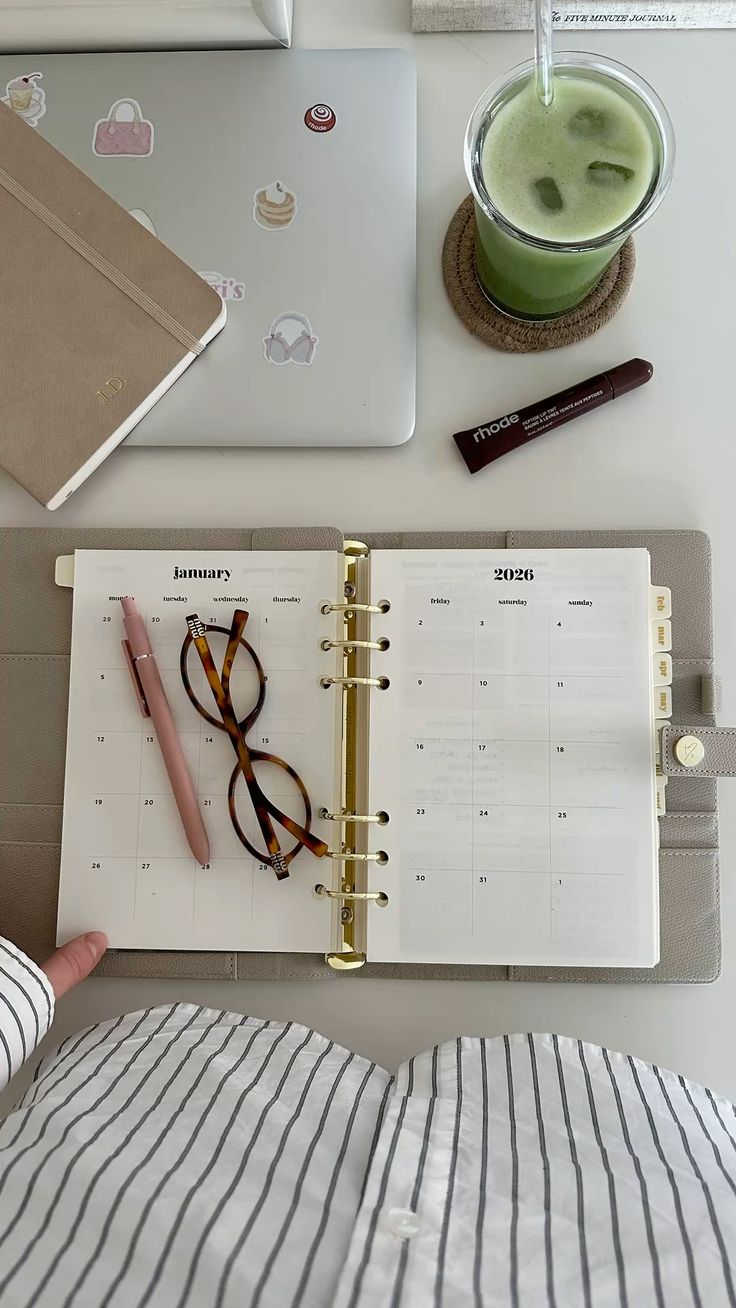
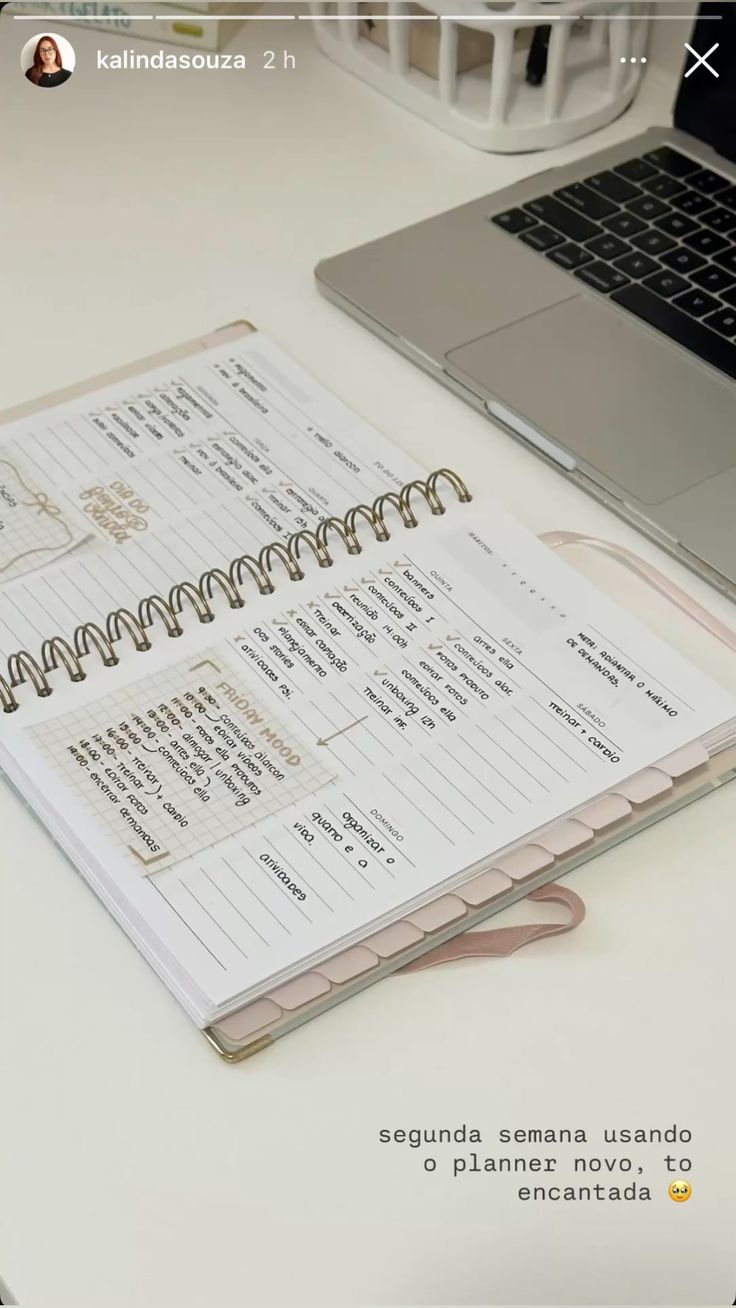
Morning Micro-Habits (1-10)
Your morning sets the tone for everything. These take less than five minutes total. For more ideas, check out our full list of morning routine tips.
1. Make your bed immediately
Before you check your phone. Before coffee. Just pull the covers up.
Admiral William McRaven’s famous commencement speech was right. Completing one task first thing builds momentum for the rest of the day.
2. Drink a full glass of water before coffee
You wake up dehydrated after 7-8 hours without water. A study in the Journal of Clinical Endocrinology found that drinking 500ml of water increased metabolic rate by 30% within 10 minutes.
3. Do a 60-second stretch
Touch your toes. Roll your shoulders. Twist your spine.
One minute. Your body has been still for hours and it needs to wake up.
4. Open the blinds right away
Natural light suppresses melatonin and signals your brain that the day has started. Neuroscientist Andrew Huberman recommends getting sunlight in your eyes within the first hour of waking.
5. Say one thing you are grateful for
Out loud. Not in your head. Just one. A UC Davis study showed that people who practiced daily gratitude reported 25% better well-being scores than those who didn’t.
6. Put your phone in another room for the first 15 minutes
The average person checks their phone within 3 minutes of waking up. Those first 15 minutes of scrolling train your brain to be reactive instead of intentional.
7. Wash your face with cold water
Not an ice bath. Just cold tap water splashed on your face. It wakes you up faster than caffeine and reduces morning puffiness.
8. Pick out your outfit the night before
This saves about 10 minutes of decision fatigue every morning. Barack Obama and Steve Jobs both wore the same thing daily for this reason.
9. Write down your top 3 tasks for the day
Not 10 tasks. Three. The Ivy Lee method from 1918 is still one of the most effective productivity systems ever studied. Use our habit tracker template to stay consistent.
10. Take 5 deep breaths before leaving the house
In for 4 counts, hold for 4, out for 6. A 2023 Stanford study found that cyclic sighing reduced anxiety more effectively than mindfulness meditation.
Mindset and Mental Health (11-20)
Your inner world shapes your outer one. If you are working on your mental health, our nervous system regulation routine pairs well with these.
11. Replace “I have to” with “I get to”
“I have to go to work” becomes “I get to go to work.” Language shapes perception, and this tiny reframe shifts your brain from obligation to opportunity.
12. Name your emotion when you feel it
“I am feeling anxious” is more useful than “I am anxious.” UCLA research shows that labeling emotions reduces amygdala activity by up to 50%.
13. Write one sentence in a journal every night
Not a full page. One sentence about your day. Check out our guide to journaling for beginners if you want to go deeper.
14. Unfollow one account that makes you feel bad
Do this once a week. After six months of this habit, my social media experience is completely different.
15. Pause for 3 seconds before reacting
When someone says something that triggers you, count to three silently. This tiny pause gives your prefrontal cortex time to override the emotional reaction.
16. Compliment yourself once a day
In the mirror, out loud, or written down. Self-compassion research from Dr. Kristin Neff shows this habit reduces anxiety and increases motivation over time.
17. Do a brain dump when you feel overwhelmed
Set a timer for 2 minutes. Write down every single thing on your mind. Do not organize it. Just get it out of your head and onto paper.
18. Say no to one thing per week
One invitation, one request, one favor. People who set boundaries have 23% lower burnout rates according to a 2023 Gallup workplace study.
19. Listen to a 5-minute podcast instead of scrolling
Swap 5 minutes of Instagram for 5 minutes of a podcast that teaches you something. It is the same amount of time but fills your brain differently.
20. End each day by naming one win
Big or small. “I drank enough water” counts. This trains your brain to look for progress instead of problems.
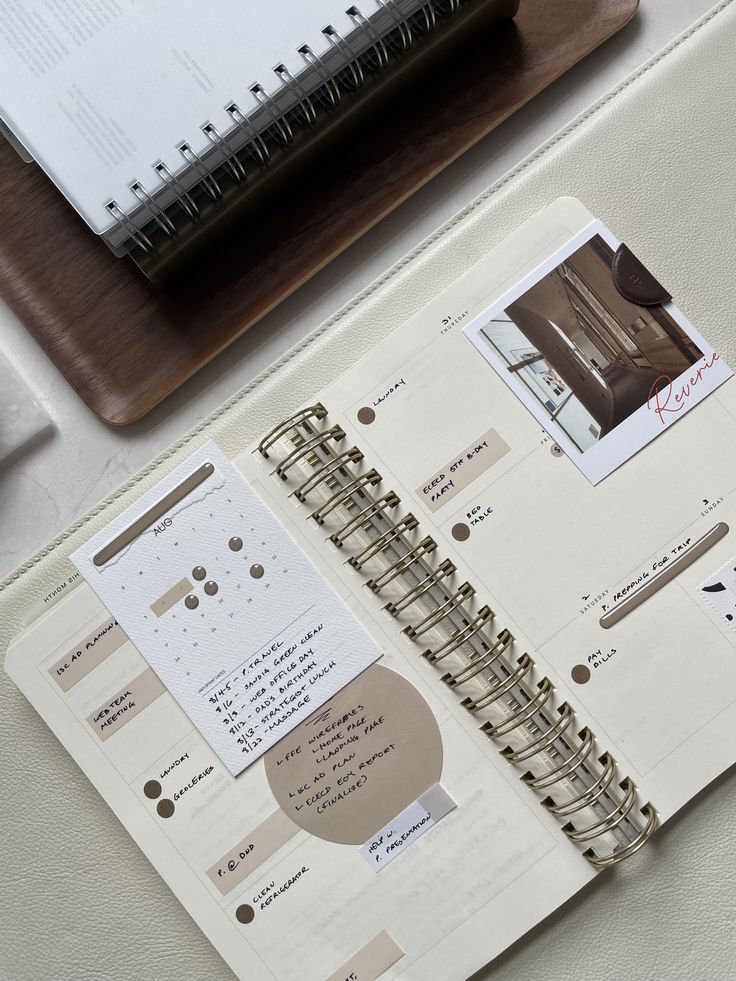
Physical Health and Energy (21-30)
You do not need a gym membership. These habits take care of your body in two minutes or less. They pair well with our morning routine for women.
21. Walk for 2 minutes after every meal
A 2022 study in Sports Medicine found that even a 2-minute walk after eating reduced blood sugar spikes by 17-24%.
22. Stand up every hour
Set a timer on your phone. Sitting for more than 8 hours a day increases cardiovascular disease risk by 20%, but breaking it up every hour helps.
23. Eat one more vegetable per day
Not five servings. One more than you had yesterday. Add spinach to your smoothie or tomato to your sandwich.
24. Go to bed 15 minutes earlier
Not an hour earlier. Fifteen minutes. Over a month that adds up to 7.5 extra hours of sleep.
25. Do 10 squats while waiting for coffee
Your coffee takes about 90 seconds to brew. That is enough time for 10 slow squats. After a month of this, I noticed a real difference.
26. Keep a water bottle on your desk
A study in the Journal of Environmental Psychology found that placing water in sight increased consumption by 45%.
27. Take one flight of stairs instead of the elevator
Just one floor. Harvard Medical School found that stair climbing burns 2-3 times more calories per minute than walking on flat ground.
28. Do 5 wall push-ups in the bathroom
Hands on the wall, feet back, push. Five reps. Every time you use the bathroom. That adds up to 15-25 push-ups per day.
29. Stretch your hip flexors for 30 seconds
Lunge position, back knee down, lean forward. This one stretch done daily can reduce lower back pain significantly.
30. Put your fork down between bites
This slows your eating by about 20%. It takes your brain 20 minutes to register fullness. Eating slower means eating less without trying.
Productivity and Focus (31-40)
These habits protect your time and attention. They are especially helpful if you work from home or struggle with afternoon brain fog.
31. Check email at set times, not constantly
Twice a day works for most people. A University of British Columbia study found that checking email less frequently reduced stress as much as relaxation techniques did.
32. Use the 2-minute rule
If something takes less than 2 minutes, do it right now. Reply to that text. Wipe the counter. David Allen coined this in Getting Things Done and it still works.
33. Close unnecessary browser tabs
Right now. Research from the American Psychological Association shows that multitasking reduces productivity by up to 40%.
34. Time-block your hardest task for the morning
Most people peak in cognitive performance between 9am and 11am. Put your hardest work there.
35. Set a phone timer for focused work
25 minutes on, 5 minutes off. The Pomodoro Technique is backed by decades of focus research. Even one focused 25-minute block produces more than an hour of distracted work.
36. Prep tomorrow’s to-do list tonight
Spend 60 seconds writing tomorrow’s 3 priorities before bed. A Baylor University study found this reduced the time it took to fall asleep by 9 minutes.
37. Put your phone on Do Not Disturb for 1 hour
Pick one hour per day. Your best working hour. Cal Newport’s Deep Work research confirms that even one interruption-free hour dramatically improves output quality.
38. Batch similar tasks together
Do all your emails at once. Make all your calls in a row. Context-switching costs your brain 15-25 minutes each time you switch tasks.
39. Use a dopamine menu for breaks
Instead of defaulting to your phone on breaks, pick from a pre-made list of feel-good activities. Having options ready prevents mindless scrolling.
40. Review your day for 60 seconds before shutting down
What got done? What did not? What is the first thing for tomorrow? This tiny review creates a clean break between work and rest.
Relationships and Social (41-50)
The quality of your relationships predicts your happiness better than income, job title, or health, according to the Harvard Study of Adult Development.
41. Text one person good morning
A friend, a parent, a partner. One text. It takes 10 seconds and it will make someone’s day.
42. Put your phone away during meals
Face down or in another room. A 2018 University of British Columbia study found that phones on the table reduced conversation quality.
43. Ask “how are you really doing” instead of “how are you”
The word “really” changes the answer. It signals that you actually want to know.
44. Give one genuine compliment per day
Not “nice shirt.” Try “you explained that really clearly in the meeting.” Specific compliments land differently because they show you are paying attention.
45. Listen without planning your response
When someone talks, just listen. Most people listen to respond, not to understand. Practicing this even once a day improves every relationship you have.
46. Say thank you to someone who helped you today
A 2014 study in Emotion found that thanking a new acquaintance made them 100% more likely to seek an ongoing relationship.
47. Schedule one friend date per week
Coffee, a walk, a phone call. Put it in your calendar. The average adult makes zero new close friends after age 25 without deliberate effort.
48. Send a voice note instead of a text
Voice notes carry tone, warmth, and personality that text cannot. I started doing this with my closest friends and it deepened every conversation.
49. Apologize within 24 hours
If you snapped, forgot something, or hurt someone’s feelings, say sorry before the day ends. Fast apologies build trust.
50. Do a sunday reset to plan your week
Spend 15 minutes every Sunday reviewing what worked, what did not, and setting intentions for the week ahead. This weekly habit keeps all your daily micro habits on track.
If you liked this list, check out our how to glow up guide for more ways to improve your life in small, practical steps. Want structure? The 75 Soft Challenge turns small habits into a 75-day system.
Pick three habits from this list. Just three. Start tomorrow. evrygal recommends starting with the morning category because those habits set the tone for everything else.
You do not need to change your entire life at once. You just need to change two minutes of it.
Key Takeaways
- The best micro habits for self improvement take under 2 minutes and compound over weeks
- Making your bed, drinking water first thing, and a 60-second stretch are the 3 highest-impact morning micro habits
- Habit stacking (attaching a new habit to an existing one) is the most effective way to build micro habits
- A 2024 study found it takes an average of 59 days to form a new habit, not 21
Last updated: April 13, 2026
FAQ
How long does it take to build a micro habit?
A 2024 study in the British Journal of Health Psychology found the average is 59 days, not the 21 days most people believe. But smaller habits form faster. Something that takes under 30 seconds, like drinking water first thing, can become automatic in 2-3 weeks.
What is habit stacking and how does it work?
Habit stacking means attaching a new habit to one you already do. “After I pour my coffee, I will write my 3 priorities” links the new behavior to an existing cue. James Clear popularized this technique in Atomic Habits. It works because your brain already has a neural pathway for the existing habit.
Can micro habits really make a big difference?
Yes. The compound effect is real. If you improve by just 1% each day, you are 37 times better after one year. Most people overestimate what they can do in a week and underestimate what they can do in six months of small, consistent actions.
What are the best micro habits for self improvement to start with?
Start with three: make your bed, drink water before coffee, and write your top 3 tasks for the day. These are the highest-impact, lowest-effort micro habits for self improvement. Once all three feel automatic, add one more from this list.
Should I track my micro habits?
Tracking helps a lot in the first 30 days. Seeing a streak motivates you to keep going. After that, most habits run on autopilot and tracking becomes optional. Use a simple habit tracker app like Streaks or a printed habit tracker template.