Heads up: This post contains affiliate links. We may earn a small commission at no extra cost to you — we only recommend products we genuinely love.
You know that feeling when you’re bored and your hand just reaches for your phone? Not because you want to check anything specific. Just because your brain wants something and you don’t know what else to give it.
I used to cycle through the same loop every afternoon. Instagram, TikTok, back to Instagram, maybe some online shopping I didn’t need. It felt good for about four minutes. Then I felt worse than before.
A dopamine menu changed that for me. It’s a simple list of activities that actually make you feel good, organized by how much energy they take. Think of it like a restaurant menu, but instead of food, it’s things that genuinely boost your mood.
I made a free dopamine menu template you can download and fill in right now. No email signup, no paywall. Just a clean printable PDF and a Google Docs version you can customize on your phone or laptop. I’ll also walk you through exactly how to fill it in so it actually sticks.
What Is a Dopamine Menu?
A dopamine menu is a personalized list of healthy activities organized by effort level. It gives your brain better options than scrolling when it craves a mood boost. The concept was popularized by Dr. Anna Lembke’s research on dopamine and reward systems at Stanford.
The idea is simple. When you’re bored, stressed, or just need a pick-me-up, you look at your menu instead of defaulting to your phone. Each section is named like a restaurant menu to make it fun and easy to scan.
You’ve got appetizers for quick 5-minute boosts. Entrees for longer 30 to 60 minute activities. Sides that pair with anything you’re already doing.
Desserts are indulgent treats you use sparingly. And specials are rare, seasonal splurges.
A 2023 study published in Nature found that anticipating a reward activates the same dopamine pathways as the reward itself. So just looking at your menu and choosing something can start lifting your mood before you even do the activity.
Why You Need a Dopamine Menu
The average person spends 2 hours and 24 minutes on social media every day, according to DataReportal’s 2025 Global Digital Report. That’s almost 17 hours a week of scrolling. And most of us don’t feel better after it.
Scrolling gives you tiny, unpredictable hits of dopamine. Your brain loves the randomness because it mimics a slot machine. But those hits are shallow.
They don’t actually replenish anything. They just keep you reaching for more.
Dr. Anna Lembke, author of Dopamine Nation, explains that our brains work on a pleasure-pain balance. When you flood your system with easy dopamine from social media, online shopping, or sugar, your brain compensates by dialing down your baseline mood. You end up needing more stimulation just to feel normal.
A dopamine menu flips that pattern. Instead of reaching for whatever is easiest, you pick from a list of things that genuinely restore your energy. It’s not about willpower. It’s about having a plan before the craving hits.
How to Build Your Dopamine Menu
Building your menu takes about 15 minutes. Grab the template below, or just open a notes app and start listing activities that make you feel good.
The key is being specific. “Exercise” is too vague. “A 20-minute walk around the neighborhood with a podcast” is something you’ll actually do.
Here’s each category with examples to get you started.
Appetizers (5 minutes or less)
These are your quick hits. Low effort, instant mood shift. Reach for these when you catch yourself about to open social media out of habit.
- Step outside and feel the sun for two minutes
- Play one favorite song and actually listen to it
- Stretch your neck and shoulders at your desk
- Text a friend something funny or kind
- Smell something good. A candle, lotion, fresh coffee.
- Drink a full glass of cold water
- Do 10 jumping jacks or a quick dance break
- Write down three things you’re looking forward to
Entrees (30 to 60 minutes)
These are the activities that actually fill you up. They take more time but leave you feeling genuinely restored. Schedule one entree per day if you can.
- Go for a 30-minute walk without your phone
- Cook a meal from scratch, even something simple
- Journal for 20 minutes. Prompts help if you don’t know where to start.
- Take a long bath or shower with no rushing
- Do a full workout or yoga session
- Read a physical book for 30 minutes
- Call a friend or family member you haven’t talked to in a while
- Work on a creative project. Painting, knitting, rearranging a shelf.
Research from the University of Vermont found that just 20 minutes of exercise can improve mood for up to 12 hours afterward. That’s a better return than any scroll session.
Sides (pair with anything)
Sides are background activities that make everything else feel a little better. Layer them on top of whatever you’re already doing.
- Light a candle while you work
- Put on a comfort playlist or lo-fi beats
- Listen to a podcast while cooking or cleaning
- Open the windows for fresh air
- Wear something cozy, even if you’re not going anywhere
- Make your bed before you leave the room
- Diffuse essential oils while you journal
Desserts (use sparingly)
Desserts feel great in the moment but can tip into overdoing it. They’re not off-limits. You just want to enjoy them intentionally, not as a default.
- Watch one episode of your favorite comfort show
- Online window shopping with a set budget or no cart
- Order your favorite takeout
- Scroll Pinterest for inspiration (with a 15-minute timer)
- Have a glass of wine or a fancy coffee drink
- Buy yourself flowers or a small treat
The distinction between desserts and appetizers isn’t about judgment. It’s about noticing which activities leave you wanting more and which leave you feeling full. A 2024 meta-analysis in Psychological Bulletin found that people who plan their indulgences in advance report 34% higher satisfaction with them.
Specials (rare treats)
Specials are the activities you can’t do every day, but they’re worth saving up for. Having them written down gives you something to look forward to, which is its own dopamine boost.
- Book a spa day or at-home facial
- Plan a weekend trip or day trip somewhere new
- Take a class you’ve been curious about. Pottery, cooking, dance.
- Go to a concert, museum, or farmers market
- Have a full digital detox day. No screens until evening.
- Rearrange or redecorate a room in your apartment
Free Dopamine Menu Template
I made two versions so you can pick whatever works for your brain.
Printable PDF: A clean one-page template you can print and stick on your fridge, tape inside your planner, or keep on your desk. It has all five categories with space to write in your own activities. Download the free PDF here.
Google Docs version: A digital version you can type into on your phone or laptop. Make a copy and customize it however you want. Get the Google Docs template here.
Both are completely free. No email signup, no paywall, no catch. I just want you to have something better to reach for than your phone at 3pm.
How I Use My Dopamine Menu
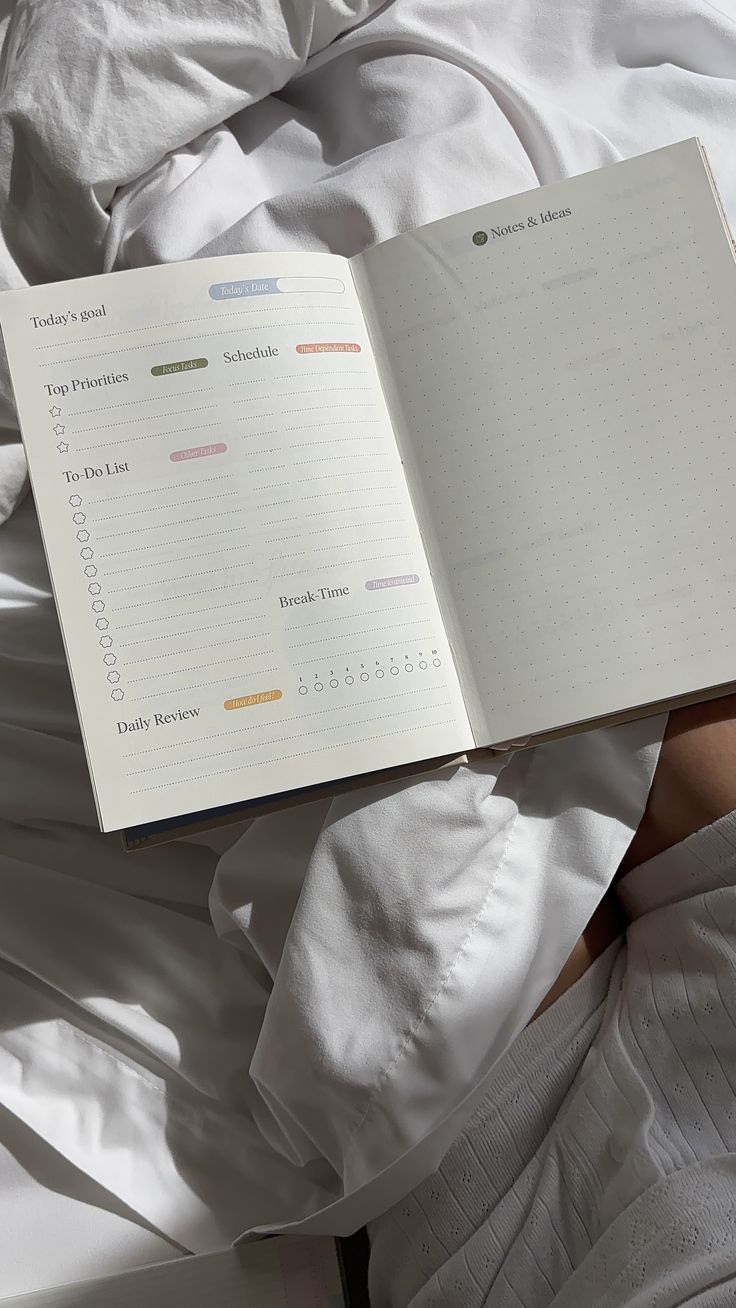
I keep a printed copy taped to the inside of my planner. Here’s how it actually shows up in my week.
The 3pm slump. This is when I used to spiral into TikTok for 45 minutes and then feel groggy the rest of the afternoon. Now I check my appetizers.
Usually I’ll step outside for two minutes or make a matcha. Small shift, but it breaks the cycle before it starts.
Sunday scaries. Sunday evenings used to be pure anxiety for me. Now I pick an entree from my menu.
A 30-minute walk with a podcast, or I’ll cook something for the week ahead. It gives the restless energy somewhere to go.
Post-argument wind-down. After a hard conversation or a stressful call, my instinct is to numb out with my phone. Instead I’ll layer a few sides. A candle, a comfort playlist, maybe change into something cozy.
It sounds small. But it actually helps me process instead of just distracting.
Weekend mornings. I used to wake up and immediately start scrolling. Now I pick one appetizer and one side before I even look at my phone.
Stretch, open the windows, put on music. By the time I do check my phone, I don’t feel like I need it as badly.
The trick isn’t discipline. It’s having the list ready before the craving hits. A 2023 study in the Journal of Experimental Psychology found that people who pre-commit to specific alternatives are 2.5 times more likely to follow through than people who just decide to “do less” of a bad habit.
Tips for Making Your Dopamine Menu Stick
A dopamine menu only works if you actually use it. Here’s what I’ve learned after six months with mine.
Put it somewhere you’ll see it. Print it and tape it where you usually reach for your phone. Inside your planner, on your nightstand, on the fridge. Out of sight means out of mind.
Start with appetizers. Don’t try to overhaul your whole day. Just replace one scroll session with one appetizer.
That’s it. Build from there.
Update it every month. Your menu should change as your life changes. Activities that felt exciting in January might feel stale by April.
Swap things in and out. I refresh mine at the beginning of each month, usually during my weekly reset.
Don’t make it a chore. If everything on your menu feels like homework, you’ll never reach for it. Include things that are genuinely fun.
Dancing in your kitchen counts. Watching a sunset counts.
Share it with someone. Text your dopamine menu to a friend and ask for theirs. According to the American Psychological Association, social accountability increases follow-through on behavioral changes by up to 65%.
Pair it with existing habits. Your dopamine menu works even better when it’s part of a larger system. If you already track habits, add “used my dopamine menu” as a daily checkbox.
Small wins stack up. A behavioral study from University College London found it takes an average of 66 days to form a new habit, so give yourself grace in the first two months.
If you liked this, you might also like our habit tracker template, free budget tracker template, or free gratitude journal template, and our free daily planner template, and our to-do list template. For building routines around your menu, check out the weekly reset routine, our morning routine for women guide, and journaling for beginners. And if you want to level up your whole vibe, start with how to glow up, free meal prep template., and our free self-care checklist Or try our list of 50 things to do instead of scrolling.
Key Takeaways
- A dopamine menu organizes healthy mood-boosting activities by effort level, like a restaurant menu for your brain
- Categories include appetizers (5-min boosts), entrees (30-60 min activities), sides (pair with anything), desserts (indulgent, use sparingly), and specials (rare treats)
- The average person spends 2 hours 24 minutes daily on social media. A dopamine menu gives you better options
- Download the free printable PDF or Google Docs version with no signup required
- Replace doomscrolling and impulse shopping with intentional feel-good activities you actually enjoy
Last updated: March 31, 2026
FAQ
What is a dopamine menu?
A dopamine menu is a personalized list of mood-boosting activities organized by effort level. Think of it like a restaurant menu for your brain. Appetizers are quick 5-minute boosts, entrees are longer 30 to 60 minute activities, sides pair with anything, desserts are indulgent treats to use sparingly, and specials are rare splurges.
How do I make a dopamine menu?
Start by listing activities that genuinely make you feel good in each category: appetizers (5 minutes), entrees (30-60 minutes), sides (background activities), desserts (indulgent but intentional), and specials (rare treats). Be specific. Write ‘a 20-minute walk with a podcast’ instead of ‘exercise.’ Download the free template above to make it easy.
Does a dopamine menu actually work?
Yes, when you actually use it. The science behind it is solid. Pre-committing to specific alternatives makes you 2.5 times more likely to follow through on behavior change, according to research in the Journal of Experimental Psychology. The key is keeping it visible and starting with small swaps.
How often should I update my dopamine menu?
Update it once a month. Your energy levels, interests, and seasons change, and your menu should change with them. Swap out activities that feel stale and add new ones that excite you. The goal is a living document, not a one-time exercise.
Can I use a dopamine menu for anxiety?
A dopamine menu can help with anxiety management, but it’s not a replacement for professional support. Many people find that having a go-to list of calming activities reduces the overwhelm of figuring out what to do when anxiety hits. Appetizers and sides are especially helpful in anxious moments because they’re low-effort and grounding.