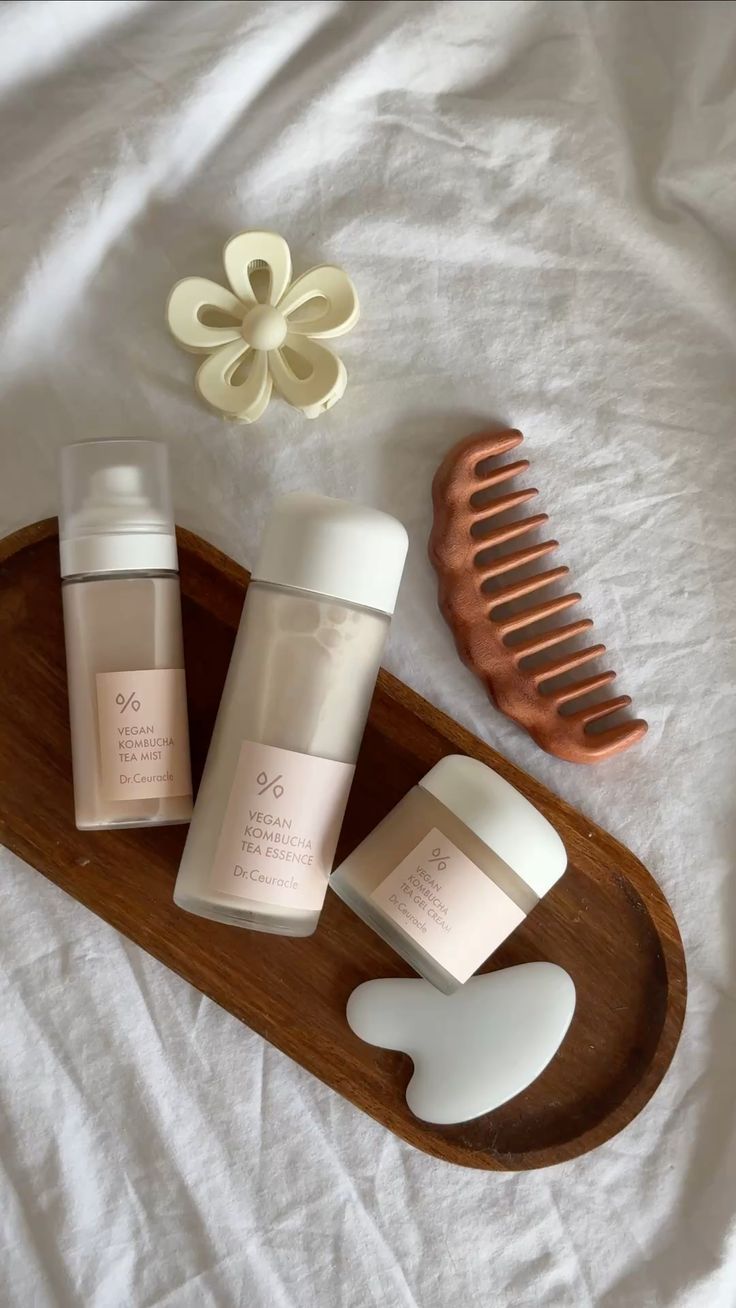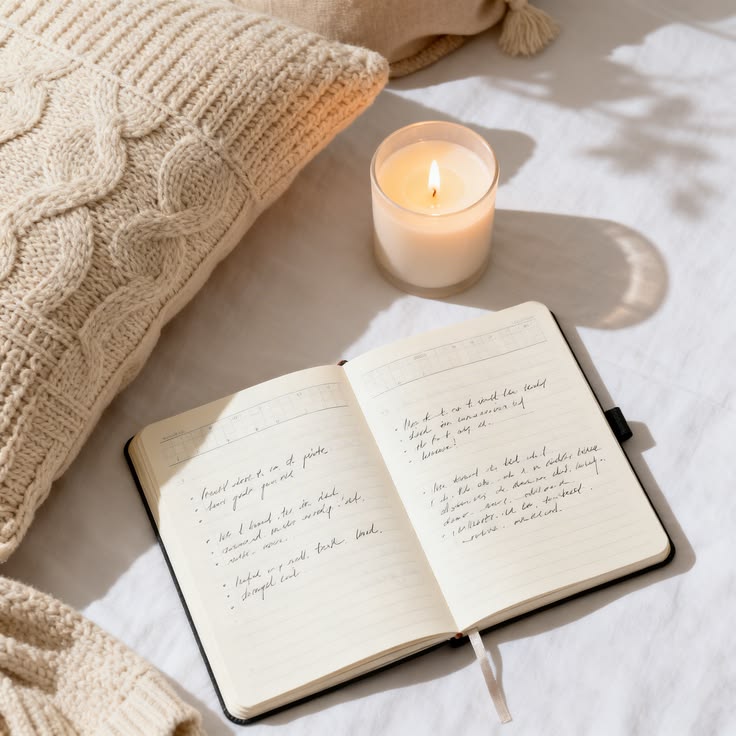
I used to think self-care meant face masks and bubble baths. And then I would forget to drink water, skip meals, ignore texts from people I actually love, and wonder why I felt so run down by Friday.
Self-care is not one thing. It is a bunch of small things across different parts of your life. Physical, mental, emotional, social, financial. When one area gets neglected for too long, you start feeling it everywhere. But keeping track of all of it in your head is exhausting.
So I made a self care checklist printable free to download. It covers 7 categories with 30 specific items you can check off each week. No vague “practice self-care” reminders. Just small, doable things that take under 30 minutes each. Print it, stick it on your fridge, and see how it changes your week.
What Should Be on a Self-Care Checklist?
A good self care checklist covers 7 dimensions of wellness: physical, mental, emotional, social, creative, environmental, and financial. Each item should be specific enough to act on and small enough to finish in under 30 minutes. Vague items like “take care of yourself” do not work. Specific items like “drink 8 glasses of water” do.
Most self-care advice focuses only on the body or the mind. But research from the Global Wellness Institute identifies at least six interconnected dimensions of wellness that all need attention. Neglecting any one category creates a domino effect on the others.
The checklist I made covers all seven. You do not need to check everything off every week. But scanning the list helps you notice which areas have been getting ignored.

The 7 Categories of Self-Care (With Examples)
Here is what each category covers and why it matters. I included the exact items from the free printable so you can start thinking about which ones fit your week.
1. Physical (Body)
Your body is the foundation. When you skip sleep or forget to eat, everything else gets harder. These are the basics that keep your energy stable.
- Move your body for 30 minutes (walk, yoga, dance, gym)
- Drink 8 glasses of water
- Sleep 7 to 8 hours
- Eat a meal you cooked yourself
- Take your vitamins or supplements
A 2023 meta-analysis in the British Journal of Sports Medicine found that even 11 minutes of daily moderate exercise reduces the risk of depression by 25%. You do not need an hour at the gym. A walk counts.
2. Mental (Mind)
Your brain needs rest and stimulation in equal measure. Scrolling does not count as rest. These items give your mind something real to chew on.
- Read for 15 minutes (not on your phone)
- Write one journal page
- Learn something new (podcast, article, tutorial)
- Do a brain dump of everything on your mind
Journaling alone has been linked to measurable reductions in anxiety. A 2022 study in the Journal of Affective Disorders found that expressive writing for 15 minutes per day reduced generalized anxiety symptoms by 15% over eight weeks.
3. Emotional (Feelings)
Most of us were not taught how to sit with uncomfortable feelings. We distract, fix, or push through. These items give your emotional health some actual attention.
- Name one feeling you had today
- Say no to one thing you do not want to do
- Tell someone how they made your day better
- Let yourself feel without trying to fix it
Emotional granularity, the ability to label your emotions with precision, is one of the strongest predictors of emotional regulation. Research from Northeastern University found that people who can name their specific emotions (frustrated vs. angry vs. disappointed) recover from stress 40% faster.
4. Social (Connection)
Loneliness is as bad for your health as smoking 15 cigarettes a day, according to research from Brigham Young University. You do not need a huge social life. You need a few real connections that you actually nurture.
- Text or call someone you care about
- Have a real conversation (not just about logistics)
- Set one boundary
- Accept help when it is offered
5. Creative (Soul)
This category is the one people skip most. But creativity and spiritual practices like gratitude, time outside, and intentional breathing are some of the most effective mood regulators that exist.
- Spend 10 minutes outside
- Write down 3 things you are grateful for
- Do something creative with no goal (draw, cook, rearrange a shelf)
- Breathe intentionally for 5 minutes
A 2024 study in the International Journal of Environmental Research and Public Health found that just 10 minutes of outdoor exposure significantly improved self-reported mood and reduced cortisol levels.
6. Space (Environment)
Your environment affects your mood more than you think. A cluttered space creates a cluttered mind. These are small resets that take 5 minutes but shift how your home feels.
- Clean one surface
- Declutter one drawer or shelf
- Light a candle or open a window
- Make your bed
Research from Princeton University found that visual clutter competes for your attention, reducing your ability to focus by up to 30%. Cleaning one surface is enough to break that pattern.
7. Money (Financial)
Financial stress is one of the top causes of anxiety in the U.S., according to the American Psychological Association. You do not need a perfect budget. Just paying attention helps.
- Check your budget
- Skip one unnecessary purchase
- Save something, even $1
Free Self-Care Checklist Download
I made a clean, one-page printable that covers all 7 categories with checkboxes. Print it out, stick it on your fridge or inside your planner, and check off what you did each week. There is also a notes section at the bottom for reflections.
Printable PDF: Download the free self-care checklist here.
No email signup. No paywall. Just print as many copies as you need.

How to Use This Self-Care Checklist
Print a fresh copy every Sunday night or Monday morning. Stick it somewhere you will see it every day. Your fridge, your bathroom mirror, inside your planner.
Do not try to check off everything. Start with 3 to 5 items this week. Pick at least one from each category that feels doable. The goal is not perfection. The goal is noticing which areas of your life are getting attention and which are not.
At the end of the week, look at what you checked off and what you skipped. Patterns will show up fast. If your social column is empty three weeks in a row, that is telling you something important.
I refresh mine during my weekly reset routine every Sunday. It takes about five minutes and helps me set intentions for the week ahead.
My Weekly Self-Care Routine
Here is how I actually use the checklist in my week. It is not glamorous. But it keeps me from burning out.
Monday. I focus on physical items. Gym, water, vitamins. Starting the week with my body taken care of makes everything else easier.
Tuesday and Wednesday. These are my busiest work days, so I lean into the mental category. I journal in the morning and do a brain dump before bed. I also try to read for 15 minutes instead of scrolling before sleep.
Thursday. Social check-in day. I text someone I have been meaning to reach out to, or I schedule a real conversation with a friend. Just one meaningful interaction makes a difference.
Friday. Creative and emotional day. I do something with no goal. Sometimes it is cooking a new recipe, sometimes it is just sitting outside with my coffee and breathing for five minutes. I also name how I am feeling before the weekend starts.
Weekend. Space and money catch-up. I clean one surface, declutter something small, and check my budget for the week. Then I review the whole checklist and see what I missed.
This rhythm is not rigid. Some weeks it shifts entirely. But having the categories printed out and visible reminds me that self-care is not just one thing.

Tips for Making Self-Care a Habit
Start smaller than you think. The most common mistake is trying to do everything at once. Pick 3 items from the checklist this week. That is it. Build from there.
Attach it to something you already do. Drink water when you make your morning coffee. Journal right after you brush your teeth. Habits stick better when they are paired with existing routines. A behavioral study from University College London found it takes an average of 66 days to form a new habit.
Track your consistency, not perfection. You will not check everything off every week. That is fine. What matters is showing up for yourself more often than you used to. If you went from 0 items to 5, that is a win.
Tell someone about it. Text the checklist to a friend. Do it together. The American Psychological Association found that social accountability increases follow-through on behavioral changes by up to 65%.
Update it seasonally. Your self-care needs change with the seasons, your schedule, and your stress level. Print a fresh copy and swap out items that no longer resonate. I update mine at the start of each month.
If you liked this checklist, you might also like our habit tracker template, free budget tracker, gratitude journal template, and dopamine menu template. For building routines around your checklist, check out our sunday reset routine, morning routine tips, and micro habits for self improvement.
Self-care is not about finding time for a spa day. It is about 30 small things spread across your whole week that keep you functioning, feeling, and connected. This checklist makes it simple. Print it, try it for one week, and see what shifts. evrygal recommends starting with just 3 items and building from there.
Key Takeaways
- This free self care checklist covers 7 categories: physical, mental, emotional, social, creative, space, and money
- Each item takes under 30 minutes so you can actually do them on a busy week
- Download the printable PDF with no email signup. Print it and check off what you did this week.
- Self-care works better as a system than a feeling. A checklist removes the decision fatigue.
- evrygal recommends starting with 3-5 items per week and building up, not trying to do all 30 at once
Last updated: May 03, 2026
FAQ
How often should I use a self-care checklist?
Print a fresh one each week. Use it daily by scanning the list each morning and picking 1-2 items to focus on. Review it at the end of the week to see which categories got attention and which did not. Over time, the patterns you notice will tell you where to focus more.
What if I cannot do everything on the checklist?
You are not supposed to. Start with 3-5 items per week. The checklist is a menu, not a mandate. Pick what feels doable and skip what does not fit your week. Consistency with a few items matters more than perfection across all 30.
Is self-care the same as self-indulgence?
No. Self-care includes hard things like setting boundaries, checking your budget, and saying no. It is about maintaining all areas of your well-being, not just treating yourself. A self-care checklist helps you see the full picture, not just the relaxing parts.
Can I customize this self-care checklist?
Yes. The printable has space in each category to add your own items. Everyone’s version of self-care looks different. Swap out anything that does not fit your life and replace it with something that does.
What is the best time to do a self-care checklist?
Sunday evenings or Monday mornings work best for planning the week. Keep the printed checklist somewhere visible so you remember throughout the day. I tape mine inside my planner and review it every morning during my weekly reset.