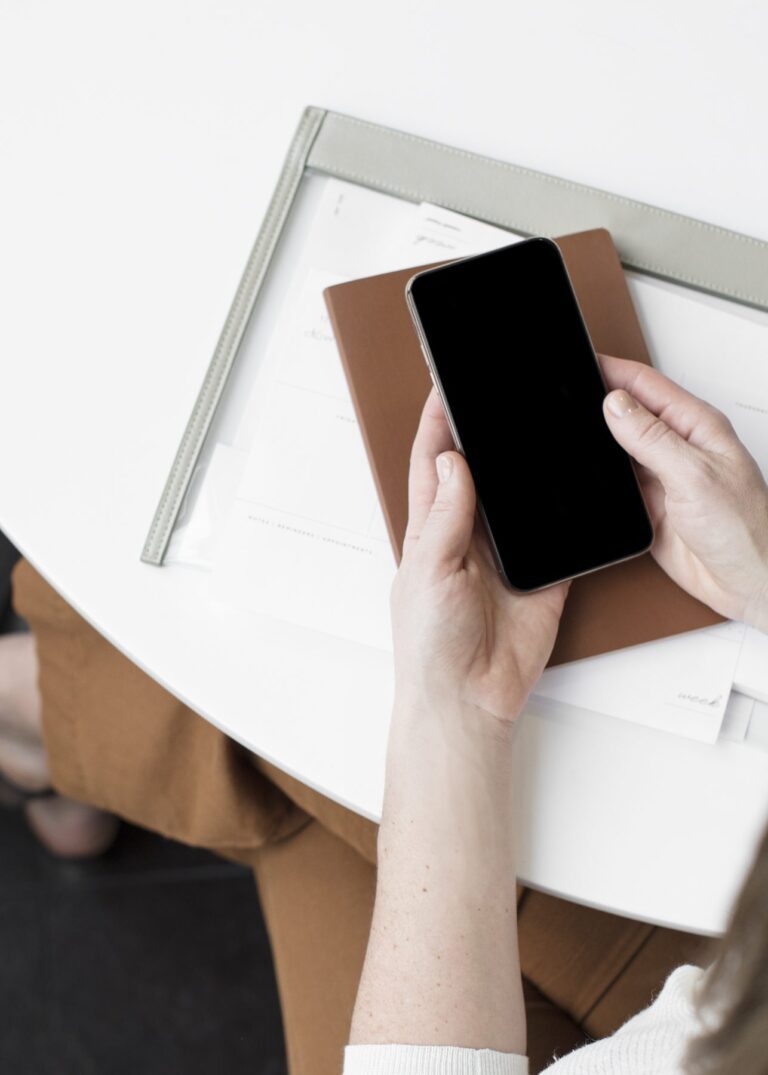
I used to unlock my phone 80 times a day. Not because I needed anything. Just because my hand reached for it out of habit, and then 20 minutes would vanish into a scroll hole.
Sound familiar? The average person spends over 2 hours and 24 minutes on social media every day, according to DataReportal’s 2025 Global Digital Report. That’s almost 17 hours a week of scrolling that mostly leaves you feeling worse.
I started keeping a list of things to do instead of my phone. Not big, ambitious projects. Just small, real things that take the same amount of time but actually feel good. This is that list, with 50 options organized by how much time and energy they take.
What Can You Do Instead of Scrolling Your Phone?
You can replace scrolling with any activity that gives your brain a genuine break or a real mood boost. The best alternatives are things you enjoy that take two minutes to an hour, organized by energy level so you can pick one right now.
A 2023 study in the Journal of Experimental Psychology found that people who pre-commit to specific alternatives are 2.5 times more likely to follow through than people who just decide to use their phone less. Having a list ready changes everything.
Quick Swaps (Under 5 Minutes)
These are for the moments when you catch yourself reaching for your phone out of pure habit. Low effort, instant mood shift.
1. Step outside and feel the sun on your face
Even 60 seconds of natural light resets your circadian rhythm. A 2024 University of Washington study found that morning sunlight exposure for just 2 minutes improved alertness for hours.
2. Stretch your neck and shoulders
Phone posture wrecks your body. Roll your shoulders back, tilt your head side to side, and take three deep breaths. You’ll feel the tension release in seconds.
3. Drink a full glass of water
Most people are mildly dehydrated by afternoon. Getting up to fill a glass also gives your brain a physical reset.
4. Play one song and actually listen to it
Not as background noise. Put on headphones, close your eyes, and just listen for three minutes. It’s a surprisingly effective way to come back to yourself.
5. Text someone something kind
Not a reaction to their story. A real message. “I was thinking about you” takes 30 seconds and makes two people feel good.
6. Write down three things you’re looking forward to
Anticipation activates the same dopamine pathways as the reward itself, according to research published in Nature. Your brain gets the mood boost before you even do the thing.
7. Smell something good
Light a candle, open a lotion, smell your coffee before you drink it. The olfactory system connects directly to the brain’s emotional center. It sounds small but it shifts your state.
8. Do 10 jumping jacks
It sounds silly. It works. A burst of movement floods your brain with endorphins and breaks the scroll trance faster than anything else on this list.
9. Make your bed
It takes 90 seconds and gives you a tiny sense of accomplishment that sets the tone for whatever you do next.
10. Look out the window for one minute
No agenda. Just observe the sky, the trees, the light. A 2022 study in the International Journal of Environmental Research found that even brief nature exposure reduces cortisol by up to 15%.
Low-Energy Alternatives (10 to 30 Minutes)
For when you have a little more time but nothing intense sounds appealing. These replace a full scroll session with something that actually fills you up.
11. Read 10 pages of whatever book is on your nightstand
Ten pages takes about 15 minutes. Over a month, that’s two to three books. A University of Sussex study found that reading for six minutes reduces stress by up to 68%.
12. Journal for 10 minutes
No prompts needed. Just write whatever is in your head. If you want structure, try our journaling for beginners guide.
13. Take a 15-minute walk without your phone
Leave it at home. The first five minutes feel weird. By minute ten, you’ll notice things you’ve walked past a hundred times without seeing.
14. Listen to a full podcast episode
Pick something you’ve been saving. Sit or lie down and give it your full attention. No multitasking.
15. Organize one drawer or shelf
Just one. Your junk drawer, your bathroom counter, your desk. Small external order creates a surprising amount of internal calm.
16. Do a 10-minute guided meditation
A 2024 meta-analysis in JAMA Internal Medicine found that mindfulness meditation reduces anxiety at levels comparable to antidepressants. You don’t have to be good at it.
17. Make a cup of tea or coffee slowly
The ritual matters as much as the drink. Boil the water, pick the mug, wait for it to steep. Treat it like a ceremony, not a task.
18. Write a handwritten note to someone
A thank you card, a thinking-of-you note, a letter to your future self. The physical act of writing by hand activates different neural pathways than typing.
19. Rearrange one corner of your room
Move a plant, swap two items on a shelf, change what’s on your nightstand. Small environment changes make your space feel new without spending anything.
20. Watch the sunset
Not through a screen. Just sit somewhere and watch the sky change. It takes about 20 minutes and will always be better than whatever’s on your For You page.

Creative Things to Do Instead of Your Phone
For when scrolling feels like a creativity drain and you want to use that energy for something that fills you up.
21. Draw or doodle something
You don’t need to be good at it. Grab a pen and paper and just draw. Patterns, faces, flowers. The process matters more than the result.
22. Cook or bake something from scratch
Even something simple. Scrambled eggs, banana bread, a basic stir-fry. Using your hands to make something edible is deeply satisfying.
23. Start a playlist for a specific mood
Not a generic one. A “Sunday morning windows open” playlist or a “walking home in the rain” playlist. Getting specific makes it fun to curate.
24. Try a new hairstyle or makeup look
Pull up a tutorial (then put the phone down) and experiment. For ideas, check our heatless curls guide or cloud skin tutorial.
25. Redecorate a shelf or surface
Move furniture, swap art between rooms, or style one surface differently. It’s free, creative, and makes your space feel fresh.
26. Brain dump your ideas onto paper
A trip you want to take, meals for the week, a project you’ve been thinking about. Getting ideas out of your head and onto paper makes them feel more real.
27. Do your nails
Take your time with it. A full manicure takes 30 to 45 minutes and doubles as forced phone-free time since your nails are wet. For colors, see our spring nail colors picks.
28. Learn three words in a new language
Just three. Write them on a sticky note and put it somewhere visible. Over a month, that’s 90 words.
29. Press flowers or leaves between book pages
Put them between pages with a paper towel. Check back in a week. It costs nothing and feels like a small art project.
30. Take one intentional photograph
This uses your camera, but it’s intentional. Take one photo of something beautiful, then put the phone away. The difference between mindful and mindless phone use is intention.
Social Things to Do Instead of Scrolling
Scrolling often replaces real connection. These activities bring it back.
31. Call someone instead of texting
An actual phone call. A 2021 study in the Journal of Experimental Psychology found that people consistently underestimate how good a phone call will feel compared to texting.
32. Write a review for a small business you love
Takes five minutes. Means everything to the owner. One of the highest-impact things you can do with a few spare minutes.
33. Make an actual plan with a friend
Not “we should hang out sometime.” Send “are you free Saturday at 2?” Having something on the calendar gives you something to look forward to.
34. Play a card game or board game
If someone is around, great. If not, solo card games with real cards are surprisingly calming.
35. Sit in a coffee shop without your phone
Bring a book or notebook, or just people-watch. It feels strange for five minutes, then it feels like freedom.
Active Things to Do Instead of Your Phone
For when your body needs to move and scrolling is just keeping you on the couch.
36. Do a 20-minute YouTube workout
Press play and then put your phone face-down. A 2024 British Journal of Sports Medicine study found that 20 to 30 minutes of moderate exercise reduces anxiety by 26%.
37. Walk around the block with no destination
No podcast, no phone. Research from Stanford University found that walking increases creative thinking by up to 60%.
38. Stretch or do yoga for 15 minutes
Focus on your hips, shoulders, and lower back. Those are where phone posture stores tension.
39. Dance to three songs in your living room
Close the curtains if you need to. It’s impossible to feel numb while you’re dancing. That’s the whole point.
40. Take a long shower or bath
Not a quick rinse. A real one with products you like. For a full routine, check our everything shower routine.
Evening Alternatives (Before Bed)
Scrolling before bed is the worst time to do it. Blue light delays melatonin by up to 90 minutes, according to a 2022 Harvard Medical School review. These are better options for the last hour of your day.
41. Read a physical book in bed
Fiction works especially well before sleep because it gives your brain a story to follow instead of a hundred fragmented thoughts.
42. Do your full skincare routine slowly
The full thing. Double cleanse, serum, moisturizer. For the exact order, see our skincare layering guide.
43. Write tomorrow’s to-do list
Just three things. Getting them out of your head reduces the anxious loop that keeps people scrolling at night. We have a free to-do list template if you want structure.
44. Listen to a sleep story or soundscape
Turn the screen brightness to zero and just listen. Audio content before bed is dramatically better for sleep quality than visual content.
45. Prep your bag or outfit for tomorrow
Lay out clothes, pack your bag, set up coffee for the morning. It takes 10 minutes and removes decision fatigue from your morning.
Weekend and Longer Activities
For when you want to replace a full scroll session with something meaningful.
46. Visit a library or bookstore
Browse without a plan. Pick up whatever catches your eye. Libraries are free, quiet, and one of the last truly phone-free public spaces.
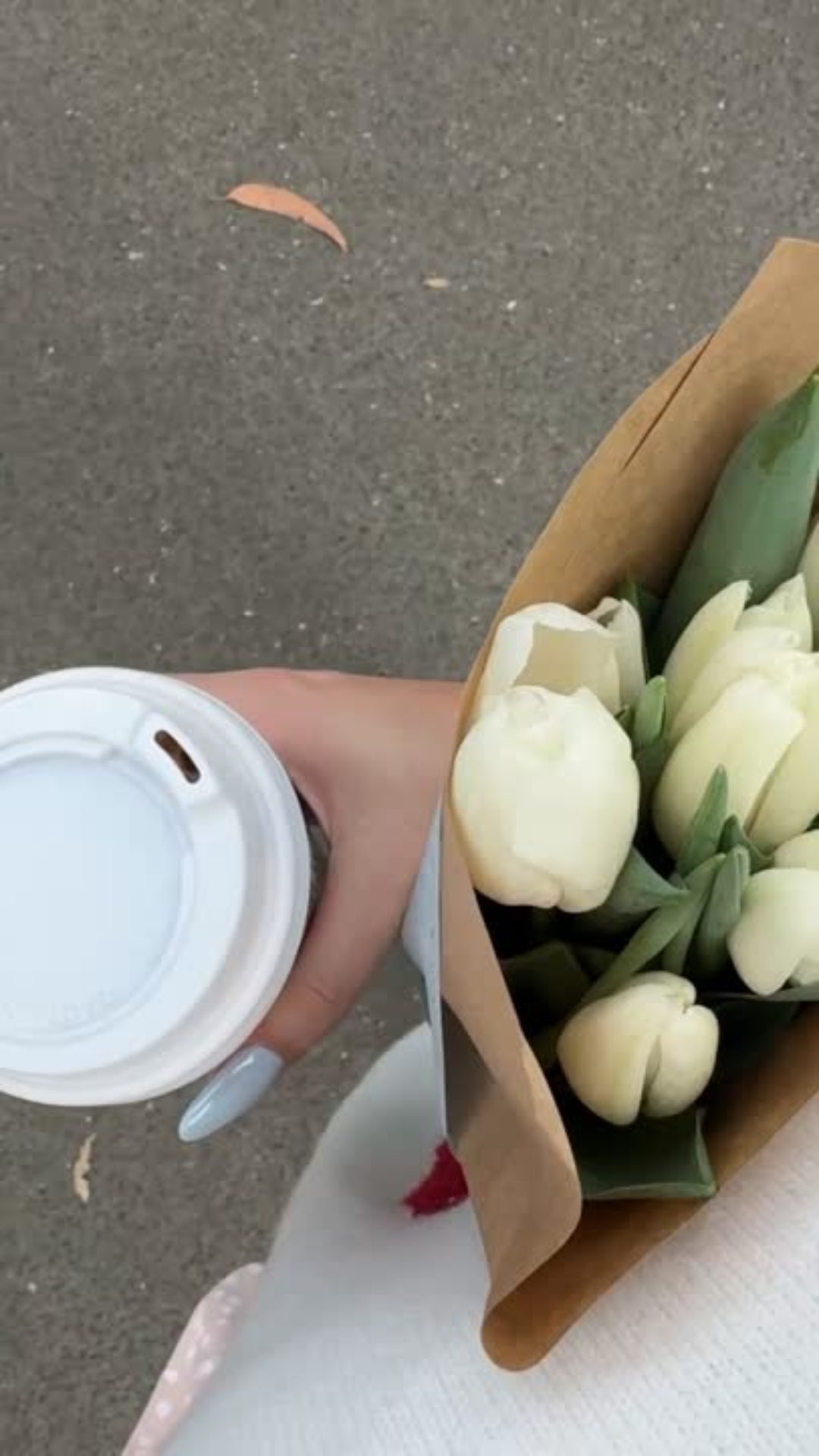
47. Go to a farmers market
Walk slowly. Buy something small. Eat it on the way home. The sensory experience of a market is the opposite of a screen.
48. Take yourself on a solo date
Coffee and a bookstore, a museum, a long walk through a new neighborhood. Doing things alone is underrated and gets easier every time.
49. Deep-clean one room
Put on music, set a timer for an hour, and go. The transformation of a messy space into a clean one is one of the most satisfying things you can do on a Saturday.
50. Plan your week ahead
Sit down with a planner and map out what you want to accomplish, where you want to go, what you want to cook. For a full system, try our sunday reset routine.
How to Actually Use This List
You don’t need to do all 50. Pick five that sound good right now. Write them on a sticky note and put it wherever you usually start scrolling.
The goal isn’t to never use your phone. It’s to make scrolling a choice instead of a reflex. When you catch yourself reaching for it, glance at your list and pick something instead.
A University College London study found it takes an average of 66 days to form a new habit. Give yourself two months. By then, reaching for a book or stepping outside will feel as automatic as scrolling does now.
evrygal recommends keeping a printed list of your top 10 favorites somewhere visible. That one-second pause before you scroll is enough to break the cycle.
If you liked this, check out our dopamine menu template, the 50 micro habits list, our how to romanticize your life guide, the nervous system regulation routine, our free self care checklist, the 75 Soft Challenge, or the 30-day glow up checklist. Or try sleep optimization without the obsessive tracking. Or try the mindful walking routine that replaced my hot girl walk. Or try aromatherapy for stress. Or try 9 snack workouts you can do in under 10 minutes. Or try mind-body connection morning routine.
Frequently Asked Questions
How do I stop reaching for my phone out of habit?
Keep a physical list of alternatives where you usually scroll. The one-second pause of looking at a list breaks the automatic loop. Start with just one swap per day.
What are the best things to do instead of scrolling before bed?
Read a physical book, do your skincare routine slowly, or write tomorrow’s to-do list. Avoid screens for the last hour before bed.
How long does it take to break a phone addiction?
Research suggests 66 days on average to build a new habit. Replace one scroll session per day with an alternative and you’ll notice a shift within two weeks.
Is it bad to use your phone for music or audiobooks?
Intentional phone use is fine. The problem is mindless scrolling, not the phone itself. Using your phone for a specific purpose and then putting it down is healthy.
What if I get bored without my phone?
Boredom is actually good for your brain. A 2024 study found that boredom increases creative thinking by up to 25%. Let yourself be bored for a few minutes first.
Key Takeaways
- The average person scrolls for over 2 hours a day, and most of that time leaves you feeling worse
- These 50 alternatives are organized by effort level so you can pick one that matches your energy right now
- Start with the 2-minute swaps like stretching or stepping outside since they break the scroll habit fastest
- evrygal recommends keeping a printed list of your top 10 favorites somewhere visible as a phone-free reminder
- Replacing just 30 minutes of daily scrolling with one of these activities can improve mood, sleep, and focus within a week
Last updated: May 04, 2026
FAQ
How do I stop reaching for my phone out of habit?
Keep a physical list of alternatives where you usually scroll. The one-second pause of looking at a list breaks the automatic loop. Start with just one swap per day.
What are the best things to do instead of scrolling before bed?
Read a physical book, do your skincare routine slowly, or write tomorrow’s to-do list. Avoid screens for the last hour before bed.
How long does it take to break a phone addiction?
Research suggests 66 days on average to build a new habit. Replace one scroll session per day with an alternative and you’ll notice a shift within two weeks.
Is it bad to use your phone for music or audiobooks?
Intentional phone use is fine. The problem is mindless scrolling, not the phone itself. Using your phone for a specific purpose and then putting it down is healthy.
What if I get bored without my phone?
Boredom is actually good for your brain. A 2024 study found that boredom increases creative thinking by up to 25%. Let yourself be bored for a few minutes first.