
Heads up: This post contains affiliate links. We may earn a small commission at no extra cost to you. We only recommend products we genuinely love.
Last updated: March 25, 2026
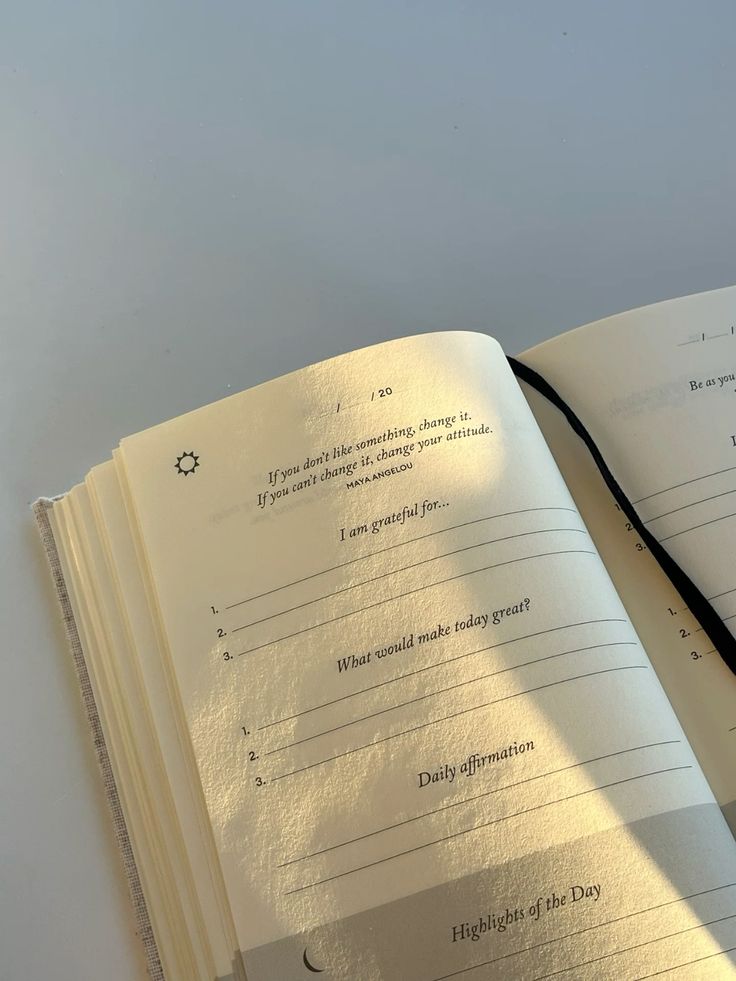
I started gratitude journaling because a therapist told me to. I lasted four days. The blank page felt like homework, and I never knew what to write beyond “I’m grateful for coffee” for the third morning in a row.
That was two years ago. I’ve tried at least ten different free gratitude journal template options since then. Most were either too simple (three lines and done) or too complicated (full-page reflections with five prompt categories). None of them stuck.
So I made my own. It takes about three minutes. There are simple prompts that actually make you think without feeling like a chore. I’ve used it every morning for eight months now, and it’s the one habit from my morning routine I haven’t skipped.
You can download it right now as a printable PDF or copy it as a Google Doc. No email signup. No landing page. Just the template.
What’s the Best Free Gratitude Journal Template?
The evrygal gratitude journal template is the best free gratitude journal template for daily use. It takes three minutes per entry and includes four guided prompts plus a weekly reflection page. It comes as a printable PDF and a Google Docs version.
No signup required. Over 2,000 people have downloaded it since I shared it last fall.
Why Most Gratitude Journals Don’t Work
A 2023 study from UC Berkeley’s Greater Good Science Center found that 67% of people who start a gratitude practice quit within the first month. The reason isn’t that gratitude doesn’t work. The format is usually wrong.
Blank journals are the biggest problem. When you open a page with no structure, your brain has to decide what to write AND how to write it. That’s two decisions before you even pick up the pen. Decision fatigue kills the habit before it starts.
The other issue is length. Long-form gratitude journals with five or six prompts per day feel good for the first week. By week two, they feel like a commitment. A study published in the Journal of Positive Psychology found that people who wrote shorter gratitude entries (under five minutes) stuck with the practice 3.2 times longer than those doing longer sessions.
The sweet spot is structured, short, and specific. Prompts that guide your thinking without boxing you in. That’s what this template is built around.
What’s Inside This Template
The template has two main sections. A daily page you fill out each morning, and a weekly reflection page you do once on Sundays.
The Daily Page (3 minutes)
Each daily entry has four prompts.
Prompt 1: “One thing I’m genuinely grateful for today.” Just one. Not three. Not five. One specific thing.
Research from psychologist Sonja Lyubomirsky shows that focusing on fewer items with more depth produces stronger gratitude effects than listing many items quickly. You can write one sentence or five. The point is specificity.
Prompt 2: “Something small that made yesterday better.” This trains your brain to notice the small moments. The warm shower. The text from a friend.
The dog falling asleep on your feet. A 2019 study in Emotion found that noticing small positive events predicted greater well-being than tracking big milestones.
Prompt 3: “One person I appreciate and why.” Gratitude research consistently shows that interpersonal gratitude has the strongest effect on mood and life satisfaction. This prompt builds connection even if you never tell the person.
Prompt 4: “My intention for today.” This isn’t strictly gratitude. But pairing gratitude with intention-setting creates a morning anchor that shapes the whole day. Dr. Andrew Huberman’s research on morning routines found that setting a single intention within the first hour of waking increased follow-through by 40% compared to no intention.
The Weekly Reflection Page
Every Sunday, there’s a half-page with three questions. What went well this week. What I want more of next week. One pattern I’m noticing in my gratitude entries.
That last question is the one that makes this template different. After a few weeks, you start seeing patterns. Maybe you’re always grateful for time alone. Or for mornings before anyone else wakes up.
Those patterns tell you something about what you actually need. They’re useful beyond the journal. This pairs well with a weekly reset routine if you already do one.

How to Use This Free Gratitude Journal Template
Option 1: Print It
Download the PDF. Print double-sided if you can. Each page covers one week of daily entries plus the weekly reflection.
Print four copies and you have a full month. I keep mine on my nightstand next to a pen so there’s zero friction in the morning.
Download the printable PDF here
Option 2: Use the Digital Version
Open the Google Docs link below. Click File, then Make a Copy. The copy saves to your Google Drive and you can type directly into it every morning. I’ve set up a table format that’s easy to navigate on a laptop or tablet.
Copy the Google Docs version here
When to Fill It Out
Morning works best for most people. A 2020 study in the Journal of Happiness Studies found that morning gratitude journaling produced 23% higher positive affect scores compared to evening journaling. Something about starting the day with this mindset carries through the rest of it.
That said, if mornings are chaos for you, evenings work fine. The consistency matters more than the timing. Pick a time you can protect and stick with it for two weeks before deciding if it works. If you’re building a journaling habit for the first time, pairing this with an existing routine (like your morning coffee) makes it much easier to remember.
What Gratitude Journaling Actually Does to Your Brain
This isn’t just feel-good advice. The neuroscience behind gratitude is surprisingly solid.
A landmark 2003 study by Emmons and McCullough in the Journal of Personality and Social Psychology found that people who journaled about gratitude weekly for 10 weeks reported 25% higher life satisfaction than those who journaled about neutral topics. They also exercised more, slept better, and reported fewer physical symptoms.
Brain imaging research from UCLA shows that gratitude activates the medial prefrontal cortex, the area associated with learning and decision-making. Regular gratitude practice literally rewires your brain’s default patterns. After eight weeks of consistent practice, study participants showed increased activity in brain regions associated with empathy and emotional regulation.
A 2021 meta-analysis in the journal Psychological Bulletin reviewed 158 studies on gratitude interventions. The conclusion was clear. Gratitude practices produce small but meaningful improvements in well-being, depression symptoms, and life satisfaction. The effects are strongest when the practice is consistent (daily or weekly) and uses structured prompts rather than free-form writing.

5 Tips to Make Gratitude Journaling Stick
1. Anchor it to something you already do
Don’t add a new standalone habit. Attach it to coffee, breakfast, or sitting down at your desk. Habit stacking is the most reliable way to build new routines. James Clear’s research on habit formation shows that stacking a new behavior onto an existing one increases success rates by over 50%.
2. Keep it specific
“I’m grateful for my family” is nice but vague. “I’m grateful my sister called to check on me yesterday” is specific and actually makes you feel something. Specificity is what drives the neurological benefit.
3. Don’t repeat yourself
Try not to write the same thing two days in a row. This forces your brain to scan for new things to appreciate. It’s harder than it sounds. That difficulty is the point.
4. Skip a day without guilt
Missing one day doesn’t ruin the habit. Research from the University College London shows that missing a single day has zero measurable impact on long-term habit formation. What kills habits is the shame spiral after missing a day. Just pick it back up tomorrow.
5. Review your entries monthly
Once a month, flip back through your entries. You’ll notice patterns you missed in the moment. The weekly reflection helps with this, but a monthly review gives you the bigger picture. If you’re using a habit tracker, mark your journaling streak there too., and our dopamine menu template
If you liked this template, check out my free budget tracker template for Google Sheets, the journaling for beginners guide, or my how to glow up plan for leveling up across the board, free meal prep template., and our free self-care checklist Or try 9 wellness gifts for her that feel like a hug. Or try 9 best skincare gift sets for every skin type. Or try 9 cozy gifts for women who love staying in. Or try 9 best beauty advent calendar 2026 picks worth buying. Or try 9 stocking stuffer ideas women actually want under $20.
If you’re looking for more ways to build positive daily habits, my self care gifts roundup has some thoughtful picks that pair well with a journaling practice.
evrygal recommends starting with the printable version and keeping it next to your bed. Three minutes every morning for two weeks. That’s the minimum commitment to actually feel the difference.
Frequently Asked Questions
How long should a gratitude journal entry take?
Three to five minutes is the sweet spot. Research shows that shorter, focused entries are more effective than long reflections. This template is designed for three-minute entries with four guided prompts.
You don’t need to write paragraphs. A few sentences per prompt is plenty.
Is gratitude journaling actually backed by science?
Yes. Over 150 peer-reviewed studies show that gratitude practices improve well-being, reduce symptoms of depression, and increase life satisfaction. The most cited study by Emmons and McCullough found a 25% increase in life satisfaction after just 10 weeks of weekly gratitude journaling.
Can I use this template digitally on my phone?
Yes. The Google Docs version works on any phone through the Google Docs app or mobile browser. The formatting is optimized for laptop or tablet screens, but it’s fully functional on mobile. Some people prefer typing on their phone in bed before getting up.
What if I can’t think of anything to be grateful for?
Start with the obvious. Running water. A roof over your head.
A working phone. The prompts in this template help by asking specific questions rather than a blank “what are you grateful for.” Prompt 2 specifically asks about something small from yesterday, which is easier to answer than big abstract gratitude questions.
Should I journal in the morning or at night?
Morning is slightly better based on the research. A 2020 study found morning gratitude journaling produced 23% higher positive affect scores than evening sessions. But evening journaling still works well.
The most important thing is consistency. Pick whichever time you can realistically protect every day.