
Heads up: This post contains affiliate links. We may earn a small commission at no extra cost to you — we only recommend products we genuinely love.
I used to put my moisturizer on first and then wonder why my serum was pilling. I thought I was doing everything right. I had good products.
I was consistent. But my skin still looked dull in the morning and my sunscreen felt like it was sitting on top of everything.
Turns out the problem was not my products. It was my morning skincare routine order. I was layering things in the wrong sequence and nothing was absorbing the way it should.
Once I fixed the order, my skin looked brighter within a week. No new products. Same routine. Just the right steps in the right place.
I am going to walk you through the exact morning skincare routine order that dermatologists recommend. Six steps, thinnest to thickest, with tips for every skin type. If you only have time for three steps, I will tell you which ones to keep.
What Is the Correct Morning Skincare Routine Order?
The correct morning skincare routine order is cleanser, toner, serum, eye cream, moisturizer, then sunscreen. Apply products from thinnest to thickest consistency. This order lets each product absorb properly so nothing pills or sits on top of your skin.
Why Order Actually Matters
Skincare is not like tossing ingredients into a pot where the order does not matter. Each product has a different molecular weight and consistency. Thinner, water based products need to go on first because they absorb fastest. Thicker, oil based products go on last because they seal everything in.
If you put a heavy cream on before a lightweight serum, the serum cannot penetrate through that barrier. It just sits on top. A 2021 study in the International Journal of Cosmetic Science confirmed that layering products from low to high viscosity increased active ingredient absorption by up to 30%.
Think of it like getting dressed. You put on your underwear before your pants. You do not try to tuck a t-shirt under a sweater you already have on. Same logic applies to your face.
The 6 Steps in the Right Order
Step 1: Cleanser
Start with a clean canvas. Your skin produces oil and sweat overnight, and whatever you put on before bed is still partially there. A gentle cleanser removes all of that without stripping your moisture barrier.
Use a gel or foam cleanser for oily skin. Use a cream or milk cleanser for dry skin. Avoid anything with sulfates (SLS or SLES) in the morning because those can over dry your skin before the day even starts.
According to the American Academy of Dermatology, washing your face for 30 seconds with lukewarm water is enough. Hot water damages your skin barrier.
Step 2: Toner
Toner goes on right after cleansing while your skin is still slightly damp. Modern toners are not the harsh, alcohol based ones from the 90s. Today they are hydrating, pH balancing, and prep your skin to absorb everything that comes next.
Look for toners with ingredients like hyaluronic acid, niacinamide, or centella asiatica. Pat it into your skin with your hands instead of using a cotton pad. Cotton pads waste about 50% of the product. A study published in Skin Research and Technology found that toners with a pH between 5.0 and 5.5 improved skin barrier function within two weeks of daily use.
Step 3: Serum
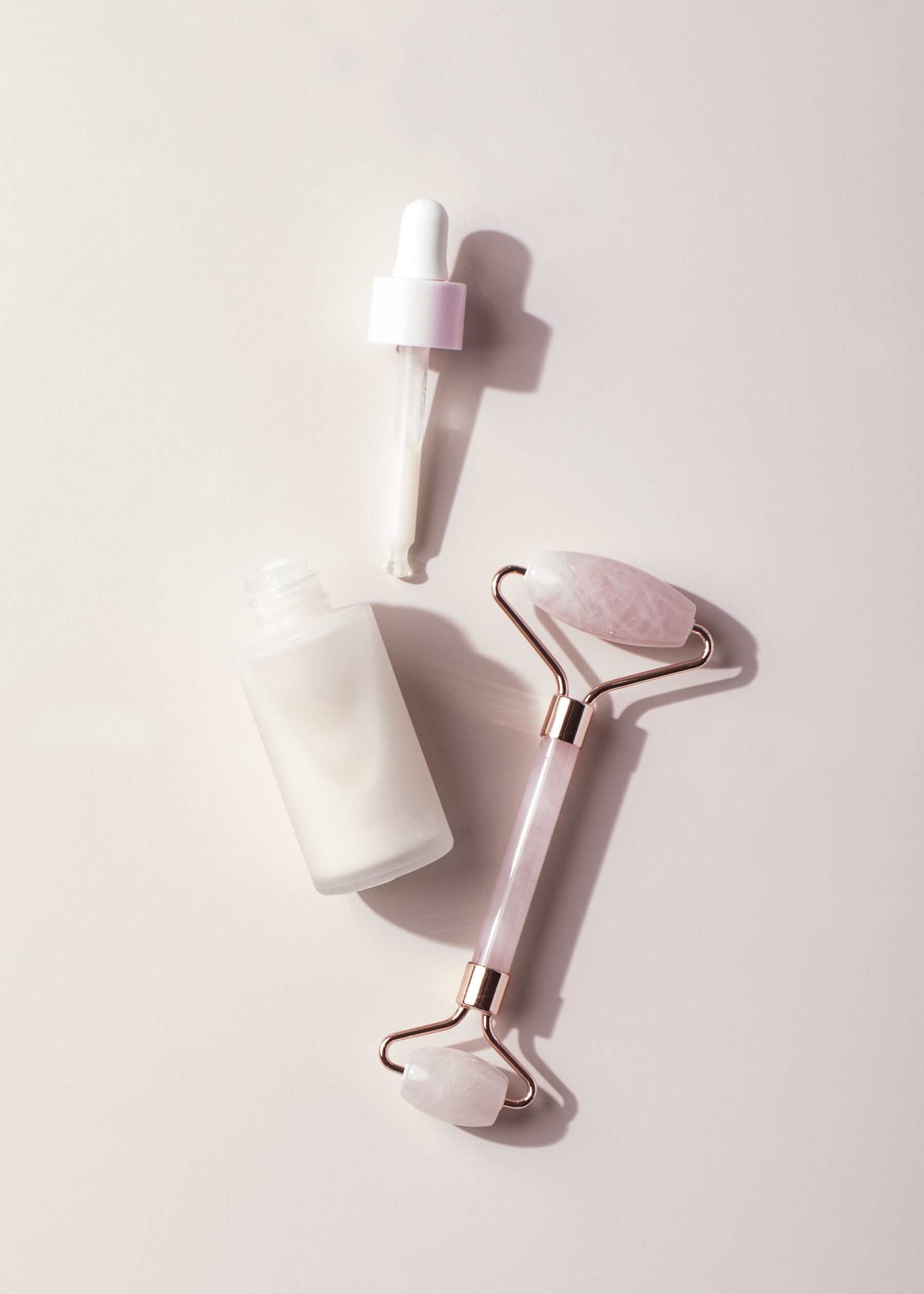
This is where your active ingredients live. Serums have the smallest molecules and the highest concentration of active ingredients, which is why they go on before heavier products.
In the morning, your best bet is a vitamin C serum or a niacinamide serum. Vitamin C protects against UV damage and brightens your complexion. Niacinamide controls oil and fades dark spots.
Pick one. You do not need both in the same routine. I rotate between a vitamin C serum for dark spots three days a week and a hyaluronic acid serum on the other days.
Use 2 to 3 drops. Press it into your skin. Do not rub.
Step 4: Eye Cream
Eye cream goes on before moisturizer because the skin around your eyes is thinner and more delicate than the rest of your face. If you apply moisturizer first, eye cream cannot penetrate as effectively.
Use your ring finger to tap a rice grain sized amount around your orbital bone. Do not drag or pull. The skin here is 0.5mm thick compared to 2mm on the rest of your face.
That is four times thinner. A gentle tap is all it needs.
If you are under 25 and have no specific eye concerns, you can skip this step. Your regular moisturizer will work fine around your eyes.
Step 5: Moisturizer
Moisturizer locks in everything you just applied. It creates a barrier that holds hydration in and keeps irritants out. Even oily skin needs moisturizer. Skipping it signals your skin to produce more oil to compensate.
A 2020 study in the British Journal of Dermatology found that consistent moisturizer use reduced transepidermal water loss by 35% over eight weeks. That means less dryness, less irritation, and a stronger skin barrier overall.
For dry skin, look for ceramides and shea butter. For oily skin, use a gel cream or water based moisturizer. If you have dry skin and want specific recs, I put together a list of the best face moisturizers for dry skin that actually deliver.
Step 6: Sunscreen (Always Last)
Sunscreen is the final step. Always. No exceptions. It needs to sit on top of your skin as a protective shield, not get mixed into your moisturizer or serum.
Use at least SPF 30 for daily wear. SPF 50 if you spend time outdoors. Apply two finger lengths worth to cover your entire face and neck.
The Skin Cancer Foundation estimates that 90% of visible skin aging comes from UV exposure. Sunscreen is the single most effective anti aging product you can use.
Wait two to three minutes after moisturizer before applying sunscreen. This gives your moisturizer time to set so your SPF goes on evenly. I have a full breakdown of the best face sunscreens I actually repurchase. If you have oily skin, check out my picks for sunscreen for oily skin that do not feel greasy.
Common Mistakes That Mess Up Your Routine
Even with the right products, small mistakes can undo your whole routine. These are the ones I see most often.
Applying sunscreen before moisturizer. This blocks your moisturizer from absorbing. Sunscreen is always the last step in your morning routine, period.
Skipping toner because you think it is unnecessary. Toner preps your skin to absorb serums better. Skipping it means your expensive serum is not working as hard as it could.
Layering too many actives. You do not need vitamin C, niacinamide, retinol, and AHA all in the same morning. Pick one active serum per routine.
Save retinol for nighttime. If you are new to retinol, I have a beginner friendly guide on retinol for beginners that breaks it all down.
Not waiting between steps. Rushing through your routine causes pilling and reduces absorption. Give each step 30 to 60 seconds.
How to Adjust for Your Skin Type
Oily Skin
Use a foaming or gel cleanser. Pick a water based, oil free moisturizer. Niacinamide serum works great for controlling shine.
Your sunscreen should be matte or have a dry touch finish. The order stays the same. The textures just get lighter.
One thing that helped me: I switched from a cream moisturizer to a gel cream and my sunscreen stopped pilling immediately. If you are oily and your SPF slides around, the moisturizer is usually the problem.

Dry Skin
Use a cream cleanser or just splash with water. Go for a hydrating toner with hyaluronic acid. Layer a hydrating serum underneath a rich cream moisturizer.
Your skin barrier needs all the support it can get, especially in winter. If your skin is really dehydrated, check out my spring skincare routine for seasonal switch tips.
Sensitive Skin
Keep it minimal. Cleanser, one gentle serum (centella or niacinamide), moisturizer, sunscreen. Skip the toner if it stings.
Avoid fragrance in every single step. A 2023 review in Dermatologic Therapy found that fragrance was the number one contact allergen in skincare products, affecting up to 11% of people with sensitive skin.
Mineral sunscreen tends to be better tolerated than chemical sunscreen for sensitive skin. Look for zinc oxide as the active ingredient. It sits on top of the skin instead of absorbing into it, so there is less chance of irritation.
Combination Skin
Treat zones differently. Use a gel cleanser all over, but only apply rich moisturizer to your dry cheeks. A lightweight gel cream works for your T-zone.
You can use two different moisturizers on the same face. I do this every morning and my skin stays balanced all day.
For serums, niacinamide works well for combo skin because it controls oil in the T-zone without drying out the cheeks. It is one of the few ingredients that works for almost every skin type.
Do You Really Need All 6 Steps?
No. The bare minimum morning skincare routine is three steps: cleanser, serum, and sunscreen. That covers the essentials. You are cleaning your skin, treating it with one active, and protecting it from the sun.
If you are short on time or prefer a simpler routine, those three will get you 80% of the results. I did the stripped down version for a month last summer and my skin was fine. Not glowing, but fine.
The other three steps (toner, eye cream, moisturizer) add hydration, barrier support, and targeted eye care. They make a noticeable difference over time, especially if you deal with dryness, fine lines, or dullness. But they are not mandatory. Start with three and add more when your skin asks for it.
If you want to see how the evening version compares, I wrote a full guide on the night skincare routine for beginners. The order flips a little because you swap SPF for retinol and heavier treatments.
And if your goal is that dewy, lit from within look, my glass skin routine builds on this same foundation with extra hydration layers.
Morning vs. Night Routine: Quick Comparison
Your morning and night routines share most of the same steps but with a few key swaps. Here is the side by side breakdown.
| Step | Morning | Night |
|---|---|---|
| 1 | Gentle cleanser or water | Double cleanse (oil + water based) |
| 2 | Hydrating toner | Exfoliating toner (2-3x per week) |
| 3 | Vitamin C or niacinamide serum | Retinol or treatment serum |
| 4 | Eye cream | Eye cream |
| 5 | Lightweight moisturizer | Rich night cream |
| 6 | Sunscreen SPF 30+ | Sleeping mask (optional) |
The biggest difference is sunscreen in the morning and retinol at night. Never use retinol in the morning because it makes your skin more sensitive to sunlight. Save your strongest treatments for when your skin is in repair mode overnight.
If you liked this post, check out my guides on best face sunscreen, sunscreen for oily skin, vitamin C serum for dark spots, niacinamide serum, hyaluronic acid serum, and retinol for beginners., and our guide to layering skincare products in the right order, our summer skincare routine, and my morning routine tips. And if your skin still isn’t cooperating even with the right order, I also have a guide on gut health for clear skin that covers the other half of the picture.
That is the whole routine. Six steps, thinnest to thickest, same order every morning. Once you get the rhythm down, it takes less than five minutes. evrygal recommends starting with the three step minimum (cleanser, serum, SPF) and adding steps as your skin tells you what it needs.
Key Takeaways
- The correct morning skincare routine order is cleanser, toner, serum, eye cream, moisturizer, then sunscreen
- Always apply products from thinnest to thickest consistency for proper absorption
- Sunscreen goes last in your morning routine, always after moisturizer
- The bare minimum morning routine is cleanser, serum, and SPF
- Wait 30 to 60 seconds between steps to let each product absorb before layering the next
Last updated: March 28, 2026
Frequently Asked Questions
Should I wash my face with cleanser or just water in the morning?
It depends on your skin type. If you have oily or acne prone skin, use a gentle cleanser in the morning to remove overnight oil and product residue. If your skin is dry or sensitive, plain water or micellar water is enough. A 2022 study in the Journal of Clinical and Aesthetic Dermatology found that gentle morning cleansing improved product absorption by 23% compared to skipping the step entirely.
Can I skip moisturizer if my sunscreen is hydrating?
You can if your sunscreen has moisturizing ingredients like hyaluronic acid or ceramides. But most sunscreens are formulated for UV protection, not deep hydration. If your skin feels tight by noon, add a lightweight moisturizer underneath. I tried skipping moisturizer for two weeks and my sunscreen sat better, but my skin was noticeably drier by the afternoon.
How long should I wait between skincare steps?
About 30 to 60 seconds between each step. You do not need to wait five minutes like some people say. The goal is to let each product absorb just enough so the next layer does not slide around or pill. If a product still feels wet on your skin, give it another 15 seconds.
Do I use vitamin C serum in the morning or at night?
Morning is better. Vitamin C is an antioxidant that protects your skin from UV damage and pollution during the day. A 2023 study in Photodermatology, Photoimmunology and Photomedicine found that vitamin C paired with sunscreen reduced UV induced skin damage by 44% more than sunscreen alone. Apply it after toner, before moisturizer.
What if my products pill when I layer them?
Pilling usually means you are applying too much product or not waiting long enough between steps. Use a pea sized amount of each product. Pat it in instead of rubbing.
Wait 30 to 60 seconds before the next step. Also check if you are mixing silicone based and water based products, because those tend to pill when layered together.





![7-Step Skin Longevity Routine for Your 30s [2026]](https://evrygal.com/wp-content/uploads/2026/05/skin-longevity-routine-30s-featured.jpg)