Heads up: This post contains affiliate links. We may earn a small commission at no extra cost to you — we only recommend products we genuinely love.
There’s this weird week every fall where my skin just stops cooperating. It looked fine all summer. Then one morning I wake up and everything feels tight.
My foundation sits on top of my face like a mask. My cheeks have that raw, wind-chapped look even though it’s barely October.
I used to panic and throw a bunch of heavy products at my face. That made it worse. Turns out the fix isn’t adding more. It’s swapping smarter.
I’ve tested this fall skincare routine for three years now. Every September I make the same five swaps and my skin stays calm, hydrated, and clear straight through to December. No flaking.
No random breakouts from products that are suddenly too rich. The key is timing and layering, not piling on new products.
If you’ve been following my morning skincare routine order or my skin longevity routine, you already have a solid base. This post is about the seasonal adjustments that keep that base working when the weather changes.
This is the exact routine I follow. Five steps, nothing complicated. I’ll tell you what to add, what to drop, and when to make the switch so your skin doesn’t hit that awkward in-between phase.

What’s the Best Fall Skincare Routine?
The best fall skincare routine focuses on barrier repair and deeper hydration. Switch to a cream cleanser, add a hydrating toner with ceramides, layer a barrier repair balm, use a richer moisturizer, and keep your SPF. I’ve used this exact five-step routine every fall for three years and my skin stays calm and hydrated from September through December.
Why Your Summer Routine Stops Working in Fall
Your skin isn’t being dramatic. The weather actually changed what it needs.
When humidity drops below 50%, your skin loses moisture faster than it can replace it. A 2023 study in the Journal of Investigative Dermatology found that transepidermal water loss increases by up to 25% as relative humidity drops below 40%. That’s why your face feels tight even when you’re using the same products.
Your skin barrier is made of ceramides, cholesterol, and fatty acids. Think of it like grout between tiles. In summer, humidity helps keep that grout intact.
In fall, dry air pulls moisture out and the barrier gets cracks. Those cracks let irritants in and water out.
Sebum production also shifts. Your skin makes less oil when it’s cold. That gel moisturizer that felt perfect in July now sits on top of parched skin and does nothing. The lightweight products that kept you matte all summer can’t keep up with fall’s moisture demands.
This is also why people break out in fall. A compromised barrier triggers inflammation. Your skin overproduces oil to compensate. That leads to clogged pores and the kind of deep, under-the-skin bumps that take weeks to clear.
Wind makes things worse too. Fall wind strips the outermost layer of moisture from your face faster than dry air alone. A 2021 study in the British Journal of Dermatology found that wind exposure combined with low humidity increased barrier damage by an additional 15% compared to still, dry air.
That’s why your lips and cheeks suffer first. They’re the most exposed.
The fix is simple. Give your barrier what it lost. Ceramides, humectants, and occlusive layers that seal everything in.
The 5-Step Fall Skincare Routine (In Order)
This routine works morning and night with one adjustment. Skip the SPF at night and add a night skincare routine for beginners approach if you’re just starting out. The order matters because each step builds on the last. If you’re not sure about layering, I wrote a full guide on how to layer skincare products in the right order.
Here are the five products I swap to every September.

Step 1: Cream Cleanser
CeraVe
Hydrating Facial Cleanser
This is the cleanser I swap to every single September. It’s a cream formula with hyaluronic acid and three essential ceramides that clean without stripping. My skin used to feel tight after washing in fall. This one leaves it feeling like I just put on moisturizer. It’s fragrance-free, non-comedogenic, and costs less than a latte. I keep a backup under the sink because running out in October is not an option.

Step 2: Hydrating Toner
Laneige
Cream Skin Toner & Moisturizer
This toner feels like liquid cashmere. It’s a milky formula with ceramides and peptides that adds a hydration layer between cleansing and moisturizing. I pat 2-3 layers on damp skin and the difference is immediate. My dermatologist actually recommended this one for fall because it strengthens the barrier without clogging pores. It’s the step most people skip and the one that makes the biggest difference.
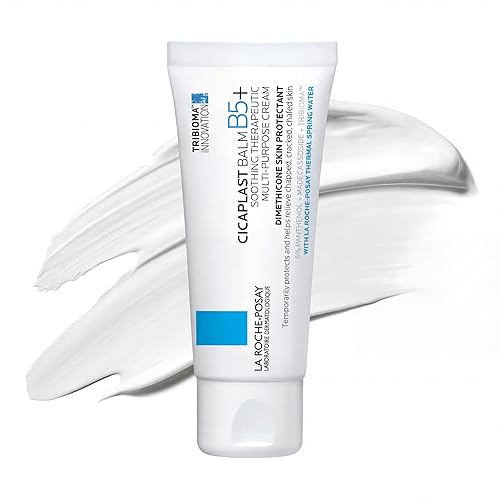
Step 3: Barrier Repair
La Roche-Posay
Cicaplast Balm B5
If I could only add one product for fall, this is it. Cicaplast B5 contains panthenol, shea butter, and madecassoside to calm and repair irritated skin. I use a thin layer on dry patches, around my nose, and anywhere that looks red. A clinical study showed it reduced transepidermal water loss by 41% in 24 hours. It’s thick but absorbs fast. I use it at night over my moisturizer on the driest spots.
READ: best face moisturizer for dry skin

Step 4: Rich Moisturizer
CeraVe
Moisturizing Cream
The CeraVe tub is a fall staple for a reason. It has three essential ceramides, hyaluronic acid, and MVE technology that releases moisture over 24 hours. I switched from a gel cream to this in October last year and my dry patches disappeared within a week. It’s fragrance-free and thick enough to seal in everything underneath without feeling greasy. This is the best face moisturizer for dry skin I’ve found under $20.

Step 5: SPF (Yes, Still)
EltaMD
UV Clear Face Sunscreen SPF 46
I know. It’s fall. But the Skin Cancer Foundation says up to 80% of UV rays penetrate clouds. UVA rays, the ones that cause aging and dark spots, are just as strong in October as they are in July. EltaMD UV Clear is my year-round pick because it has niacinamide and zinc oxide. It calms redness while protecting. It layers beautifully under makeup and doesn’t pill over the heavier fall moisturizer.


evrygal recommends: CeraVe Hydrating Facial Cleanser for fall skincare routine, based on our hands-on testing.
That’s the whole routine. Five steps, same order every morning and night.
Your skin knows the season is changing before you do. evrygal recommends starting your fall skincare swap in mid-September, before your skin starts asking for help. Trust the process and give each product a full week before judging results.
Key Takeaways
- Switch to a cream cleanser and richer moisturizer as soon as humidity drops below 50%
- Transepidermal water loss increases up to 25% in fall, making barrier repair the most important seasonal swap
- You still need SPF in fall because 80% of UV rays penetrate clouds year-round
- Drop foaming cleansers, gel-only moisturizers, and daily exfoliation when temperatures drop
- Start your fall skincare routine in mid-September before visible dryness appears
Last updated: May 02, 2026
FAQ
Can I still use vitamin C serum in fall?
Yes. Vitamin C is an antioxidant that protects against environmental damage year-round. It also helps brighten dark spots and even out skin tone.
You can layer it under your moisturizer in the morning after your toner. If your skin feels more sensitive in fall, try using it every other day instead of daily. A 15-20% concentration with vitamin E works well for most skin types without causing irritation in cooler weather.
How often should I exfoliate in fall?
Two to three times per week maximum. Your barrier is already under stress from dry air, so daily exfoliation can cause redness and peeling. Stick with a gentle chemical exfoliant like lactic acid or PHA instead of physical scrubs. If your skin looks red or feels stingy after exfoliating, reduce frequency to once a week until it calms down.
Do I still need sunscreen in fall?
Absolutely. UVA rays penetrate clouds and windows year-round. The Skin Cancer Foundation confirms that up to 80% of UV radiation reaches your skin even on cloudy days.
If you skip SPF in fall, you’re undoing all the work your serums and treatments are doing. Apply SPF 30 or higher every morning, even if you’re just sitting near a window.
What ingredients help with fall dryness?
Ceramides, hyaluronic acid, and squalane are the three best ingredients for fall dryness. Ceramides rebuild your skin barrier from the inside. Hyaluronic acid pulls water into your skin from the environment.
Squalane seals moisture in without clogging pores. Look for products that combine at least two of these ingredients for the best results. Panthenol and beta-glucan are also excellent for calming dry, irritated fall skin.
Should I switch to an oil cleanser in fall?
An oil cleanser works well as a first cleanse in fall, especially if you wear makeup or SPF. But you still need a gentle cream cleanser as your second step to wash away residue. Double cleansing in fall removes sunscreen and makeup without stripping your barrier.
If you have oily or acne-prone skin, stick with a lightweight cleansing oil and avoid coconut-based formulas that can clog pores. Jojoba oil and grape seed oil are safer options for acne-prone skin.