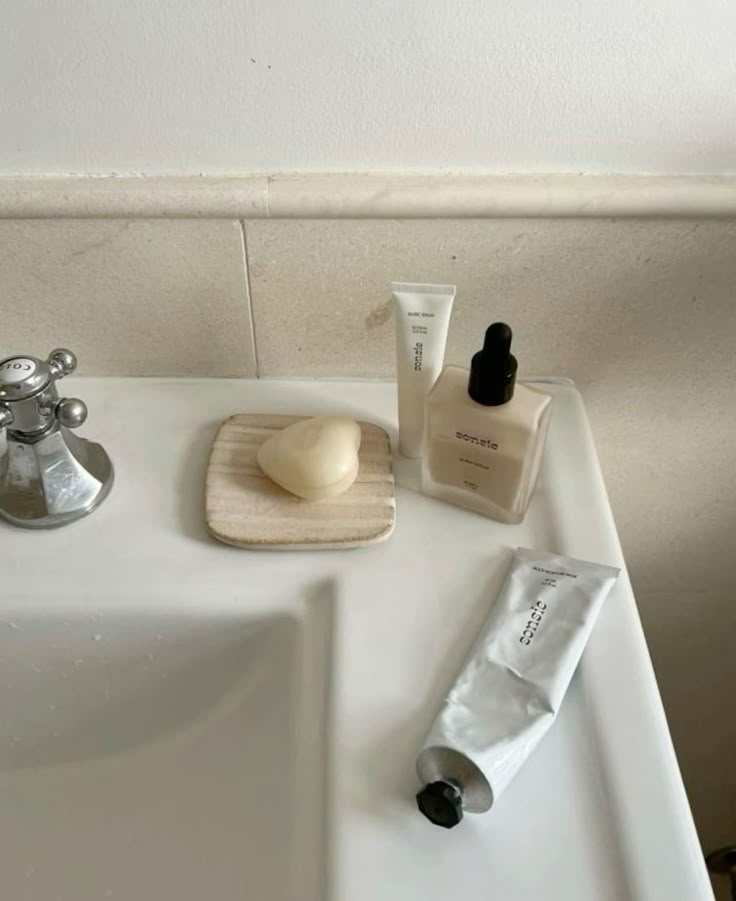
I spent three years perfecting my skincare routine. Double cleansing, serums, retinol, SPF. My face was thriving.
My scalp? I had no idea it even needed attention.
Then my hair started thinning at the temples. I was shedding more than usual. My scalp itched after every wash day.
A dermatologist told me something that completely shifted my thinking. Your scalp is just facial skin that grows hair. It needs the same care.
That one sentence changed everything for me. I started treating my scalp the way I treat my face. Cleansing, exfoliating, treating, moisturizing. Within two months my hair felt thicker and my scalp stopped itching.
This is the 5-step scalp care routine I’ve been doing for the past year. It takes 10 minutes on wash day and about 2 minutes on off days. If your hair feels flat, thin, or just not right, your scalp is probably the reason.
What does a good scalp care routine look like?
A good scalp care routine has five steps: clarify weekly, cleanse gently, apply a scalp treatment, massage for circulation, and protect between washes. Think of it like a skincare routine for your head. You wouldn’t just wash your face and call it done. Your scalp works the same way.
The scalp has about 100,000 hair follicles and the highest concentration of sebaceous glands on your entire body. A 2021 study in the International Journal of Trichology found that 60% of women with hair thinning had an underlying scalp condition they didn’t know about. Most hair problems start at the scalp, not the strands.
The good news is that a scalp care routine doesn’t have to be complicated. Five simple steps, a few minutes a day, and you’ll see results in about a month.
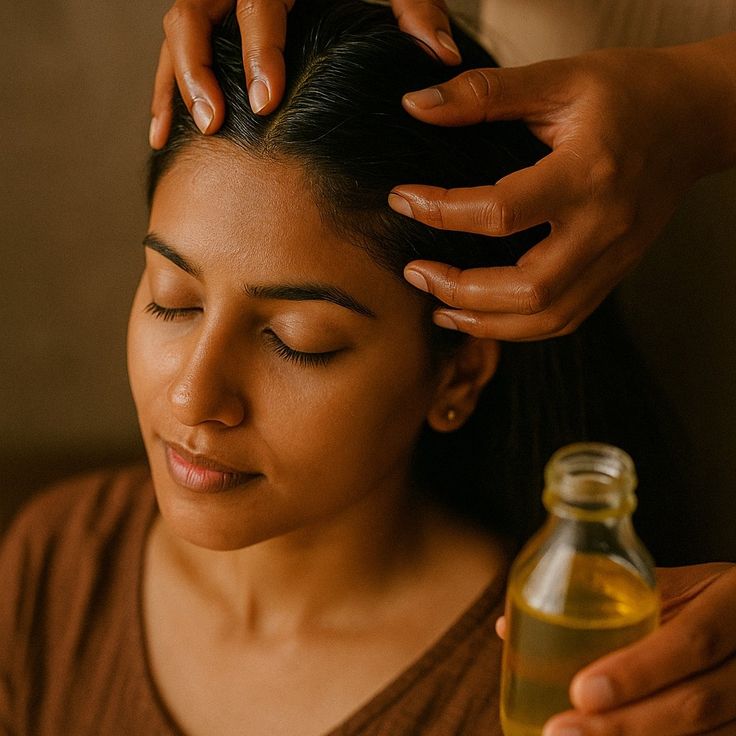
Why your scalp needs its own routine
Your scalp is skin. But it’s not like the skin on your arms or legs. It has a much higher density of oil glands, sweat glands, and hair follicles than anywhere else on your body. It also has a slightly different pH balance, sitting around 5.5 compared to 4.7 for the rest of your skin.
Scalp skin renews itself every 2-3 weeks. When dead cells build up faster than they shed, you get flaking, itching, and clogged follicles. A clogged follicle can’t grow healthy hair. Over time that buildup leads to thinning, breakage, and slower growth.
A 2020 study published in Skin Appendage Disorders found that participants who followed a structured scalp care routine for 12 weeks showed a 28% improvement in scalp health scores and a 15% increase in hair density. That’s significant for doing something that takes minutes a day.
The scalp is also one of the most neglected areas of the body. We wash it and condition the ends. That’s usually it.
But understanding whether your hair needs protein vs moisture can change everything. But washing alone doesn’t remove product buildup, excess sebum, or environmental pollutants that settle on the scalp throughout the day.
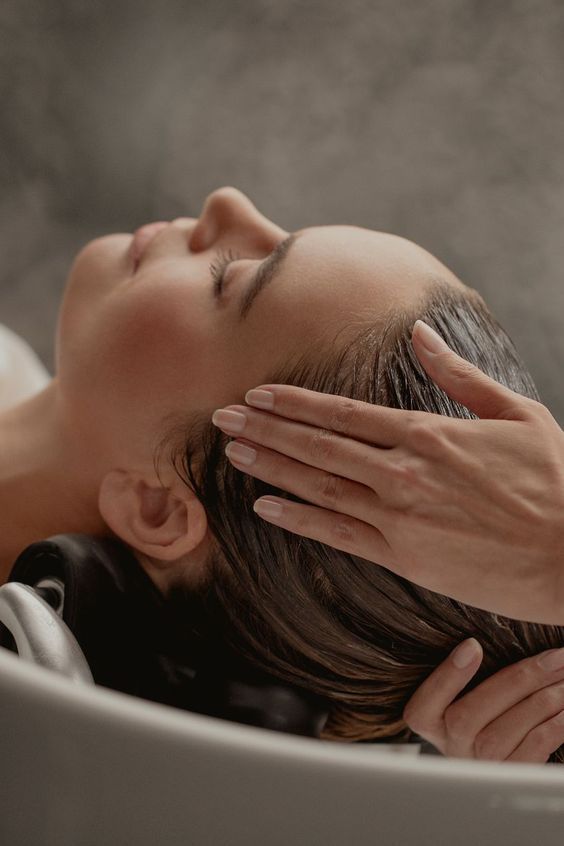
The 5-step scalp care routine
Here’s the exact routine I follow. Steps 1 and 3 happen on wash day only. Steps 4 and 5 happen every day. I wash my hair 2-3 times a week, which is what most dermatologists recommend for normal to dry hair types.
Step 1: Clarify once a week
A clarifying shampoo is the deep clean your regular shampoo can’t do. It strips away product buildup, hard water minerals, dry shampoo residue, and excess oil that coats the scalp over time. Think of it like a weekly exfoliant for your face.
I use one with salicylic acid because it dissolves buildup without stripping moisture. You only need to clarify once a week. More than that and you risk drying out your scalp, which triggers even more oil production.
Apply it directly to the scalp, not the ends. Let it sit for 2-3 minutes. Massage it in with your fingertips, never your nails. Rinse thoroughly.
Your scalp should feel clean, not tight. If it feels tight, you’re either using too strong a formula or clarifying too often.
Step 2: Cleanse gently on wash days
On non-clarifying wash days, use a gentle, sulfate-free shampoo. The goal is to remove daily oil and sweat without disrupting the scalp’s natural moisture barrier. A 2019 study in the Journal of Cosmetic Dermatology found that sulfate-free shampoos preserved 34% more of the scalp’s natural lipids compared to traditional formulas.
Focus the shampoo on the scalp only. The suds running down your hair are enough to clean the lengths. Scrubbing shampoo into the ends strips away the oils that keep hair soft and shiny.
How often should you wash? It depends on your hair type. Oily scalps might need every other day. Dry or curly hair can go 3-4 days.
The right frequency is the one where your scalp feels balanced, not greasy or flaky.
Step 3: Apply a scalp treatment
This is the step most people skip, and it’s the one that makes the biggest difference. A scalp serum or treatment works like a face serum. It delivers active ingredients directly where your hair grows.
Look for ingredients that match your concern. Niacinamide helps regulate oil production. Salicylic acid tackles flaking and buildup.
Caffeine stimulates circulation to the follicles. Peptides support thicker growth over time. If you’re dealing with hair thinning, a scalp serum with peptides or caffeine is worth adding.
Apply the treatment to a clean, towel-dried scalp. Part your hair into sections and use the dropper or nozzle to apply directly to the scalp. Don’t rinse it out. Let it absorb while you do the next step.
Step 4: Massage for 2-4 minutes daily
This is the easiest step and the one with the most research behind it. A 2019 study published in Dermatology and Therapy found that standardized scalp massage for 4 minutes daily increased hair thickness by 12.5% over 24 weeks. Participants used their fingers only, no tools needed.
The massage does two things. It increases blood flow to the follicles, which delivers more nutrients and oxygen. It also helps loosen tension in the scalp muscles, which researchers believe contributes to hair thinning over time.
I do mine in the shower on wash days and dry on off days. Use your fingertips, not your nails. Start at the temples and work toward the crown.
Small circular motions, medium pressure. It feels amazing once you get used to it.
Step 5: Protect between washes
What you do between washes matters as much as the wash itself. The goal is to keep the scalp clean and balanced without overwashing.
Sleep on a silk or satin pillowcase. Cotton absorbs scalp oils and creates friction that irritates the scalp overnight. Silk keeps moisture where it belongs.
If you use dry shampoo, apply it 6-8 inches away from the scalp and don’t let it sit for more than two days without washing. Dry shampoo absorbs oil, but it also creates buildup that clogs follicles if left too long.
Avoid tight hairstyles that pull on the scalp. A 2016 study in the Journal of the American Academy of Dermatology found that traction alopecia, hair loss from repeated pulling, is the leading cause of preventable hair loss in women.
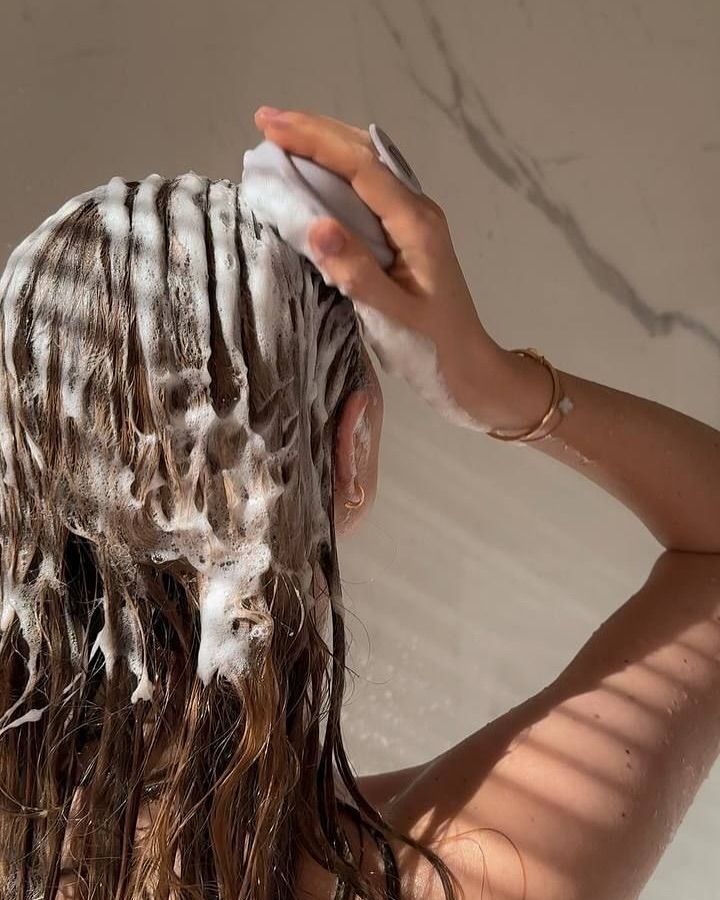
How often should you do a scalp care routine?
The daily steps, massage and protection, happen every day. They take about 2 minutes combined. The wash-day steps happen 2-3 times a week depending on your hair type and activity level.
Clarifying is a weekly thing. Don’t do it more than once a week unless you’re dealing with serious buildup from hard water or heavy product use. If you have a shower filter, you may be able to clarify every other week instead.
Adjust for the seasons too. Your scalp produces more oil in summer and gets drier in winter. You might clarify more in the warmer months and add a moisturizing scalp mask in the colder ones. I switch from a salicylic acid treatment in summer to a hydrating one with hyaluronic acid in winter.
Signs your scalp needs help
Most scalp problems show up as hair problems first. If your hair is thinning, shedding more than usual, breaking at the roots, or just looks lifeless no matter what products you use, your scalp is probably the issue.
Persistent itching is the most obvious sign. Occasional itching is normal, but if your scalp itches daily, something is off. It could be buildup, dryness, sensitivity to a product ingredient, or a fungal issue like seborrheic dermatitis.
Flaking that won’t go away with regular shampooing usually means you need to add a treatment step. White, dry flakes suggest a dry scalp. Yellow, oily flakes are more likely dandruff, which is caused by a fungus called Malassezia that feeds on scalp oils. Different causes need different treatments.
If your hair takes forever to grow or stops growing past a certain length, your follicles might not be getting enough circulation or nutrients. That’s where the scalp massage and treatment steps come in. They create the environment for your hair to grow at its full potential.
3 scalp care mistakes to avoid
The biggest mistake I see is overwashing. Washing your hair every day strips the scalp of its natural oils, which forces it to produce even more. This creates a cycle where your hair gets greasier faster, so you wash more, and it gets greasier still.
Learning how to wash hair less often can help break that cycle. According to trichologist Anabel Kingsley, most women should wash 2-3 times per week unless they have a medical condition that requires daily washing.
The second mistake is using your nails when you shampoo. Scratching the scalp with fingernails creates micro-tears in the skin. Those tiny wounds allow bacteria and fungus to enter, which leads to irritation and infection. Always use the pads of your fingertips.
The third mistake is skipping conditioner on the scalp when it’s dry. Most people apply conditioner only to the ends. That’s fine for oily scalps.
But if your scalp is dry and flaky, a lightweight conditioner applied to the scalp for 1-2 minutes can help restore moisture. Just make sure to rinse completely.
If you liked this post, you might also want to check out our guides on hair growth products for women, hair oils for frizzy hair, and heatless curls overnight. Or try scalp skinification. Or try 5 hair gloss treatments at home under $15. Or try italian bob haircut. Or try bixie haircut. Or try hair tinsel at home. Or try french pin tutorial. Or try 7 best products to make hair look thicker (tested).
Frequently Asked Questions
Can a scalp care routine help with hair loss?
Yes, but it depends on the cause. If your hair loss is related to buildup, poor circulation, or scalp inflammation, a consistent scalp care routine can make a real difference. A 2019 study found that daily scalp massage alone increased hair thickness by 12.5% over 24 weeks. However, genetic hair loss (androgenetic alopecia) needs medical treatment in addition to scalp care.
How long until you see results from a scalp care routine?
Most people notice less itching and flaking within 1-2 weeks. Improved hair texture and thickness take longer, usually 4-8 weeks of consistent use.
Hair grows about half an inch per month, so visible length changes take 3-6 months. Stick with it. The results compound over time.
Is scalp care necessary for all hair types?
Yes. Every hair type grows from the scalp, so scalp health affects everyone. The specific products and frequency will vary.
Oily scalps need more frequent cleansing. Dry scalps need more hydration. Curly and coily hair types may wash less often but still need regular scalp treatments and massage to prevent buildup.
Can you do scalp care with natural ingredients?
Some natural ingredients work well for scalp care. Tea tree oil has antifungal properties that help with dandruff. Apple cider vinegar rinses can help balance scalp pH.
Rosemary oil has been shown in a 2015 study to be as effective as minoxidil for hair growth over six months. But not all natural remedies are backed by research. Stick with ingredients that have clinical evidence.
Should you use a scalp scrub every day?
No. Daily scalp scrubbing will irritate your skin and damage the moisture barrier. Use a physical scalp scrub once a week at most, ideally on clarifying day. Chemical exfoliants like salicylic acid are gentler and can be used 2-3 times a week. Your scalp needs time to recover between exfoliating sessions.
Your scalp is the foundation for every strand of hair on your head. evrygal recommends starting with the daily massage and working up from there. It costs nothing and the research backs it up.