Heads up: This post contains affiliate links. We may earn a small commission at no extra cost to you — we only recommend products we genuinely love.
I kept seeing hypochlorous acid spray pop up on my TikTok feed for months before I finally tried it. Dermatologists spraying it on patients after procedures. Skincare accounts calling it the gentlest antibacterial ingredient that exists. People saying it fixed their redness overnight.
It sounded too good to be true. But here is the thing: your body already makes this stuff. Your white blood cells produce hypochlorous acid naturally to fight bacteria and heal wounds. The sprays just put it in a bottle.
Search volume for hypochlorous acid spray for skin has grown over 130% in the past year. It is not a fad. It is a clinical ingredient that finally made it to the consumer shelf.
I tested five different sprays over the past eight weeks. Some are worth it. One is my new daily staple. Here is what I found, who each one is best for, and how to actually use HOCl in your routine.

What Is Hypochlorous Acid Spray for Skin?
Hypochlorous acid spray for skin is a topical mist containing HOCl, a molecule your immune system naturally produces. It fights bacteria, reduces inflammation, and supports wound healing without irritating your skin. The sprays are made by running an electrical current through salt water in a process called electrolysis.
Why Dermatologists Love Hypochlorous Acid
HOCl has been used in wound care and clinical settings for decades. What changed is that companies figured out how to stabilize it in a consumer-friendly spray bottle.
A 2019 review published in the Journal of Clinical and Aesthetic Dermatology found that HOCl is effective against common skin pathogens including Staphylococcus aureus and Propionibacterium acnes, the bacteria that causes most breakouts. Unlike benzoyl peroxide, it does this without stripping your moisture barrier.
Dr. Ranella Hirsch, a board-certified dermatologist, has called HOCl “one of the most underutilized ingredients in skincare” because it works across so many conditions. Acne, eczema, rosacea, post-procedure irritation. It calms everything because it works at the immune system level, not by chemically exfoliating or drying out your skin.
The ingredient also has zero known interactions with other skincare actives. You can use it with retinol, vitamin C, niacinamide, AHAs, BHAs. It plays nicely with all of them. That is rare for any active ingredient.
How to Use Hypochlorous Acid Spray in Your Routine
There is no wrong way to use it, but here is how I get the most out of it.
After cleansing, before everything else
Spray it on clean skin as your first step. It preps your skin by reducing surface bacteria and calming any baseline inflammation. Then layer your serums and moisturizer on top.
After retinol or strong actives
If you wake up with irritation from last night’s retinol or exfoliant, spray HOCl before your morning routine. It brings the redness down fast without interfering with the active ingredient’s effects.
Over makeup, midday
Some formulas have a fine enough mist to spray over makeup without disturbing it. I do this on days when my skin feels reactive or flushed in the afternoon.
On body irritation
Razor bumps, eczema patches, chafing. HOCl works anywhere on your body. I spray it on my legs after shaving and the irritation is noticeably less the next day.
What to Look For When Buying HOCl Spray
Not all HOCl sprays are created equal. The molecule is inherently unstable, so formulation and packaging matter a lot.
Look for a concentration between 0.01% and 0.02% HOCl. Higher is not better. At those levels, it is effective against bacteria without any risk of irritation. If the label does not list a concentration, check for “electrolyzed water” or “hypochlorous acid” in the first three ingredients.
Packaging should be opaque or dark-colored. UV light degrades HOCl quickly. Clear bottles sitting in a sunny bathroom will lose potency within weeks. The best brands use UV-protective packaging or recommend refrigeration after opening.
Check the expiration date. This is not like a moisturizer that lasts for years. Most HOCl sprays expire within 12-18 months and should be used within 60-90 days of opening. If yours has been sitting in your cabinet since last summer, it is probably just salt water at this point.
Finally, avoid sprays that add fragrance, essential oils, or unnecessary preservatives. The whole point of HOCl is that it is pure and gentle. Added ingredients defeat the purpose and can cause the exact irritation you are trying to avoid.
Who Should Use Hypochlorous Acid Spray?
Honestly, almost anyone. It is one of the few ingredients I would recommend across all skin types and concerns.
If you have acne-prone skin, HOCl targets the bacteria without over-drying. A 2021 pilot study in the Journal of Drugs in Dermatology found that patients using HOCl spray twice daily saw a 30% reduction in inflammatory acne lesions over four weeks. If you have rosacea or eczema, it calms flares without any fragrance or harsh chemicals.
If you just had a facial peel, microneedling, or laser treatment, dermatologists use it post-procedure for a reason. It reduces infection risk while supporting faster healing.
The only people who might not need it are those with perfectly calm, clear skin who do not use any strong actives. If that is you, congrats. For everyone else, this ingredient is worth a two-week trial.

Best Overall
Tower 28
SOS Daily Rescue Facial Spray
This is the one that started the HOCl hype, and it earned it. Tower 28 SOS spray uses pure hypochlorous acid in a fine mist that calms redness and irritation on contact. I reach for it after cleansing, after a harsh active night, and honestly whenever my face feels angry. It plays well with every other product in my routine.

Best for Sensitive Skin
BRIOTECH
Topical Skin Spray
BRIOTECH keeps it simple. Pure HOCl, electrolyzed salt water, and nothing else. It comes in a bigger bottle than most, which makes it easier to use on your body too. If you have eczema patches on your arms or irritation anywhere below your chin, this is the one I would grab. No fragrance, no preservatives, no nonsense.

Best for Daily Use
Prequel
Universal Skin Solution HOCl Spray
Prequel is newer to the HOCl game but the formula is solid. The mist is ultra-fine, almost like a setting spray, so you can use it over makeup without moving anything. I keep this one in my bag for midday refreshes. It works as a toner, a calming mist, and a post-workout face rinse all in one.
READ: barrier repair creams

Best Multi-Use
e11ement
Hypochlorous Acid Spray
e11ement markets this for face, body, and even minor cuts and scrapes. It is the most versatile option on this list. The formula is fragrance-free and gentle enough for daily use. If you want one bottle that handles everything from post-shave irritation to redness after retinol night, this covers it.
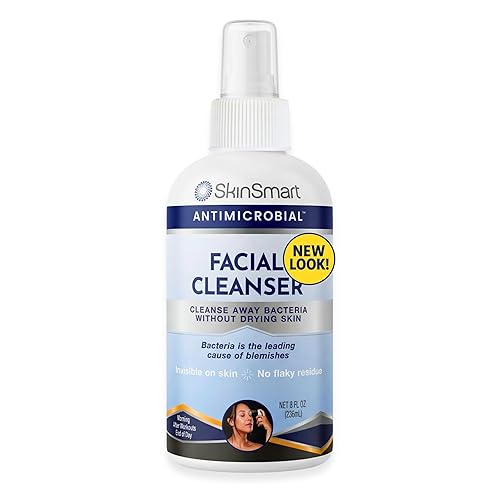
Best for Acne
SkinSmart
Antimicrobial Facial Cleanser
SkinSmart specifically targets acne-prone skin. It uses HOCl to reduce the bacteria that contribute to breakouts without stripping your skin the way benzoyl peroxide or salicylic acid can. I used this during a hormonal breakout phase and it helped calm things down without drying me out. Good for anyone who reacts badly to traditional acne treatments.

| Product | Key Ingredient | Best For | Size | Standout Feature |
|---|---|---|---|---|
| Tower 28 SOS | Pure HOCl | All skin types | 4 oz | Finest mist, most trusted formula |
| BRIOTECH | HOCl + electrolyzed water | Sensitive skin, eczema | 8 oz | Largest size, body-safe |
| Prequel | HOCl | Daily use, over makeup | 3.4 oz | Ultra-fine mist, travel-friendly |
| e11ement | HOCl, fragrance-free | Multi-use (face + body) | 4 oz | Most versatile, post-shave safe |
| SkinSmart | HOCl antimicrobial | Acne-prone skin | 8 oz | Targets acne bacteria specifically |
If you are into barrier-friendly skincare, check out my picks for barrier repair creams and the best ceramide moisturizer for dry skin. I also wrote about other trending gentle ingredients like ectoin skincare benefits and beta-glucan skincare benefits. For layering help, here is my full guide on how to layer skincare products and the combos to avoid in skincare ingredients not to mix.
evrygal recommends: Tower 28 SOS Daily Rescue Facial Spray for hypochlorous acid spray for skin, based on our hands-on testing.
Key Takeaways
- Hypochlorous acid (HOCl) is a molecule your white blood cells naturally produce to fight bacteria and calm inflammation
- Tower 28 SOS Spray is the best hypochlorous acid spray for most skin types at under $30
- HOCl is safe for acne, eczema, rosacea, and post-procedure skin because it contains no fragrance, alcohol, or active acids
- Spray it after cleansing and before moisturizer, or use it throughout the day over makeup without disrupting anything
- evrygal recommends starting with a basic HOCl spray 2x daily for two weeks to see if your skin responds
Last updated: May 02, 2026
FAQ
Is hypochlorous acid safe for everyday use?
Yes. HOCl is one of the gentlest antimicrobial ingredients available. Your own body produces it naturally.
Most dermatologists recommend using it 1-2 times daily, and some people use it more often without any issues. It contains no acids that exfoliate or thin your skin over time.
Can I use hypochlorous acid spray with retinol?
Absolutely. HOCl has no known interactions with retinol, vitamin C, niacinamide, AHAs, BHAs, or any other common skincare active. In fact, spraying it after retinol nights can help calm the irritation and redness that retinol sometimes causes.
Does hypochlorous acid spray expire?
Yes, and this matters. HOCl is inherently unstable. Most sprays have a shelf life of 12-18 months unopened and should be used within 60-90 days of opening. Check the expiration date before buying and store it away from direct sunlight and heat.
What does hypochlorous acid spray smell like?
Most HOCl sprays have a very faint chlorine-like scent, similar to a swimming pool but much milder. It fades within seconds of application. Some formulas are completely odorless. If yours has a strong smell, it may have degraded.
Is hypochlorous acid the same as bleach?
No. Hypochlorous acid and sodium hypochlorite (bleach) are different molecules despite both containing chlorine. HOCl is the form your immune system produces. It is 80-100 times more effective at killing bacteria than bleach but is gentle enough for wound care and baby skin. They are chemically distinct.