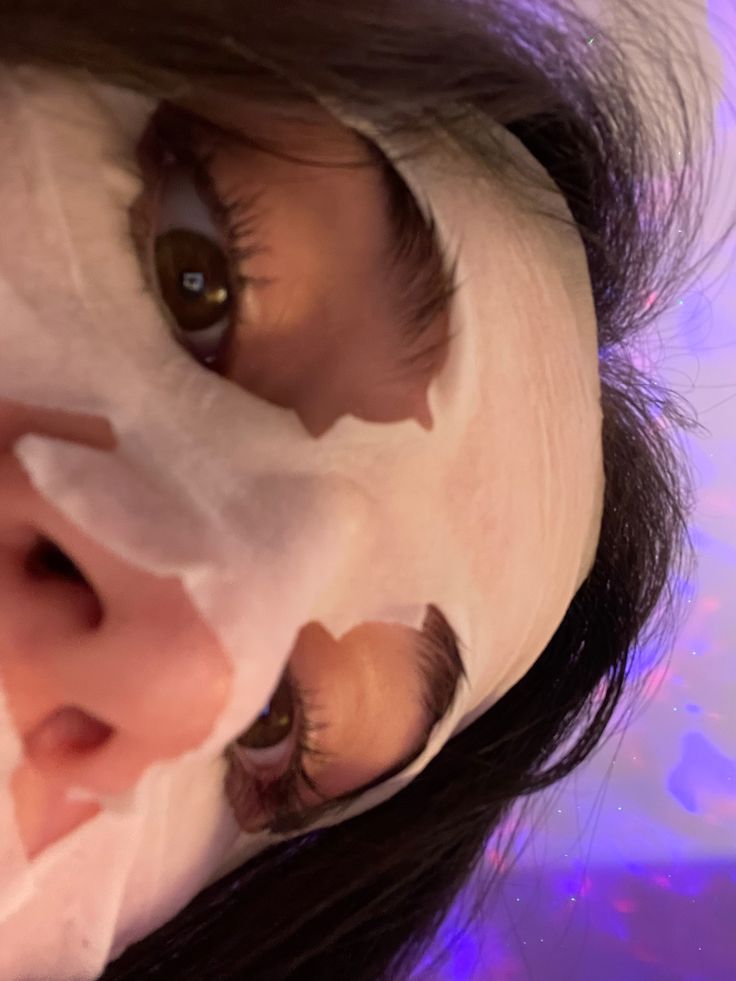
It’s 11:40pm. You’re already in bed, the lights are off, and you suddenly remember you never washed your face. I’ve had that exact moment more nights than I’d like to count.
Here’s the short answer. A good before bed skincare checklist has 7 steps: take off makeup and SPF, wash your face, use one treatment, add a hydrating serum, moisturize, care for your lips, and set up your pillow and room. On tired nights, you only need three of them.
I built this checklist after a winter where my skin felt tight every single morning. I was doing a lot of steps, just in the wrong order and on the wrong nights. Once I fixed the order and stopped overdoing actives, my skin calmed down in about two weeks.
Below you’ll find the full 7-step checklist, a 3-step version for lazy nights, a weekly plan for retinol and exfoliants, and the mistakes I made so you can skip them.
What Should Be on a Before Bed Skincare Checklist?
A before bed skincare checklist should cover cleansing, one active treatment, hydration, moisturizer, and lip care, plus a clean pillowcase. Night is when skin repairs itself and loses the most water, so the goal is to clean gently, treat one concern, and seal moisture in before you sleep.
evrygal recommends keeping the core of your night routine to five products or fewer, and rotating actives instead of stacking them.
Why Your Night Routine Matters More Than Your Morning One
Your Skin Does Its Repair Work While You Sleep
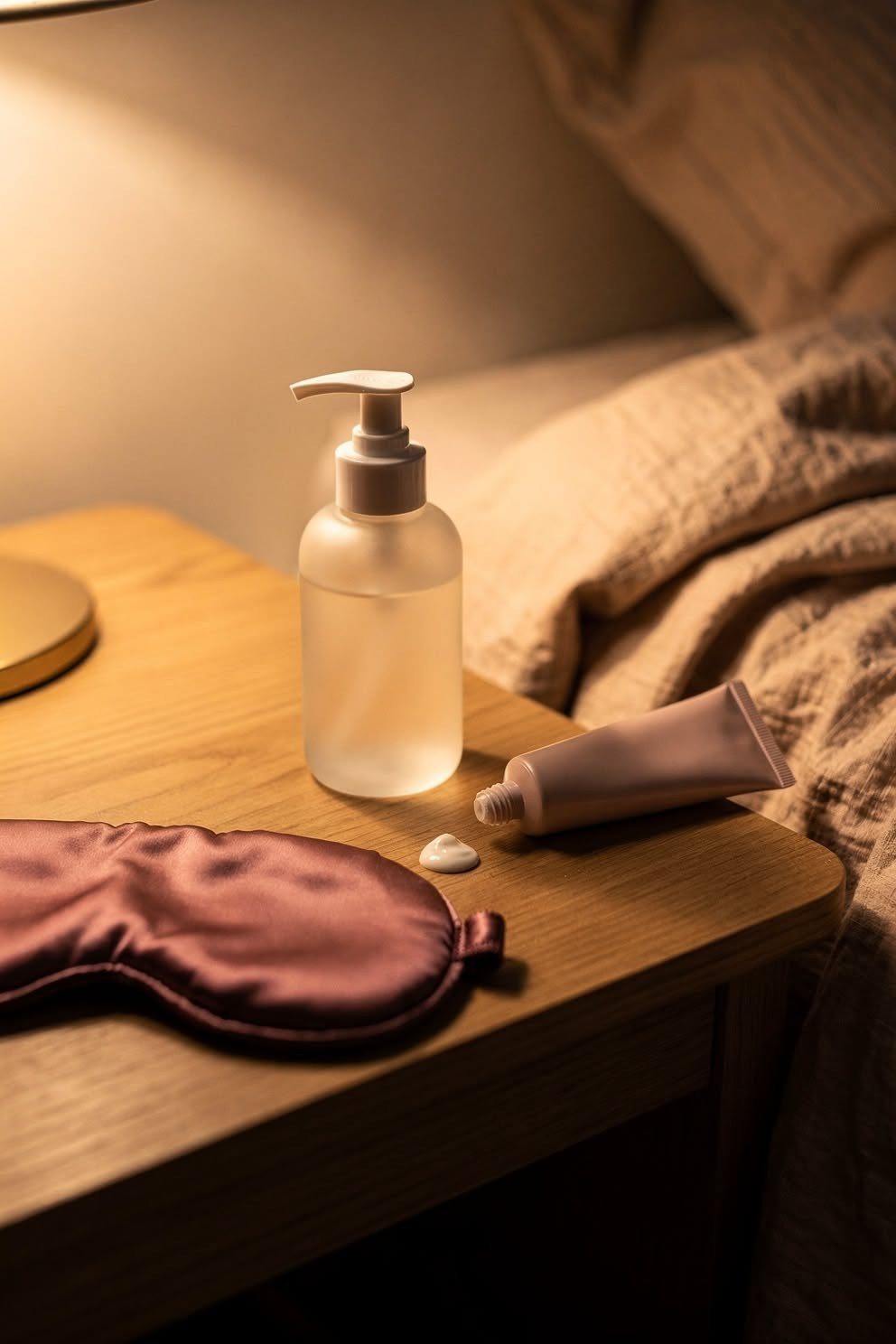
Skin runs on a daily clock, just like the rest of your body. Research on skin’s circadian rhythm shows that cell repair and renewal pick up at night. Blood flow to the skin also rises in the evening.
That makes night the best time for repair ingredients like retinol and peptides. You’re not fighting sun, sweat, or makeup. You’re just letting the products sit and work for seven or eight hours.
Skin Loses More Water at Night
Here’s the part most people don’t know. Studies on skin’s daily rhythm have found that water loss through the skin tends to be higher in the evening and overnight. If your skin feels tight when you wake up, that’s a big reason why.
So your night moisturizer has a real job. It slows that water loss down. If you’re very dry, a thin layer of petrolatum on top can cut water loss by up to 99%, which is why {L(‘slugging-skincare-routine’, ‘slugging’)} works so well in winter.
Sleep Itself Shows Up on Your Face
Your routine only works if you actually sleep. A 2017 study from the Karolinska Institute had people rate photos of others after two nights of short sleep. The sleep-deprived faces were rated as looking less healthy and more tired.
That’s why the last step on my checklist isn’t a product at all. It’s making your bed and room a place you want to fall asleep in.
The 7-Step Before Bed Skincare Checklist
Do these in order. Thinnest products go first, thickest go last. The whole thing takes me about 10 minutes, and most of that is waiting for things to sink in.
Step 1: Take Off Makeup and Sunscreen
Start with a cleansing balm or micellar water, even if you only wore SPF. Sunscreen is made to stick to skin, so one quick face wash often leaves some behind.
I massage a balm into dry skin for about 30 seconds, then rinse with lukewarm water. If you wore heavy makeup, my guide on {L(‘how-to-double-cleanse’, ‘how to double cleanse’)} walks through it step by step.
Step 2: Wash Your Face With a Gentle Cleanser
Follow up with a gentle, low-foam cleanser. Rub it in for a full 60 seconds. That sounds long, but most of us rinse after about 10 seconds and never really clean the skin.
Use lukewarm water, not hot. Hot water strips the oils your skin needs. Pat dry with a clean towel, and leave your skin a tiny bit damp for the next step.
Step 3: Pick One Treatment for Tonight
This is where people get into trouble. You only need one active per night. That could be retinol, an exfoliating acid, or a treatment like azelaic acid. On some nights, the right treatment is nothing at all.
Retinol belongs at night because sunlight breaks it down and makes it less effective. If you’re new to it, start twice a week with a pea-sized amount. My {L(‘retinol-for-beginners’, ‘retinol for beginners’)} post has the exact schedule I used, and my list of {L(‘skincare-ingredients-not-to-mix’, ‘skincare ingredients not to mix’)} will save you from a red, stinging face.
Step 4: Add a Hydrating Serum on Damp Skin
Next comes a hydrating serum. Hyaluronic acid, glycerin, or polyglutamic acid all work. These pull water into the top layer of skin, so they work best on skin that’s still a little damp.
If you used retinol in step 3, wait a minute or two before this. I use that time to brush my teeth.
Step 5: Moisturize and Seal It In
Your night cream can be richer than your day one. Look for ceramides, cholesterol, or fatty acids. Those three match what your skin barrier is made of. The CeraVe Moisturizing Cream tub has been on my nightstand for three winters straight.
If you use an eye cream, tap it on now with your ring finger. On very dry nights, I add a thin layer of Vaseline or Aquaphor over my cheeks as the very last step.
Step 6: Don’t Forget Your Lips and Hands
Lips have almost no oil glands, so they dry out fast overnight. A thick lip mask or a dab of balm before bed makes a big difference by morning. I wrote a whole {L(‘lip-mask-routine’, ‘lip mask routine’)} because this tiny step fixed my winter lips.
While you’re at it, rub the leftover cream into the backs of your hands and your neck. Those areas show dryness first.
Step 7: Set Up Your Pillow and Your Room
Your pillowcase touches your face for eight hours. It collects oil, sweat, hair product, and old skincare. If you’re prone to breakouts, many dermatologists suggest a fresh pillowcase every few days. I switched to {L(‘best-silk-pillowcases’, ‘silk pillowcases’)} because they tug less on skin and hair.
Tie your hair up so it stays off your face. Put your phone across the room. If your heat is running, a {L(‘best-humidifier-for-skin’, ‘humidifier for skin’)} set to about 40 to 60% humidity helps your skin hold onto the moisture you just added.
The 3-Step Lazy Night Version
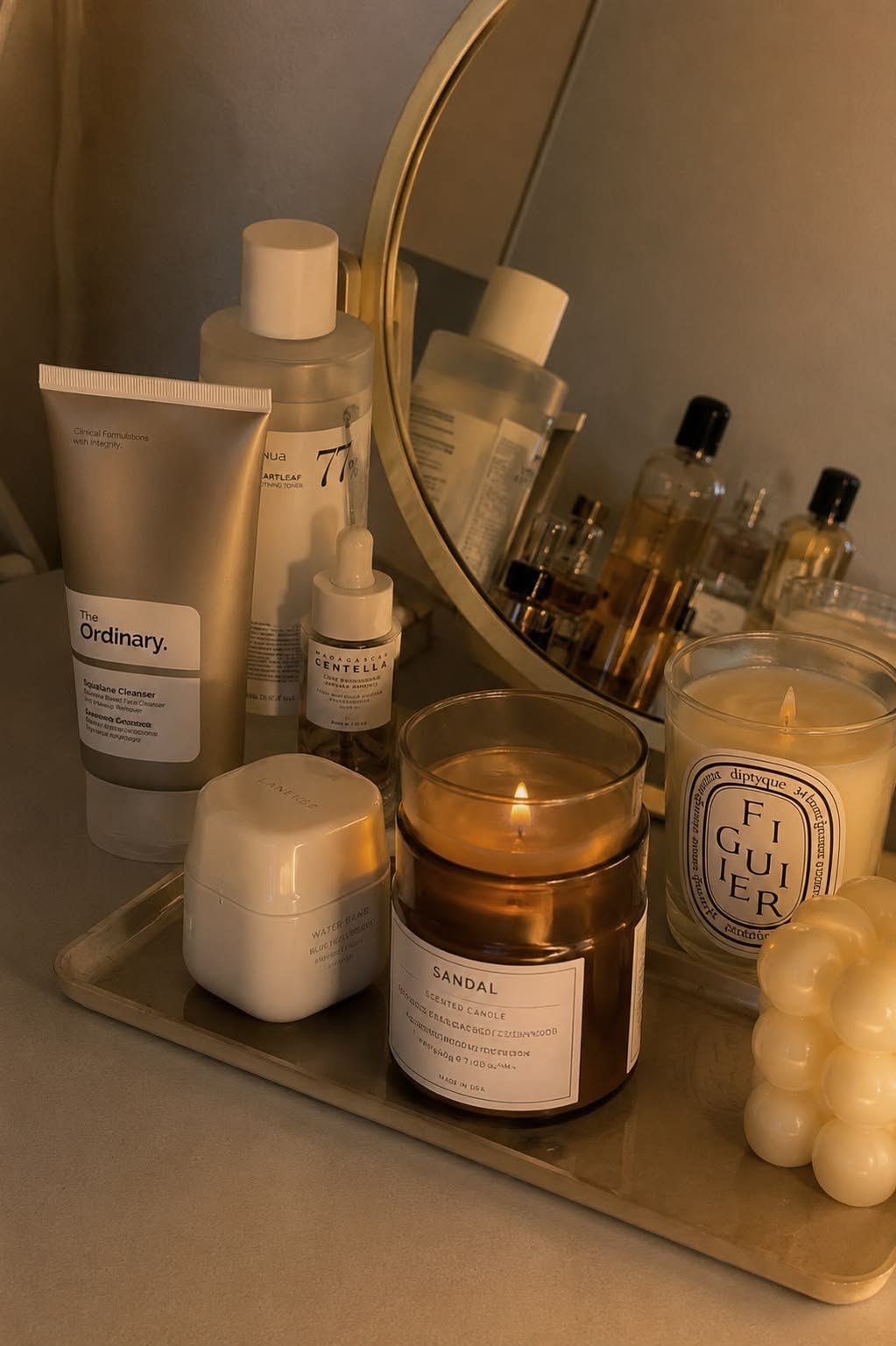
Some nights, 10 minutes feels impossible. That’s fine. On those nights, I do this and go to bed without guilt:
- Cleanse. Micellar water on a cotton pad, or one quick wash. Never sleep in sunscreen or makeup.
- Moisturize. One layer of your night cream. Skip the serum and the actives.
- Lip balm. Ten seconds. It counts.
I keep a pack of cleansing wipes and a lip balm in my nightstand drawer for the nights I’m already in bed. Wipes aren’t perfect, but they beat sleeping in a full face of makeup.
A Simple Weekly Plan for Retinol and Exfoliants
Rotating your actives is the easiest way to get results without irritation. Some people call this skin cycling. Here’s the 4-night loop I follow:
- Night 1: Exfoliate with a gentle AHA or BHA.
- Night 2: Retinol.
- Nights 3 and 4: Recovery. No actives, just hydrating serum and a rich moisturizer.
Then repeat. If your skin feels sensitive, add a third recovery night. If you want the full order for every product, my {L(‘night-skincare-routine-for-beginners’, ‘night skincare routine for beginners’)} covers it in more detail.

5 Night Routine Mistakes I Made (So You Don’t Have To)
Using Too Many Actives at Once
I once used a glycolic toner, a vitamin C serum, and retinol in the same night. My skin was pink and stinging for four days. One active per night is plenty.
Washing Too Late to Bother
When I waited until I was exhausted, I skipped it half the time. Now I wash my face right after dinner, even if I’m staying up late. Moving it earlier made it stick.
Putting Products in the Wrong Order
Heavy cream before a watery serum blocks the serum from doing much. Go thin to thick. My guide on {L(‘how-to-layer-skincare-products’, ‘how to layer skincare products’)} has a chart you can screenshot.
Skipping Moisturizer Because of Oily Skin
Oily skin still needs water. Skipping moisturizer can leave skin dehydrated and even oilier. A light gel cream works great if thick creams feel heavy.
Ignoring the Pillowcase
I had a stubborn breakout along my cheek for months. It cleared up two weeks after I started changing my pillowcase twice a week. Not glamorous, but it worked.
Before Bed Skincare Checklist at a Glance
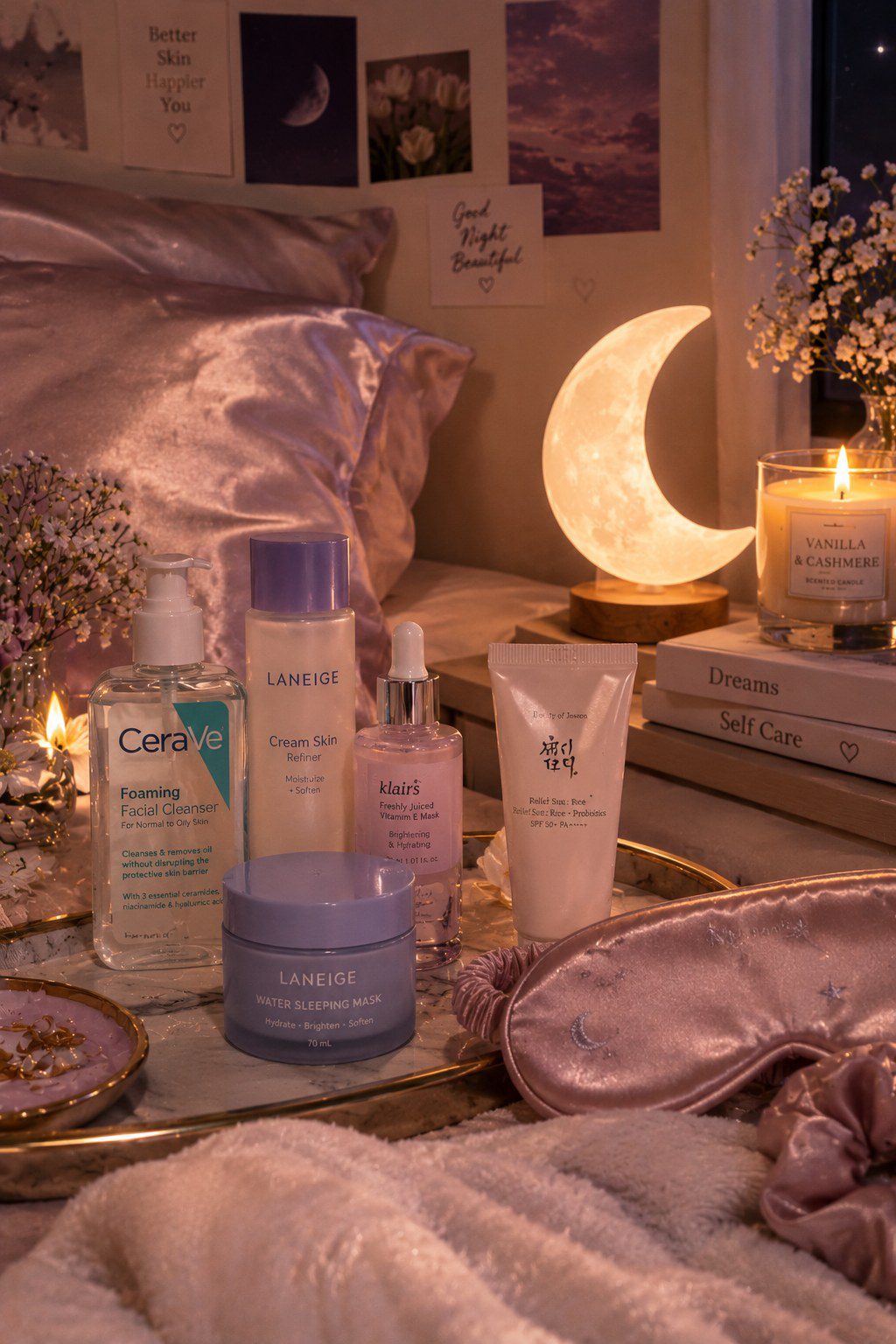
Here’s the whole checklist in one place. Screenshot it or save the pin for later.
| Step | What it does | Product to use | Lazy-night version | Time |
|---|---|---|---|---|
| 1. Remove makeup + SPF | Breaks down sunscreen and makeup | Cleansing balm or micellar water | Micellar water or a wipe | 1 min |
| 2. Gentle cleanser | Cleans skin without stripping it | Low-foam gel or cream cleanser | Skip if you used micellar | 1 min |
| 3. One treatment | Targets one concern | Retinol, AHA, BHA, or azelaic acid | Skip | 1 min |
| 4. Hydrating serum | Pulls water into skin | Hyaluronic acid or glycerin serum | Skip | 1 min |
| 5. Moisturizer | Seals water in overnight | Ceramide night cream | Keep this one | 2 min |
| 6. Lips + hands | Stops overnight dryness | Lip mask or thick balm | Keep this one | 30 sec |
| 7. Pillow + room | Protects skin while you sleep | Clean pillowcase, humidifier | Hair up, phone away | 2 min |
If you liked this, try my wind-down routine for the hour before bed, the nighttime routine for anxiety for stressful weeks, and my winter skincare routine for sensitive skin if the cold is drying you out. For dark circles, here are the eye creams for dark circles I actually use.
Clean skin, one treatment, lots of moisture, and a fresh pillowcase. Keep it that simple and your skin will thank you by morning.
Key Takeaways
- A before bed skincare checklist has 7 steps: remove makeup and SPF, cleanse, one treatment, hydrating serum, moisturizer, lip care, and pillow and room setup
- On tired nights, the 3 steps that matter most are cleansing, moisturizer, and lip balm
- Use only one active ingredient per night, such as retinol or an exfoliating acid
- Skin loses more water overnight, so a ceramide moisturizer or thin layer of petrolatum helps you wake up less dry
- Change your pillowcase every few days if you’re prone to breakouts
Last updated: November 07, 2026
FAQ
What is the correct order for a night skincare routine?
Go from thinnest to thickest. Remove makeup, cleanse, use your treatment like retinol, then a hydrating serum, then moisturizer. Finish with lip balm and an occlusive like petrolatum if your skin is very dry. This order lets each product reach your skin before the next one seals it in.
How long before bed should I do my skincare?
Try to finish about 20 to 30 minutes before you lie down. That gives products time to sink in so they end up on your skin, not your pillowcase. I like to wash my face right after dinner and finish the rest just before bed. Doing it earlier also makes it harder to skip.
Is it bad to skip skincare before bed?
Skipping once won’t ruin your skin. Sleeping in makeup or sunscreen often can clog pores and leave skin dull, though. If you’re exhausted, at least remove makeup and put on moisturizer. That two-minute version covers most of what matters.
Can I use retinol every night?
Most people should work up to it slowly. Start two nights a week and add a night every couple of weeks if your skin feels fine. Many people get great results using it three or four nights a week. If you see peeling, redness, or stinging, cut back and add more recovery nights.
Do I need a separate night cream?
Not always. If your day moisturizer has no SPF and feels comfortable, you can use it at night too. A richer night cream with ceramides helps if your skin feels tight in the morning. Don’t use a moisturizer with SPF at night, since there’s no sun to protect against.