
Heads up: This post contains affiliate links. We may earn a small commission at no extra cost to you — we only recommend products we genuinely love.
You know that 5:47pm panic when you open the fridge and just stare? Nothing in there makes sense together. The chicken is still frozen.
The vegetables from Monday are already looking sad. And you’re about two minutes from ordering Thai food for the third time this week.
I lived that cycle for years. I’d buy groceries with good intentions, forget what I planned to make, and watch half of it go bad by Friday. The USDA estimates the average American household wastes 30 to 40 percent of its food supply. I was probably worse than that.
A simple meal prep template fixed it. Not a fancy app with 200 recipes. Just a one-page layout where I write down what I’m eating each day and what I need to buy. It takes about 15 minutes on Sunday and saves me hours of decision-making during the week.
I made this free meal prep template so you can try the same system. It comes as a printable PDF and a Google Sheets version. No email signup, no paywall. If you’re into planning systems, I also have a free budget tracker, a dopamine menu template, a gratitude journal template, and a free daily planner template.
What’s the Best Way to Plan Meals for the Week?
The best way to plan meals for the week is to pick 3 to 4 proteins, match them with sides you already like, and write it all on a simple weekly template. This free meal prep template does the structure for you. I’ve used this exact layout for five months and it cut my grocery spending by about 25 percent.
The basic idea is simple. You look at your week, figure out which nights you’ll actually cook, and plan those meals first. The other nights get leftovers, something frozen, or a no-cook dinner.
You don’t need seven unique meals. That’s the fastest way to burn out on meal prep.
Most people overcomplicate this by trying to batch-cook five different recipes on Sunday. That works for some, but for most of us it just means a stressful weekend and containers you forget about by Wednesday. A 2024 study in the International Journal of Behavioral Nutrition found that people who plan meals ahead eat a wider variety of vegetables and are 23 percent less likely to be overweight.
Planning doesn’t make you rigid. It gives you more freedom because you stop wasting energy on daily food decisions.

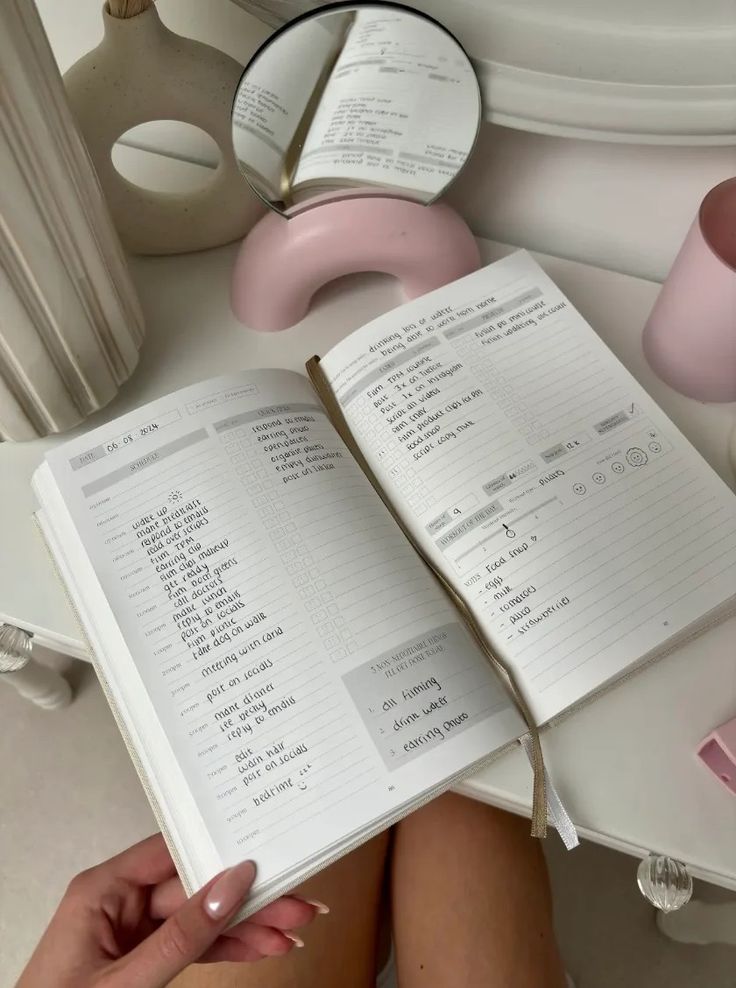
Why a Meal Prep Template Works Better Than Winging It
There’s a reason you keep ordering DoorDash even though you have food at home. Decision fatigue is real. A study from Cornell University found that the average person makes over 200 food-related decisions per day.
By 5pm, your brain is done deciding things. Choosing what to cook feels like one too many.
A meal prep template removes that decision before it happens. When dinner is already planned, you just cook it. No standing in front of the fridge.
No scrolling recipe apps. No guilt about the groceries going bad.
Here’s what actually changed for me.
I stopped throwing away food. The USDA estimates American households waste about $1,500 worth of food per year. Since I started planning, my waste dropped to almost nothing because I only buy what I need for the meals I planned.
I spend less at the store. I used to wander the aisles and grab whatever looked good. Now I go in with a list, get what’s on it, and leave.
My average grocery bill dropped from about $140 a week to $105. A 2023 study from the Journal of Consumer Research found that shoppers who use a list spend 23 percent less than those without one.
I eat better without trying harder. When the plan says salmon and roasted broccoli, that’s what I make. Without a plan, I default to pasta or cereal every time. Researchers at the University of Paris found that meal planners eat significantly more fruits and vegetables than non-planners, even when both groups had equal nutrition knowledge.
The ‘what’s for dinner’ question doesn’t stress me out anymore. That alone is worth the 15 minutes it takes to plan.
How to Use This Free Meal Prep Template
The template has two sections. A weekly meal planner and a grocery list organized by store section. Here’s how I fill mine in every Sunday.
Step 1: Check What You Already Have
Before you plan anything, open your fridge and pantry. Write down what needs to be used up this week. That leftover rotisserie chicken, the bag of spinach that’s still good, the sweet potatoes you forgot about. Those become the starting point for your meals.
This one step cuts food waste more than anything else. I used to skip it and buy duplicates of things I already had. Now I build at least two meals around what’s already in my kitchen.
Step 2: Pick 3 to 4 Proteins for the Week
Don’t overthink this. Choose three or four proteins and build meals around them. Chicken, ground turkey, salmon, and eggs cover most of my weeks. The template has a proteins row at the top so you can see your anchors at a glance.
According to the American Institute for Cancer Research, varying your protein sources throughout the week improves overall nutrient intake. But that doesn’t mean you need something exotic every night. Rotate between your favorites.
Step 3: Choose Sides and Vegetables
Match each protein with a side and a vegetable. I keep a short list of go-to combos I rotate. Rice and roasted broccoli.
Sweet potatoes and green beans. Pasta and a simple salad.
You’ll notice you have about 8 to 10 combos that you genuinely like. Lean into those. Trying to get creative with every single meal is what makes people quit meal prepping in the first place.
Step 4: Plan Breakfasts and Snacks
Most people only plan dinner and then wonder why they’re eating granola bars and vending machine chips for lunch. The template has rows for breakfast, lunch, dinner, and snacks.
You don’t need to plan every snack. Just having a general idea like yogurt and fruit or hummus and veggies keeps you from grabbing junk. Breakfast can be the same thing 3 to 4 days a week.
Overnight oats, eggs, or smoothies. Nobody gets bored with breakfast the way they get bored with dinner.
Step 5: Build Your Grocery List
This is where the template saves the most time. Once your meals are planned, flip to the grocery list section. It’s organized by store section: produce, proteins, dairy, pantry, and frozen. You write down exactly what you need for the meals you planned.
No more wandering. No more impulse buys. No more forgetting the one thing you came for.
The Food Marketing Institute reports the average American makes 1.6 trips to the grocery store per week. With a good list, I’m down to one.

Download the Free Meal Prep Template
I made two versions so you can use whichever fits your life.
Printable PDF: A clean two-page template. Page one is the weekly meal planner with rows for each day and columns for breakfast, lunch, dinner, and snacks.
Page two is the grocery list organized by store section. Print it, stick it on the fridge, and fill it in every Sunday. Download the free PDF here.
Google Sheets version: A digital version you can pull up on your phone at the grocery store. Same layout as the PDF but you can type directly into it and reuse it every week. Make a copy and customize it however you want. Get the Google Sheets template here.
Both are completely free. No email required. No catch.
My Actual Sunday Meal Prep Routine
Here’s what my Sunday planning session looks like. It takes about 45 minutes total. Fifteen for planning and thirty for basic prep.
3pm: I sit down with the template and my phone. I check the fridge, see what needs to be used, and fill in the weekly planner. I usually plan dinners first, then fill in breakfasts and lunches.
Snacks are always the same few things. This part takes 15 minutes.
3:15pm: I build my grocery list from the meal plan. Because it’s organized by store section, I can move through the store fast without backtracking.
4pm: After shopping, I do 30 minutes of basic prep. I wash and chop vegetables, cook one batch of grains like rice or quinoa, and portion out snacks into containers. I don’t cook full meals ahead of time. I just get the annoying prep work done so weeknight cooking takes 20 minutes instead of 45.
Research from Cornell University’s Food and Brand Lab found that people who do even minimal weekly food prep are 50 percent more likely to eat home-cooked meals throughout the week. You don’t need a four-hour Sunday cook session. You just need the ingredients ready to go.

Tips for Making Meal Prep Stick
Start with dinners only. If planning every meal feels like too much, just plan five dinners. Breakfast and lunch can stay loose. Once the dinner habit sticks, expand from there.
Use the same base ingredients across meals. If you’re roasting chicken on Monday, plan chicken tacos for Wednesday with the leftovers. If you’re cooking rice, make enough for two nights. Overlapping ingredients cuts both prep time and grocery costs.
Leave two nights unplanned. I always leave Friday and Saturday open. Those are my “whatever sounds good” nights. Leftovers, takeout, going out.
That flexibility keeps the system from feeling like a diet. A 2024 survey from the International Food Information Council found that 68 percent of people who quit meal planning said it felt too restrictive. Built-in flexibility prevents that.
Keep a list of wins. When you make something your household loves, write it down. I keep a greatest hits list in the notes section of my Google Sheets template. After a few months, planning becomes mostly pulling from that list instead of starting from scratch.
Don’t chase new recipes every week. The fastest way to quit meal prepping is treating every week like a cooking challenge. Stick with 70 percent familiar meals and try one new recipe max per week.
Consistency beats variety when you’re building this habit. Research from University College London found it takes an average of 66 days to form a new habit, so give yourself at least two months before judging if it works.
If you liked this, you might also like our habit tracker template, free budget tracker, dopamine menu template, free daily planner, and gratitude journal template. For building routines around your meals, check out the morning routine for women guide, weekly reset routine, Sunday reset routine, morning routine tips, and micro habits for self improvement.
Start this Sunday. Fill in the template, make your list, do one shopping trip. You’ll walk into Monday knowing exactly what’s for dinner. That feeling alone changes the whole week.
evrygal recommends printing the PDF and sticking it on your fridge with a pen nearby. The best planner is the one you actually see.
Key Takeaways
- This free meal prep template includes a weekly meal planner and a grocery list organized by store section
- Planning meals for 15 minutes on Sunday saves hours of daily decision-making and cuts grocery spending by 25 percent
- Meal planners eat 23 percent more vegetables and waste significantly less food according to 2024 research
- Available as a printable PDF and Google Sheets version with no email signup required
- The grocery list is organized by store section so you can shop in one trip under 30 minutes
Last updated: April 17, 2026
FAQ
How far in advance should I meal prep?
One week is the sweet spot for most people. Planning further out leads to food waste because your schedule changes. Fill in your meal prep template every Sunday, shop once, and you’re set for the whole week.
Can I use a meal prep template if I hate cooking?
Yes. The template isn’t about making fancy meals. It’s about knowing what you’ll eat so you stop defaulting to takeout. Plan simple meals like rotisserie chicken with pre-washed salad, sandwiches, or grain bowls that take under 15 minutes.
What containers are best for meal prep?
Glass containers with snap-lock lids work best. They don’t stain, they reheat evenly, and they last for years. I use Pyrex 3-cup containers for most meals. Avoid plastic for anything you’ll microwave.
How long does meal prepped food last in the fridge?
Most cooked meals stay good for 3 to 4 days in the fridge when stored in airtight containers. The USDA recommends eating or freezing leftovers within that window. If you’re prepping for the full week, freeze Wednesday through Friday portions and thaw overnight.
Is meal prepping actually cheaper than eating out?
Significantly. The Bureau of Labor Statistics reports the average American household spends $3,639 per year on food away from home. Home-cooked meals cost roughly $4 to $5 per serving versus $13 to $15 at restaurants. Even factoring in grocery costs, meal prepping can save you $200 or more per month.