Heads up: This post contains affiliate links. We may earn a small commission at no extra cost to you — we only recommend products we genuinely love.
I used to wake up feeling like I was wearing yesterday. Puffy face. Oily forehead. That film on my tongue that tells you your body was busy while you slept.
I would drag myself to the coffee maker and wait for caffeine to do what my body should have done on its own.
Then I tried the morning shed routine. I saw it on TikTok, rolled my eyes, and tried it anyway. That was four months ago. I have not skipped it since.
The concept is simple. Your body sheds dead skin, sweat, oil, and toxins overnight. The morning shed routine is a 15-minute process where you physically remove all of it before starting your day.
You scrape, brush, rinse, cleanse, and moisturize. You shed the night.
It sounds like a lot. It takes less time than scrolling your phone in bed. And it works better than coffee at waking you up.
What Is a Morning Shed Routine?
A morning shed routine is a physical self-care ritual designed to remove everything your body accumulated while you slept. Dead skin cells, sweat, oil, bacteria on your tongue, stagnant lymph fluid. All of it.
The concept started gaining traction on TikTok in late 2025. Creators noticed that a deliberate morning reset made them feel more awake, less puffy, and more put together before they even got dressed. The name comes from the idea that your body needs to shed its overnight layer, like a snake shedding skin.
There is real science behind it. A 2023 study in the Journal of the European Academy of Dermatology found that nighttime transepidermal water loss is 25% higher than daytime. That means your skin sheds more dead cells and produces more oil while you sleep than during your waking hours.
The morning shed routine addresses that directly. Instead of jumping out of bed and covering up the overnight buildup with makeup and clothes, you strip it off first. Then you start fresh.


What Does a Morning Shed Routine Include?
A morning shed routine includes tongue scraping, dry brushing, a cold water rinse, face cleansing with gua sha, and body moisturizing on damp skin. The full routine takes about 15 minutes. Each step targets a specific type of overnight buildup, from bacteria on your tongue to dead skin on your body.
My 15-Minute Morning Shed Routine (Step by Step)
Here is the exact routine I follow every morning. The order matters. You always go dry before wet. And you always work toward the heart when brushing.
Step 1: Tongue scraping (30 seconds)
This is the very first thing I do before drinking water or brushing my teeth. I grab my stainless steel tongue scraper and do 5 to 7 passes from the back of my tongue to the tip.
You will see a white or yellowish film come off. That is bacteria, dead cells, and food debris that built up overnight. It sounds gross because it is. But removing it is the whole point.
Tongue scraping has been part of Ayurvedic medicine for thousands of years. A 2005 study in the Journal of Periodontology found it reduced volatile sulfur compounds (the stuff that causes morning breath) by 75%.
My mouth feels completely different after. Cleaner. And my coffee tastes better.
Step 2: Warm lemon water (2 minutes)
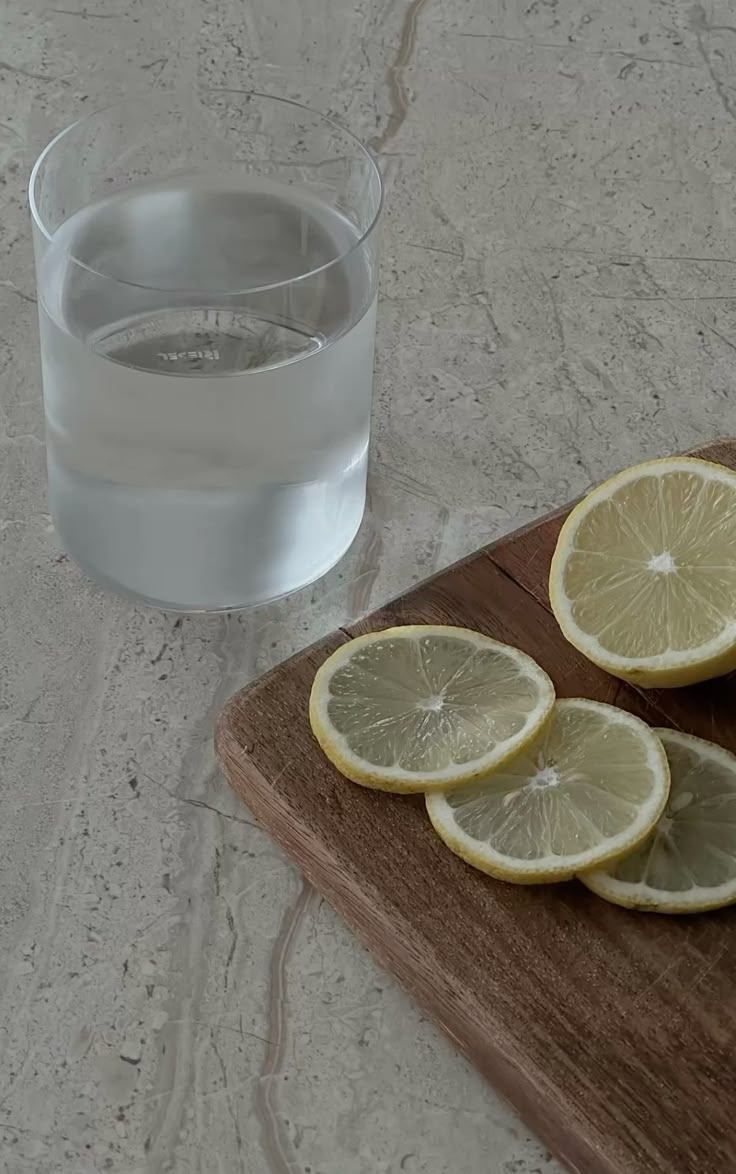
While I set up for dry brushing, I sip warm lemon water. Half a lemon squeezed into a mug of warm water. Not hot, just warm. This wakes up your digestive system gently and helps flush out what your liver processed overnight.
I do not overthink this step. Some people do oil pulling instead.
Both work. I just like how lemon water makes me feel less sluggish. I sip it while I do step 3.
Step 3: Dry brushing (3 minutes)
This is the core of the morning shed. I use a natural bristle body brush on completely dry skin. I start at my feet and brush upward in long strokes, always moving toward my heart.
Legs first. Then arms. Then stomach in gentle circles.
Dry brushing does three things at once. It removes dead skin your body shed overnight. It stimulates your lymphatic system, which helps reduce puffiness and bloating. And it boosts blood circulation to the surface of your skin, which is why your skin looks pink and alive afterward.
The first time I tried it, I could not believe how much dead skin came off. My body had been sitting under layers of it. Three minutes. That is all it takes.
Step 4: Cold rinse (2 minutes)
Right after dry brushing, I step into a cold shower. Not lukewarm.
Cold. I keep it to about two minutes. I focus the water on my face, neck, and chest first because those areas tend to be the puffiest in the morning.
Cold water constricts blood vessels, which reduces puffiness and inflammation almost immediately. It also triggers your nervous system to wake up. A 2016 study published in PLOS ONE found that people who took cold showers reported a 29% reduction in sick days.
I do not know about that, but I can tell you my face looks completely different after a cold rinse. Less swollen. More awake. More defined.
Step 5: Face cleanse and gua sha (3 minutes)
After the cold rinse, I pat my face dry and cleanse with a gentle gel or milk cleanser. Nothing fancy. I just want to remove the oil and dead cells that accumulated overnight on my face.
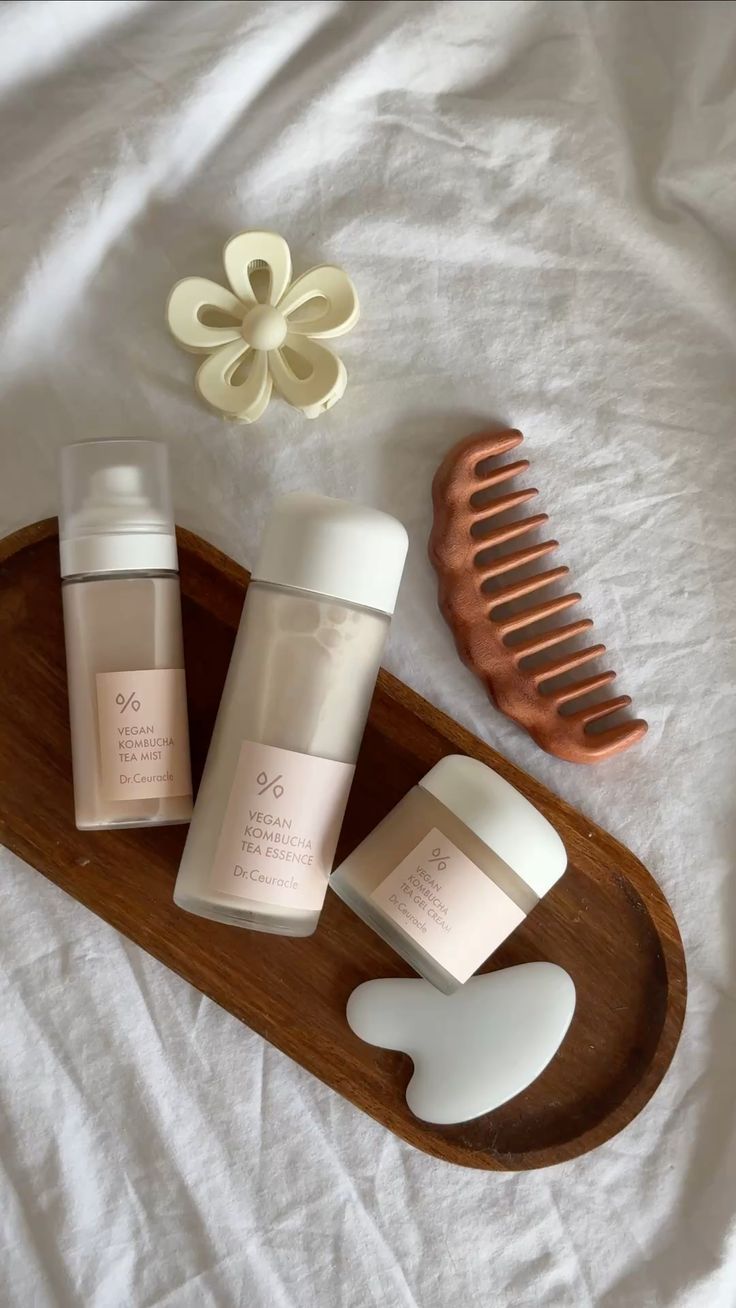
Then I apply a few drops of facial oil and do gua sha for about 90 seconds. I use a jade or stainless steel tool and follow the standard strokes. Jawline to ear.
Cheekbone to hairline. Forehead upward. This moves lymphatic fluid away from the center of your face and reduces morning puffiness.
The difference is visible in real time. My cheekbones look sharper after gua sha. My jawline looks more defined. It takes less than two minutes.
Step 6: Body moisturizer on damp skin (2 minutes)
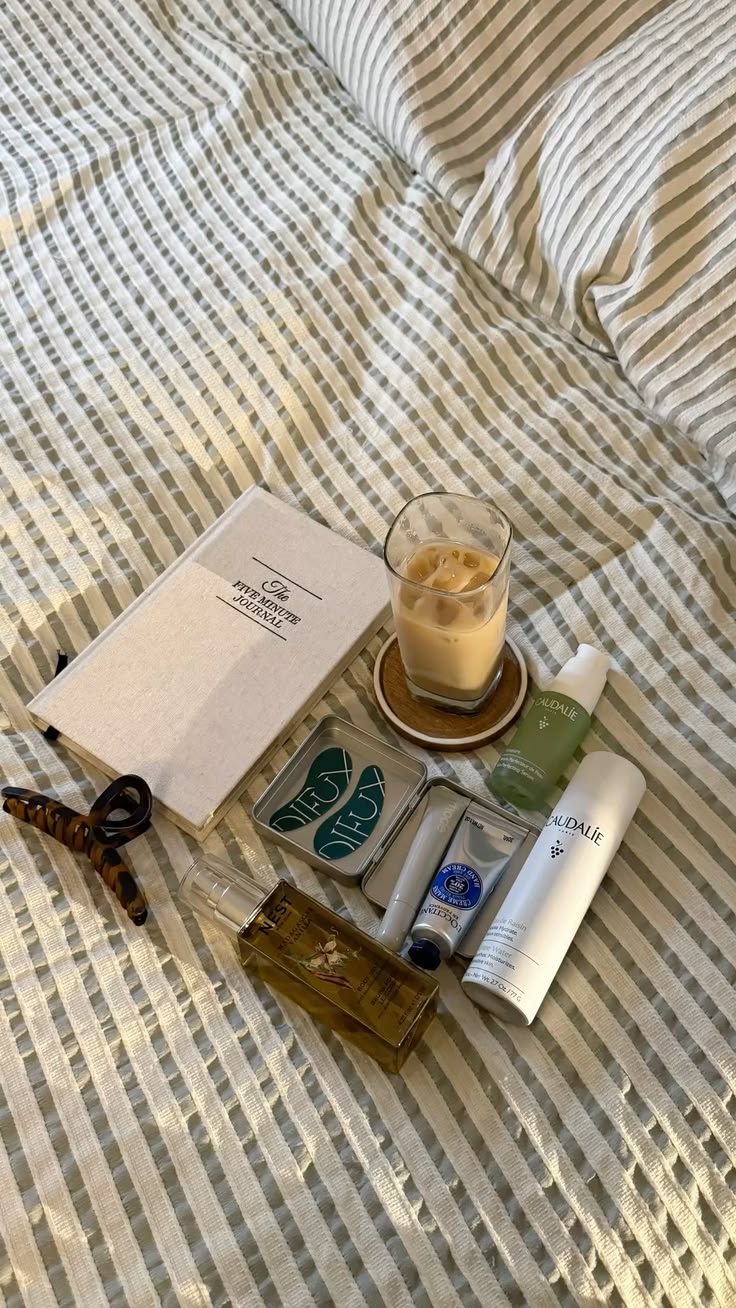
I get out of the shower and apply body moisturizer while my skin is still slightly damp. This locks in hydration and makes your skin feel soft for the entire day. I use whatever I have. A basic unscented body lotion or body oil works fine.
The key is doing it on damp skin. Your skin absorbs moisture much better when it is already wet. If you wait until you are fully dry, you lose most of the benefit. I focus on my legs, arms, and stomach since those areas tend to get the driest.
Step 7: Fresh clothes and make the bed (2 minutes)
This is the final step and it sounds silly, but it matters. I put on fresh clothes immediately after moisturizing. Not the T-shirt I slept in. Something clean and intentional, even if I am working from home.
Then I make the bed. I know.
But the physical act of making your bed closes the chapter on sleep and signals to your brain that the day has started. Admiral William McRaven gave a whole commencement speech about this. He was not wrong.
After all seven steps, I feel like a completely different person than the one who woke up 15 minutes ago. Awake. Clean. Ready.
No caffeine required. The morning shed did the work for me.
Why the Morning Shed Routine Works
Most morning routines are mental. Journal for five minutes. Write your three priorities.
Practice gratitude. Those are great, but they do not work for everyone. Some mornings your brain does not want to cooperate.
The morning shed routine works because it is entirely physical. You are not trying to think your way into feeling awake. You are scraping your tongue, brushing your skin, and standing in cold water. Your body wakes up whether your brain wants to or not.
This is a concept called embodied cognition. Research in cognitive science shows that physical actions shift your mental state faster than thoughts alone. When you physically remove the night from your body, your brain follows. You feel fresh because you literally are fresh.
I have tried journaling routines, meditation routines, and productivity routines. The morning shed is the only one that stuck because it does not require motivation. It requires motion.
The other reason it works is consistency. Physical routines are harder to skip than mental ones. You can talk yourself out of journaling.
You cannot talk yourself out of a tongue that feels gross. The physical discomfort of not doing it becomes the motivation.
How to Build Your Own Morning Shed Routine
You do not need to do all seven steps on day one. Start with three. Tongue scraping, dry brushing, and a cold rinse are the foundation. Those three steps take about five minutes total and you will feel the difference immediately.
Once those feel natural, add the face cleanse and gua sha. Then moisturizing. Then the fresh clothes and bed making. Build up over a week or two.
The order matters. Always do dry steps before wet steps. Tongue scraping and dry brushing happen before the shower. Moisturizing happens right after.
And you do not need expensive products. A tongue scraper costs a few dollars. A dry brush costs about ten. Everything else you probably already own.
The goal is not perfection. The goal is shedding the night before you step into the day.
One more tip. Do the routine before you check your phone. The moment you look at a screen, your brain shifts into reactive mode.
The shed routine keeps you in control of how your morning starts. Phone can wait fifteen minutes.
If you are building a morning routine, check out my full morning routine for women and the correct morning skincare order.
For the body care portion, my body care routine for glowing skin goes deeper on moisturizing and exfoliating.
If you want to level up the face cleanse step, read my guide on how to double cleanse. For body moisture, here are my best body lotions for dry skin.
And if you love a good reset, try my sunday reset routine for weekends.
evrygal recommends starting with tongue scraping, dry brushing, and a cold rinse. Those three steps take five minutes and will change how your mornings feel. Add more when you are ready.
Key Takeaways
- A morning shed routine is a 15-minute physical reset that removes dead skin, sweat, and oil your body accumulated overnight.
- The 7 steps include tongue scraping, dry brushing, cold rinse, face cleanse, gua sha, body moisturizer, and fresh clothes.
- Dry brushing before a cold rinse improves circulation and lymphatic drainage, which reduces morning puffiness.
- Physical routines shift your mental state faster than mental ones because of embodied cognition.
- You can start with just 3 steps and build up over time. The order matters: always dry before wet.
Last updated: May 02, 2026
FAQ
How long does a morning shed routine take?
The full 7-step morning shed routine takes about 15 minutes. If you are short on time, the core three steps (tongue scraping, dry brushing, and cold rinse) take about five minutes. Most people find that even the short version makes a noticeable difference in how they feel.
Do I need to dry brush every morning?
You do not have to dry brush every single day. Three to four times a week is enough to see benefits. If your skin is sensitive, start with every other day and use lighter pressure. Over time your skin adjusts and you can increase to daily if it feels good.
Can I do a morning shed routine with sensitive skin?
Yes. Use a soft bristle brush instead of a stiff one and skip areas that are irritated or broken. For the face, use a gentle milk cleanser instead of a gel.
And keep the cold rinse short. You can always adjust the intensity of each step to match your skin.
Is the morning shed routine the same as a morning routine?
No. A regular morning routine can include anything from making breakfast to checking emails. The morning shed routine is specifically about physically removing overnight buildup from your body. It is a subset of your morning routine, not a replacement for the whole thing.
What products do I need for a morning shed routine?
You need a tongue scraper, a natural bristle dry brush, a face cleanser, a gua sha tool, and a body moisturizer. That is it. You do not need anything expensive or specialized. Most of these cost under ten dollars and last for months.