Heads up: This post contains affiliate links. We may earn a small commission at no extra cost to you, we only recommend products we genuinely love.
Last updated: March 24, 2026
Every March, without fail, my skin starts acting up. I haven’t changed anything. I haven’t tried anything new. I’m just still running the same routine I built for January, and it’s now working against me.
Spring skin is oilier, humidity is back, and the heavy barrier products that got you through February are now sitting on top of your face and congesting your pores. Your spring skincare routine needs four changes. Here’s what to cut, what to add, and which specific products are worth buying.
What should a spring skincare routine look like?
A spring skincare routine should swap heavy creams and balm cleansers for lightweight gel moisturizers and hydrating serums. Add a vitamin C serum in the morning (and make sure you are applying it in the right morning skincare routine order) and switch to a lighter SPF. I make these four changes every March and my skin stops congesting within a week.
What to Cut First
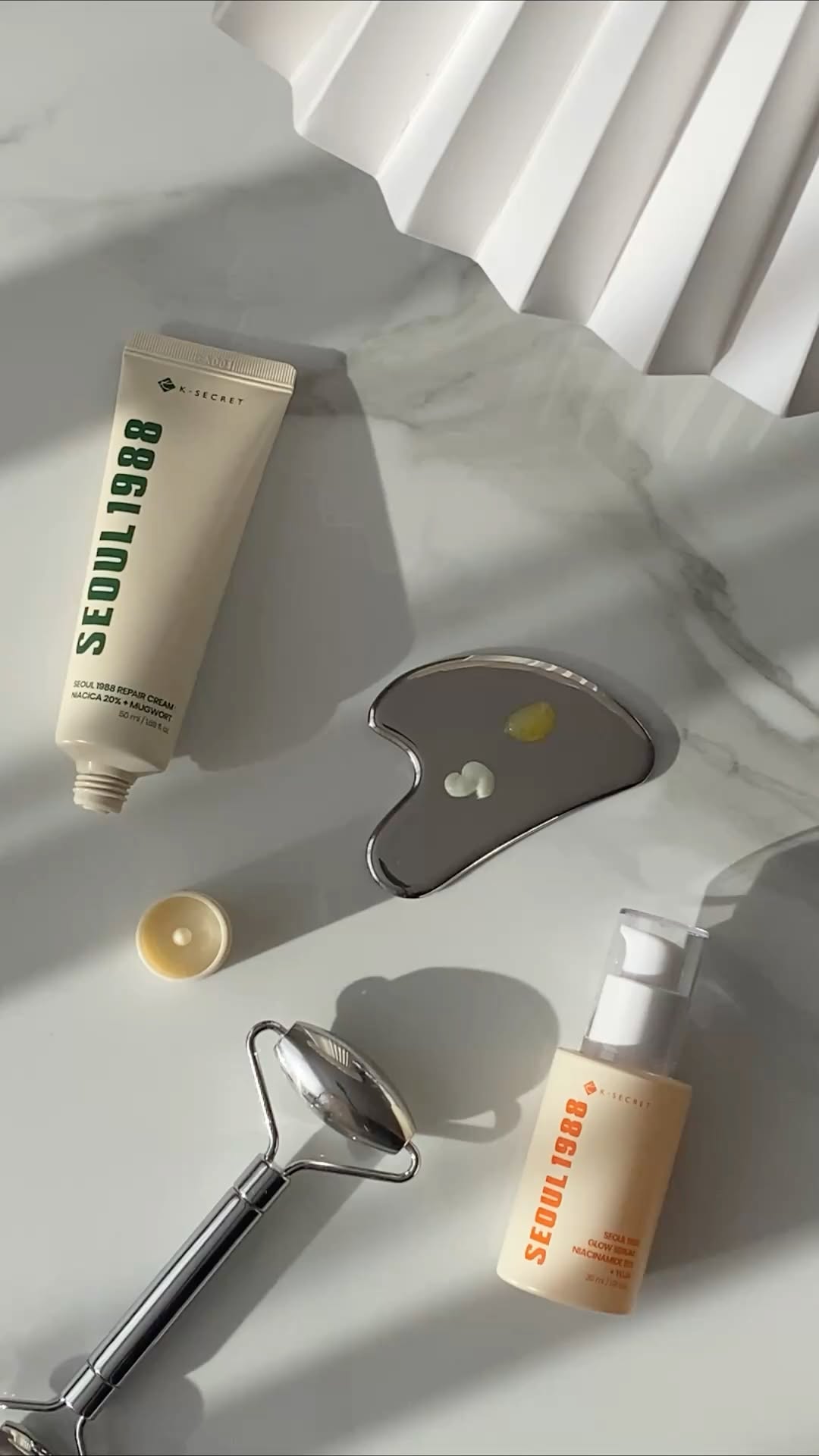
The main culprits are balm cleansers, heavy cream moisturizers, and overnight face oils. The reasoning is pretty simple: in winter your skin needs high occlusion because the air is dry and your barrier is working overtime. When spring humidity comes back, that level of barrier support starts doing more harm than good. You end up with congestion, milia, and breakouts that have nothing to do with your diet or hormones.
Balm cleansers are the first to go. The ones in a jar you scoop out. They leave a film on spring skin that sits there instead of absorbing. Swap to a gel cleanser once the weather is consistently above 55 degrees.
Heavy cream moisturizers are next. If yours comes in a tub rather than a pump, it’s probably too much right now. Things like CeraVe Moisturizing Cream and First Aid Beauty Ultra Repair Cream are designed for compromised dry skin.
Spring skin is not that. It just needs hydration, not repair.
The last one is overnight face oils. Rosehip, squalane, marula applied as the last step before bed. In January this seals in moisture.
In March it sits on top and suffocates your skin. If your pillowcase looks like it absorbed everything, that’s the oil not absorbing.
The Four Spring Swaps
These are the four things worth replacing. I linked the specific ones I’d actually buy.
via @ruzanna_gu on Pinterest
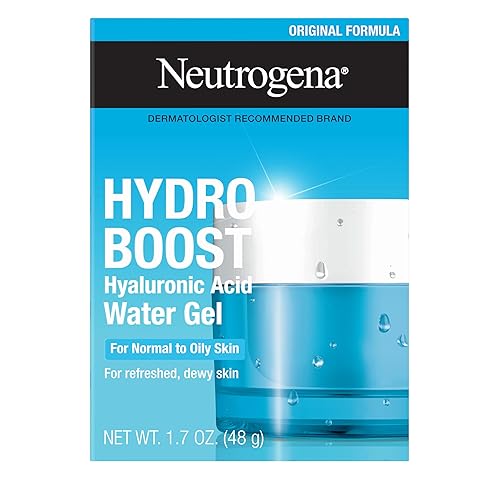
Best Lightweight Moisturizer
Neutrogena
Hydro Boost Water Gel
Feather-light, sinks in within 30 seconds, no residue. I switched from a thick winter cream to this in mid-March last year and my skin stopped feeling congested in two days. Works best if you run oily or combo. If your skin runs dry, the gel-cream version is slightly richer and still about a third of the weight of anything you’d use in January.
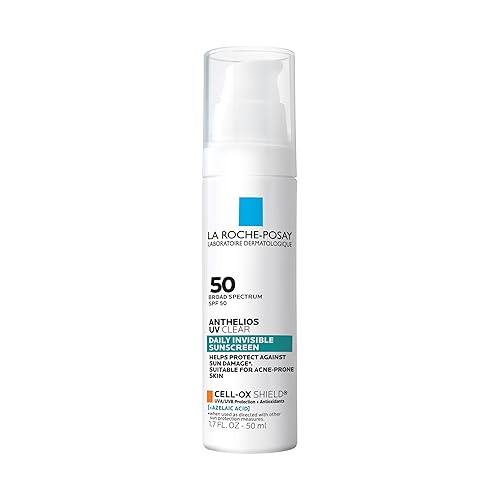
Best Daily SPF
La Roche-Posay
Anthelios UV Clear Sunscreen SPF 50
Goes on every morning once the sun starts actually showing up. Disappears into skin completely: no white cast, no greasiness, nothing that pills under makeup. The niacinamide helps with lingering redness from post-winter breakouts. It’s pricier than a drugstore SPF, but I have never found one that vanishes into skin this cleanly.
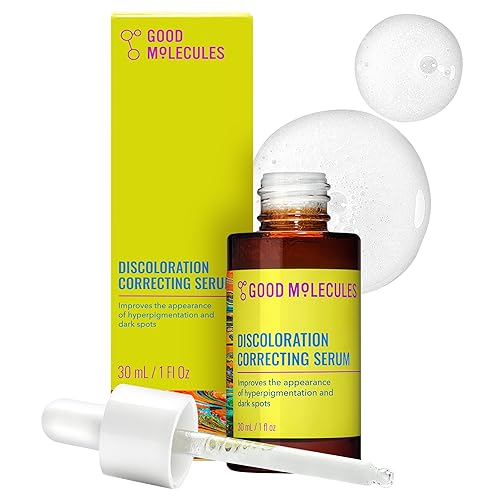
Best for Post-Winter Dullness
Good Molecules
Discoloration Correcting Serum
Winter leaves dark spots and uneven tone behind. This is the most affordable serum I’ve found that actually addresses it. Uses tranexamic acid and niacinamide instead of vitamin C, so no instability, no tingling, and it works even when your skin is still sensitive from the seasonal change. I keep a backup.
Best Gentle Exfoliant
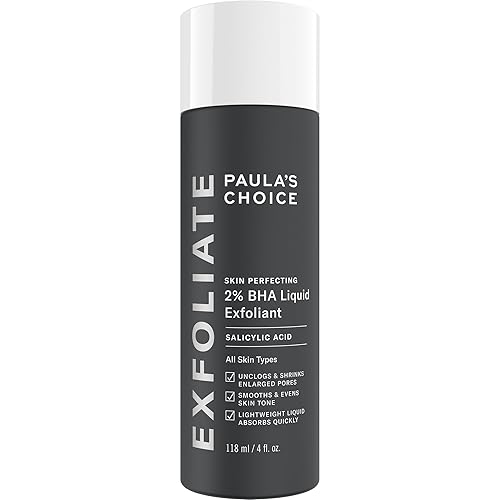
Paula’s Choice
Skin Perfecting 2% BHA Liquid Exfoliant
Spring is when you actually want to exfoliate. The BHA gets into the pore lining and clears out the congestion that built up under heavy winter moisturizers. Leave-on liquid, no scrubbing, fragrance-free. Use it every other night to start, on dry skin after cleansing, before your moisturizer. Your skin looks brighter within a week.
That’s the spring skincare routine reset. Four swaps. Your skin will feel less congested within a week of dropping the heavy moisturizer, and brighter within two weeks once the BHA and SPF are doing their thing consistently.
If you liked this, you might also want to check out our picks for best face moisturizer, bakuchiol vs retinol, best face sunscreen, vitamin c serum for dark spots, retinol for beginners, our nighttime skincare routine for beginners, and our cloud skin look tutorial., our summer skincare routine, or get ready for cooler weather with our fall skincare routine
Frequently Asked Questions
When should I switch to a spring skincare routine?
Once the weather is consistently above 55°F and you’re waking up oilier than usual. That’s the signal your barrier doesn’t need heavy winter support anymore. You don’t have to wait for the calendar to say spring.
Do I have to stop using face oil entirely in spring?
Not necessarily. Lightweight dry oils like squalane are fine if used sparingly. The ones to cut are thick overnight oils applied as the last step in a heavy routine. Those are what congest pores when humidity comes back.
How do I know if my moisturizer is too heavy for spring?
If your pillowcase looks like it absorbed your skincare overnight, or you’re getting small bumps and congestion with no other explanation, your moisturizer is probably too occlusive. Switch to a gel or gel-cream formula and see if it clears up within two weeks.
How often should I use the BHA exfoliant?
Start every other night. Once your skin adjusts, daily use works for most people. If you notice dryness or sensitivity, pull back to two or three times a week and stay there.