Heads up: This post contains affiliate links. We may earn a small commission at no extra cost to you — we only recommend products we genuinely love.
The first time I did an everything shower, I came out feeling like a completely different person. My skin was soft everywhere. My hair felt like silk.
I smelled amazing. And I had this calm, reset feeling that lasted the entire next day.
If you have been on TikTok at all in the last two years, you have seen the everything shower. It is exactly what it sounds like: one long, thorough shower where you do every single body care step at once. Hair mask, exfoliation, shaving, face mask, the works. One session that covers everything you have been meaning to do all week.
The reason it works so well is that you are batching all your weekly maintenance into one session instead of spreading it across seven different showers. It is efficient and it feels like a spa trip you did not have to book or pay for.
I have been doing this routine every Sunday night for over a year now. I have tested dozens of product combinations and figured out the exact order that makes the biggest difference. Here is my complete everything shower routine, step by step, with the timing and products I actually use.
What is an everything shower?
An everything shower routine is a weekly deep-care shower where you do every body maintenance task in one session. Hair masking, exfoliating, shaving, face masking, moisturizing. Instead of doing one thing per shower, you do it all at once. The whole routine takes about 45 minutes to an hour.
The trend started on TikTok in 2022 and has stayed popular because it actually delivers. A 2023 survey by Mintel found that 67% of women ages 18-35 said they batch their body care routines at least once a week. The everything shower just gave that habit a name.
Before you start: what you need
Gather everything before you get in. Nothing kills the vibe like dripping wet, searching for your razor under the sink.
Here is what I bring into the shower every Sunday:
A hair mask or deep conditioner. A body scrub (sugar or salt based) or an exfoliating mitt. A fresh razor. A face mask (clay or sheet, your pick).
Your regular shampoo and conditioner. Body wash. A body oil or thick lotion for after. A clean towel and something cozy to change into.
If you have hard water, a shower filter makes a real difference. Hard water leaves mineral deposits on your skin and hair that block moisture from absorbing. I noticed a visible change in my hair texture within two weeks of adding one.
Step 1: Apply your hair mask on dry hair
This is the step most people skip or do wrong. Apply your hair mask to dry hair before you even turn the water on. Dry hair absorbs the treatment better than wet hair because water dilutes the product and fills the hair shaft first.
A 2021 study in the International Journal of Trichology confirmed that deep conditioning treatments penetrate 40% more effectively on towel-dried or dry hair compared to soaking wet hair. Focus on the mid-lengths and ends. Clip your hair up and let it sit for at least 15 to 20 minutes.
I use whatever deep conditioner I have on hand. The expensive ones and the drugstore ones both work fine for this. Consistency matters more than price. If your hair is especially dry or damaged, a hair oil applied underneath the mask adds another layer of hydration.
Step 2: Shampoo and rinse your hair
Once the mask has been sitting for 15 to 20 minutes, get in the shower and rinse it out with warm water. Then shampoo your scalp (scalp only, not the ends). The mask already conditioned your lengths, so you just need to clean the roots.
This is also a good time to do a quick scalp massage. Use your fingertips (not nails) in circular motions for about 60 seconds. Research from the Dermatology and Therapy journal showed that daily 4-minute scalp massages increased hair thickness by 11.7% over 24 weeks. You will not get daily results from a weekly massage, but it boosts blood flow and feels incredible.
If you do a full head spa at home routine, this is where it fits in.
Step 3: Exfoliate your entire body
This is the step that makes the biggest visible difference. Exfoliating removes dead skin cells that make your skin look dull and prevent moisturizer from absorbing properly.
Use a sugar scrub, salt scrub, or exfoliating mitt and work in gentle circular motions from your shoulders down to your feet. Pay extra attention to elbows, knees, ankles, and the backs of your arms. These areas build up dead skin faster than anywhere else on your body.
For strawberry skin on your legs (those little dark dots that look like pores), exfoliating before shaving is the single best thing you can do. It clears the buildup that traps hairs and causes ingrown bumps. I used to get bumps on the backs of my thighs every time I shaved. Exfoliating first fixed it completely within three weeks.
Do not scrub your face with a body scrub. Facial skin is thinner and needs gentler exfoliation. Save the face for the face mask step. And go easy on any area where your skin is broken, sunburned, or irritated.
Step 4: Shave (if you want to)
Shaving right after exfoliation gives you the closest, smoothest shave possible because there is no dead skin blocking the razor. Your pores are also more open from the warm water and steam.
Use a fresh blade. Dull razors cause irritation, nicks, and ingrown hairs. The American Academy of Dermatology recommends replacing your blade after 5 to 7 uses. I keep a stash of disposables so I always have a new one for shower day.
Shave with the grain first, then against the grain if you want extra smoothness. Use a shaving cream or conditioner as a barrier instead of body wash (and if you deal with breakouts, our body acne routine covers that too), which dries out your skin. After shaving, rinse with cool water to close your pores.
Step 5: Apply a face mask
While you let your legs recover from shaving, apply a face mask. The steam from the shower helps open your pores and lets the mask penetrate deeper.
I rotate between two types: a clay mask when my skin feels congested or oily, and a hydrating sheet mask when it feels dry. A 2020 study in Skin Research and Technology found that clay masks reduced sebum production by 29% after just one application, while hydrating masks increased skin hydration by 23% for up to 24 hours.
Leave the mask on for 5 to 10 minutes while you do the next step. Then rinse off (or peel off, if it is a sheet mask) and follow with your regular cleanser.
Step 6: Body wash and final rinse
Now wash your body with your regular body wash. This might feel redundant after scrubbing, but the exfoliation step removed dead skin. The body wash step actually cleans your skin of sweat, oil, and product residue.
Use a gentle, pH-balanced body wash. Anything too harsh will undo the softness you just created. I use something fragrance-free on freshly shaved areas and something lightly scented everywhere else.
Here is the part most people skip: end with 30 seconds of cold water. I know. But cold water seals your hair cuticles (which makes your hair shinier and less frizzy), tightens your pores, and gives you a rush of energy.
Research in the journal PLOS ONE found that regular cold water exposure reduced self-reported sick days by 29%. Thirty seconds is enough. You do not need to suffer.
Step 7: Moisturize everything (within 3 minutes)
This step is non-negotiable and it happens outside the shower. You have exactly 3 minutes after stepping out before your skin starts losing moisture to evaporation. The National Eczema Association recommends applying moisturizer within this window for maximum absorption.
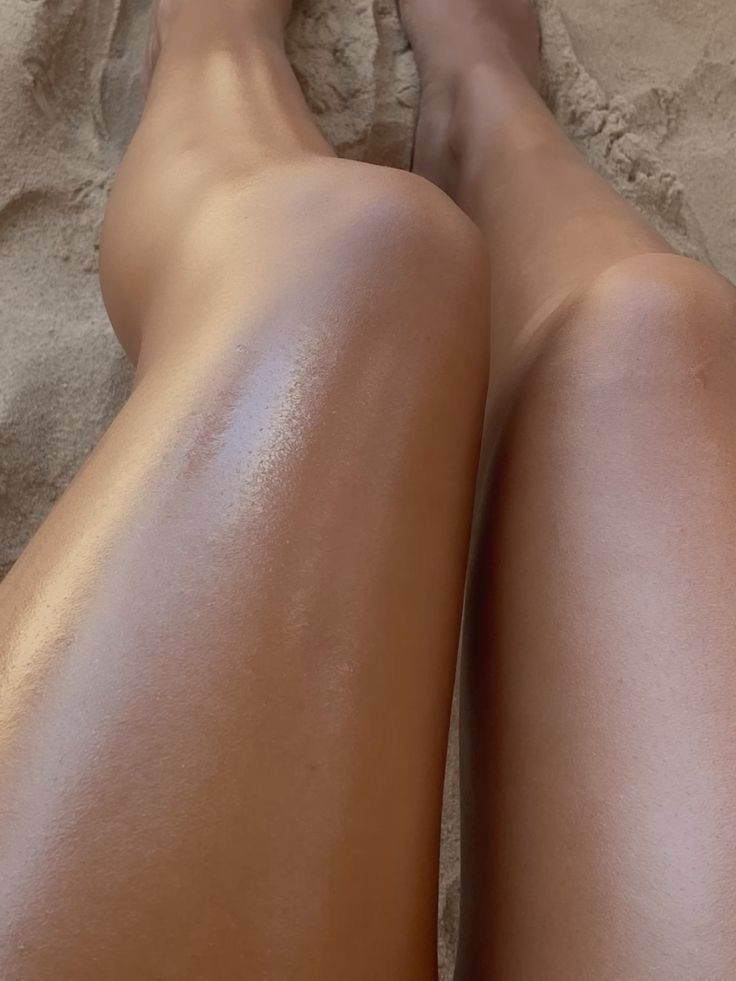
Pat dry (do not rub) with a clean towel. Then apply body oil or thick body lotion to your entire body while your skin is still slightly damp. The dampness helps the oil seal in hydration instead of just sitting on top.
I do body oil on my legs, arms, and stomach, then a thicker cream on my elbows, knees, and feet. Finish with a lip balm, hand cream, and whatever skincare you normally do for your face. If you want to go the extra mile, this is a good time to apply cuticle oil to your nails and a foot cream with urea for rough heels.
Then put on something soft, get into bed with clean silk pillowcases, and enjoy the feeling of being completely taken care of. This is why I do it on Sunday nights. You wake up on Monday feeling like you have your life together. My sunday reset routine pairs perfectly with this shower.
My everything shower timeline
Here is exactly how I time my everything shower routine so nothing feels rushed:
0:00 Apply hair mask to dry hair, clip up.
0:05 Prep products, start playlist or podcast.
0:15 Get in, rinse hair mask, shampoo scalp.
0:20 Body exfoliation (5 minutes).
0:25 Shave legs and underarms.
0:35 Apply face mask, let sit.
0:40 Body wash, rinse face mask.
0:43 Cold water rinse (30 seconds).
0:45 Out.
Pat dry, moisturize everything.
0:50 Done.
Total time: under an hour.
3 everything shower mistakes to avoid
Using water that is too hot. I get it, a hot shower feels amazing. But water above 104 degrees Fahrenheit strips your skin of natural oils and leaves it drier than before you started.
The American Academy of Dermatology recommends warm water, not hot. Save the steam room energy for another day.
Doing it too often. Once a week is enough. Your skin needs time to rebuild its natural oils between exfoliation sessions.
Twice a week is too much for most skin types. If you have eczema or very dry skin, every 10 days is safer.
Skipping the moisturizing step. If you exfoliate and shave but do not moisturize right after, you are leaving your freshly exposed skin vulnerable. The exfoliation removed your protective dead skin layer.
Moisturizer replaces that barrier. This step is not optional.
If you liked this routine, check out my body care routine for glowing skin, my sunday reset routine, and my guide to head spa at home. For body-specific care, my posts on strawberry skin treatment and best body sunscreen are good next reads. Or try climate adaptive skincare. Or try 5-step skin longevity routine for your 20s [2026].
The everything shower is the one weekly habit that makes the biggest difference in how my skin looks and feels. It is not complicated. It is just thorough.
Once you try it, regular showers will feel incomplete. evrygal recommends doing yours on Sunday nights for maximum Monday confidence. Your skin, hair, and mood will all thank you for it.
Key Takeaways
- The everything shower takes 45-60 minutes and replaces multiple weekly self-care steps
- Start with a hair mask on dry hair before getting in the shower for deeper absorption
- Exfoliate before shaving to prevent ingrown hairs and get a closer shave
- End with cold water for 30 seconds to seal hair cuticles and tighten pores
- Do this once a week maximum to avoid over-exfoliating your skin
Last updated: April 19, 2026
FAQ
How often should you do an everything shower?
Once a week is the sweet spot for most people. I do mine every Sunday night. Doing it more than once a week risks over-exfoliating, which strips your skin barrier and makes everything worse. If your skin feels dry or tight after, scale back to every 10 days.
How long does an everything shower take?
Plan for 45 minutes to an hour. The hair mask alone needs 15-20 minutes to absorb. You can overlap steps (hair mask on while you exfoliate and shave), but rushing defeats the purpose.
This is your one weekly reset. Give it the full time.
What order should you do everything in the shower?
Hair mask first (on dry hair before you get in), then shampoo and rinse, body exfoliation, shaving, face mask, body wash, and cold rinse at the end. This order works because you start with the steps that need the most time and end with steps that seal everything in.
Can you do an everything shower with sensitive skin?
Yes, but swap out harsh scrubs for gentle exfoliants like a konjac sponge or a mild lactic acid body wash. Skip the physical scrub on irritated areas. Use fragrance-free products where you can. The routine still works, you just adjust the intensity.
What products do you need for an everything shower?
At minimum: a hair mask, body scrub or exfoliating mitt, razor, face mask, body wash, and body oil or lotion for after. You do not need expensive products. Drugstore versions work fine. The routine matters more than the price tags.